One Day in Maastricht: A Realistic One-Day Walking Route
Plan one day in Maastricht with a walking route from the Vrijthof and Sint-Servaasbrug to Wyck, the Dominicanen bookshop and the Sint-Pietersberg, with timings.
On this page
One day in Maastricht covers the essentials comfortably, because the Vrijthof, the Markt, the Stokstraat quarter and Wyck all sit inside a centre you can cross on foot in about twenty minutes. The route below runs from the Wyck bank in the morning to the Vrijthof in the evening, with one afternoon decision to make. It is ordered the way a walk works rather than as a ranked list of sights, and this Maastricht Itinerary follows the same logic if you want the plan laid out step by step.
Why one day in Maastricht works
Maastricht sits in the far south of the Netherlands, closer to Liège and Aachen than to Amsterdam, and its old centre is compact enough that a single day hits the main layers: a Romanesque church, a medieval wall, a Gothic church turned bookshop and a river crossing. Three districts cover almost everything a first visit needs: the centre around the Vrijthof, Wyck on the far bank of the Maas, and the Stokstraat quarter between them. Everything in this route is walkable, and you only need a bike or bus if you add the Sint-Pietersberg.
Morning: start on the Wyck bank at the Sint-Servaasbrug
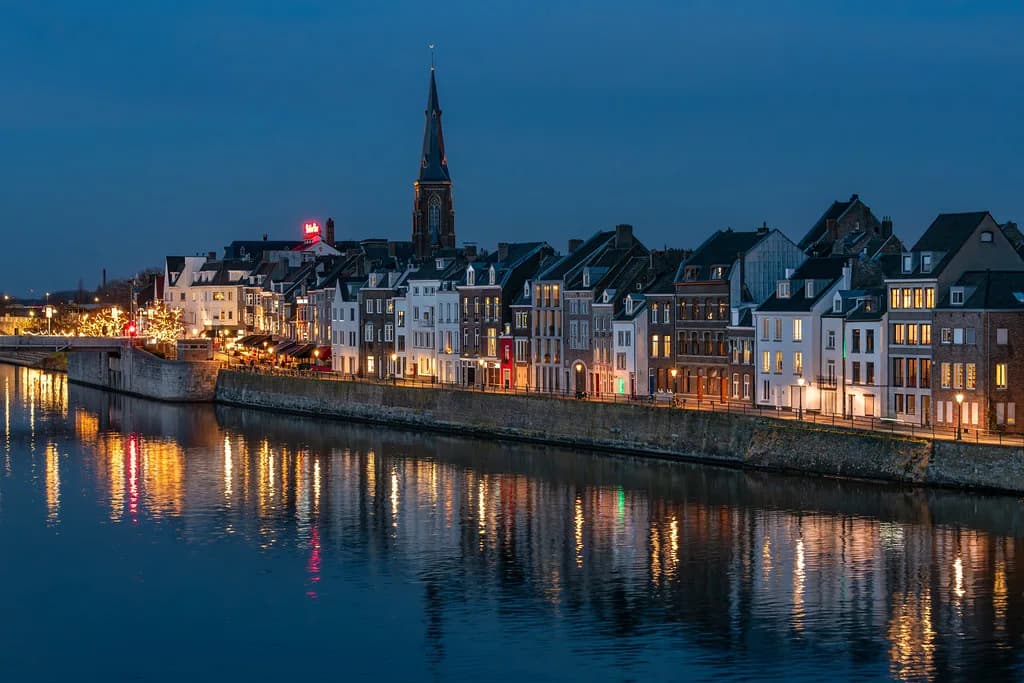
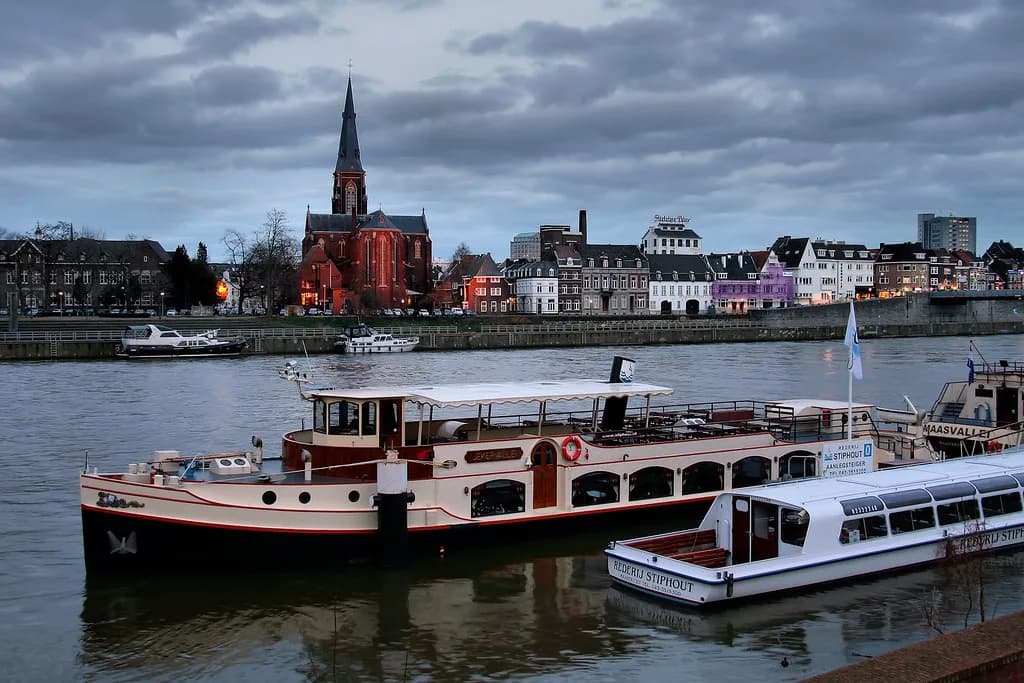
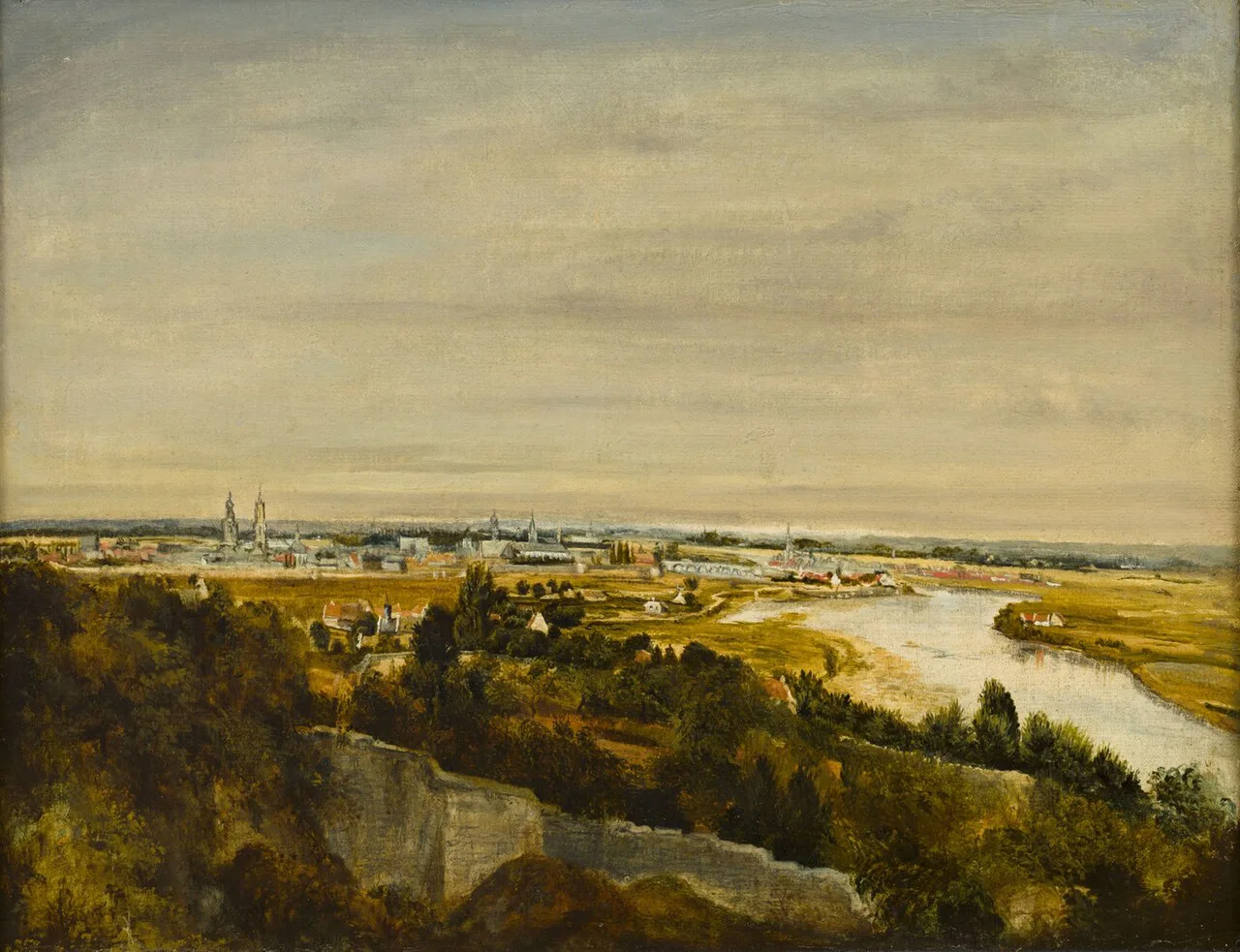
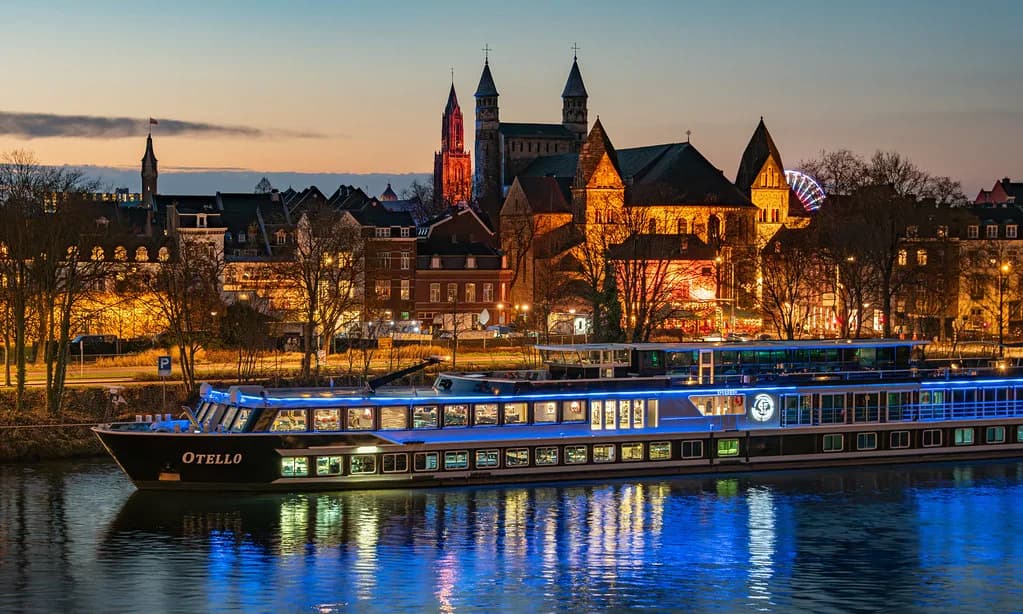
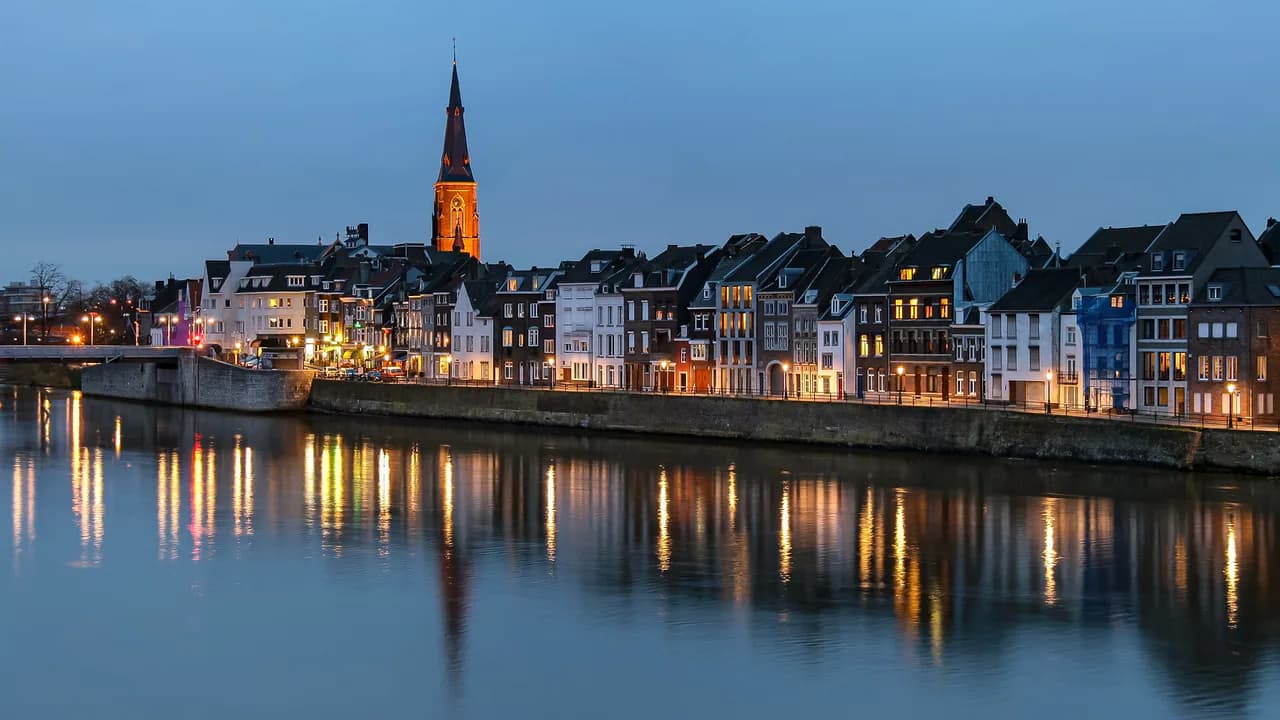
Begin at the Sint-Servaasbrug, the 13th-century stone crossing over the Maas that still carries pedestrians and cyclists between Wyck and the old centre. The photograph most visitors miss is taken from the Stenenwal on the Wyck bank, where the bridge lines up with the old centre behind it and the late-afternoon light comes from behind you. In the morning that view is quieter, so take it first and cross into the centre at your own pace.
Wyck itself is the shopping side of the river, and the Rechtstraat is the street to walk. It is short, has no big-name stores, and is lined with small boutiques and independent retailers rather than the chains gathered in the Mosae Forum on the centre bank. If you came for brands, Mosae Forum puts them in one block; if you came for the city, the Rechtstraat is the better use of an hour.
Cross into the old centre: Markt and the town hall
Walk from Wyck into the centre and you reach the Markt, where Maastricht's town hall stands free in the middle of the square rather than pressed against a row of houses. The building is not large, but standing alone it reads as monumental, and it makes the market around it feel bigger than it is. The market runs on Wednesday and Friday mornings, which is worth timing your walk around if you want the square at its liveliest.
Mid-morning: the Vrijthof and its two churches
The Vrijthof is Maastricht's main square and the one to sit on, with café terraces down one whole side and the Sint-Janskerk with its red-painted tower beside the Sint-Servaasbasiliek. Allow time for both churches: the Sint-Servaasbasiliek has a treasury, and the square also holds the Generaalshuis city palace and the former head post office among its monuments. This is the densest hour of the day, so give it the most time rather than rushing through to the next stop.
Onze-Lieve-Vrouwebasiliek and the Stokstraat quarter
From the Vrijthof, drop south to the Onze-Lieve-Vrouwebasiliek and then wander the small streets of the Stokstraat quarter back towards the river. This is the part of the centre that rewards drifting rather than navigating: the streets are narrow, the buildings old, and the quarter links the Vrijthof area to the Maas bank without a single long straight walk.
Lunch by area: Markt, Onze Lieve Vrouweplein, Vrijthof or Rechtstraat
Pick your lunch square by what comes next rather than by menu. The Markt and Onze Lieve Vrouweplein sit close to the Stokstraat quarter, the Vrijthof keeps you in the busiest part of the centre, and the Rechtstraat puts you back on the Wyck bank near the afternoon's shopping. Maastricht's food reputation runs to café and bistro cooking around these squares, so a long lunch is a real option but it costs you the afternoon choice below.
Afternoon choice A: Boekhandel Dominicanen in the Gothic church
Boekhandel Dominicanen is a bookshop inside a Dominican church consecrated in 1294, considered the first Gothic church in the Low Countries. It lost its religious function two centuries ago and has served as, among other things, a snake house and a bicycle store before becoming a bookshop in 2006. The steel shelving climbs three levels up the nave, so you read the vaulting at eye height, and there is a coffee bar in the choir if you want to sit rather than browse.
Choose this option if the weather is poor, if you are travelling with people who prefer interiors to hills, or if you want a slow afternoon rather than a walk. It sits inside the centre, so it leaves the evening free and needs no planning beyond turning up during opening hours. As with any museum-scale building in the city, check the current opening days before you build the day around it, since Monday closures are common in the Netherlands; our guide to museums in Maastricht covers the city's collections in more depth.
Afternoon choice B: Bonnefanten Museum and the Sint-Pietersberg
The second option heads south towards the Sint-Pietersberg, the hill where caves and forts run under the ground on the city's southern edge, and the Bonnefanten Museum sits among the city's sights if you want a gallery with the walk. The Jekerkwartier on the way is worth the detour for its streets, and the hill itself gives you the greenest hour of the day. This is the choice to make if you want landscape first, and a museum if time allows, rather than a single building.
The trade-off is honest: the Dominicanen bookshop and the Sint-Pietersberg caves cannot both fit comfortably after a Vrijthof morning. The bookshop is minutes from the square, the hill is a longer walk or a short bike ride out of the centre, and the caves are a guided visit rather than a wander at your own pace. Pick one, and treat the other as the reason for a returning visit or a longer Weekend in Maastricht, or see how many days in Maastricht you really need before you book.
The caves and forts under the Sint-Pietersberg are a separate visit from the centre rather than part of the walk, so plan the hill as its own outing if it is the point of your day. Guided walks that take in the historic centre, the Sint-Servaasbrug and the old churches are another way to hand the navigation to someone else.
Late afternoon: 't Bassin, Helpoort and the medieval wall
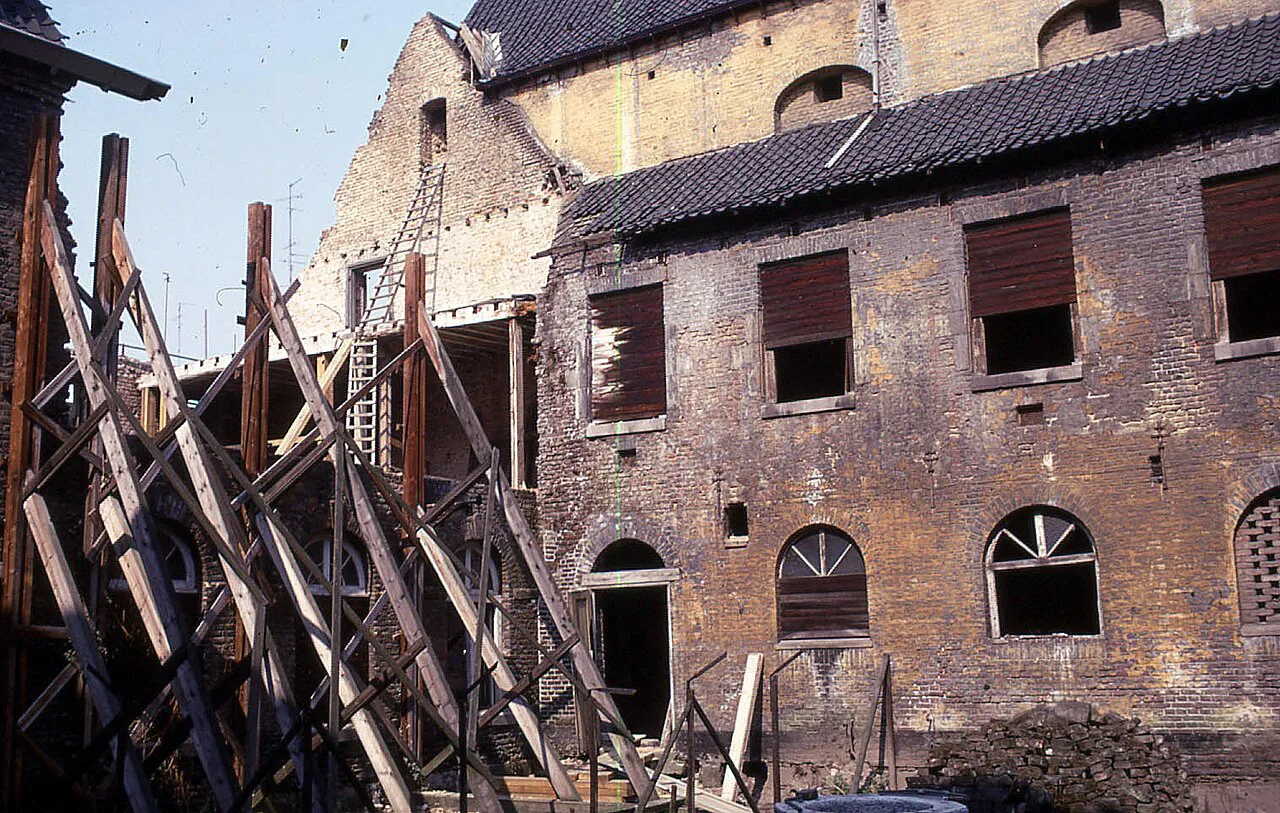
If the weather holds, walk north to 't Bassin, a 19th-century inland harbour about five minutes from the old centre, where restaurants, shops and bars are built into the old wharf cellars around the water. Roughly seventy boats moor here year round, so the walk works in any season, though the terraces only come out when the weather allows. Finish with Helpoort, the medieval gate, and the surviving wall for the last of the day's history.
Evening: back at the Vrijthof or the Wyck side
End the day either on the Vrijthof terraces, where the square stays busy into the evening, or back across the Sint-Servaasbrug on the Wyck side for dinner near where you started. The Vrijthof is the more scenic finish and the easier one if you are staying in the centre; Wyck is the better choice if your bed or your train is that side of the river. Either way, the walk between the two is short, which is the quiet advantage of a city this size.
What to cut if you only have half a day, or visit on a Monday
With half a day, keep the Sint-Servaasbrug, the Markt, the Vrijthof and the Stokstraat quarter, and choose either the Dominicanen bookshop or the hill rather than both. On a Monday, put the churches and the streets first and leave interiors flexible, since many Dutch museums close that day. A Monday is also the day to favour the outdoor route if you are deciding between the two afternoons, and it is worth checking the current opening days of any building you want to go inside.
If the day leaves you wanting more, the difference between one day and two is usually the Sint-Pietersberg and a slower morning on the Vrijthof. That comparison is worth making before you book, because a single day covers the centre but leaves the hill for another trip.
Budget-minded travellers should know that the biggest variable on this route is how much you spend on lunch and museum entries rather than on getting around, since the whole day is on foot.
Which afternoon should you choose?
Choose the Dominicanen bookshop if you want an easy, weather-proof afternoon inside the centre; choose the Bonnefanten Museum and the Sint-Pietersberg if you want the city's green edge and a guided cave visit. Both fit a one-day route that starts at the Sint-Servaasbrug and ends on the Vrijthof, and neither needs a car. The only real planning is checking opening days and booking the caves if you take the hill.
Explore more Maastricht guides
Frequently Asked Questions
Is one day enough for Maastricht?
Yes, for the old centre. The Vrijthof, Markt, Stokstraat quarter and Wyck sit within about twenty minutes of each other on foot, so a single day covers the main sights if you pick one afternoon option rather than trying both.
Which city is close to Maastricht?
Maastricht sits in the far south of the Netherlands, closer to Liège and Aachen than to Amsterdam. Its compact centre makes it an easy city-break base rather than a stop you reach from the capital.
What is Maastricht famous for food?
The city's eating is built around café and bistro cooking on and around the Vrijthof, the Markt, Onze Lieve Vrouweplein and the Rechtstraat. Use those squares to place lunch rather than following a single signature dish.
Sources
Notes for your next Dutch city break
Optional updates to our Netherlands guides.
You might also like
Continue reading
More guides you'll find useful