Free Things to Do in Nijmegen: Parks, Churches and Old Town Walks
Free things to do in Nijmegen: walk the old town, cross the Waal Bridge, explore Valkhof Park and Kronenburgerpark, and see Stevenskerk from the skyline.
On this page
Almost everything that makes a Nijmegen city break worthwhile is free: the old town streets, Valkhof Park, the walk along the Waal and the crossing of the Waal Bridge cost nothing at all. This guide sets out a workable free half-day and full day on foot, names the paid sights you might add, and is honest about which park to pick when time is short. It sits within our wider collection of things to do in Nijmegen.
What costs nothing in Nijmegen: the short answer
The free list is longer than most one-to-four-day visitors expect. Wandering the pedestrian streets, the market square, Valkhof Park, Kronenburgerpark and the riverside path costs nothing beyond your time, and the Waal Bridge gives you the best view back over the city. Nijmegen makes a strong claim to be the oldest city in the Netherlands, with a history reaching back to Roman times, and the street pattern is where you feel it.
The trade-off is that much of the historic centre was destroyed in the Second World War and rebuilt, so the appeal is the layout, the river setting and the skyline rather than unbroken centuries-old fabric. Several buildings are replicas of what was lost, and the reconstruction let planners widen streets and insert modern architecture. Knowing that up front stops the old town feeling like a let-down.
The parts that do cost money are mostly indoors: church interiors and towers, and the city's museums. Treat those as wet-weather insurance rather than the backbone of the trip, and check the venue's own site for current entry terms before you go. That way a free itinerary stays free and you only pay when you actively choose to.
Walk the old town: Grote Markt, Lange Hezelstraat and the streets between
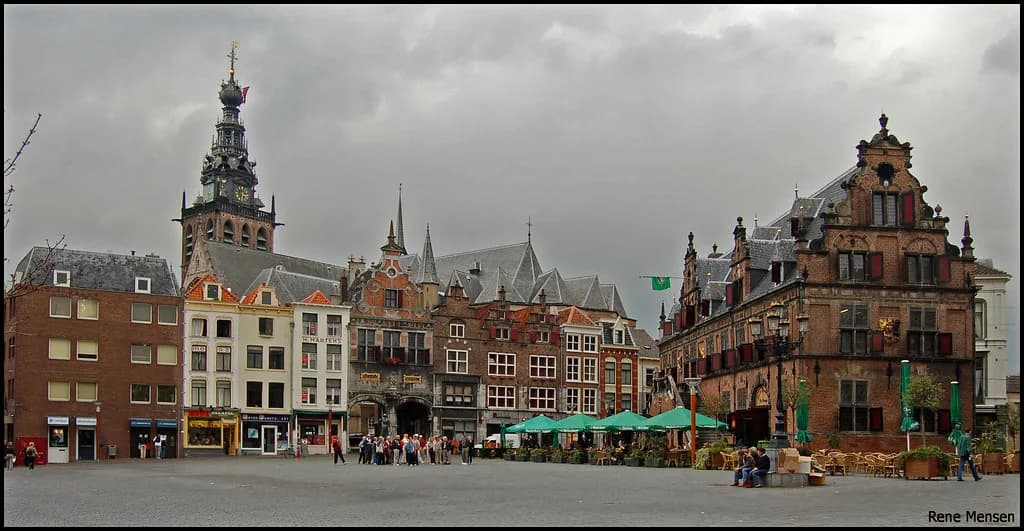
Start where the city does: Grote Markt, the market square at the heart of the centre, ringed by the old city hall and cafés. From the station it is roughly a fifteen-minute walk to the square, so you can be on the pavement within twenty minutes of stepping off the train. Read the square as a starting point rather than a sight in itself, then head into the lanes behind it.
Lange Hezelstraat is the street to prioritise. It is a pedestrian shopping street considered the oldest street in the Netherlands, once connecting two Roman towns, and it carries the city's commercial life without charging you for it. Walk it slowly, look up at the facades, and let it carry you south towards the river.
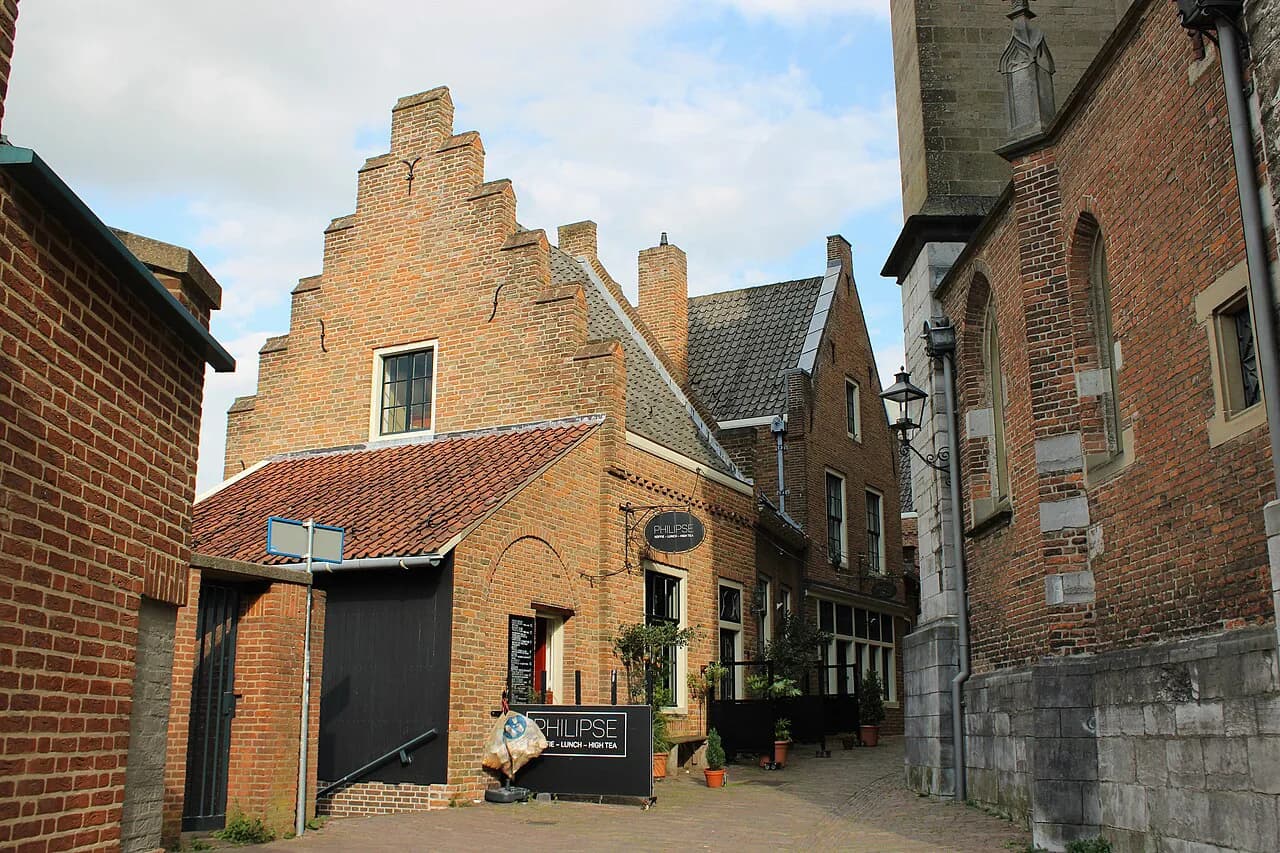
The surrounding lanes repay aimless time more than any ticketed attraction. Nijmegen has a dense pedestrian core of clothing, accessory and electronics shops plus a large number of cafés and bars, and browsing is free whether or not you buy. If you prefer structure, a self-guided Nijmegen walking tour keeps you moving through the same streets in a logical order.
Stevenskerk and the skyline: what you can see without paying
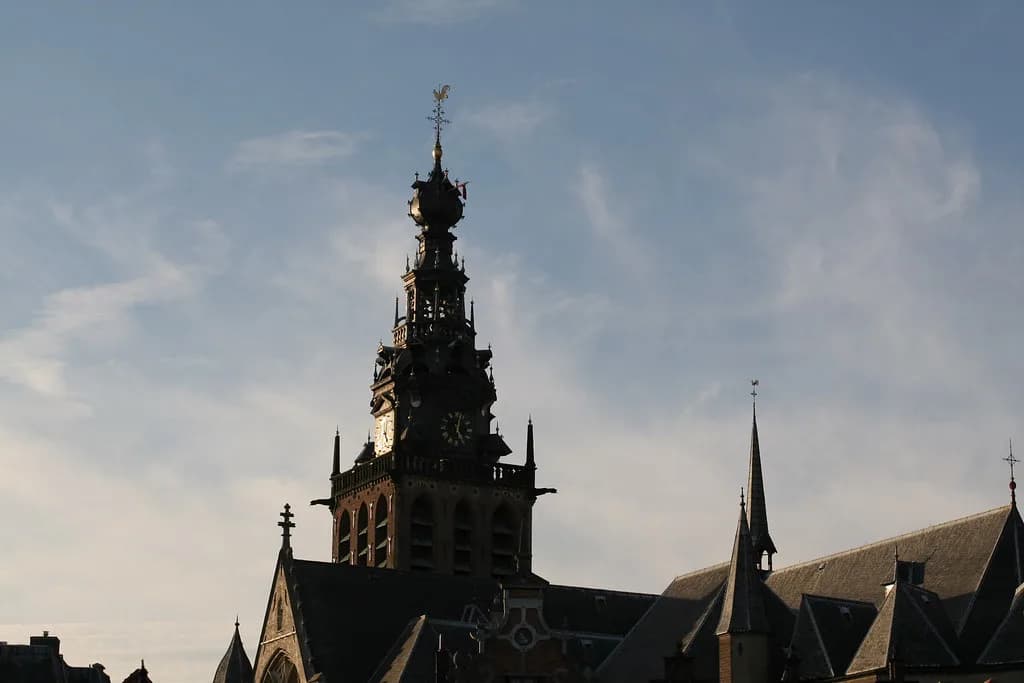
Stevenskerk, Saint Stephen's Church, is the building that defines the skyline, its ornate bell tower visible from almost anywhere in the old town and from the river. Its history reaches back to the seventh century, and it was moved to its current position on a hill in the thirteenth century. You can appreciate the exterior, the setting and the silhouette for nothing.
The church was badly damaged in the 1944 bombings and has been impressively restored, which is why it still dominates the view today. Treat it as a landmark to orient yourself by: see it from Grote Markt, from the river path and from across the Waal, and you have seen the best of it without a ticket. Whether the interior or tower is open, and on what terms, is something the church's own visitor information answers.
Valkhof Park: Roman history, Charlemagne's palace site and the park today
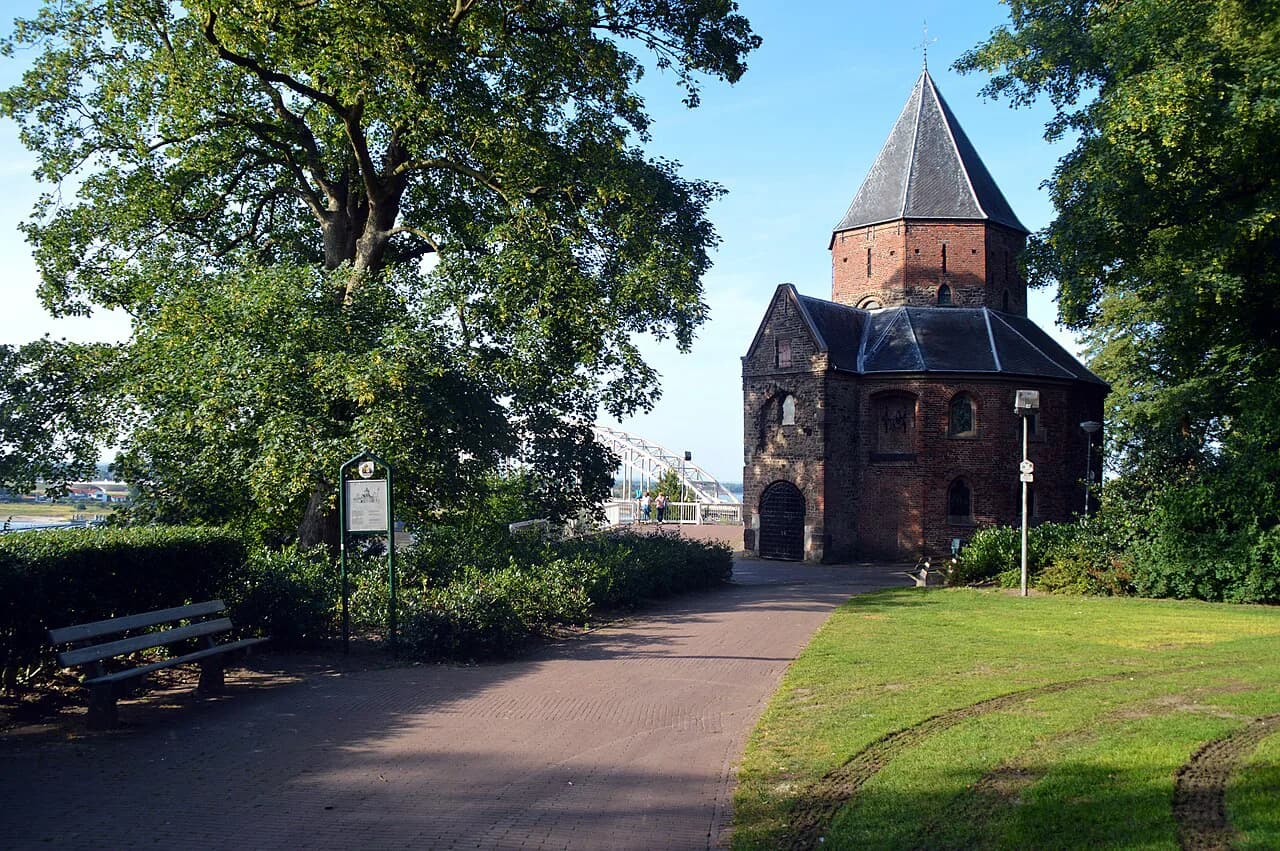
Valkhof Park is the free sight to build a morning around. The site dates to Roman times, and in the eighth century it held Emperor Charlemagne's palace, so you are walking over layers of history rather than a municipal lawn. You enter through an ornate gate, and the park holds preserved remains alongside lawns and trees.
The pleasure here is the combination: river views, mature trees and fragments of the past in one compact space, all free. It suits a slow hour with a book or a picnic more than a checklist stop. Set your expectations to park-with-ruins rather than museum, and it delivers.
The Waal Bridge and the Waalkade riverfront walk
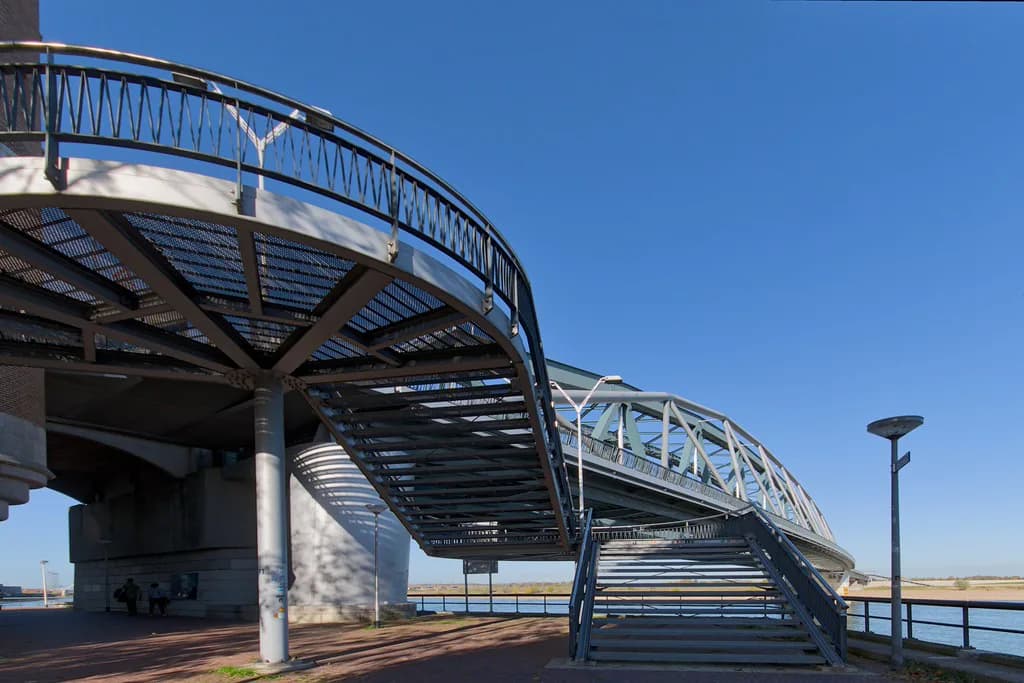
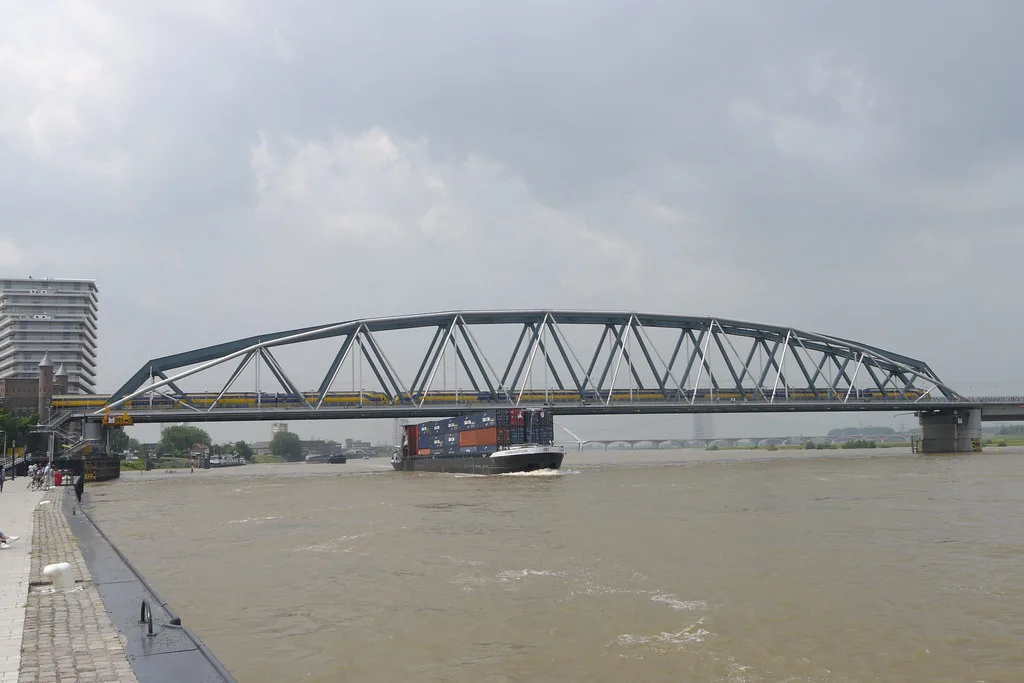
The Waal Bridge, the Waalbrug, was completed in 1936 and opened by the Queen of the Netherlands; before it, cars and foot passengers crossed the river by ferry. An estimated 200,000 spectators watched the opening, which tells you how much the crossing mattered to the city. It was deliberately destroyed shortly afterwards as war spread across Europe, then rebuilt and reopened.
Walking out onto the bridge is free and gives you the classic view back to the skyline, with slender brick houses, long windows and black-tiled roofs facing the Waal. Come back down to the Waalkade, the riverfront street, and follow the water at street level for a different angle on the same view. Allow an hour for the bridge and the riverfront together.
Kronenburgerpark: a quiet second park
Kronenburgerpark is the other free green space worth your time, named alongside Valkhof among the city's parks. Until the nineteenth century Nijmegen was contained by its protective walls, which is why the centre is so densely built, and a walk between the two parks takes you through that compact street pattern.
It is a quieter, more local park than Valkhof, better for a bench and a breather than for sweeping views. Pair it with a loop back through the shopping streets, and you have a free couple of hours that does not repeat anything you saw in the morning.
Kronenburgerpark versus Valkhof Park: which to pick on a short break
If you only have time for one park, choose Valkhof. It carries the Roman and Charlemagne history, the ornate gate and the elevated position, and it sits naturally on a route between the old town and the river. Kronenburgerpark is the better second choice, for a quiet bench.
Rushing both in an afternoon is the classic mistake: you get two pleasant parks and no memory of either. Pick Valkhof on a first visit, and save Kronenburgerpark for a return trip or a slower day when the weather invites sitting still.
Bike rides out of the city: dikes, floodplains and rolling hills
Cycling is where Nijmegen's free assets multiply, because the countryside starts at the edge of town. The region offers meandering dikes, abandoned islands, quiet stretches of reclaimed land, rolling hills, vineyards and river views. Hiring a bike costs money; the riding itself does not.
For a first ride, follow the river and the dikes rather than chasing distance, and use the bridge as your landmark to loop back. If you would rather stay on foot, the same landscapes are reachable in shorter doses from the centre. Either way, budget the day around daylight and weather rather than a fixed route.
How to fill a free day in Nijmegen on foot
A workable free day runs: Grote Markt and the old city hall, Lange Hezelstraat, Valkhof Park, down to the Waalkade, out and back over the Waal Bridge, then Kronenburgerpark on the way home. That sequence avoids backtracking and keeps the river views for the middle of the day. It also means you never need a ticket to have a full day.
For a half-day, cut Kronenburgerpark and the bridge, and do the square, the street and Valkhof. If you are weighing whether the city justifies the journey at all, our honest answer on whether Nijmegen is worth visiting covers the case for a short break.
Splitting a wet day: free sights outdoors, paid museums indoors
Rain does not ruin a Nijmegen trip, it just reorders it. Do the outdoor free circuit on the dry half of the day, and hold the indoor sights in reserve: the museum quarter covers art, history and family options across several venues. Check each museum's own page for opening days, ticket terms and whether a timed slot is needed, since Dutch museums commonly close one day a week.
One indoor stop worth planning around is Museum De Bastei, which sits by the river and ties into the Waal's story, making it a natural wet-weather companion to the riverfront walk. Confirm its current entry arrangements before relying on it. Beyond that, keep the paid sights optional, so a grey morning never turns into an expensive one, and browse our guide to museums in Nijmegen to pick the venue that suits the day.
Build Your Free Day Around the River
Nijmegen's free day works because the city is compact and the river does the heavy lifting. Walk the old town, climb into Valkhof Park, cross the bridge and come back along the Waalkade, and you have spent nothing while seeing the things that actually define the place.
Add paid sights only where they earn it, usually on a wet afternoon, and verify entry details with each venue before you set out. For the fuller picture beyond the free circuit, work through our Things to Do in Nijmegen guide and our Nijmegen City Centre guide.
Explore more Nijmegen guides
Frequently Asked Questions
What can you do for free in Nijmegen?
Walk the old town around Grote Markt and Lange Hezelstraat, explore Valkhof Park with its Roman and Charlemagne history, cross the Waal Bridge for the skyline view, follow the Waalkade riverfront and sit in Kronenburgerpark. Cycling out to the dikes and floodplains is free once you have a bike.
Is Nijmegen old town free to walk around?
Yes. The pedestrian streets, squares and riverfront are open to walk without a ticket. Note that much of the historic centre was destroyed in the Second World War and rebuilt, so the appeal is the street pattern, river setting and skyline rather than unbroken old fabric.
How far is Nijmegen from Amsterdam?
The train from Amsterdam to Nijmegen takes about one hour and twenty minutes, and Nijmegen Centraal is roughly a fifteen-minute walk from Grote Markt. That makes it feasible as a long day trip, though a night or two lets you use the free outdoor circuit at an unhurried pace.
Sources
Notes for your next Dutch city break
Optional updates to our Netherlands guides.
You might also like
Continue reading
More guides you'll find useful