Is Nijmegen Worth Visiting? An Honest Answer for a City Break
Yes, if you want Roman roots, riverside parks and a student buzz rather than a canal-ring postcard. Here is who Nijmegen suits and how long it needs.
On this page
Yes, Nijmegen is worth visiting, but for specific reasons: Roman roots, generous green space and a lively student population rather than a tidy ring of canals. It is the largest city in Gelderland, close to the German border, and it rewards travellers who want a working Dutch city with a river running through the story. This guide sets out what the city does well, how the centre and parks fit together, how many days it needs and who should give it a miss.
Plan around one full day in the centre and parks, with a second day if you want to walk the river edge without rushing. The city is compact enough to cover on foot between the two green flanks of the centre, and the main station sits a short walk from the middle of town.
What Nijmegen does well: Roman roots, green space and a student buzz
The city was founded by the Romans more than 2,000 years ago, and that depth shows in the fragments of forts, ruins and military sites you still come across around town. It is also a university city, home to Radboud University among others, which gives the centre a young, everyday energy rather than a museum-town hush.
Green space is the other strength: Nijmegen took the European Green Capital award in 2018, and the parks on both sides of the centre make that credible in practice. If your ideal Dutch break is green space, riverbanks and a bit of history mixed with student life, this city delivers more convincingly than a smaller heritage town.
The layout: Grote Markt, the shopping streets and two parks on either side
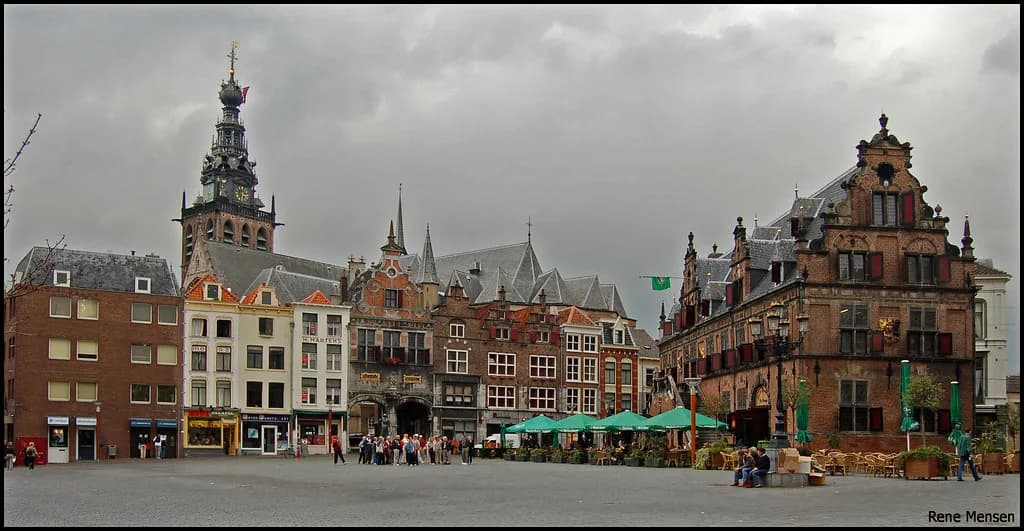
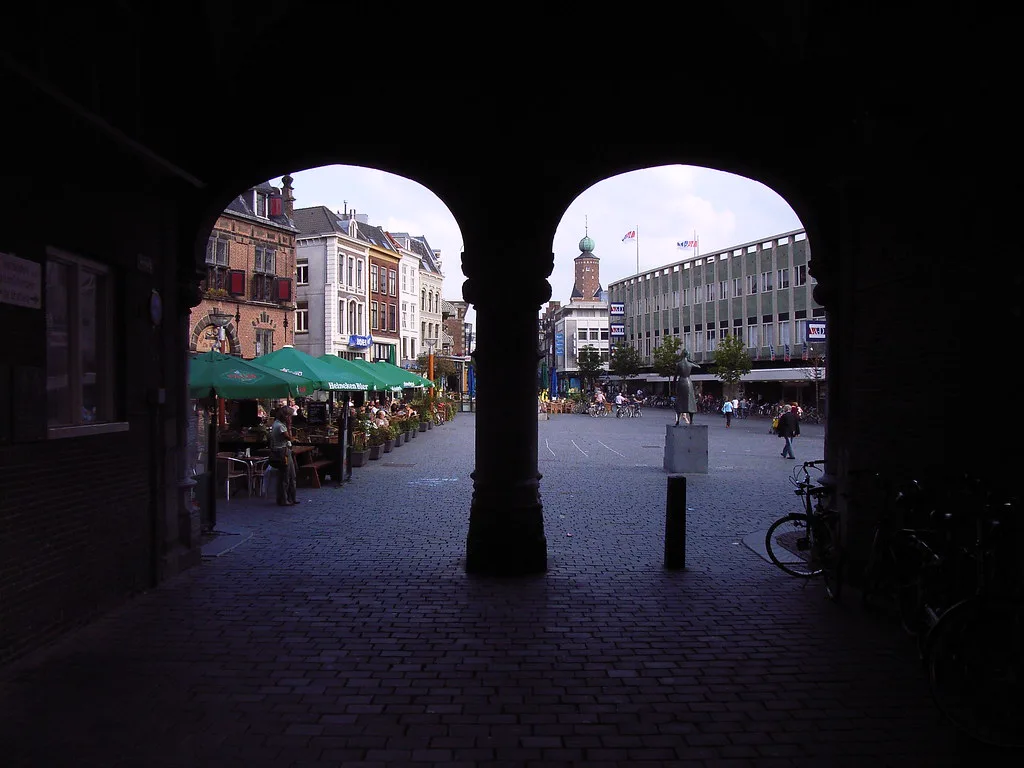
Think of the centre as a hub with green edges. The Grote Markt is the main square and a natural starting point, shops and the station are within easy walking distance, and the two parks sit on opposite sides of town, which is why the order of your walk matters.
For a fuller picture of the streets between the square and the river, the Nijmegen City Centre guide covers how the shopping quarters and squares connect. The main station is roughly a five to ten minute walk from the middle of town, so you can arrive by train and start on foot without needing a bus.
The sights worth your time: the two standout museums and the parks
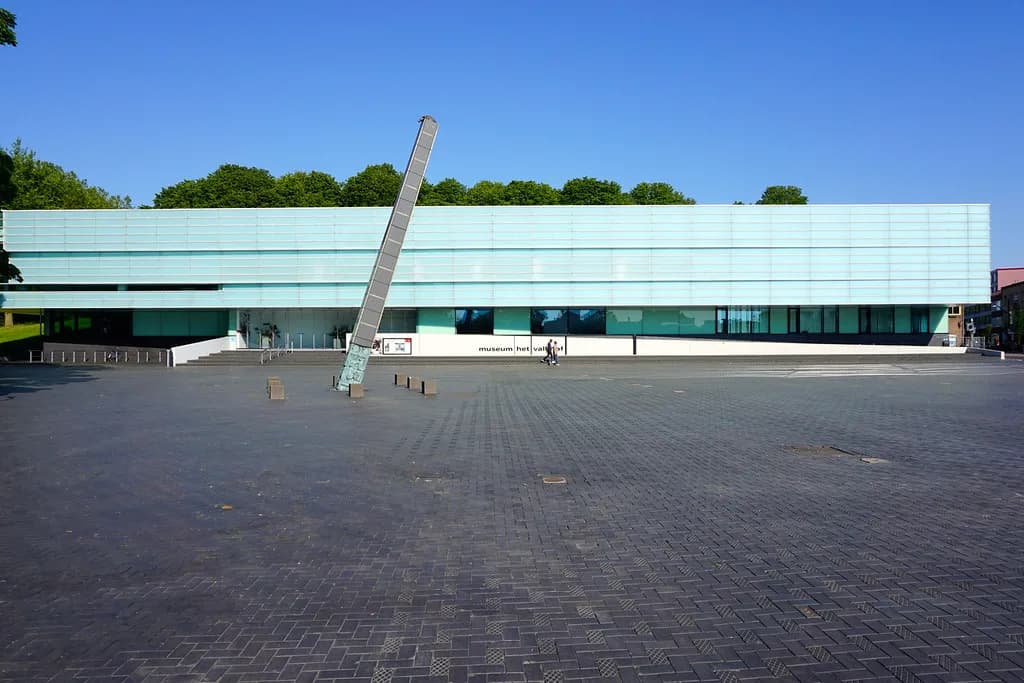
Two museums appear high on visitor listings: Museum Maelwael Van Lymborch Huis and muZIEum, both rated among the top things to do in Nijmegen on Tripadvisor. Together they make the obvious indoor half of a day, and the Things to Do in Nijmegen guide sets out the wider choice of sights.
Kronenburgerpark sits on the west side of the centre on the site of the old city fortifications, and its medieval gunpowder tower, the Kruittoren, gives the walk a landmark. The park is a public space, but the museums in town keep their own opening days, so check before you build a route around them.
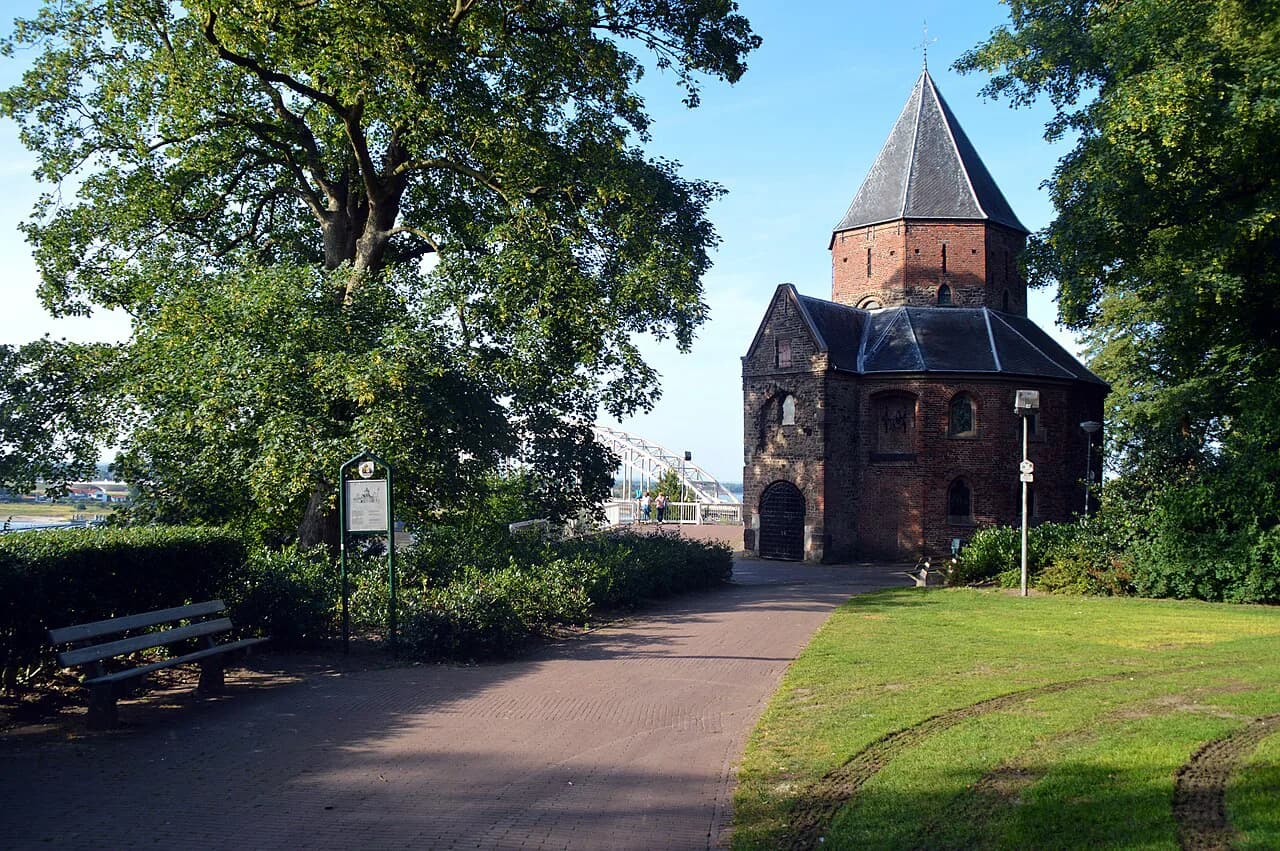
Valkhof Park on the east side holds historic ruins and a chapel, and Hunnerpark runs immediately alongside it, so the two can be walked as one loop. Doing Kronenburgerpark in the morning and the Valkhof side in the afternoon saves you criss-crossing the centre twice.

The river edge: Rivierpark Nijmegen Waal and Stadswaard
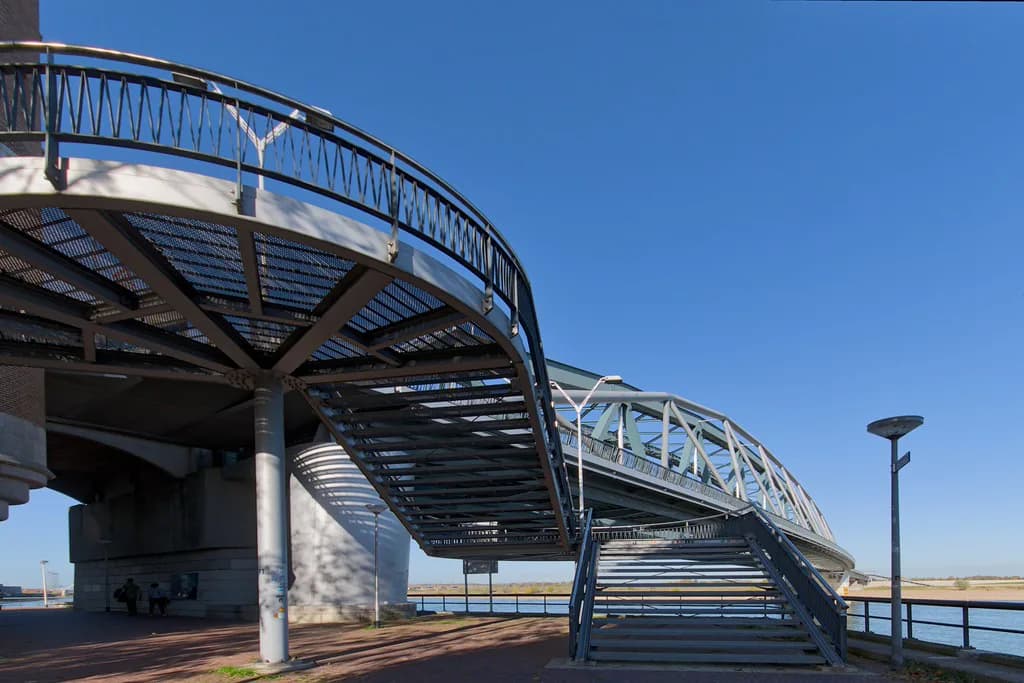
The Waal is the reason Nijmegen grew, and the river edge gives the city a different character from its squares. Rivierpark Nijmegen Waal is an island park along the river where you will find the Face of Nijmegen sculpture, and Stadswaard to the north-east is a nature reserve where cattle and wild horses graze.
Allow half a day for the river area if you want to walk it properly, since the parks are spread out and best reached on foot or by bike rather than squeezed into a lunch break. If you would rather see the water from the deck, the Nijmegen Canals and Boat Tours guide covers the options.
How many days Nijmegen needs: one day versus a slower two
One full day is enough for the centre, both museums and the two central parks, provided you start in the morning and do not zig-zag between west and east. That makes the city a comfortable single stop on a Dutch tour rather than a destination demanding a long stay.
Add a second day if the river landscape is your main interest: Rivierpark Nijmegen Waal and Stadswaard need time on foot, and a relaxed second day lets you spread the museums and the shopping streets apart. Two days also leaves room for a slower look at the centre without rushing.
Who will love it and who should skip it
Nijmegen suits travellers who want Roman history, riverside nature and the buzz of a real university city, and who are happy to walk between sights rather than follow a canal-ring circuit. It also works for a short break based in Utrecht or Arnhem, with Utrecht roughly 40 minutes away by train.
Skip it if your picture of a Dutch city break is a compact historic core threaded with canals and little else. Nijmegen spreads out towards its parks and river, so you will spend more time on your feet between highlights and less time strolling a postcard centre.
Getting there and getting around on foot
Intercity trains run to Nijmegen Centraal, which is also the main bus hub, and the centre is a short walk from the platforms. You can tap in and out with a contactless phone or debit card on Dutch public transport, so you do not need to buy a paper ticket in advance.
Once in town, walking is the sensible way to link the Grote Markt, the museums and the parks, and the country's oldest shopping street sits within that same loop. The Shopping in Nijmegen guide covers which streets to walk and how they connect to the square.
Should Nijmegen make your shortlist?
Yes, put Nijmegen on the shortlist if you want Roman remains, real green space and a student city with a river at its edge, and give it one full day with a second if the Waal appeals. Treat it as a working Dutch city rather than a canal-ring postcard and it will not disappoint.
Explore more Nijmegen guides
Frequently Asked Questions
Where is Nijmegen located?
Nijmegen sits in the east of the Netherlands, in the province of Gelderland, close to the German border. It is the largest city in Gelderland and is reached by intercity train, with Utrecht roughly 40 minutes away by rail. The main station, Nijmegen Centraal, is a short walk from the centre.
Is one day enough in Nijmegen?
One full day covers the centre, two of the top-rated museums on visitor listings and the parks on either side of town if you start in the morning. Add a second day if you want to walk Rivierpark Nijmegen Waal and Stadswaard properly, since the river landscape is spread out and best explored on foot at a relaxed pace.
Who might prefer a different Dutch city?
If your picture of a Dutch break is a compact historic core threaded with canals, a smaller heritage town will suit you better. Nijmegen's appeal is Roman history, parks and a working university city, so choose it for green space and depth of history rather than a postcard canal ring.
Sources
Notes for your next Dutch city break
Optional updates to our Netherlands guides.
You might also like
Continue reading
More guides you'll find useful