Nijmegen City Centre: What to See and How to Walk It
Walk Nijmegen city centre past Museum De Bastei, the Valkhof Quarter, St Stevenskerk and the Grote Markt, with layout, timings and honest trade-offs.
On this page
Nijmegen city centre needs about half a day on foot, and a full day if you add a second walk outside the old core. The compact old town sits on the south bank of the Waal, with the Valkhof Quarter, St Stevenskerk and the Grote Markt packed close enough that every place in the old downtown is reachable within roughly 20 minutes on foot or by bike. This guide covers how the levels fit together, a route through the main sights, and the trade-offs that decide when you go and which day you pick.
What the city centre covers
The centre divides into a handful of pieces you can tick off in a loop: the Waalkade waterfront and the streets climbing from it, the Valkhof Quarter with Museum De Bastei at its edge, St Stevenskerk and the Grote Markt just inland, and the Lange Hezelstraat running through the shopping streets. Nijmegen promotes itself as the oldest city in the Netherlands, and its Roman and medieval layers are what give the centre its pull. Treat that oldest-city billing as the city's own claim, and you will still find plenty of substance in the walls, churches and squares.
How the centre is laid out: two levels above the Waal
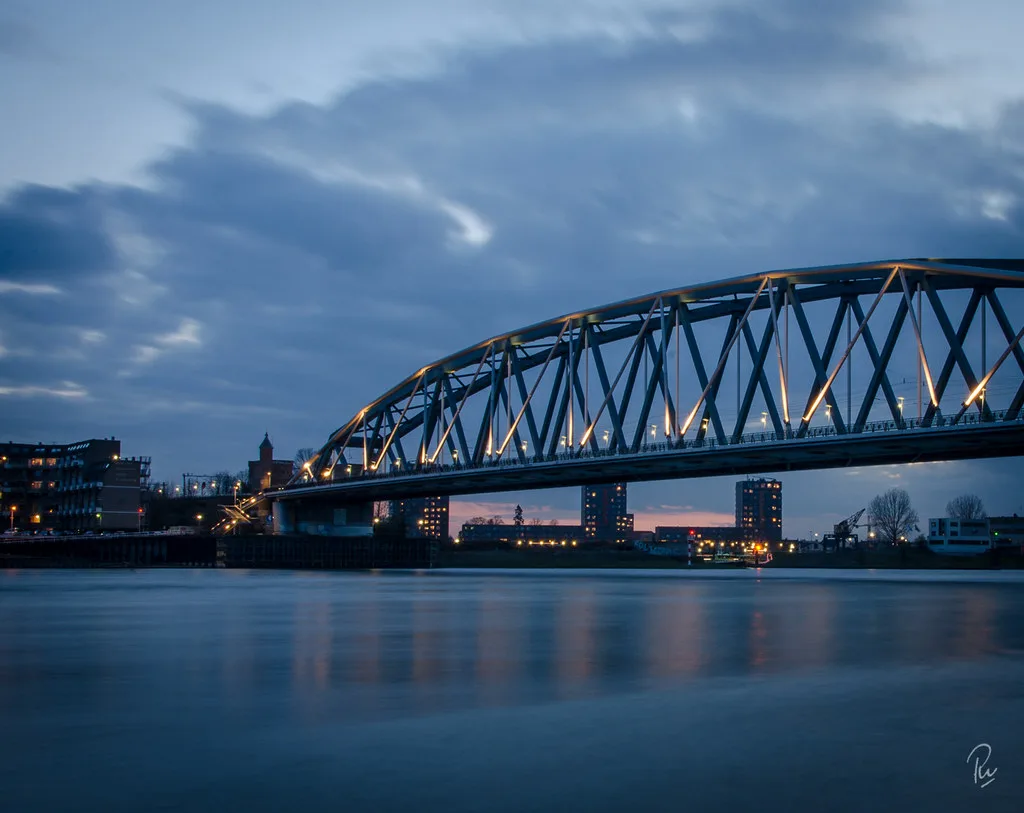
Think of the centre in two horizontal bands. The lower band is the Waal waterfront and the Waalkade, where the river traffic and open water set the scene; the upper band is the old town on higher ground, reached by streets that climb sharply from the riverside. Local guides describe the old downtown as compact enough that every place in it is reachable within about 20 minutes, which makes the climb the main physical cost of the day rather than distance.
That two-level shape is why the centre is so easy on foot or by bike. You can walk the whole old core in a morning without a map if you keep the river behind you, and the steep sections are short enough that most people notice them only once. If you would rather cover more ground, arrange a Nijmegen bike rental or join a Nijmegen Walking Tour rather than trying to drive between sights. For the main named sights in one place, see Things to Do in Nijmegen.
Start at Museum De Bastei
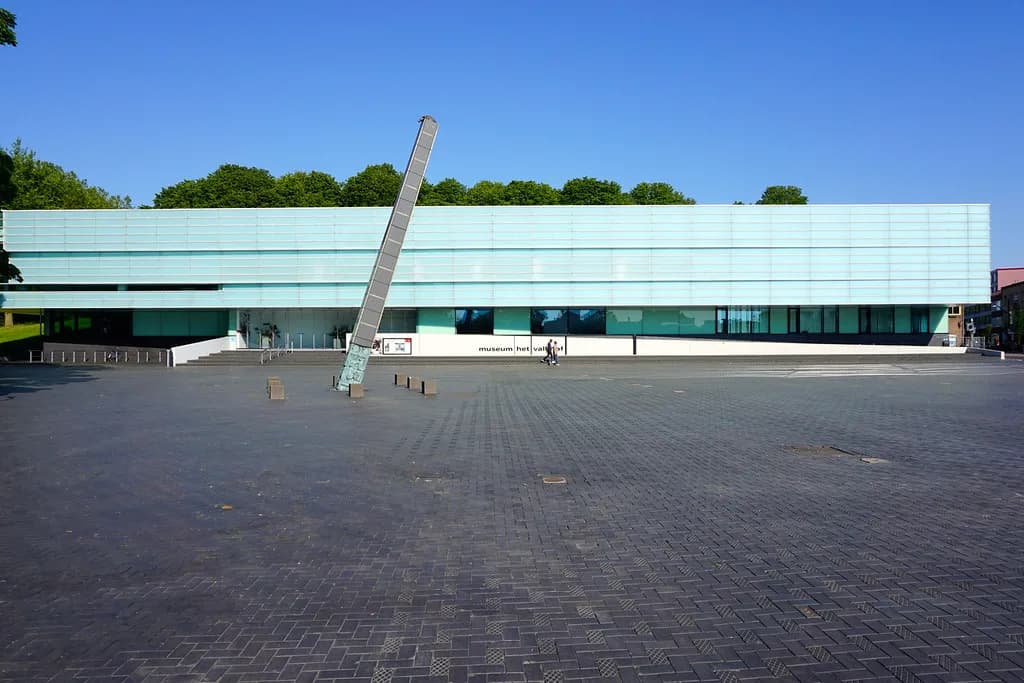
Museum De Bastei makes the natural first stop because it explains the ground you are about to walk on. Inside you find Roman wall remains, a fragment of Valkhof castle and remains of the Bastei itself, along with the casemates, cannon gallery and tower where the story of life in, on and around the river is told. There is also a section on the flora and fauna of the Geldrian river area, which makes the museum broader than a pure history stop.
Give it an hour if you like layered history, and skip it if Roman masonry and river ecology leave you cold, since the rest of the route through the Valkhof Quarter and the squares is outdoors. De Bastei is a museum with its own admission arrangements, so check its days and any ticket details directly with the museum before you set out.
The Valkhof Quarter walk
Step out of De Bastei and the Valkhofkwartier keeps you moving through the same story in the open air. The quarter bundles Roman times, the Middle Ages and the Second World War into one short loop of streets, so you can read the city's layers in sequence without entering another building. Walk it slowly: the point is the contrast between old fabric and postwar rebuilding, not a single monument.
St Stevenskerk and the St Stevenstoren
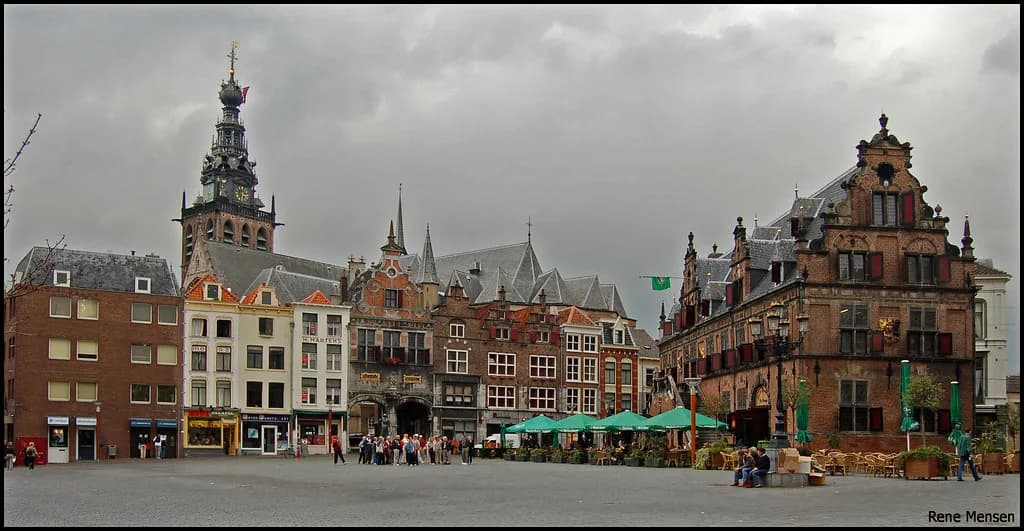
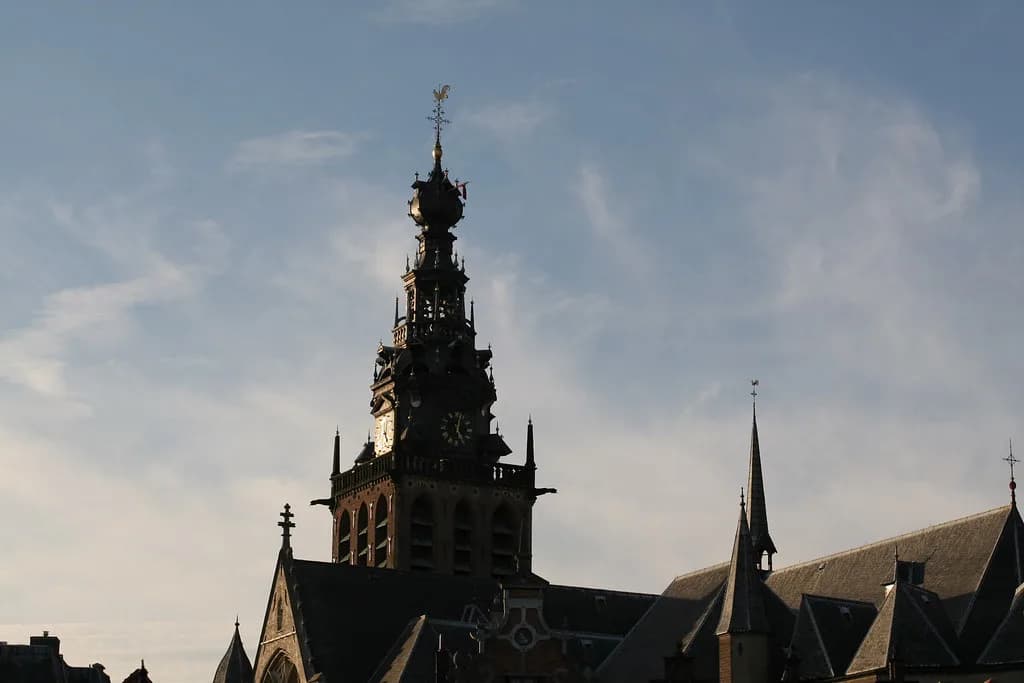
St Stevenskerk carries the story Nijmegen residents hold dearest, and since the post-war restoration of the church and the rebuilding of the St Stevenstoren, the tower has become a symbol of the city. The church's narrative lives in the sculptures, stained-glass windows, tombstones, wall paintings, furniture and chandeliers rather than in labels alone. A guided tour is offered here on some occasions, so ask at the church or check its visitor information if you want one.
Look up before you move on: the St Stevenstoren is the visual anchor for the rest of your walk, so note where it sits before you head to the square. The church is a working place of worship as well as a monument, so keep the visit quiet and check the posted information for tours on the day.
The Grote Markt, north side and south side
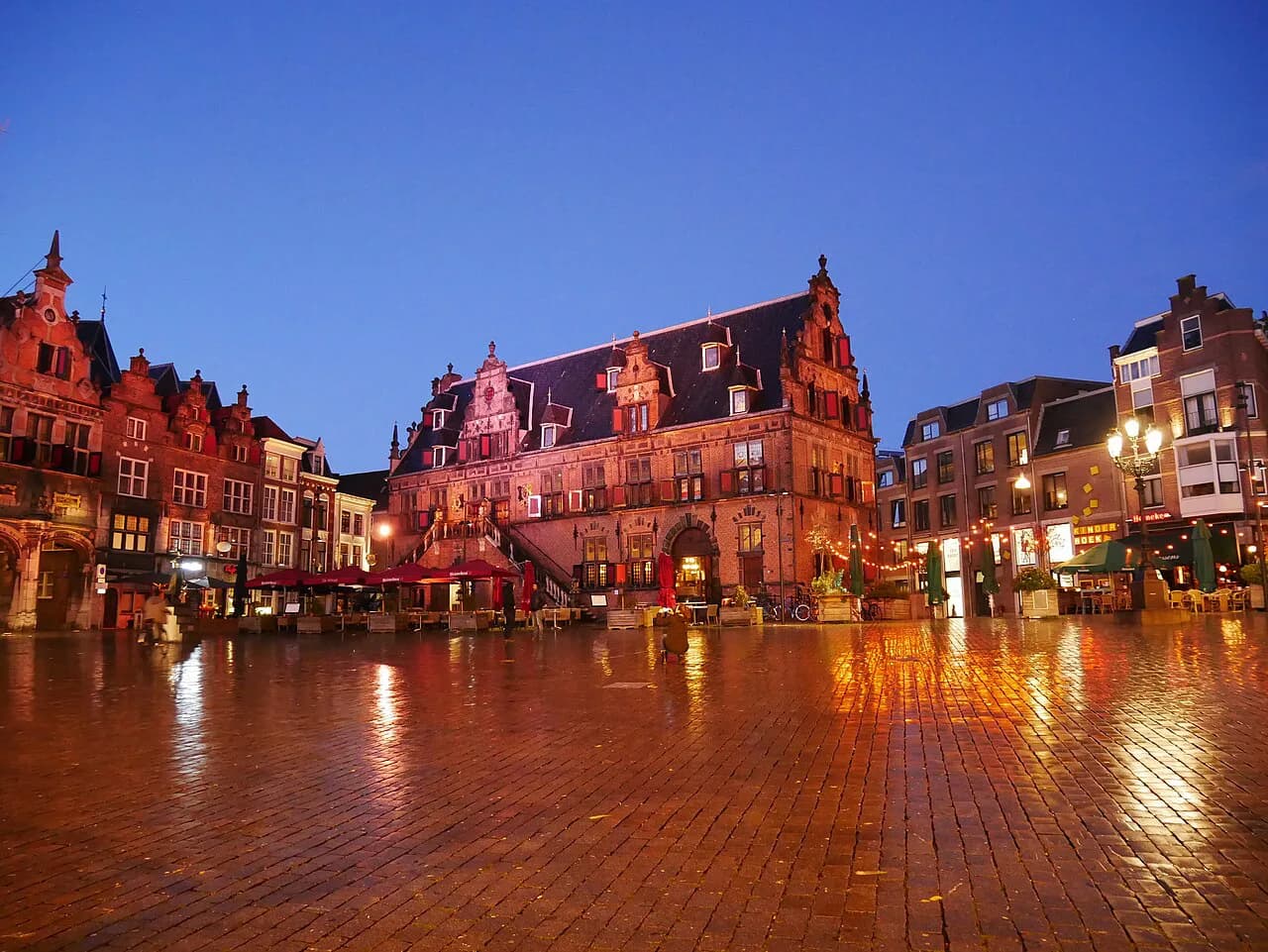
Walk from St Stevenskerk to the Grote Markt and look at the two sides of the square separately. The south side was severely hit by the bombardment of Nijmegen in the Second World War, while the north side survived largely intact, so the square reads as a before-and-after in a single view. That contrast is the most direct way to understand what the war did to the centre.
On the square, the sculpture of Mariken van Nieumeghen shows her contemplating her sins, separated from Moenen, and the nearby alley takes its name, Vijfringengas, from the rings she wore as penance. Look for both while you are standing there, because they are easy to pass without noticing. The Grote Markt is also the obvious place to sit down for a drink before the next leg.
The Lange Hezelstraat and shopping
The Lange Hezelstraat is presented as the oldest shopping street in the Netherlands, a claim attached to the city's own promotion of the street rather than an independent verdict. It works best as a slow amble on the way back through the centre, with the historic frontages doing as much of the work as the shops themselves. For a wider look at the city's retail streets, see this guide to shopping in Nijmegen.
Timing matters more here than anywhere else on the route. Dutch shops commonly open late on Monday morning, so treat a Monday visit to the Lange Hezelstraat as a browse rather than a buying trip and plan the shopping streets for a later day if retail is part of the plan.
A half-day route with walking times
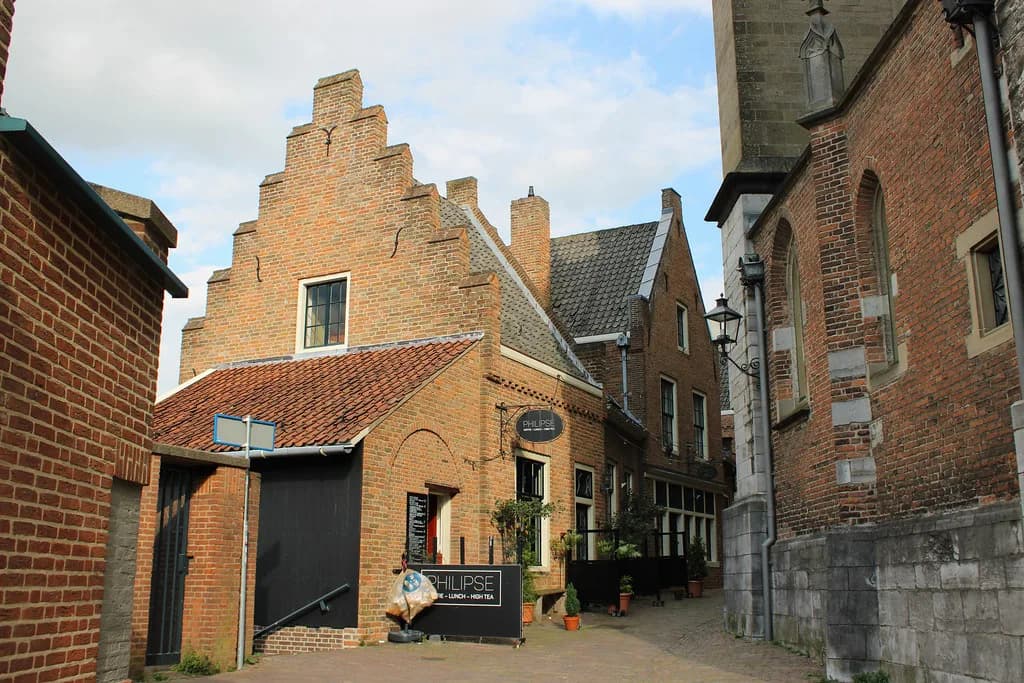
Build the half day like this: coffee first, De Bastei at about 11.00, the Valkhof Quarter straight after, lunch, then St Stevenskerk around 15.00 and the Grote Markt for a drink at 16.00. The legs are short walks within the compact centre, so a relaxed pace still fits. Start with coffee at Philipse Koffie & Brocante, which occupies one of the authentic canon houses once inhabited by secular canons and serves on bric-a-brac crockery.
For lunch, the honest trade-off is whether you want to cross the river. Café de Zon lies on Nijmegen's island in Lent, has operated since 1912 and is one of the oldest cafés there, which makes it a destination in its own right but adds a river crossing each way. Stay on the south bank if time is tight, and head across if you want the river in the middle of your day.
Filling a full day: Hunnerberg and the Besiendershuis
To stretch the half day into a full one, add the Hunnerberg walking route in the afternoon and finish at the Besiendershuis. Both appear as the second-day content in Nijmegen's own historic 48-hour itinerary, which is a sensible signal that they sit outside the tightest part of the old core. The Hunnerberg route gets you out of the busiest streets; the Besiendershuis brings you back to a single historic building to close the day. If you are here across a weekend, check what Nijmegen events are running before you fix the order.
When to go and which day
Pick a weekday for the museums and a weekend for atmosphere, and accept that you cannot have both at once. Monday is the weakest day for shops because of the late-morning opening, so pair a Monday with the outdoor route and the churches instead. Beyond that, check each museum's own published days and any timed-ticket requirement for the date you want, since these change through the year.
Where the centre stops being the centre
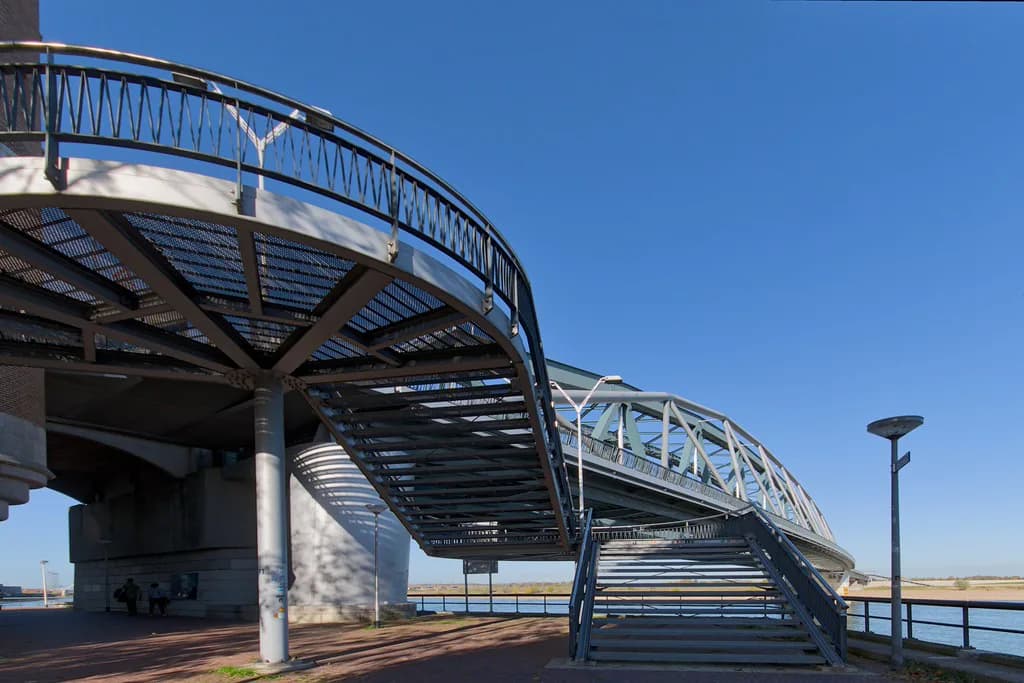
The Waal is the natural edge of the old town, and crossing to Lent is worth it when you want the river as an experience rather than a backdrop. Café de Zon gives the crossing a purpose, and the waterfront view back at the centre is the reward. If you would rather stay on the water, look at the options for a Nijmegen boat tour instead of walking the bridge.
Half a day or a full one?
Choose the half day if you want De Bastei, the Valkhof Quarter, St Stevenskerk and the Grote Markt with a coffee and a lunch stop, and stop there. Choose the full day if the Hunnerberg route and the Besiendershuis appeal, or if you want the river crossing to Lent as part of the plan. Arriving from the UK? Sort your route with this guide to London to Nijmegen before you book anything else.
Explore more Nijmegen guides
Frequently Asked Questions
In which country is Nijmegen located?
Nijmegen is in the Netherlands, in the province of Gelderland, on the south bank of the Waal river. It is one of the country's older cities, with a Roman and medieval history that still shapes its centre.
What happened at Nijmegen in the Second World War?
Nijmegen was bombarded in the Second World War, and the damage is still legible in the city centre. On the Grote Markt the south side was severely hit while the north side survived largely intact, so the square itself is the clearest place to see the wartime contrast; St Stevenskerk and the St Stevenstoren were restored and rebuilt after the war.
Sources
Notes for your next Dutch city break
Optional updates to our Netherlands guides.
You might also like
Continue reading
More guides you'll find useful