London to Nijmegen: Train, Ferry and Flight Options
Compare the realistic ways to reach Nijmegen from London, from Eurostar plus a Dutch connection to ferries and flights, and which suits a short city break.
On this page
For a short break, the simplest way from London to Nijmegen is rail: a Eurostar crossing to Amsterdam or Rotterdam followed by a Dutch domestic train east. Nijmegen lies beyond Utrecht near the German border, so every option ends with that final leg, and a flight or ferry simply moves the change of mode rather than removing it. This page compares rail, ferry and air on total door-to-door time and effort, then explains how each affects a one- to four-day visit.
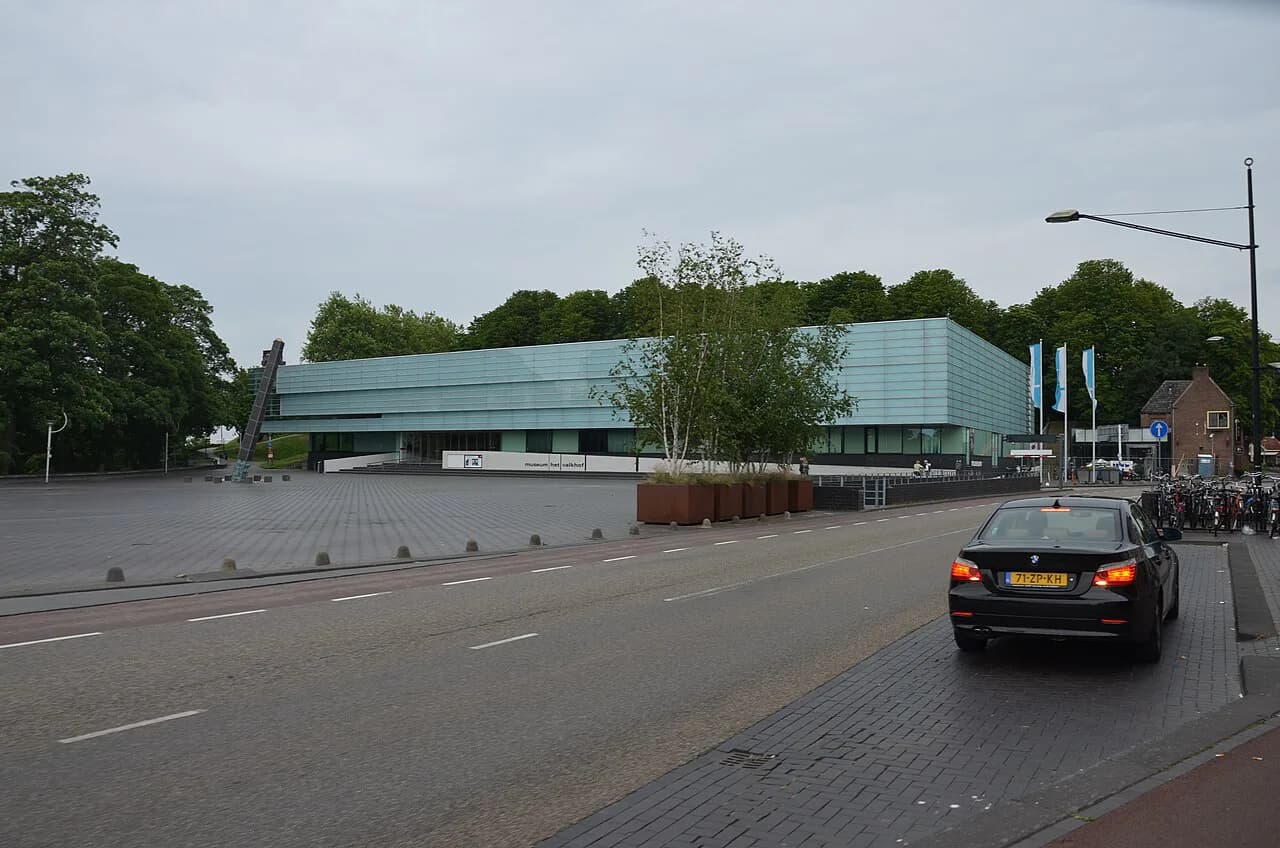
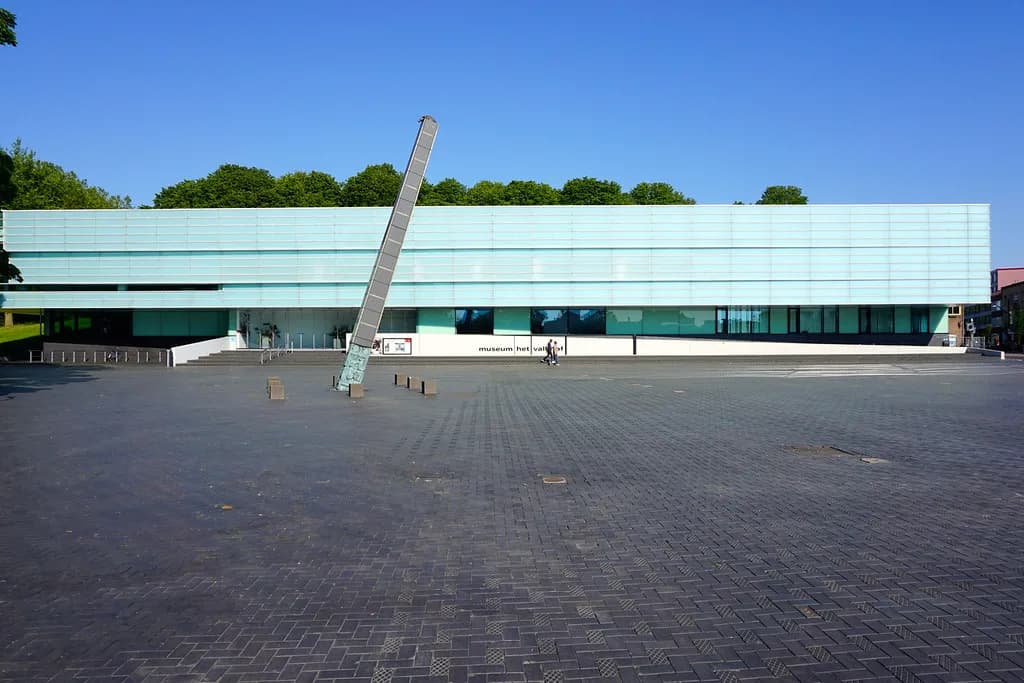
The city rewards the extra effort: a compact centre on the Waal, the Valkhof Museum and Museum De Bastei among its museums, and the green hills of the Betuwe and the Rijk van Nijmegen within cycling range. Arriving by train suits a city break where the walking starts the moment you step off; arriving by car opens up the countryside around the city.
Why Nijmegen needs a connecting leg
Nijmegen is the largest city in the eastern Netherlands and sits close to the German border, well east of Utrecht and Rotterdam. That geography means London–Nijmegen is never a single hop: you cross to the Netherlands first, then continue by train or car. Timing your trip is therefore about the connection, not the headline crossing.
One practical consequence: treat the Dutch domestic leg as part of the same plan rather than leaving it loose. Booking through from London to Nijmegen on a single ticket is generally the cleaner arrangement, whereas a separately bought local ticket leaves you absorbing the cost of a missed connection. Compare total journey time, not just the London–Amsterdam portion.
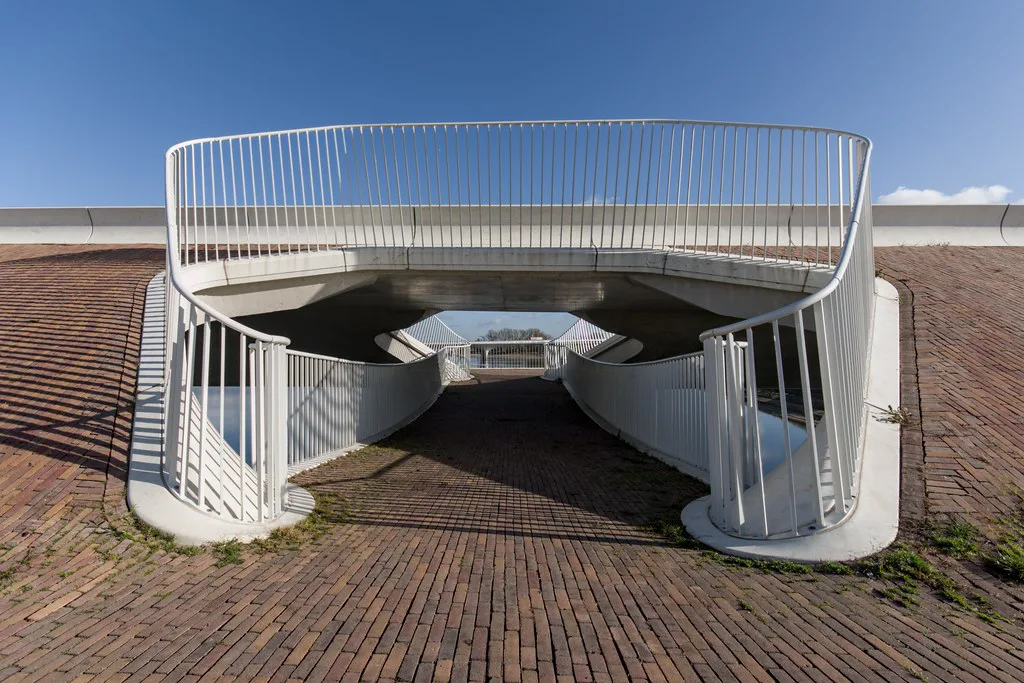
By rail: Eurostar plus a Dutch train
Eurostar runs from London St Pancras to Amsterdam and Rotterdam, and both give you a straightforward onward connection into the Dutch network towards Nijmegen. Rotterdam requires a change at Utrecht or Arnhem; Amsterdam Centraal is a simple change onto an intercity heading east. Either way, treat the Dutch leg as a normal domestic journey booked alongside the international one.
Rail is the option that puts you in the Nijmegen city centre without a car, which suits a one- to three-day break where you plan to walk and cycle. It is also the least weather-dependent and the easiest to combine with an evening arrival. The trade-off is a fixed departure and a longer seated day than a short flight.
By ferry: crossing with a car or on foot
Ferry crossings from the east coast of England to the Netherlands make most sense if you want a car at the far end. Driving gives you the Betuwe fruit country, the hills around Groesbeek and the Waal bridges without relying on Dutch timetables, and it turns Nijmegen into a base rather than a single stop. An overnight sailing can also save a hotel night.
On foot or by bike, the ferry route adds a transfer to a station and a domestic train, so it rarely beats rail on total time. It can still appeal for a longer trip where the crossing is part of the holiday. Check sailing times, ports and whether foot passengers are carried on your chosen date before committing.
By air: flights and the onward transfer
Flying from London still leaves you with a second leg, because Nijmegen has no airport of its own. The realistic pattern is a flight into the Netherlands and then a train east to Nijmegen. The arrival airport is not in the city, so the flight only replaces the crossing, not the onward rail journey.
The rail leg onward to Nijmegen is a normal Dutch domestic journey, so the transfer is not the hard part. Compare the cost and time of getting to a London airport against the simplicity of St Pancras. For a short break, a flight only wins if the fare is unusually low and the airport transfer is short.
Door-to-door time and what it does to a short break
Every option eats into a short trip differently. Rail gives one long travel day but no transfers to airports; a flight splits the day between airport, flight and train; a ferry with a car spreads the journey across an overnight or a full day of driving. For a two-night break, rail usually leaves the most usable time in Nijmegen.
Treat arrival day and departure day as half-days. If you fly, the airport buffer means an early start and a late return; if you take the train, you can leave London in the morning and still walk the Waal quays in the evening. A car gives flexibility but adds parking and the drive back to the port.
Which option suits which trip
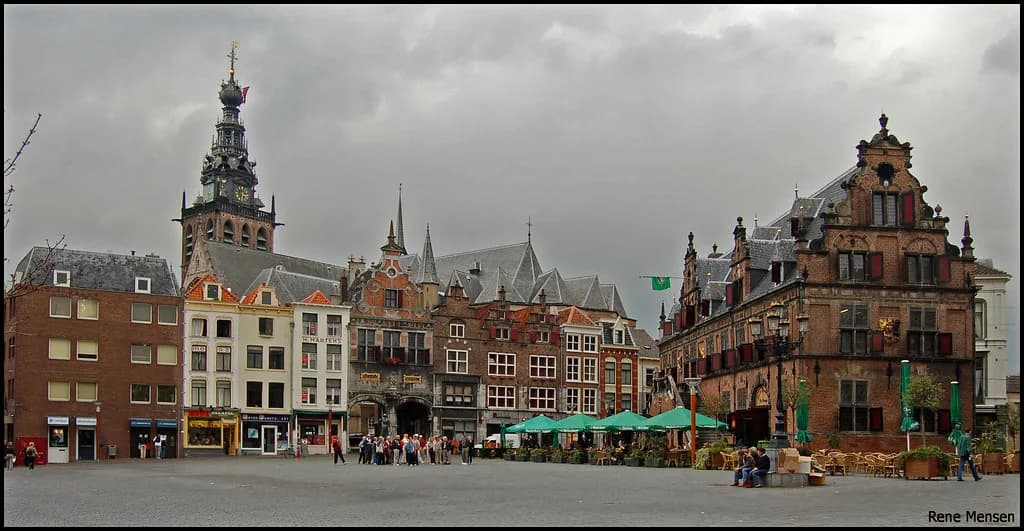
A weekend or three-day city break is best by rail: you arrive in the centre, walk or hire a bike, and leave without a car to park. This is the plan if you want the Grote Markt, the museum quarter and a Waal-side walk rather than countryside; see Things to Do in Nijmegen for what fills the days. Don't over-schedule the first evening.
A four-day trip with excursions into the hills around Groesbeek or along the Waal favours a car, so a ferry crossing pays off. Flying suits anyone already near a London airport or combining Nijmegen with another Dutch city. If you are still weighing up whether the city merits the journey, the guide to whether Nijmegen is worth visiting explains what fills the days.
Is a stopover on another route worth it?
Comparing a return trip with a multi-stop trip, a night in Amsterdam or Rotterdam on the way adds hotel cost and a second transfer without shortening the total journey. It can make sense if you want to see two cities, but it dilutes a short Nijmegen break. For most London travellers, go direct and spend the saved night in Nijmegen.
Because Nijmegen sits near Germany, some travellers combine it with a German border town. That requires a car or additional trains and belongs to a longer trip, not a three-day break. Keep the first plan simple, then add a stopover only if you have the extra days.
Which route should you book?
Book rail if you have three days or fewer and want to walk straight into Nijmegen city centre; a Eurostar crossing with a Dutch connection booked as one plan is the cleanest option. Choose a ferry with a car if you plan to explore the Betuwe and the hills around the city, or if an overnight crossing saves you a hotel night. Treat flights as the fallback when the fare is low and the airport is convenient.
Once the transport is fixed, plan the days around opening times and event dates rather than the other way round. The city's event calendar and museum listings are the practical starting points, and a walking tour or a market visit slots easily into a short break.
Explore more Nijmegen guides
Frequently Asked Questions
Do you need a car in Nijmegen?
No. The centre is compact and walkable, and the Waal bridges and river park are close to the middle, so a short break works well on foot or by hired bike. A car only becomes useful if you want the countryside around Groesbeek and the Betuwe, where a ferry crossing with your own vehicle gives the most flexibility.
Is one day in Nijmegen enough?
One day covers a first walk through the centre, the Waal quays and one museum, but leaves no room for the hills or a slower riverside afternoon. Two to three days gives a more comfortable pace, and four days lets you add the surrounding landscape without rushing the city itself.
Sources
Notes for your next Dutch city break
Optional updates to our Netherlands guides.
You might also like
Continue reading
More guides you'll find useful