Museums in Nijmegen: Which Ones Are Worth Your Time
Plan your museum time in Nijmegen: what the Valkhof Museum, De Bastei, muZIEum and Infocentre WW2 hold, how long to allow and why Monday closures matter.
On this page
Two museums and one church fill a comfortable day in Nijmegen, and three museums is the realistic ceiling if you also want the Waalkade and the Stevenskerk. The city's strength is range: Roman finds and modern art under one roof at the Valkhof Museum, the Waal's natural history at Museum De Bastei, and the wartime story at the Infocentre WW2. This guide covers what each museum holds, how long to allow, and where the free galleries fit around them.
Why Nijmegen suits museum-goers on a short break
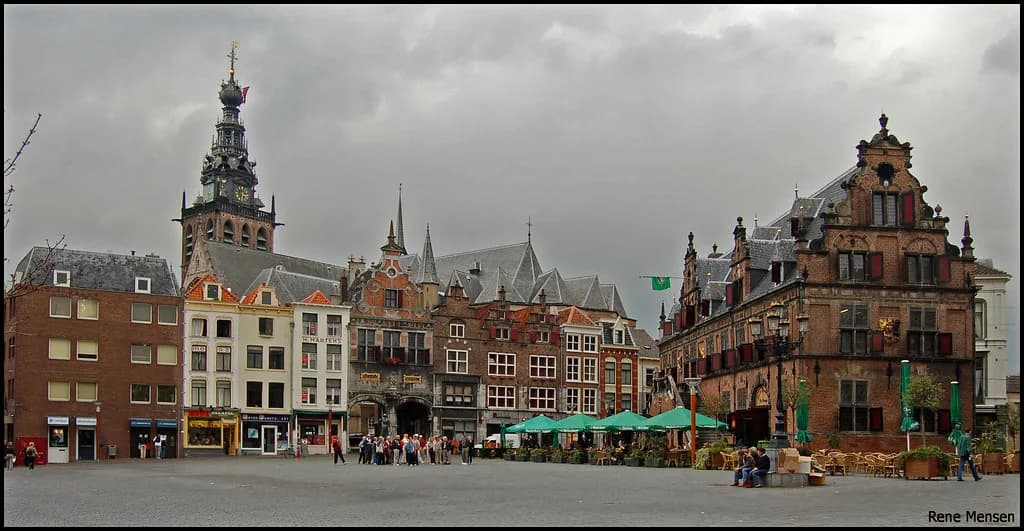
Few Dutch cities outside Amsterdam concentrate so much history in a walkable core. Nijmegen was a Roman legionary base, a river crossing on the Waal, and a front-line city in the Second World War, and its museums take each of those in turn. Because the main venues sit close to the centre, you can move between them on foot rather than losing an afternoon to transport.
The trade-off is scale. These are regional museums, not national blockbusters, so a single venue rarely eats a whole day. That suits a one- to three-day break: you can pair a museum morning with a walk along the Waalkade or a climb of the Stevenskerk tower in the afternoon. If you want the deepest dive, give the Valkhof Museum a full morning and slot the smaller collections around it.
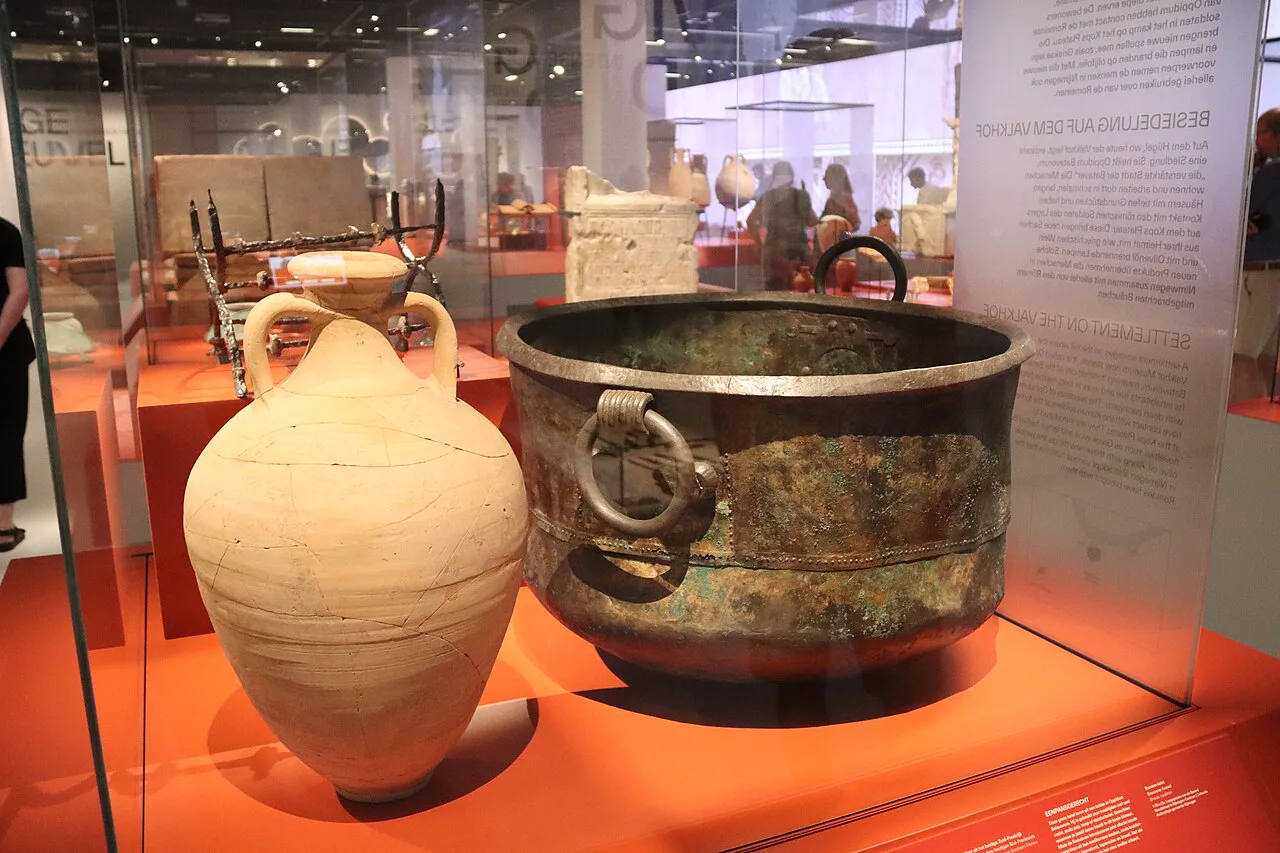
The Monday problem and how to sequence your week
Dutch museums commonly close on Mondays, so build your itinerary around that rather than against it. The Infocentre WW2 Nijmegen publishes Monday-to-Saturday hours of 10.00 to 17.00 and Sunday and public-holiday hours of 12.00 to 17.00. It cancels individual days for private events, so it is worth a quick look at the site before you set out.
For the other museums, check the day before rather than assuming. Weekend days are the safest bet for the Valkhof Museum, Museum De Bastei and the muZIEum, and Saturdays let you combine a museum with the centre's galleries. A useful pattern is a museum on Saturday, the Stevenskerk and walking on Sunday, and the Infocentre WW2 on Monday before you leave.
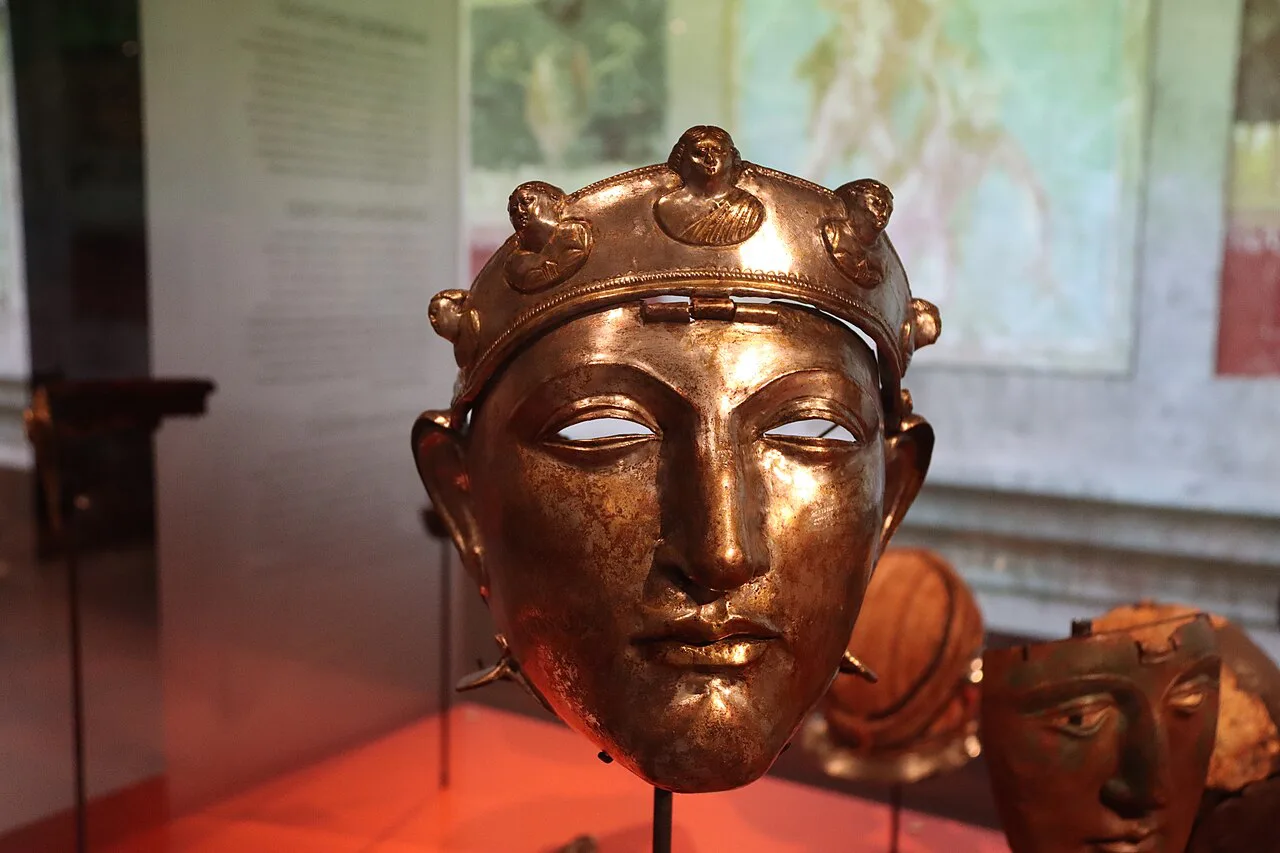
Valkhof Museum: Roman Nijmegen and modern art together
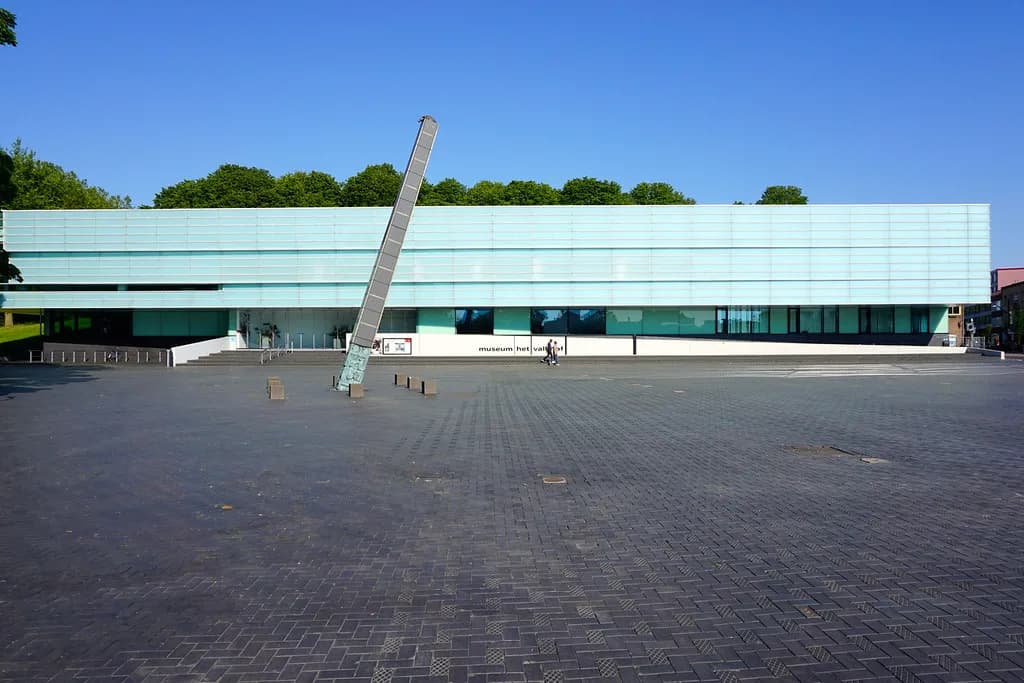
The Valkhof Museum is the city's flagship and the one to prioritise. Its collection pairs archaeology from Nijmegen's Roman period with modern and contemporary art. Allow two to three hours if you read the labels, or ninety minutes for a brisk circuit.
The Roman material links directly to the streets outside: the museum makes sense of the fragments of the city's Roman past that you will spot elsewhere in Nijmegen. Pair it with a walk through the old centre for a half-day on the city's oldest layers. The collection pairs archaeology with art rather than setting them apart, so you do not need to choose between the two halves.
Museum De Bastei: the underground past and the Waal story
Museum De Bastei takes the river as its subject and turns the visit into a descent through the city's subterranean past. You walk hidden corridors and stairs to reach displays on nature and culture in the Gelderland river region, with the Waal as the constant thread. Set aside around ninety minutes; the site suits families and anyone who prefers natural history to fine art.
Its position near the Waalkade makes it a natural partner for a riverbank walk. Do it after the Valkhof if you have the stamina, or choose it instead if archaeology leaves you cold. The underground sections are the reason to come, so don't rush the lower levels to reach the exit.
muZIEum: the darkness experiences and the outdoor walk
The muZIEum is Nijmegen's most unusual museum and worth a slot on that basis alone. It puts you in the position of someone who is blind or visually impaired through two darkness experiences, letting you feel the city without seeing it. A hands-on expert can tell you what it is like, and the formats are guided rather than walk-through displays.
There is also an outdoor experience: a guided tour through the Nijmegen city centre that continues the theme after you leave the building. That walk is a good way to combine a museum with sightseeing, particularly if the weather holds. Because the formats are guided, it is worth checking start times before you go.
Infocentre WW2 Nijmegen: the Experience and the walks
The Infocentre WW2 Nijmegen on Ridderstraat is both a museum and a starting point for exploring the wartime heritage of the region. Its Experience introduces what the Second World War meant for Nijmegen and the surrounding area, and the centre also arranges historical city walks, battlefield bicycle tours and group programmes. Treat it as the orientation stop before you visit memorial sites outside the centre.
The Infocentre keeps some of the longest museum hours here, with Monday-to-Saturday opening through the day and shorter Sunday and holiday hours. Check the site before travelling, since private events can shorten or cancel a day. Allow time for the Experience and longer if you join a walk.
Stevenskerk: the late-Gothic church in the historic centre
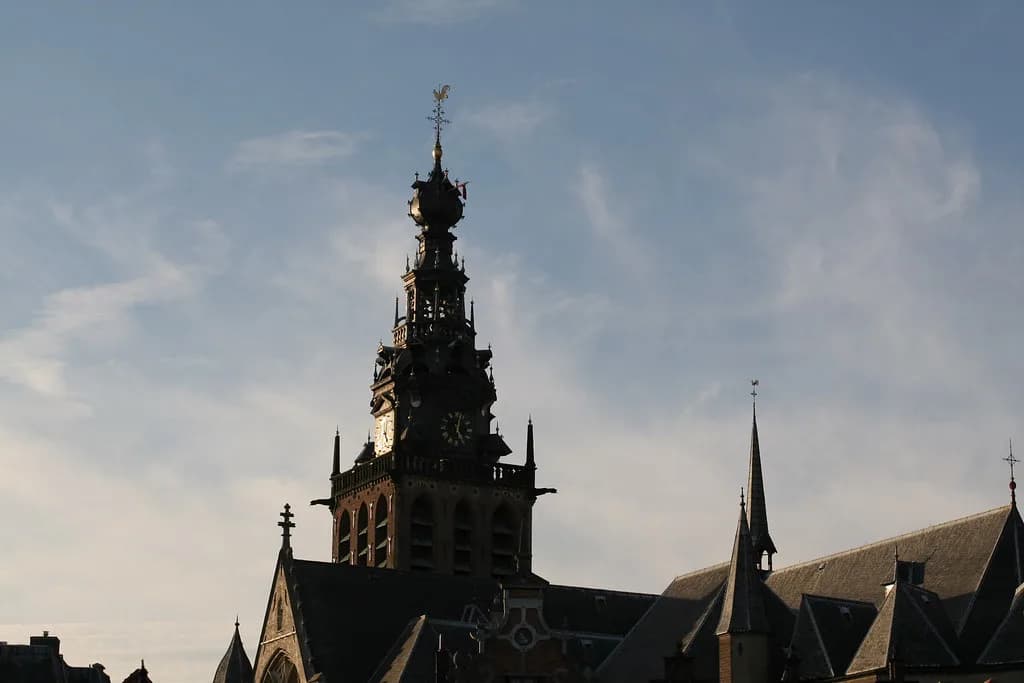
St Stephen's Church, the Stevenskerk, is a late-Gothic building at the heart of the historic centre. It belongs on your list even on a museum-light day: the building itself and its position in the old centre reward a short visit. Allow forty-five minutes to an hour.
For the building's architecture and its place among Dutch churches, our Nijmegen cathedral guide covers the fabric and the tower in more detail. If you are counting towers on your trip, this is the one in Nijmegen to compare with the Martinitoren in Groningen.
Smaller and niche museums worth a look
Beyond the headline venues, Nijmegen has a cluster of small museums that suit an hour each. Into Nijmegen lists the Van 't Lindenhoutmuseum, the Huis van de Nijmeegse Geschiedenis and Fietsmuseum Velorama among the city's museums. The Fietsmuseum is the pick for cyclists, and the Huis van de Nijmeegse Geschiedenis covers the city's own story.
Brewery de Hemel runs as a working brewery museum, welcoming individual visitors and small groups with captions and photographs explaining the process. Check opening days directly, since small venues vary more than the big ones.
Art galleries in the centre
Nijmegen's commercial galleries make excellent fillers between museum slots. Galerie Marzee shows contemporary jewellery in 850 square metres of exhibition space, which Into Nijmegen describes as the largest gallery for contemporary jewellery art in the world. Galerie Zeven Zomers downtown offers contemporary art in a quieter setting, and Galerie Bart promotes artists who have graduated in the Netherlands.
Allow thirty to forty-five minutes for a gallery, and check its own opening days rather than assuming it follows museum hours. Pair Marzee with a wander through the streets around it, where several of these spaces sit. Our Nijmegen art guide maps the rest of the circuit.
Museums outside the city
Several strong museums sit beyond the centre and need a bus, bike or car. The Freedom Museum in Groesbeek, in the green and hilly landscape south of the city, is the obvious partner to the Infocentre WW2 and covers the wartime story at a regional scale. Kasteel Doornenburg and Hernen Castle add medieval fortifications, and Museumpark Heilig Land Stichting Orientalis combines buildings and interiors from the early twentieth century.
Treat an outside-the-city museum as a half-day on its own rather than squeezing it between city venues. Cycling is a draw in itself around Nijmegen, so a bike to Groesbeek or Doornenburg combines transport with the landscape. Build in more time than the map suggests, and check opening days before you set out.
Fitting two or three museums into one day
The realistic shape of a museum day in Nijmegen is one substantial venue in the morning, a second after lunch, and a church or gallery late afternoon. The Valkhof Museum plus Museum De Bastei works because both sit close to the centre and the river, with a Waalkade walk between them. Add the Stevenskerk only if you have kept your museum visits tight.
If you prefer immersive formats, swap De Bastei for the muZIEum, whose guided formats run to set start times. Leave the Infocentre WW2 for a separate slot, ideally Monday, since its published hours ease the sequencing. Trying to add a Groesbeek museum on the same day overloads the itinerary.
Ticket prices, Museumkaart and what to sort beforehand
Ticket prices are set by each museum and the listings here give none, so look up the museum's own website before you travel for prices in euros. Do the same for opening days, entry conditions and whether a Museumkaart is accepted.
The same practical pattern applies across Dutch cities, so the habits you build here carry over. Decide which two or three venues matter most and fix those first, then leave the galleries and the church flexible.
Which museums to pick on your first visit
On a first visit, book the Valkhof Museum and Museum De Bastei, add the Stevenskerk for the building and the tower, and use the Infocentre WW2 for a Monday. The muZIEum is the pick if you want something participatory, and the galleries fill the gaps between fixed slots. For a rainy day, the Valkhof plus the Infocentre covers both the Roman and wartime stories without leaving the centre.
If you have a third day, take the Freedom Museum at Groesbeek and treat it as a half-day out rather than a quick add-on. Our Nijmegen Attractions guide covers the rest of the city's sights around these museums.
Explore more Nijmegen guides
Sources
Notes for your next Dutch city break
Optional updates to our Netherlands guides.
You might also like
Continue reading
More guides you'll find useful