Nijmegen History: Roman Roots, Valkhof and the 1944 Bombing
Nijmegen history for visitors: the Roman city, Charlemagne's Valkhof, the 1944 bombing and the surviving sights where you can still see each layer.
On this page
Nijmegen is worth a history-minded city break because four layers sit within a short walk of each other: a Roman riverside settlement, a Carolingian palace hill, a medieval trading town and a rebuilt wartime centre. The city's tourism board calls Nijmegen the oldest city in the Netherlands, tracing it to a Roman settlement at the Waal around 100 AD, and Britannica likewise describes it as the oldest town in the country. This guide takes each period in turn and names the spot where you can still see it, so you can build a walk of a few hours or spread the stops across two or three days.
Roman Nijmegen: a trading city on the Waal
Nijmegen is worth a history-minded city break because four layers sit within a short walk of each other: a Roman riverside settlement, a Carolingian palace hill, a medieval trading town and a rebuilt wartime centre. Nijmegen's tourism board calls Nijmegen the oldest city in the Netherlands, tracing it to a Roman settlement at the Waal around 100 AD, and Britannica likewise describes it as the oldest town in the country. This guide takes each period in turn and names the spot where you can still see it, so you can build a walk of a few hours or spread the stops across two or three days.
The clearest Roman ground is the Valkhof hill, where the Romans established the Oppidum Batavorum and where a military stronghold stood in the third and fourth centuries. That is also where the story turns violent: the Batavian rebel Julius Civilis set fire to the settlement around AD 70. Standing on the hill today, you are looking at the same strategic high point above the river rather than at excavated Roman streets, so treat it as a place to understand the layout rather than a ruin to inspect.
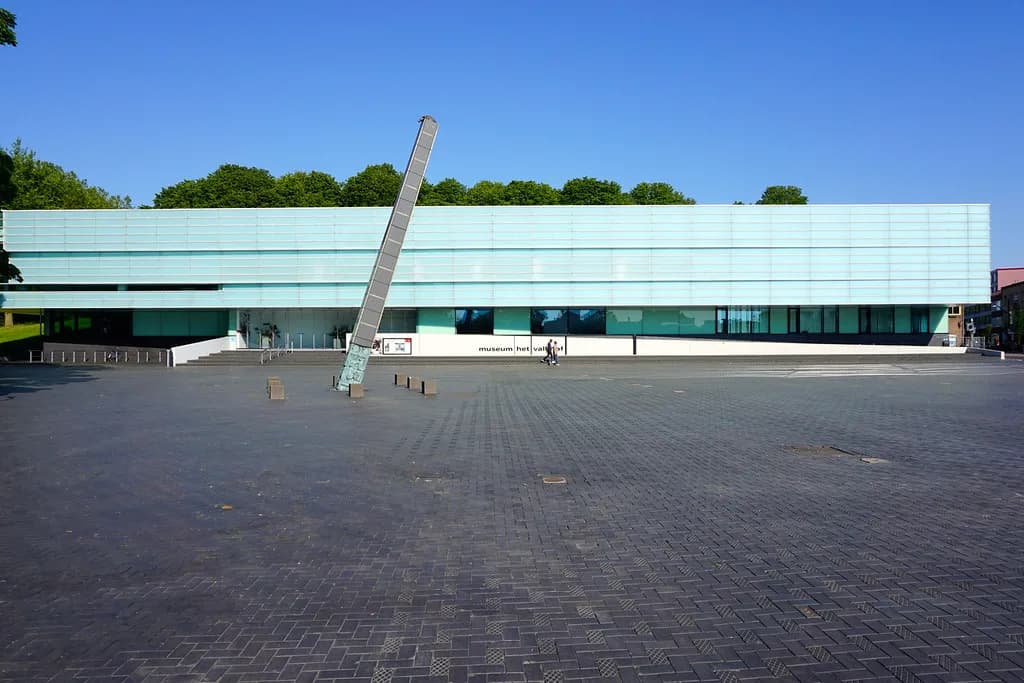
For the wider Roman story, museums in Nijmegen are the place to fill in what the streets no longer show, since the visible remains on the hill are limited. Plan the Valkhof hill first for orientation and a museum second for objects and context; the reverse order makes the hill feel thin.
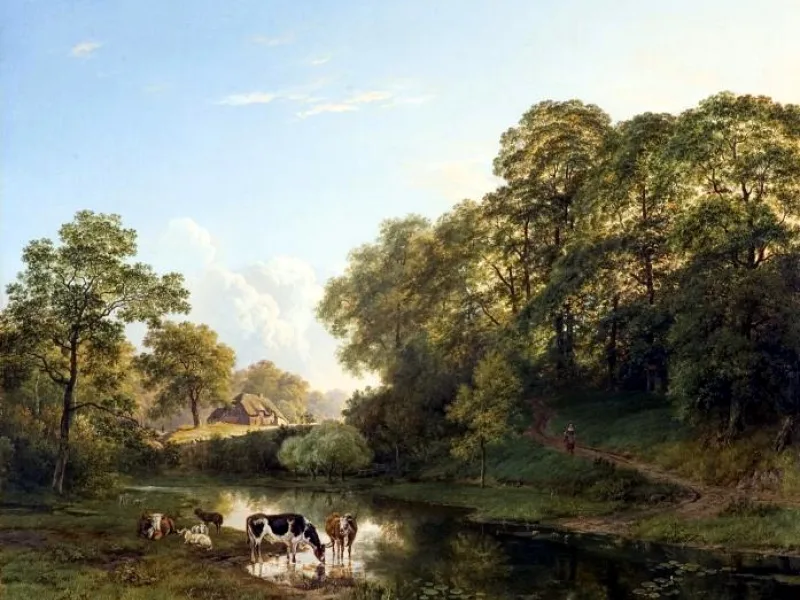
Charlemagne's Valkhof and the fortress that replaced it
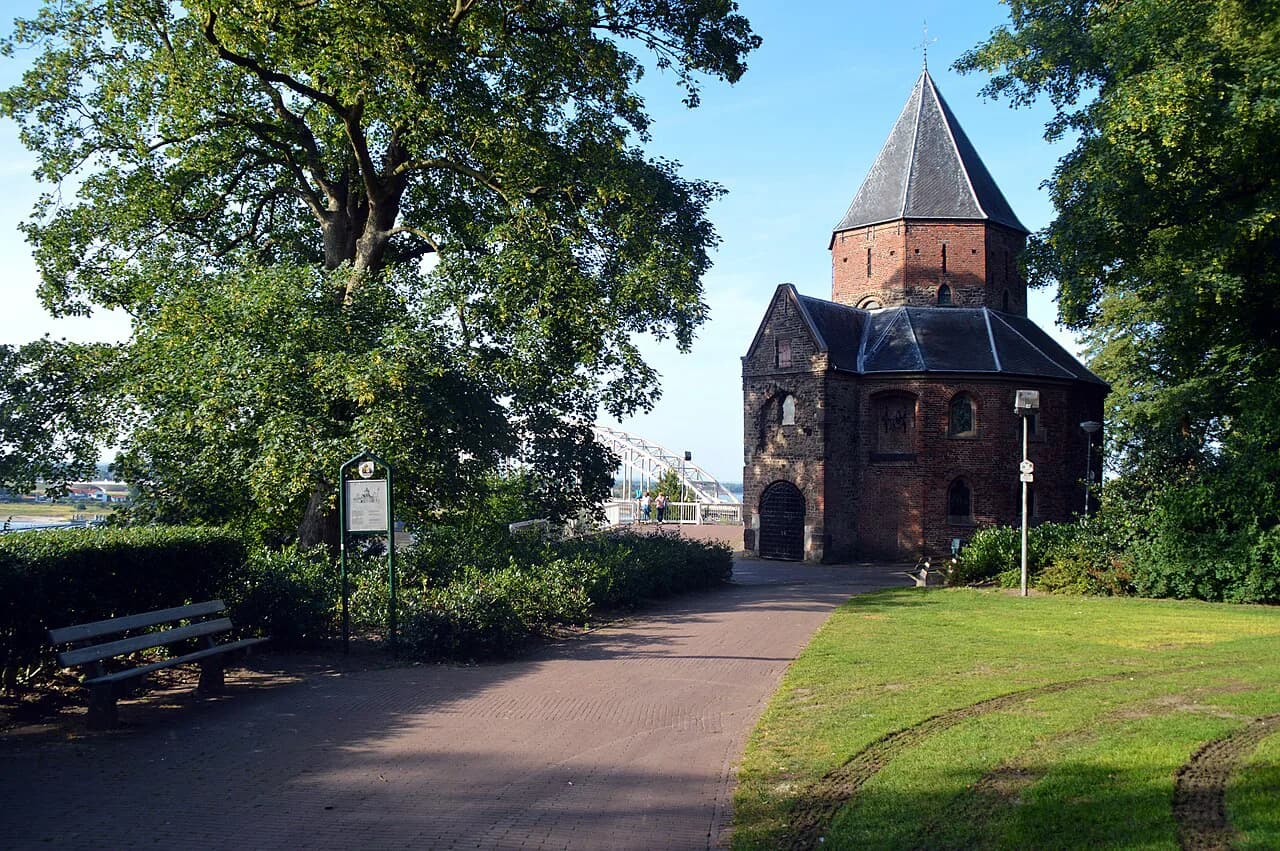
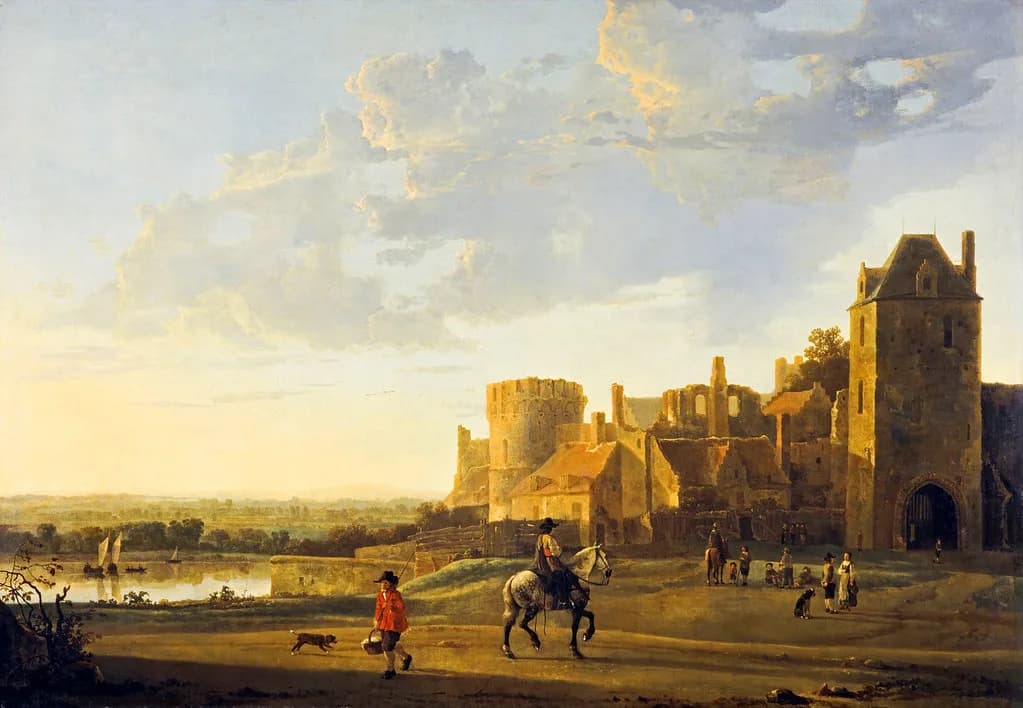
Charlemagne built a palace on the Valkhof in the final years of the eighth century, and it became one of his most important residences, which is why the hill carries more weight than its size suggests. Later Roman-German emperors used the site regularly, and Frederick Barbarossa converted it into a fortress in 1155. The fortress lasted for centuries until it was demolished in 1796, and local citizens then intervened to save the Valkhof chapel and the Barbarossa ruins from the same fate.
Those two survivors are the reason to climb the hill: the chapel and the Barbarossa ruins are the physical evidence of the imperial period, and they sit in a park that works as a breather between the busy centre and the Waalkade. Allow half an hour if you read the site and look over the river, longer if you are combining it with a museum. If you have only one day, this and the Stevenskerk are the two history stops not to cut.
The Valkhof hill itself is the natural follow-on for the imperial and Roman layers, and the way the rebuilt surroundings sit against the old ground is a subject in its own right for anyone interested in Nijmegen architecture.
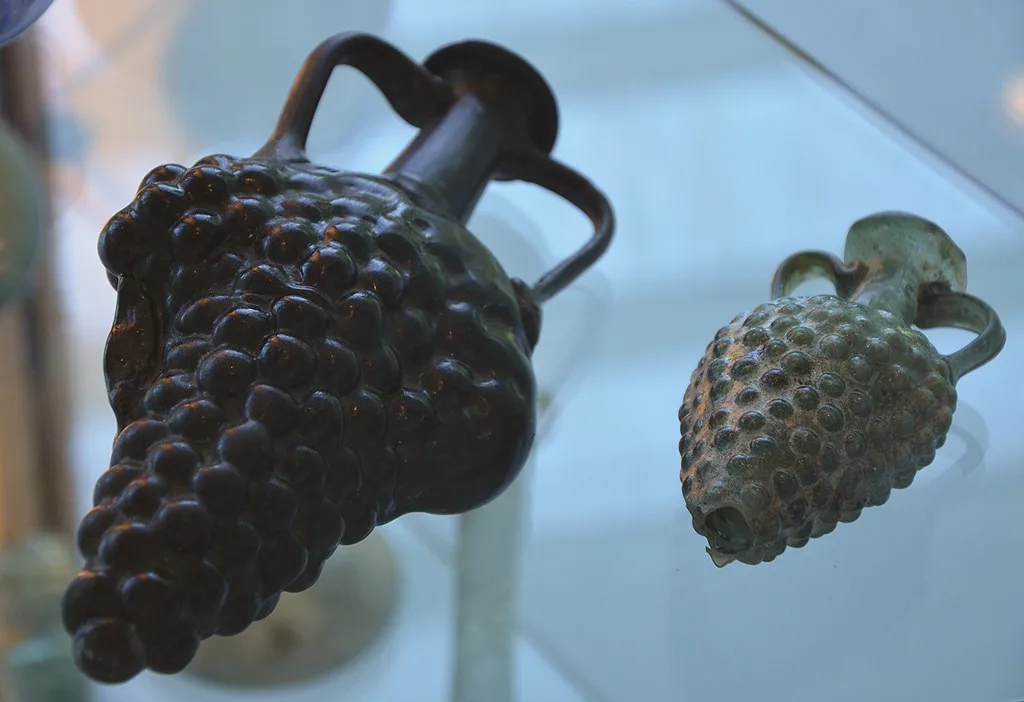
Free imperial city and Hanseatic trader
Nijmegen became a free imperial city in 1230, and that single fact explains the shape of the medieval centre better than any list of dates: imperial status meant the town answered to the emperor rather than to a local lord. The Waal gave it the trade that paid for the town, and the wealth shows in market squares, weighing houses and merchant buildings rather than in grand civic palaces. Look for those commercial buildings when you walk the centre, because trade, not court life, built this part of Nijmegen.
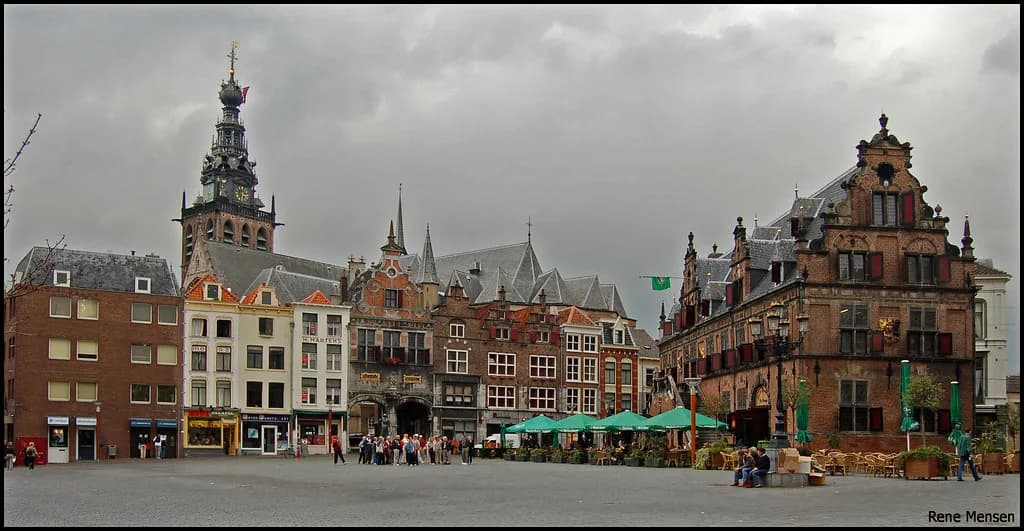
The Grote Markt is the obvious place to start, with the 1612 Waaggebouw as the building that shows the trading economy in stone: it was built as a weighing house where merchants had to have their goods weighed. The historic centre around it is compact and pleasant to wander, and the shopping streets are woven through the same blocks, so a history walk here doubles as a look at the modern city.
22 February 1944 and how to read the Grote Markt
On 22 February 1944 a large part of Nijmegen's inner city was destroyed by Allied bombing, and that single date explains why the centre looks younger than its history suggests. The most useful way to see it is to stand on the Grote Markt and turn: facing the Waaggebouw you get the older building stock, and with your back to it you get the post-war reconstruction. That contrast is the clearest free lesson in twentieth-century Nijmegen, and it takes two minutes.
Once you have seen the split, the rebuilt streets become easier to read: the widths, the rooflines and the shopfronts stop looking like a generic Dutch centre and start looking like a decision made under pressure. If you want to take that further, the city's post-war rebuilding is a good lens for the architecture around the centre.
St Stephen's Church (Stevenskerk)
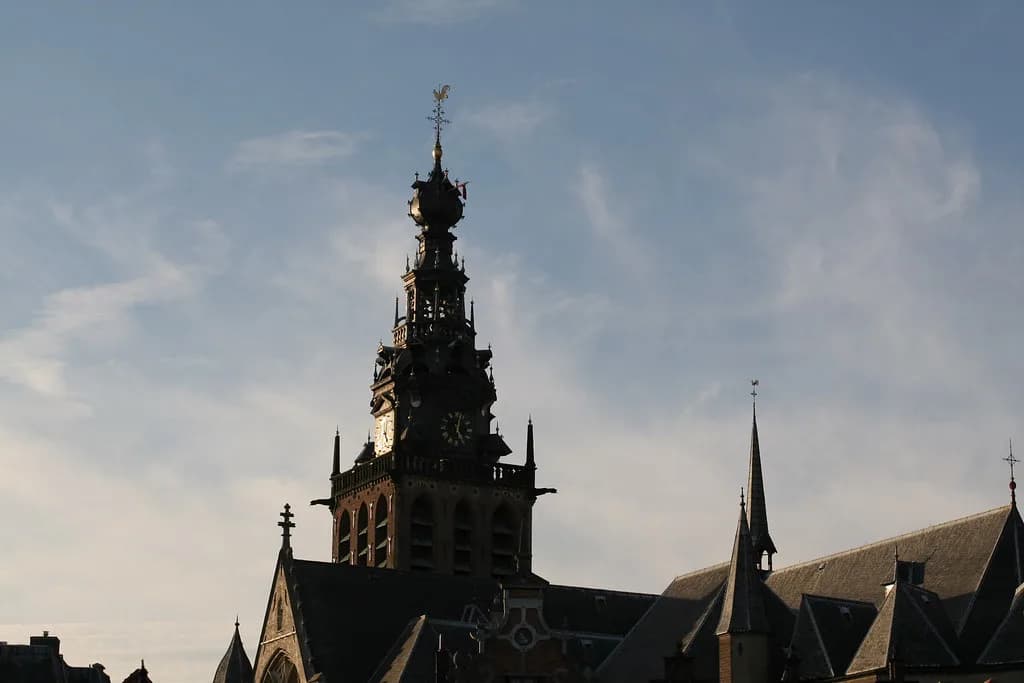
The Stevenskerk is the late Gothic church in the heart of the historic centre, and it is the one interior in Nijmegen that rewards a proper stop rather than a glance. Inside, the stained glass throws strong light across the nave, and the tomb of Catherine of Bourbon, built in 1512, sits at the centre of the church. The König organ is the showpiece, and the building still hosts services and concerts, so a visit timed around one gives you the church in use rather than as a monument.
The church is also the best single stop for anyone following Nijmegen's religious buildings more broadly, since it carries both the medieval fabric and the later furnishings in one space. Check the door and any service times when you arrive, then build the rest of your walk around that.
Older buildings reused: the Blaauwe Hand and St Jan
Nijmegen's medieval buildings survive best when someone kept using them, and the clearest example is In de Blaauwe Hand, which has been a pub since 1521 and sits next door to the Waaggebouw. The commandery of St Jan, a medieval monastic building, now holds a brewing pub, and De Waagh occupies the old weighing house on the Grote Markt. None of these is a museum piece; you see the old structure by stepping inside for a drink, which is also a cheap way to spend time in a historic interior.
Treat these as short stops on the walk rather than destinations. The point is the fabric — stone walls, low beams, a building that has outlived its original trade — and ten minutes in each is enough before you move on to the Valkhof or the river.
Where to walk it: Kronenburgerpark and the Waalkade
The tourism board points walkers to Kronenburgerpark, to the oldest street in the Netherlands and to the Waalkade, and those three make a natural loop away from the Grote Markt. The park gives you the old city edge and a patch of green, the Waalkade puts you on the river that made the city, and the old street is the one place where the medieval street line survives at close quarters.
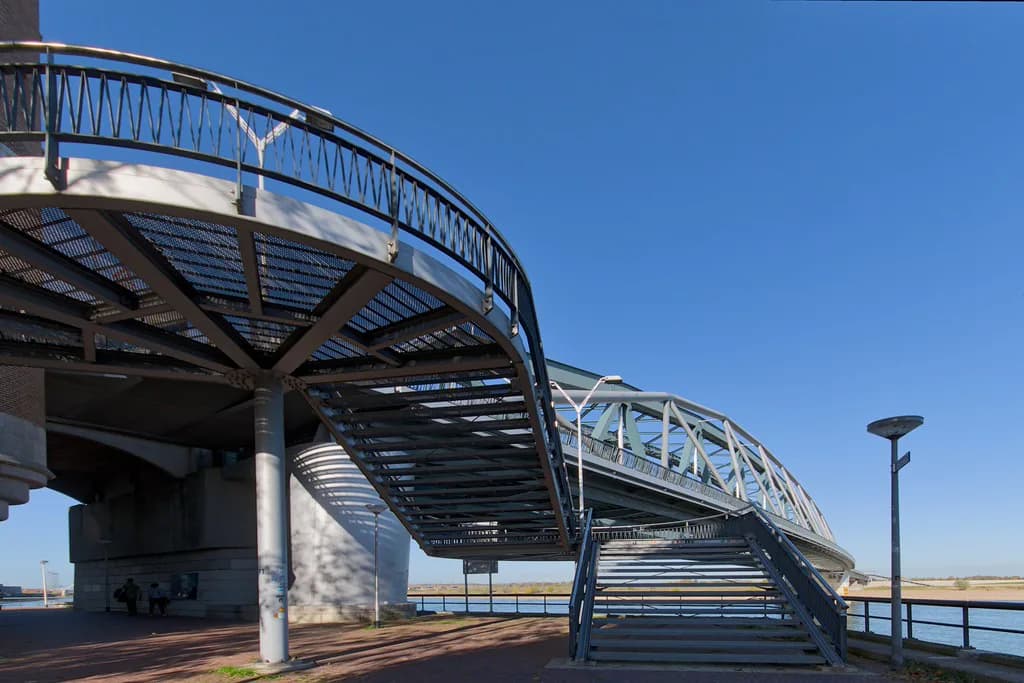
The Waalkade is also where the Roman geography becomes obvious: the river is wide, the opposite bank is low, and you can see why a settlement here controlled a crossing. Walk the quay at the end of the day, when the light is on the water and the centre is behind you.
If you want to see the city's art after the history, the Eigen Kwartier is the district to head for, and it sits comfortably at the end of a Waalkade walk. Art galleries are listed separately across the city, so it makes a sensible change of register after a morning of dates and buildings.
How much time the history sights need
With one day, do the Valkhof hill, the Stevenskerk and the Grote Markt, and read the building split from the square: that covers Roman, imperial, medieval and wartime in a single loop of a few hours. With two days, add a museum for the objects and context, and use the second afternoon for Kronenburgerpark and the Waalkade. With three days, the city's post-war rebuilding and the smaller streets around the centre reward a slower pass, and you can spread the walking rather than compress it.
The honest trade-off is that Nijmegen's history is spread across the city rather than gathered in one place, so the walking is the visit. If you are short of time, skip the reused pubs and the galleries and keep the hill, the church and the square; if you have a spare half-day, the architecture of the rebuilt centre is the most rewarding addition.
Roman and medieval Nijmegen with children
A history walk with children works best if you give them something to spot rather than a chronology: the Barbarossa ruins on the hill, the tomb in the Stevenskerk and the change in buildings on the Grote Markt are three visible things they can find for themselves. Keep each stop to ten or fifteen minutes and put the park or the Waalkade between them, so the day has movement as well as looking.
The Roman story is the hardest to make concrete because so little is above ground, so lead with the hill and the river and save the objects for a museum visit when attention is still fresh. A short, well-paced loop beats a full day of dates with any age group.
Which history stops earn their place on your trip
Build your Nijmegen history day around three fixed points: the Valkhof hill with its chapel and Barbarossa ruins, the Stevenskerk interior, and the Grote Markt where the 1944 destruction is visible in the buildings. Everything else — the reused medieval pubs, the park, the Waalkade, the galleries — is a good addition when you have a second day.
The order that works is hill first for the geography, church second for the interior, square third for the wartime layer, then the river at the end. That sequence lets each period explain the next, and it keeps you walking downhill towards the Waal rather than doubling back through the centre.
Explore more Nijmegen guides
Frequently Asked Questions
Is Nijmegen the oldest city in the Netherlands?
Nijmegen's tourism board describes it as the oldest city in the Netherlands, tracing it to a Roman settlement at the Waal that held city and market rights around 100 AD, and Britannica calls it the oldest town in the country. The claim rests on that Roman grant rather than on continuous visible buildings, since much of the centre was destroyed in 1944.
What happened in Nijmegen in the Second World War?
On 22 February 1944 a large part of the inner city was destroyed by Allied bombing. You can still read the result on the Grote Markt: the buildings on the Waaggebouw side are older, while the opposite side shows the post-war reconstruction.
What is Nijmegen known for?
Nijmegen is known for its Roman origins, Charlemagne's palace on the Valkhof, its position on the Waal and the wartime destruction of its centre. The compact historic centre means the Roman, imperial, medieval and wartime layers sit within a short walk of one another.
Sources
Notes for your next Dutch city break
Optional updates to our Netherlands guides.
You might also like
Continue reading
More guides you'll find useful