Museums in Groningen: Which Are Worth It and When They Open
Groningen's museums in plain terms: the Groninger Museum's opening days, ticket prices in euros, which cards it accepts, and which museums earn your time.
On this page
The Groninger Museum earns your limited time: it describes itself as the largest museum in the north of the Netherlands, for art and design, it sits on its own island three hundred metres from Groningen Central Station, and it opens six days a week. Everything else in the city is a smaller stop, and the museums in the province need a half-day each once you count the journey. This guide covers what each museum holds, how long to allow, when it closes, what a ticket costs in euros and which admission cards the Groninger Museum accepts.
What Groningen's museums cover, and which one earns your limited time
The city's museum offer splits into two parts. The Groninger Museum covers art and design and is the one venue in the city with a full, year-round programme. Forum Groningen adds temporary exhibitions in the city centre. Outside the city, Visit Groningen publishes a filterable map of museums across the province, with art, regional history, religious houses and vehicle collections spread across the countryside, and museum.nl names five to build a trip around.
For a one to four day break, plan around the Groninger Museum first and fit the rest in around it. Treat the provincial museums as the anchor of a separate day rather than something to squeeze between city stops. If your interests lean towards buildings rather than collections, the city's architecture rewards a walk of its own before you commit a morning to a gallery.
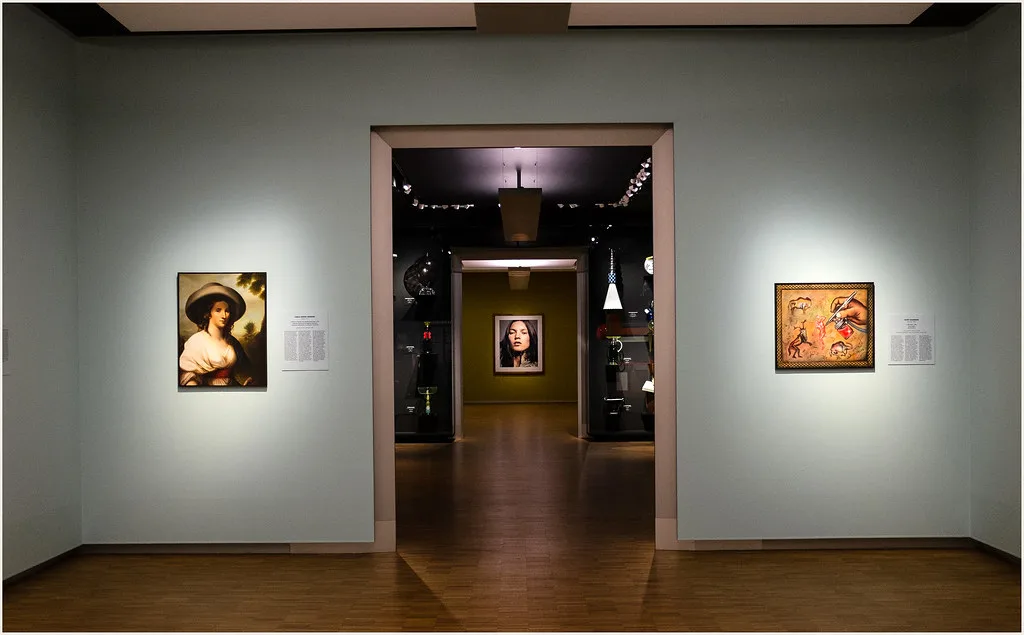
Groninger Museum: the Mendini building on Museumeiland, art and design
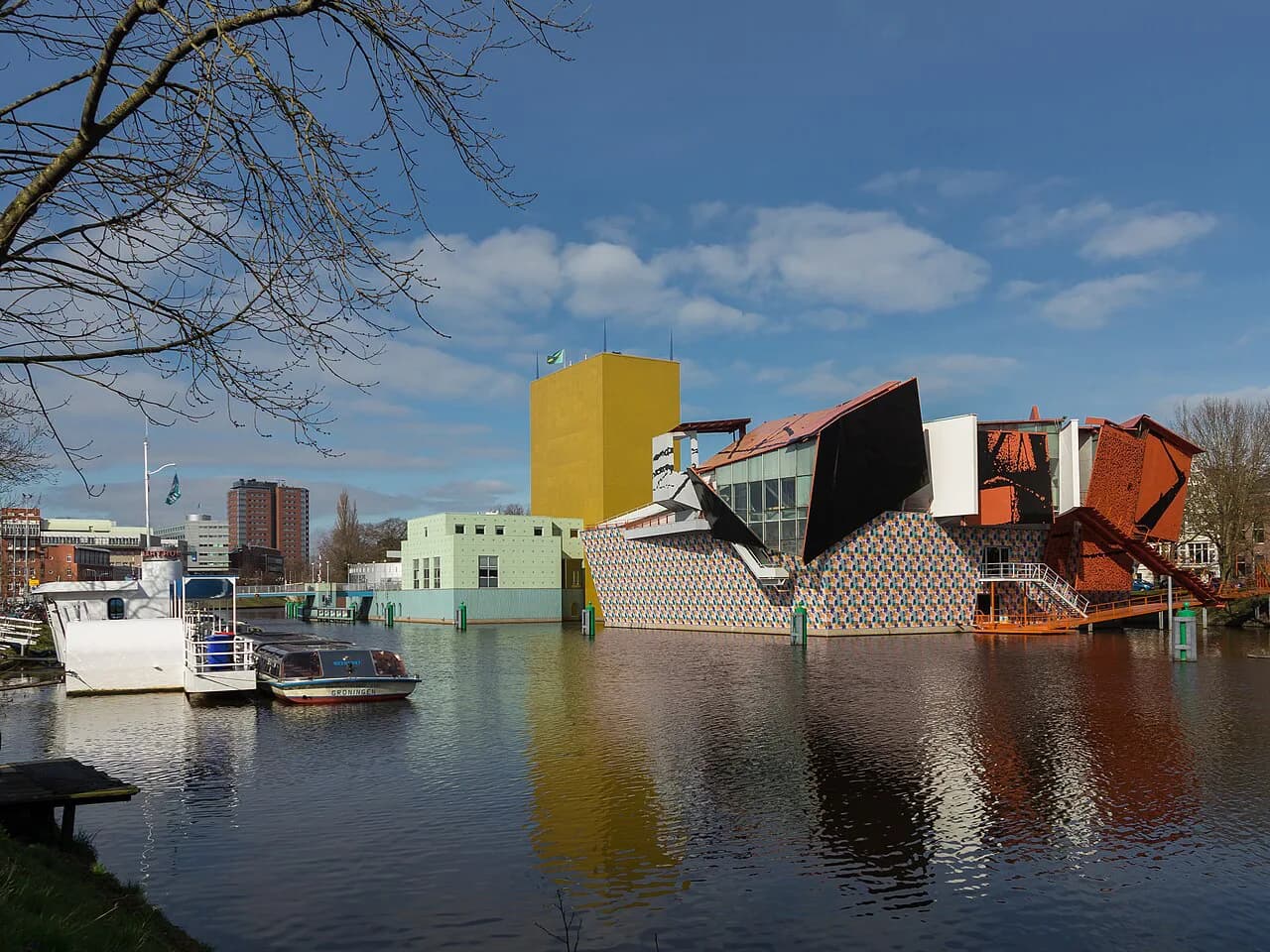
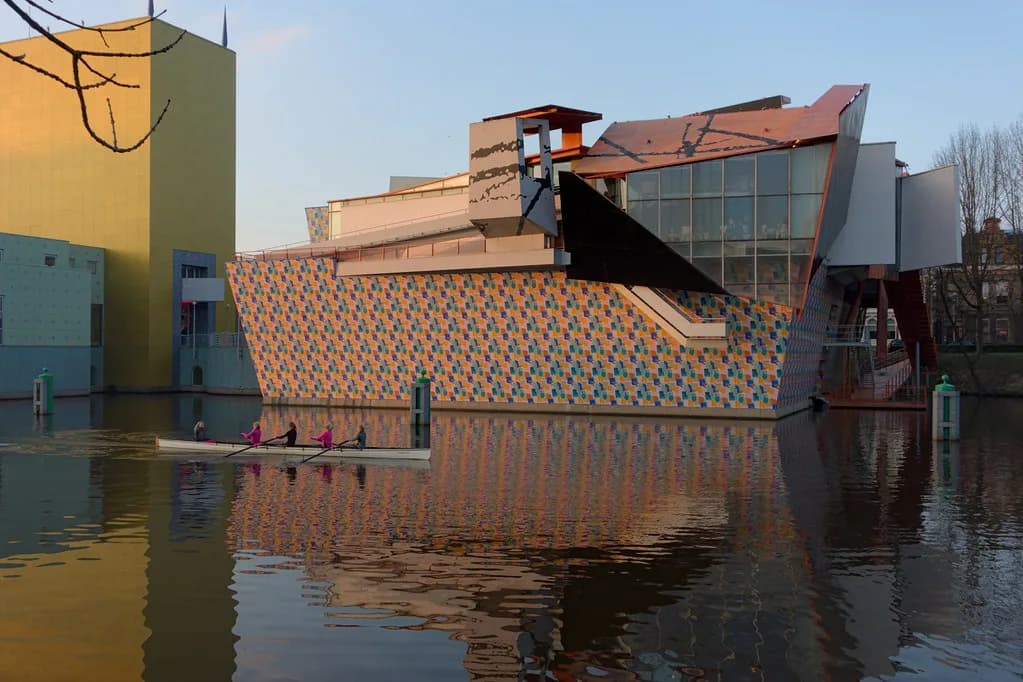
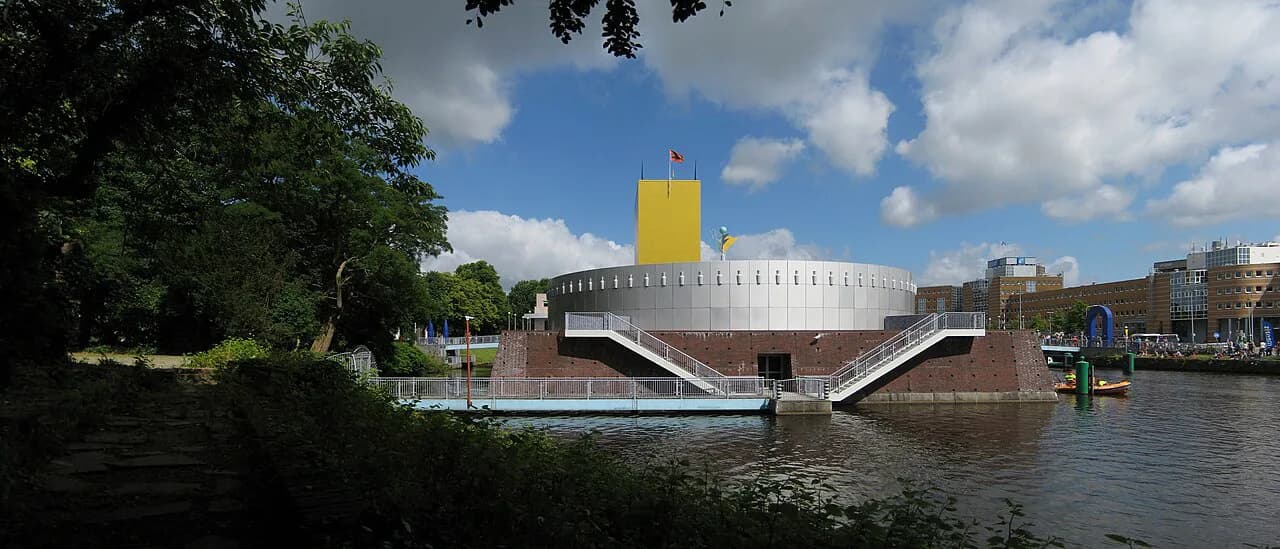
The Groninger Museum stands on Museumeiland, the island facing Groningen Central Station, in a building designed by Alessandro Mendini and completed in 1989. The architecture is the reason many visitors come: bold colour, mixed materials and a silhouette that reads across the water from the station approach. Inside, the programme is art and design rather than a single historical collection. If the building sets the tone for your trip, our Groningen Architecture guide picks up the city's other landmarks.
Allow roughly two to three hours for the museum itself, and add time for the walk around the island and the canal-side views back towards the station. On a wet day this is the most sensible half-day in the city: everything is indoors and the entrance is close to the station. You can leave your bike on Ubbo Emmiussingel, in the racks along the water or at the Stadsbalkon bicycle storage by the station.
Groninger Museum opening hours, closing day and admission prices in euros
The Groninger Museum opens Tuesday to Sunday from 10am to 5pm and is closed on Mondays, so a Monday city break should be built around other stops. Adults pay €19.50, students and CJP holders pay €10.00, and entry is free for children up to and including 18 years old.
The museum also lists closure dates in its plan-your-visit information, among them 25 December and 1 January, so check the calendar for your own dates rather than assuming a standard week. Group visits must be registered in advance by email, which is a requirement rather than an optional courtesy, so a party of friends or a school group needs to arrange entry before travelling. Buying a ticket online before arrival is the museum's own recommendation.
Getting to the Groninger Museum from Central Station, by bike or by car
From Groningen Central Station the museum is about 300 metres away, which makes it a realistic first stop on arrival day with a bag in hand. Cyclists can leave bikes on Ubbo Emmiussingel or in the racks along the water, and there is covered bicycle storage at the Stadsbalkon by the station. Drivers coming off the A7 or A28 follow signs for the city centre from Europaplein; the nearest car park is Q-Park Museum Centrum, and P+R sites on the edge of the city let you park and continue by public transport.
Drivers with a disabled parking permit can use one of two spaces on Ubbo Emmiussingel next to the museum. A zero-emission zone has been in effect since 1 April 2025, and the museum directs drivers to Groningen's zero-emission information for the current rules.
Forum Groningen: exhibitions and the building itself as a city-centre stop
Forum Groningen runs temporary exhibitions alongside its library, cinema and rooftop, and museum.nl has promoted its shows among the province's museums. It is the easiest museum-style stop to add to a shopping or wandering afternoon because you are already in the centre and there is no separate journey. Check what is on before you go, since the programme changes through the year.
Smaller city museums and university collections in a short break
Beyond the two headline venues, the province-wide museum map is the practical way to match a collection to your interests, filtering by art, regional history or religious houses before you commit. It shows you what exists across Groningen rather than promising a particular city-centre collection, so use it to decide whether a smaller stop is worth the detour.
One of those threads is religious building, and the churches of Groningen carry a good deal of the city's art and memorial sculpture inside them. If you want a church visit with real substance rather than a quick look through the door, plan it as its own stop rather than tacking it onto the museum morning, and our guide to Groningen Cathedral sets out what to look for. The city's history is legible in these buildings in a way that a gallery label rarely manages.
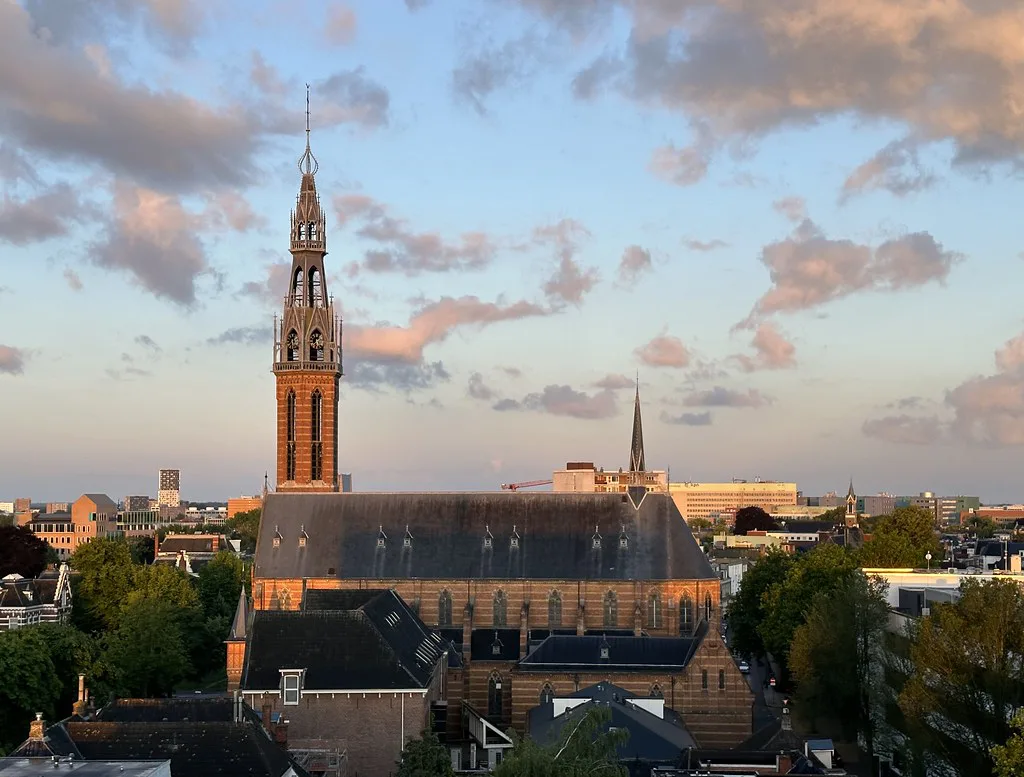
Museums outside the city: Nienoord, Klooster Ter Apel and Het MOW
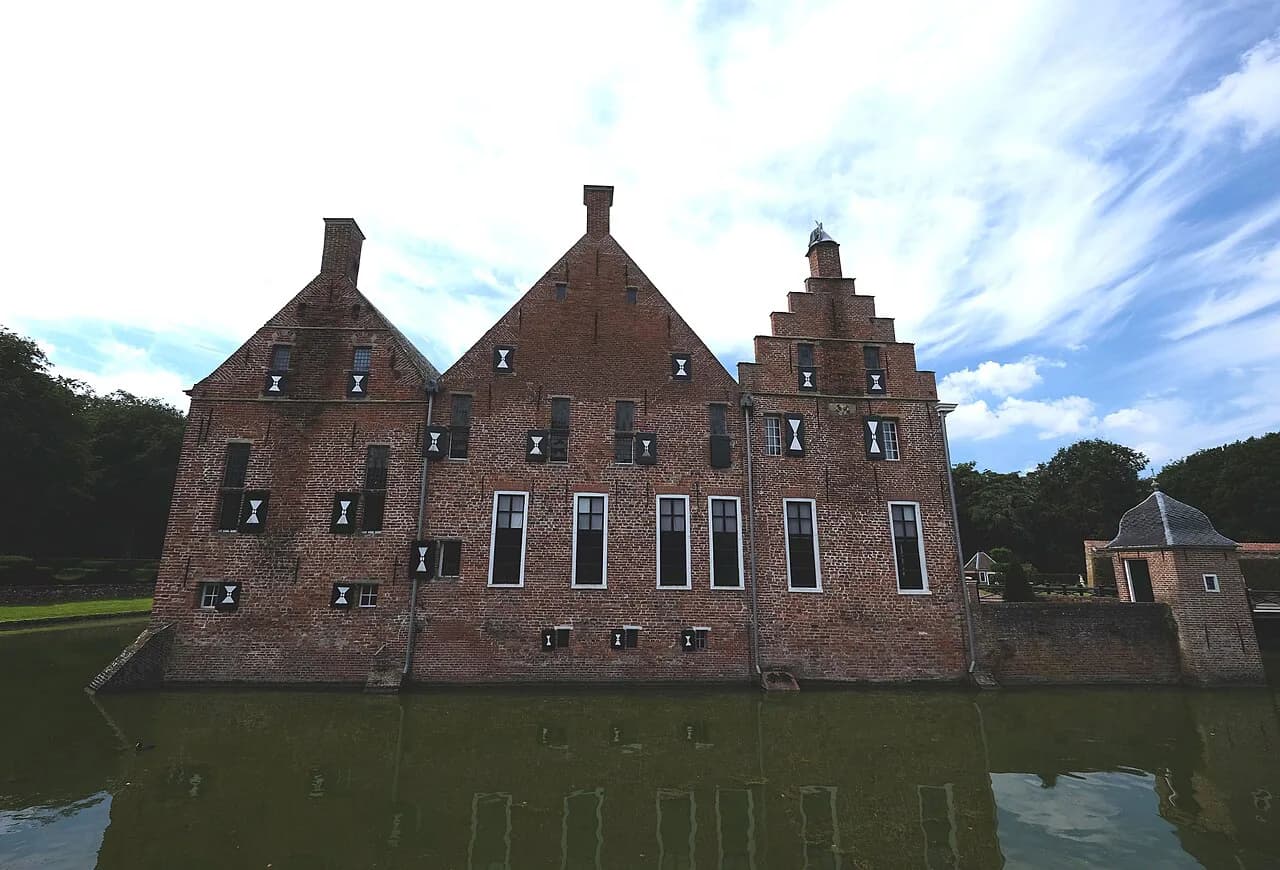
The provincial museums are worth the journey only if the subject genuinely interests you, because each one eats a half-day in travel. Museum Nienoord at Leek combines a borg with the Nationaal Rijtuigmuseum, on a complex dating from 1524, with a 17th-century shell grotto and a carriage collection on one estate. In the far east, Museum Klooster Ter Apel occupies the only surviving medieval rural monastery in Groningen, founded in 1465, with temporary exhibitions, a monastery café and a garden.
Het MOW, Museum Westerwolde in Bellingwolde, mounts exhibitions on regional subjects, such as a show on trees and forests promoted for summer visitors. Pick one provincial museum per day, not two, and check opening days and ticket prices with the museum directly before travelling, because they vary from venue to venue. A car makes these estates and village museums much easier; without one, the journey times will dominate the day.
Tickets, group registration and cards accepted at the Groninger Museum
At the Groninger Museum, entry is free with the Museumkaart, the ICOM card, the Rembrandtkaart, the Stadjerspas and the museum's own Salon, friends' and partner cards. That list is specific to this museum, so it does not follow that the same cards work at Forum Groningen or the provincial museums; check each venue's own admission page. Students and CJP holders pay the reduced rate, and under-19s go free, which makes it a good value stop for families.
Book online before you arrive and register any group by email in advance. The museum publishes its closure dates on its own plan-your-visit page, so confirming the calendar for your dates is the one detail worth re-checking before you travel.
How many days the museums alone need
For the city alone, one full day covers the Groninger Museum properly plus a short city-centre stop such as Forum Groningen. Two days gives you room for a church visit and a wander through the centre without rushing, which suits a long weekend. If you want one provincial museum as well, budget a third day, because the journey out and back to Leek, Ter Apel or Bellingwolde takes a real slice of the day.
If your trip runs to four days, the museums sit comfortably alongside the city's architecture, markets and canal walks rather than filling every hour. Readers comparing Dutch cities often ask how the museum offer stacks up elsewhere; our guides to museums in Haarlem and museums in Maastricht worth your time give a useful benchmark for sizing up a smaller Dutch city.
Which museum should you book first?
Book the Groninger Museum first: it is the one collection in Groningen that justifies a dedicated slot, it is closed on Mondays, and it is close enough to Central Station to visit on arrival day. Adults pay €19.50, students and CJP holders €10.00, and under-19s enter free, with the Museumkaart and ICOM card accepted.
Add Forum Groningen or a smaller city museum as a second stop once the headline visit is fixed, and hold the provincial museums for a day of their own. Confirm the calendar for your dates before travelling, then build the rest of the break around the city itself.
Explore more Groningen guides
Frequently Asked Questions
Is the Groninger Museum open on Mondays?
No. The Groninger Museum opens Tuesday to Sunday from 10am to 5pm and is closed on Mondays, so a Monday city break should be planned around Forum Groningen or the city's churches instead. It also closes on listed dates including 25 December and 1 January, so check the calendar for your own dates.
Does the Museumkaart work at museums in Groningen?
The Groninger Museum lists the Museumkaart among the cards it accepts for free entry, alongside the ICOM card, Rembrandtkaart and Stadjerspas. The same cards are not automatically valid at Forum Groningen or the provincial museums, so check each venue's admission information before you travel.
How long does the Groninger Museum take?
Allow two to three hours inside the museum, plus extra time on Museumeiland for the building and the views back to the station. It is a realistic half-day on a wet afternoon and close enough to Central Station to fit in on arrival day.
Do I need to book the Groninger Museum in advance?
The museum recommends ordering your ticket online beforehand, and group visits must be registered in advance by email to its bookings address. Individual visitors can buy online before arriving rather than queueing at the desk.
Sources
Notes for your next Dutch city break
Optional updates to our Netherlands guides.
You might also like
Continue reading
More guides you'll find useful