Groningen Cathedral: Visiting the Sint-Jozefkathedraal and Other Churches
Groningen's cathedral is the Sint-Jozefkathedraal. Here is what it is, where it sits, and how to pair it with the Martinitoren and the city's other churches.
On this page
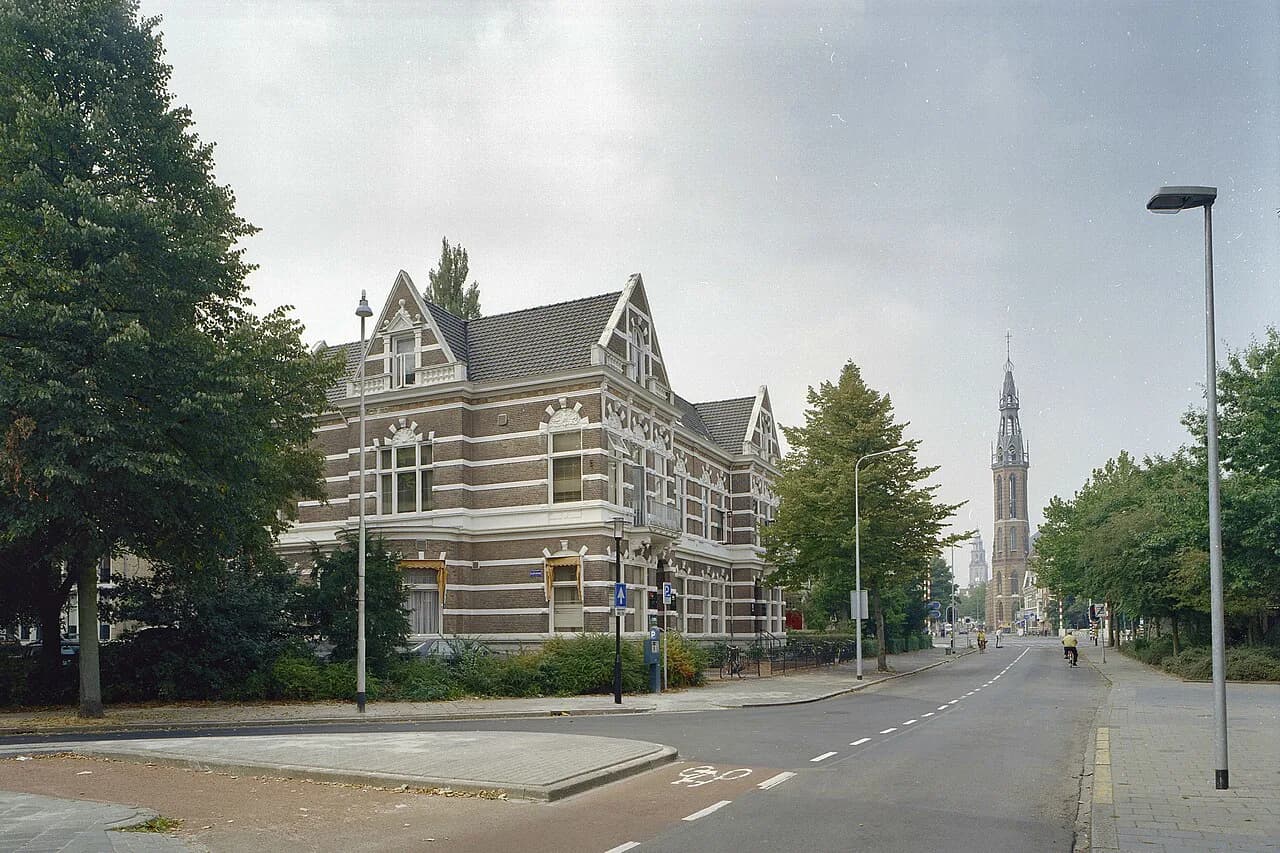
Groningen's cathedral is the Sint-Jozefkathedraal, also called the Sint-Jozefkerk, and its full dedication is to the Kathedrale kerk van de H.H. Martinus en Jozef. Visitors often assume the Martinitoren on the Grote Markt holds that title, but that tower belongs to the Martinikerk and gives you a climb rather than a cathedral interior. This guide places the cathedral on the map and builds a compact walking loop around it.
Distances in the centre are short enough that you can see the cathedral, climb the tower, look into the Groninger Museum and end in a park in one unhurried day. Groningen Attractions: 7 Visitor Guides is the wider set of city pages if you want to build a longer trip.
The Sint-Jozefkathedraal: Groningen's actual cathedral
The Sint-Jozefkathedraal is the cathedral church of the bisdom Groningen-Leeuwarden, also known simply as the Sint-Jozefkerk and formally the Kathedrale kerk van de H.H. Martinus en Jozef. That status as the bishop's seat is what makes it a cathedral, so it is the building to name when someone asks about Groningen cathedral.
The Martinikerk, despite its size and its tower, is not the cathedral; it is the great historic church on the Grote Markt. Keeping the two apart saves confusion when you read signs in Dutch, where kerk simply means church. If church architecture is the thread of your trip, the wider story of the city's brick and glass sits alongside it in Groningen architecture.
The cathedral's visitor arrangements, from opening days to whether the interior can be entered outside services, are not things to guess. Check the parish or diocese before you build a morning around it, and treat the building as one stop on a route rather than the whole outing.
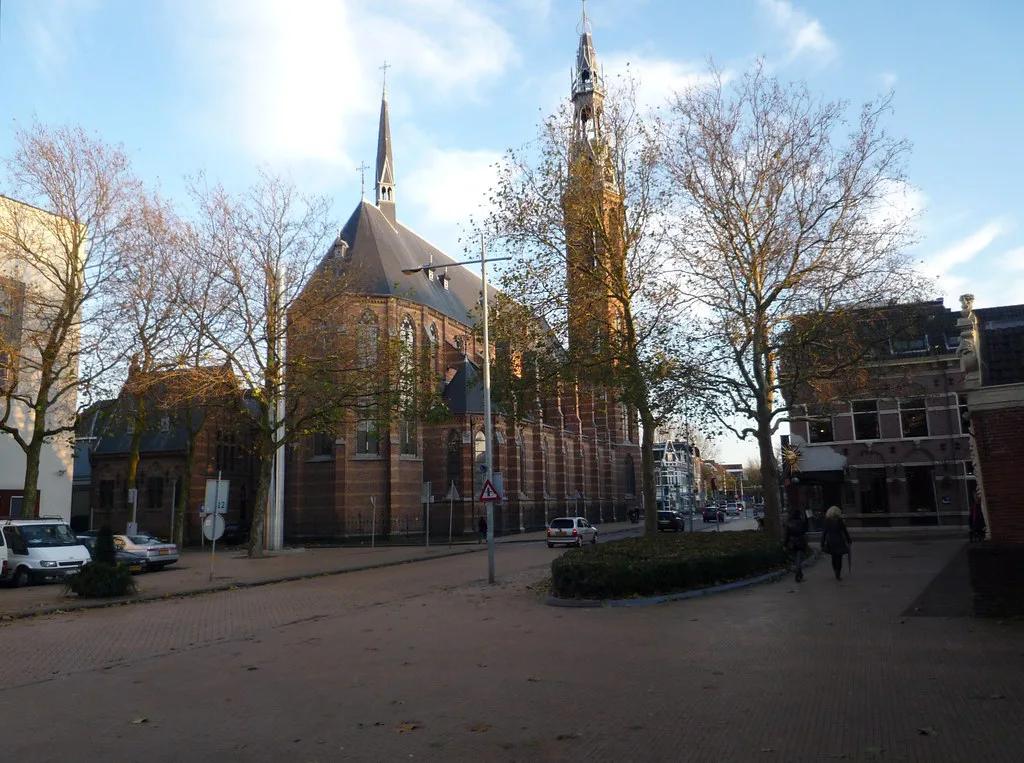
Where the cathedral sits in the city ring
The cathedral sits on the Radesingel, in the ring of streets that wraps around the old centre rather than in the market squares themselves.
Walking from the Grote Markt, you head out past the edge of the shopping streets towards the Radesingel and reach it in a few minutes on foot. From the Vismarkt the line is similar: leave the market square, cross towards the ring, and the cathedral is close to the route back round the centre. The useful mental model is a horseshoe: markets in the middle, cathedral on the outer arc, everything within a short walk of everything else.
Because it sits off the main market axis, the cathedral works well as the first or last stop of a day rather than something you stumble on between shops. Slot it in before breakfast in the centre or after the museums close, and the rest of the loop stays compact.
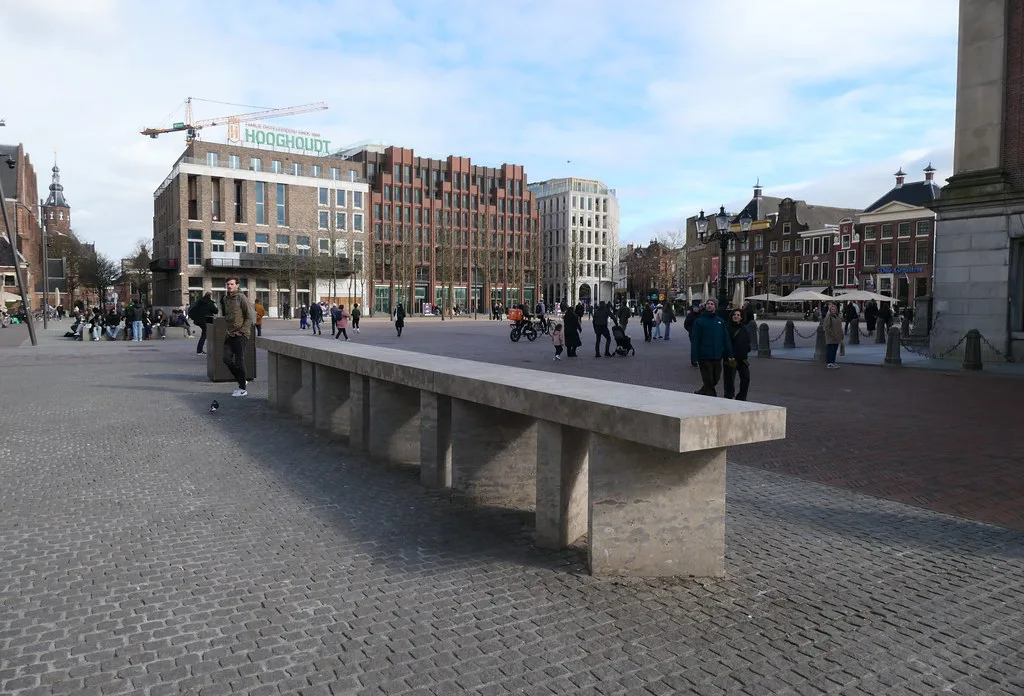
The Martinitoren on the Grote Markt
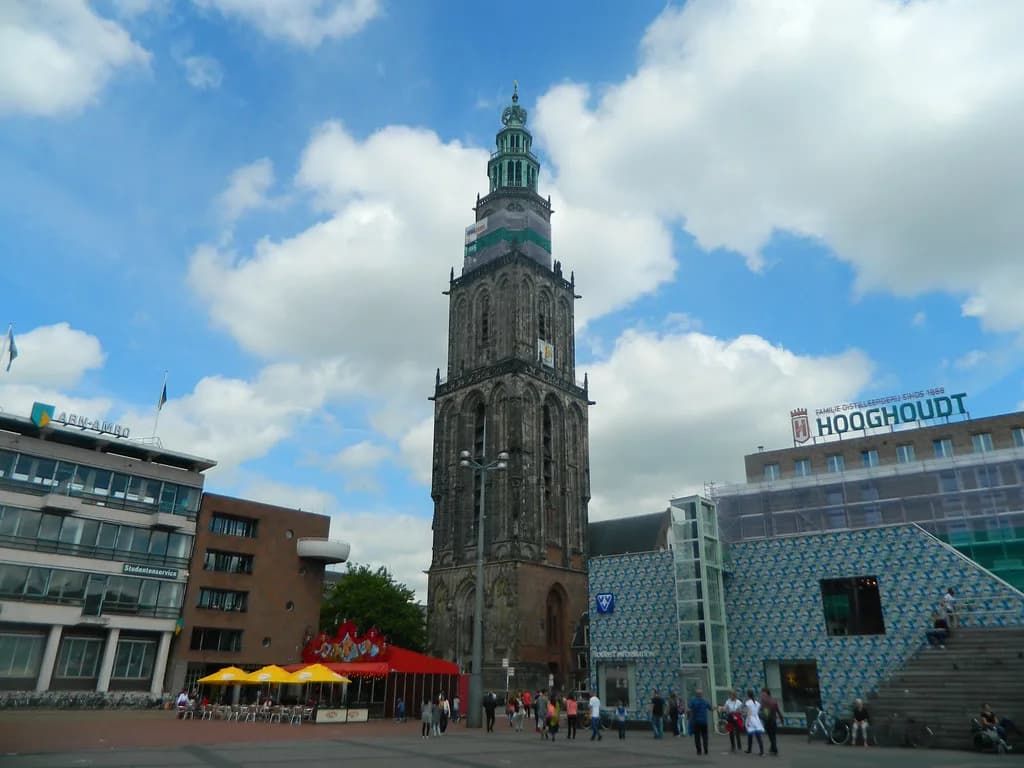
The Martinitoren, known locally as the Olle Grieze or Old Grey, stands 97 metres tall on the Grote Markt and is the landmark you will see from most of the centre. Its climb runs to almost 300 steps, with vaults, old ornaments, bells and flagpoles passing you on the way up. At the top you get the wide view over the city and the flat country beyond it.
This is the tower climb to choose if you only do one, but it is a physical stop rather than a gentle one; the reward is the view, not the interior. Ticket and entry arrangements can change, so confirm them before you rely on a sign at the door.
Groninger Museum and the Noorderplantsoen
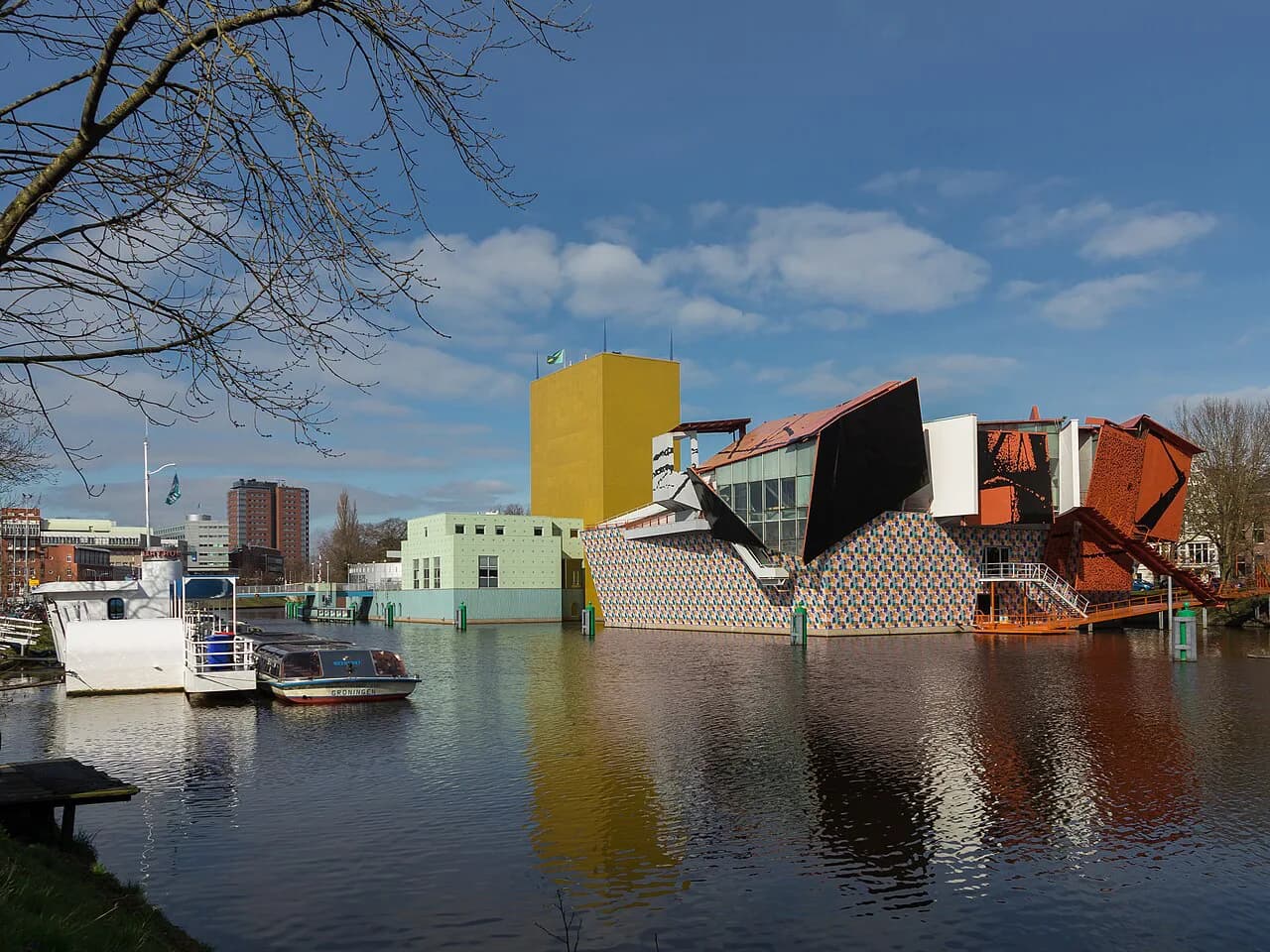
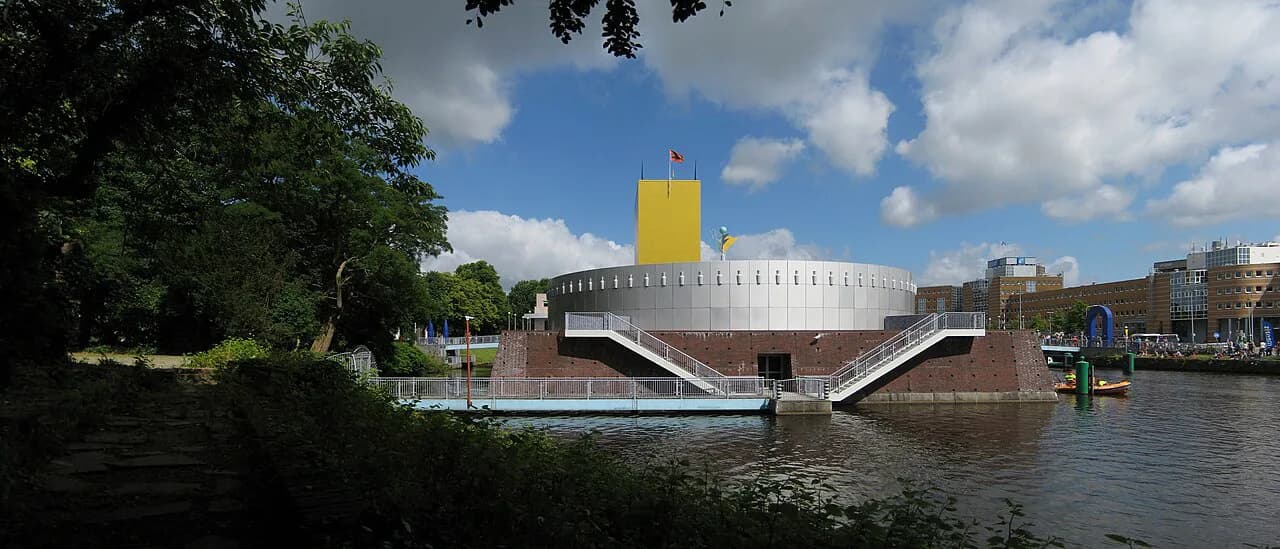
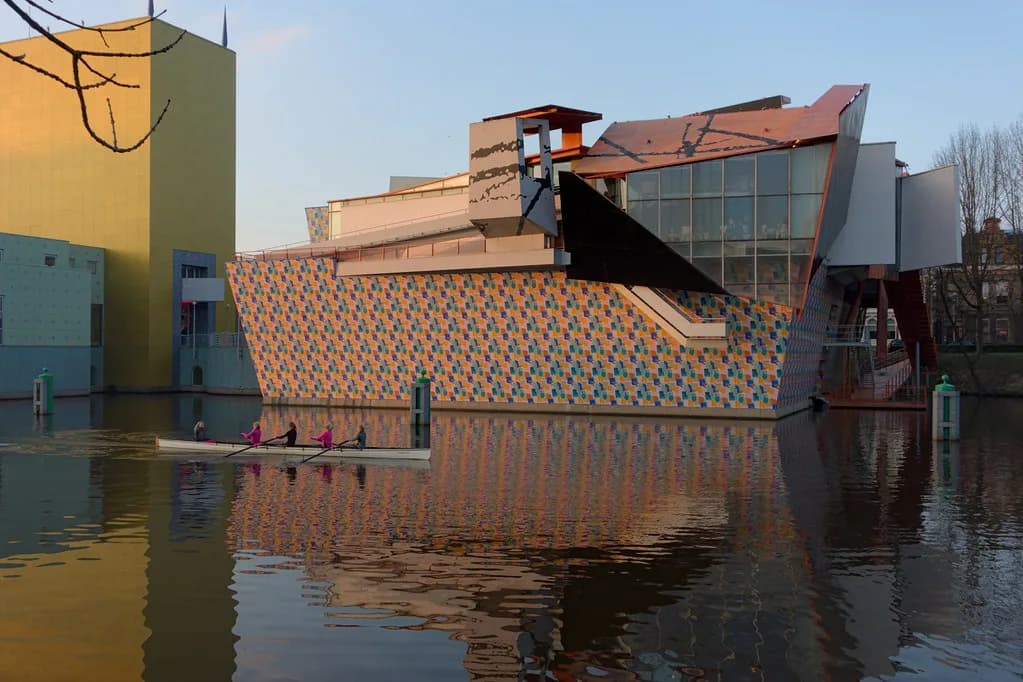
The Groninger Museum is the extrovert, multicoloured building standing in the water, with contemporary art, classical painting and rotating exhibitions inside. For more of the city's exhibition spaces, the Groningen museums guide covers the rest.
From the museum you can walk back into the centre and up the Oude Kijk in 't Jatstraat, a street lined with coffee places, before carrying on to the Noorderplantsoen. That park, with its winding paths and sloping lawns, is where locals and visitors slow down, and the terraces around its edge make a natural end to the afternoon.
If the weather turns, the Forum Groningen on the Nieuwe Markt is the obvious indoor substitute: a large modern building that also houses the tourist information desk.
Shopping streets and lanes between the sights
The lanes around the cathedral and the markets are the city's shopping ground, with medieval buildings holding both familiar brands and small one-off shops. The Folkingestraat, Oosterstraat, Zwanestraat and Kromme Elleboog are the names to know, and the A-Kwartier adds a quieter cluster of independent places.
Opening hours follow a predictable Dutch pattern that catches visitors out: most shops open at 1.00 pm on Monday (some larger shops earlier), run 10.00 to 18.00 Tuesday to Wednesday and Friday, stay open to 21.00 on Thursday for late-night shopping, and trade 10.00 to 17.00 on Saturday and 12.00 to 17.00 on Sunday. Plan a Monday morning around the cathedral, the tower and a walk rather than retail.
The Vismarkt holds fish stalls on Tuesdays, Fridays and Saturdays alongside vegetable, cheese and herb sellers, which makes a market morning pair neatly with a cathedral visit on the same loop.
Only one church? Choose by what you want
If the point of your stop is a Catholic building with the sense of a working cathedral, make the Sint-Jozefkathedraal the priority and treat the Martinikerk tower as optional, checking with the parish or diocese about when the interior is open around services. If the point is the view, the climb and the sound of the bells, choose the Martinitoren and leave the cathedral for a return visit. The two satisfy different appetites, and neither substitutes for the other.
For most first-time visitors with a single day, the tower wins on payoff and the cathedral fits in as a short detour on the way out of the centre. Anyone with an interest in church architecture or Catholic history should flip that order. Layer in the city's background with Groningen history if you want the buildings to mean more than their facades.
Shaping a church-focused day on foot
Start on the Grote Markt with the Martinitoren, walk through the market streets to the Vismarkt, then head out to the Radesingel for the cathedral before looping back via the Groninger Museum and the Noorderplantsoen. That route keeps every leg short and puts coffee stops exactly where you will want them, on the Oude Kijk in 't Jatstraat between the museum and the park.
The centre is compact enough that walking beats any transport plan, and the ring of streets around the old core is easy to follow without a map after the first hour. Build in a sit-down break in the middle; the tower climb and the museum both take more out of you than their footprints suggest.
Which church should you see first?
Climb the Martinitoren first if you want the city laid out beneath you, then walk to the Radesingel and see the Sint-Jozefkathedraal from outside with the geography already in your head. Do it the other way round if quiet church architecture matters more to you than the panorama, and finish on the Grote Markt as the light drops. Either order keeps you inside a comfortable half-day on foot.
Explore more Groningen guides
Frequently Asked Questions
Is the Martinitoren the cathedral of Groningen?
No. The Martinitoren is the tower of the Martinikerk on the Grote Markt, and it is the city's best-known landmark rather than its cathedral. The cathedral is the Sint-Jozefkathedraal on the Radesingel, the cathedral church of the bisdom Groningen-Leeuwarden, formally the Kathedrale kerk van de H.H. Martinus en Jozef.
Can you go inside the Sint-Jozefkathedraal?
The parish and diocese are the people to check with about when the building is open to visitors around its services. Confirm their current information before you travel, as access can differ from a normal museum visit; the building is worth including on a walking route even if you only see it from outside.
How long does the Martinitoren climb take?
The climb runs to almost 300 steps up a 97-metre tower, so allow for a steady ascent with pauses rather than a quick dash. Build in time at the top for the view over the city and the flat country beyond.
Sources
Notes for your next Dutch city break
Optional updates to our Netherlands guides.
You might also like
Continue reading
More guides you'll find useful