Groningen Canals: Boat Tours, Routes and What You'll See
Groningen's canals are best seen on a one-hour city boat tour, then on foot along the Hoge and Lage der A and the Reitdiepskade waterfront.
On this page
Give Groningen's canals one hour on a boat and half a day on foot. The city boat tour runs for about 60 minutes, embarks a short walk from Groningen Central Station, and covers the historic canals, bridges, towers and patrician houses in one loop, which leaves you the rest of the day for the waterfront streets where the city's water history actually sits. This guide covers the fare structure, the practical rules the operator publishes, the streets worth walking and how to slot the water into a short break.
Do not arrive expecting Amsterdam's concentric ring. Groningen's water is a working system of short canals through the old centre, joined to open water by the Reitdiep and the Eemskanaal, so the boat ride is a compact introduction rather than a sightseeing marathon. Treat the canals as the spine of your visit: cruise early, then walk the quays. For the wider picture see Things to Do in Groningen.
What Groningen's canals are like
Groningen's canals thread a compact centre, and the old harbour water is still lined with the warehouses that made the city rich. The Hoge and Lage der A are the pair to look for: the old canal-side warehouses show where ships docked and goods were hauled ashore, and the streets are short enough to walk in a quarter of an hour. Add the Reitdiepskade, where old sailing boats and houseboats sit in the harbour, and you have the city's central waterside walk.
Beyond the centre the water changes character. The Van Starkenborghkanaal reaches the city at the Oostersluis, boats continue into the middle via the Eemskanaal, and the Reitdiep runs out towards open country and the coast. That matters practically: Groningen feels maritime rather than picture-postcard, and the water you walk beside is the same water that carries working and visiting boats into the harbour.
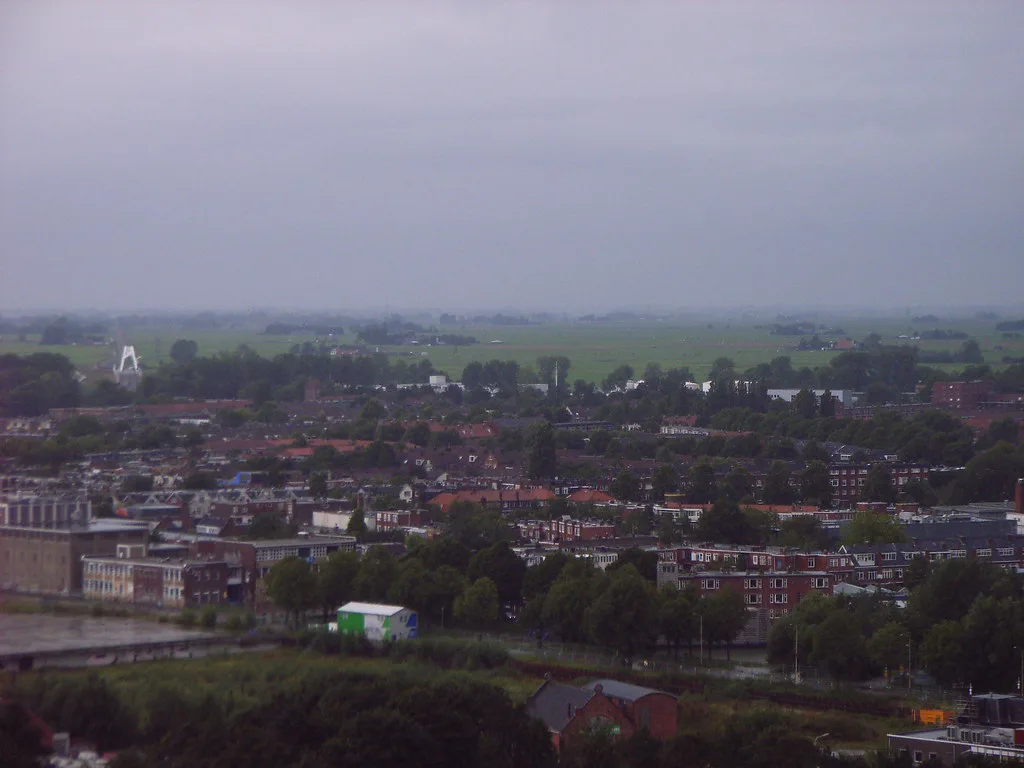
The city boat tour: one hour from opposite Central Station
The city tour with Rondvaartbedrijf Kool lasts about one hour, embarks 15 minutes before departure and leaves from opposite Groningen Central Station rather than the historic waterfront. Sailings are scheduled from a minimum of 10 passengers, with a maximum capacity of 130 on the boat, so check the sailing calendar and book rather than assume a departure will run. An audio guide in several languages runs during the trip, so you are not dependent on a live commentary you might not follow.
Departure times come from a sailing calendar that changes with the season, so check the operator's calendar for the day you want rather than assuming hourly sailings. The boat is hybrid and the boat has a toilet on board, and the open boat De Pronkjewail is the one boat without a toilet. If you are travelling with a wheelchair, the Wonderland has a lift, but the operator asks you to make contact before booking to arrange it.
What a Groningen canal cruise costs
Fares for the city tour are published in euros per person: adults aged 12 and over pay €19.50, children aged 4 to 11 pay €12.50, and groups of 20 or more pay €17.50 each. Refreshments are not included in the price. Book against the published Rates table for the city tour you want.
A few rules tighten the planning. You cannot bring your own food and drink on board, though drinks and snacks are sold on all boats and a small lunch can be requested when you book. Dogs travel free and all covered boats are heated, which is the honest reason to book the boat rather than save it for a sunny day.
What you see from the water
The route works through the historic canals past bridges, ancient towers and medieval patrician houses, and the audio guide points out the sights as you pass. It is a good orientation tool for a first afternoon: note the quays and squares you want to return to, then walk them the next morning. The perspective from the water is the point, since several of the old warehouse fronts only make sense when you see how the boats reached them.
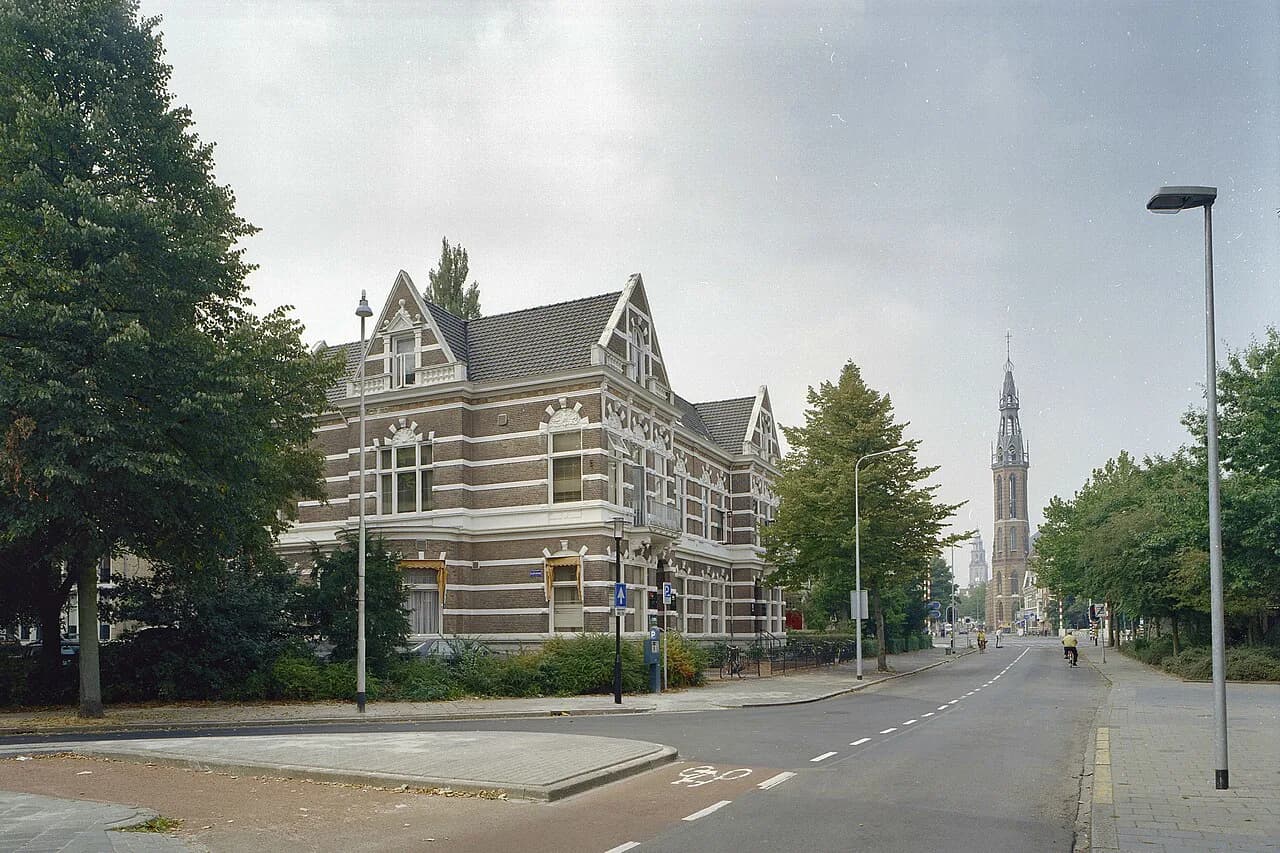
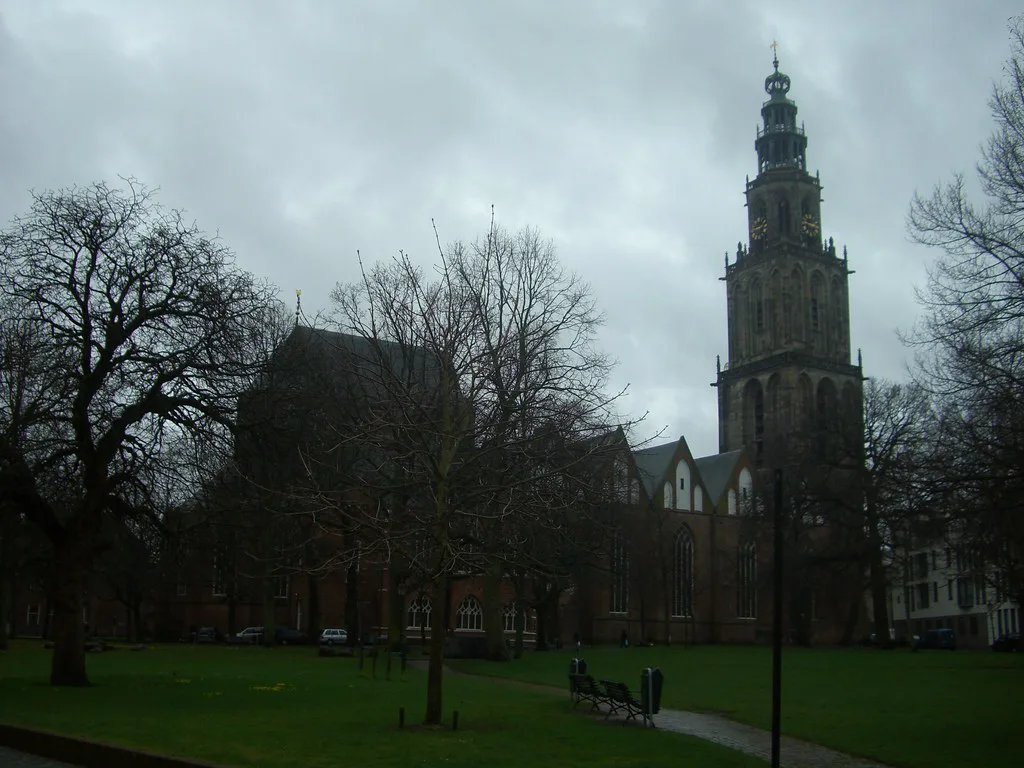
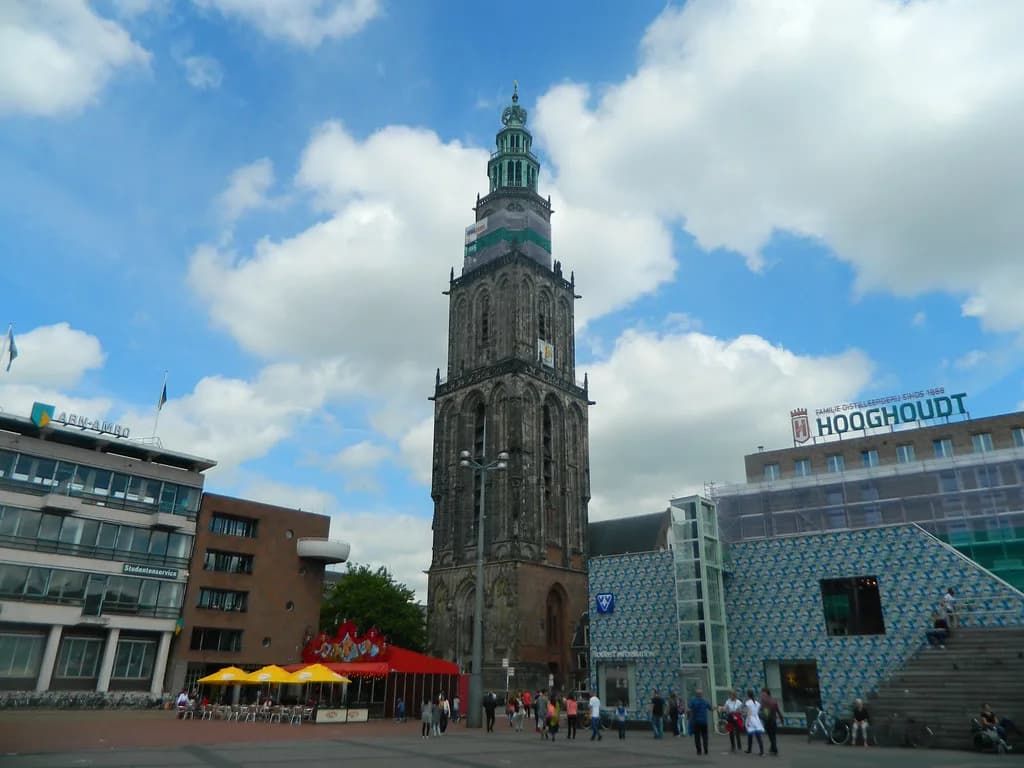
Keep the Martini Tower in view as a landmark while you sail. The tower, known locally as d'Olle Grieze, rises 97 m and is a good hundred years older than the university founded in 1614, which gives you a fixed point to steer by on the water and on foot. Whether the tower itself is open when you visit is a separate question, so take that from the tower's own published information rather than from the boat commentary.
Walking the waterfront streets
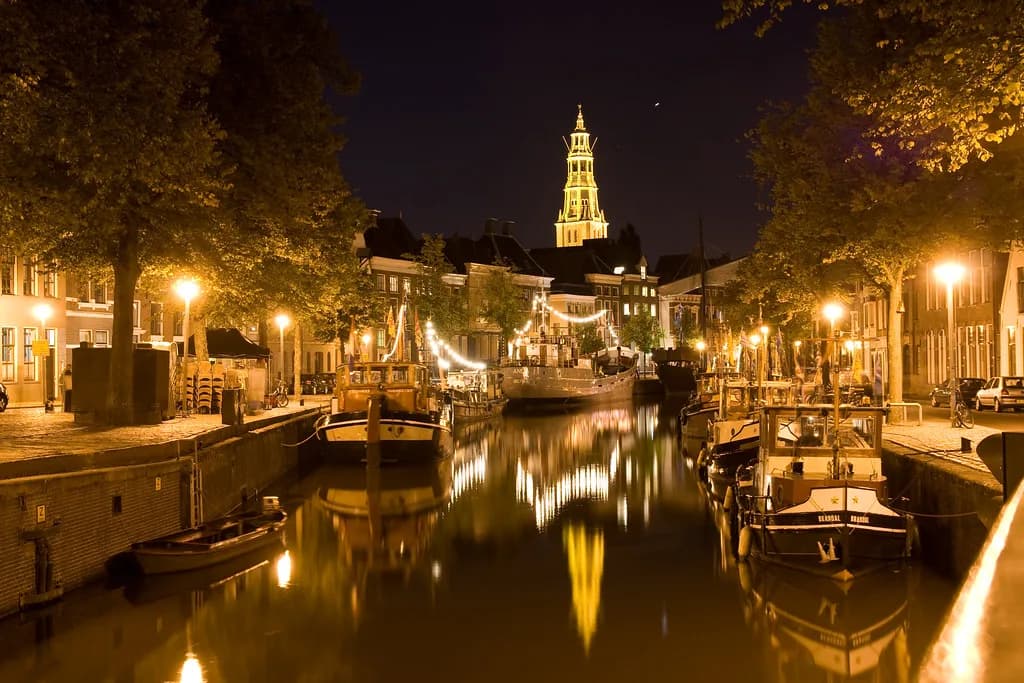
Walk the Hoge and Lage der A before or after the boat. The warehouse canal is where the trading history is legible, ships docked and cast off, and the buildings still show the loading doors and hoists. It is a short stretch rather than a full afternoon, so pair it with the Reitdiepskade harbour, where old sailing boats and houseboats are moored, and the Schuitendiep, the narrow canal where visiting boats tuck in around the corner from the busier moorings. The Groningen City Centre guide covers this area in more detail.
The quays are open streets you can walk without paying for the boat, which is the trade-off: you get the water and the architecture for nothing but no commentary. If you want the history pinned down street by street, a scheduled Groningen walking tour covers the centre on foot and gives the boat ride a context it cannot supply on its own. Otherwise, walk the loop yourself and use the boat as your orientation.
Boats and boat life in the city
Groningen is a working boating city as well as a visitor one. Visiting boats reach the centre via the Eemskanaal, the Groningen Motorboat Club harbour sits just under 2 km from the centre at the canal junction, and Jachthaven Oosterhaven lies further in towards the middle. When the Oosterhaven jetty is full, the harbour master packs boats onto the moorings along the Schuitendiep, which is why that narrow canal can look crowded with masts.
For a land-based visitor the practical result is simple: the quays around the Oosterhaven and Schuitendiep are worth a wander in their own right, especially in the late afternoon when boats are settling in. You will see everything from old sailing boats to houseboats, and a historic two-master, the Pannekoekschip, is moored on the Schuitendiep. Reading the boats costs nothing; the city centre is a short walk from all of it.
Fitting the water into a one or two day visit
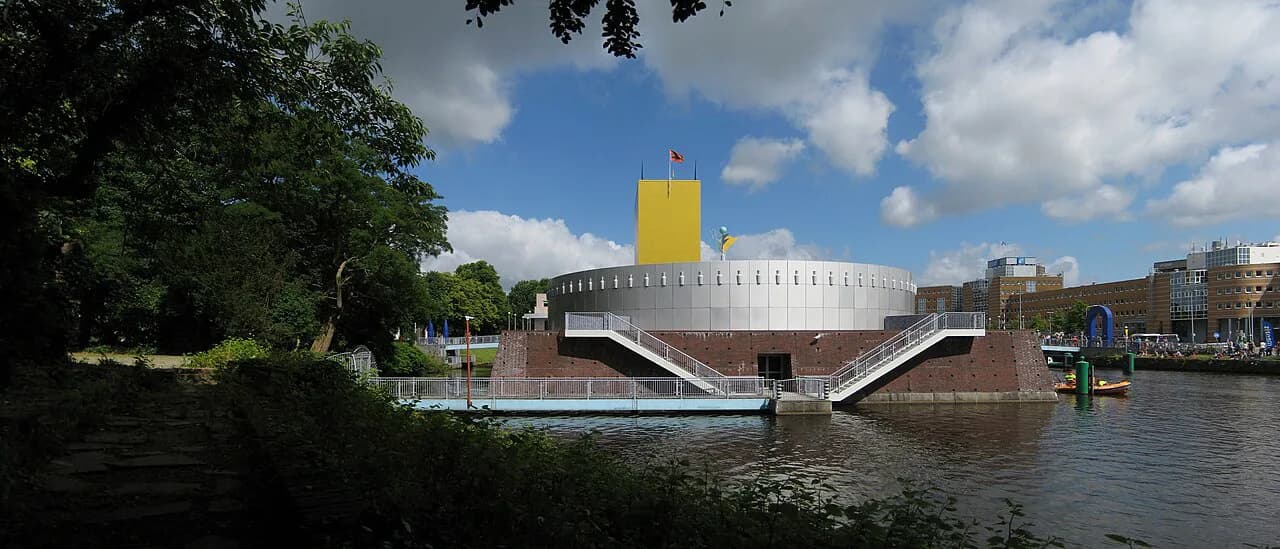
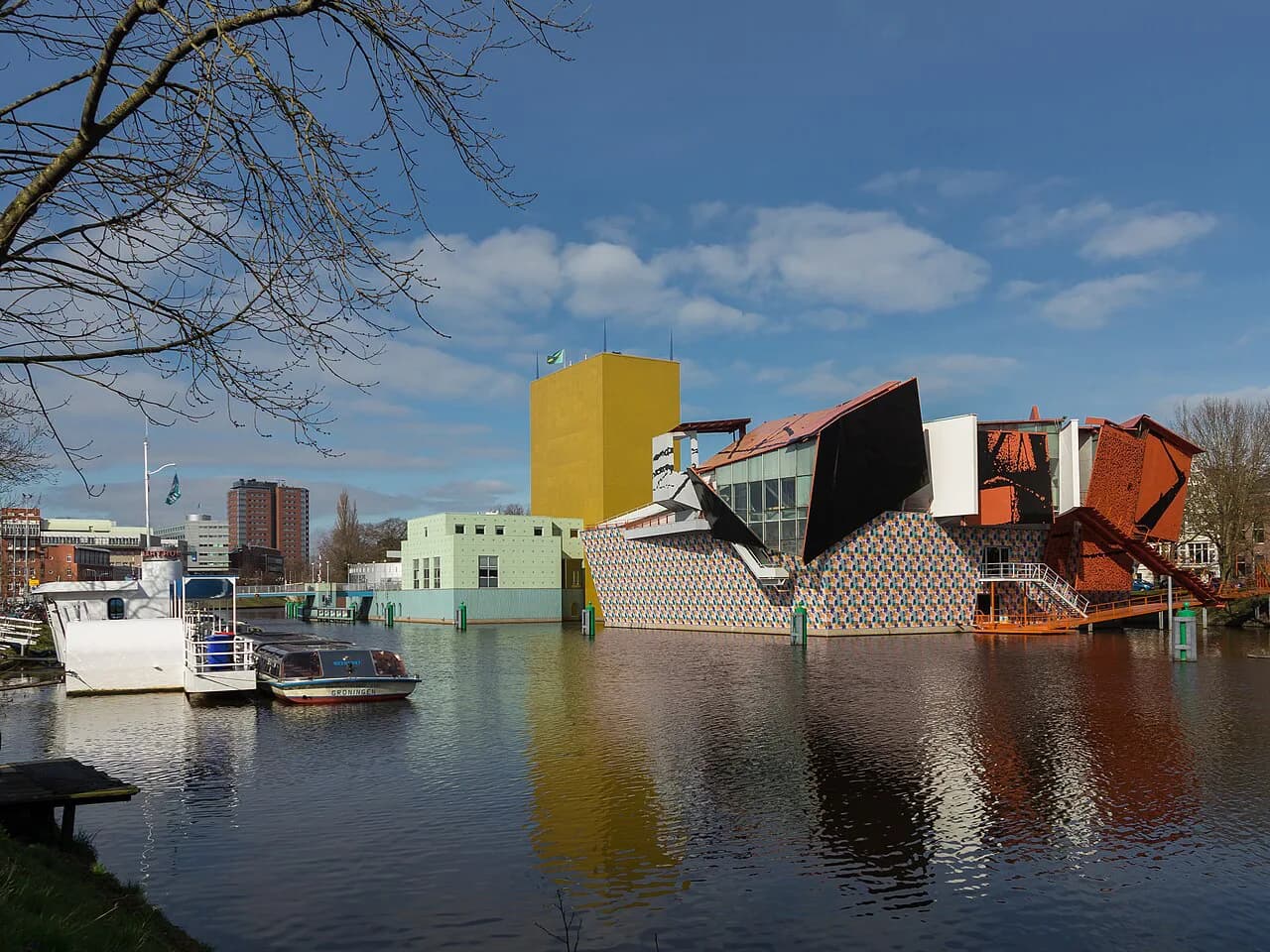
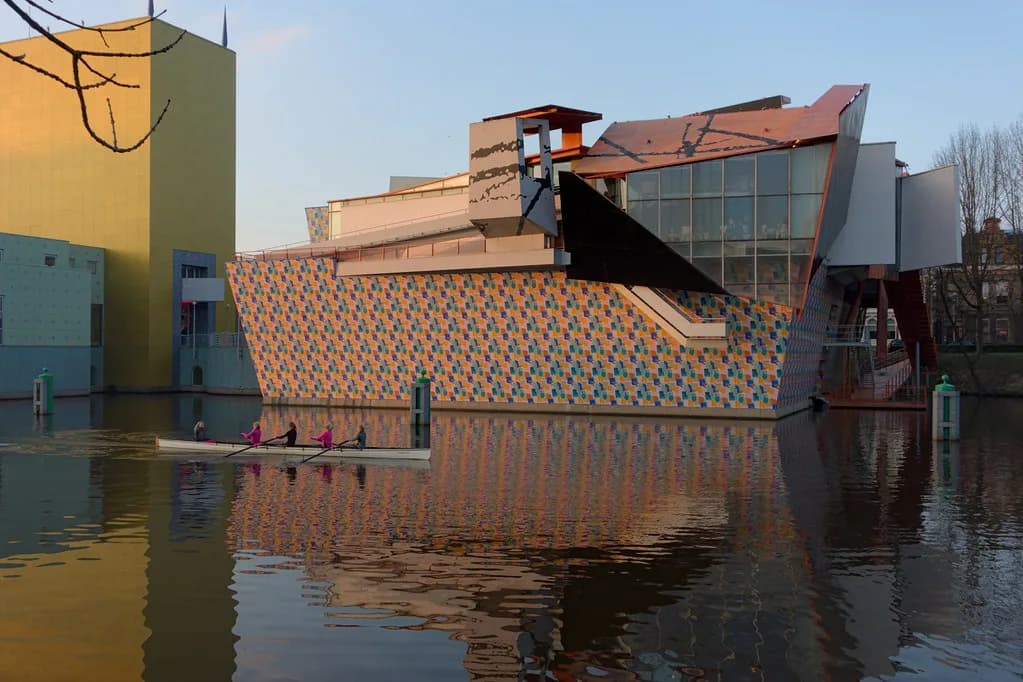
On a one-day visit, book the boat for the morning, walk the Hoge and Lage der A and the Reitdiepskade before lunch, and spend the afternoon in the centre. The Noorderplantsoen park and the Groninger Museum are the two fixed points outside the canal loop worth building around, and the museum's building on the water is a landmark in its own right. A short break of two days leaves room to repeat the waterfront at a slower pace in the evening light.
Check museum opening days before you lock in the boat time, since a Monday in the Netherlands can leave you with fewer indoor options and a good reason to be on the water instead. The Grote Markt area is the natural hinge between the boat departure point, the shopping streets and the canal walks, so plan your day around that axis rather than criss-crossing the centre.
Riding out from the city: the Stedum canal loop
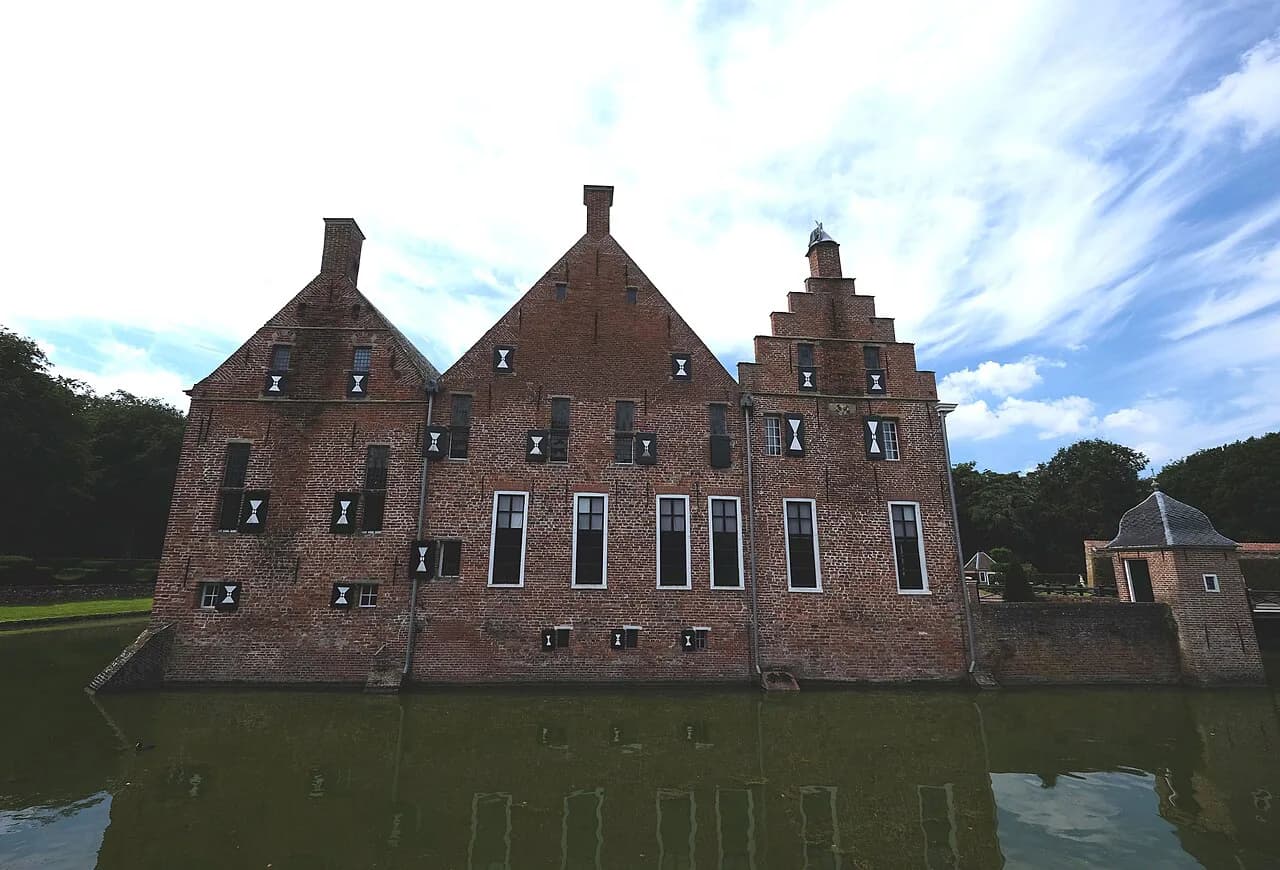
The canals also make a long day out by bike, but be clear about the scale. A marked loop from Stedum runs 69.5 km, takes about four hours, climbs around 110 m and rates as moderate, mostly on paved surfaces, so it suits a full day rather than a city-centre spin. The route passes the Noorderplantsoen, the Groningen canals, the Hoge and Lage der A, the university, the Martinikerk and the Reitdiepskade, then heads out to Menkemaborg Castle and Gardens before returning to a train station.
One caveat is built into the route: after 18.3 km there is a segment of 63 m where cycling is not permitted, so expect to push the bike for a short stretch. The start point is reachable by public transport, and the mixed surface is mostly paved but includes cobblestones and a little gravel. Ride it only if you have the legs and the weather for a four-hour day out; otherwise keep to the city quays.
Should you book the boat or just walk the quays?
Book the one-hour city boat tour if you want the history and the layout explained in a single loop, and accept the extras: refreshments cost more, own food and drink are not allowed, and sailings need a minimum of 10 passengers. Walk the quays if you would rather keep it free and flexible, since the Hoge and Lage der A and the Reitdiepskade deliver the best of the waterfront without a ticket.
The strongest plan for a short break is both: boat in the morning for orientation, quays on foot afterwards, then the Grote Markt and the centre for the rest of the day. For the wider picture of what fills a one to four day trip, work from the things to do in Groningen overview and slot the water in around it.
Explore more Groningen guides
Frequently Asked Questions
Do Groningen canal boats run in winter?
The operator publishes a sailing calendar rather than a fixed timetable, and also runs a separate candlelight tour, so check the calendar for your dates before planning around a winter cruise. All covered boats are heated.
Are the Groningen canals free to walk along?
The public quays, including the Hoge and Lage der A and the Reitdiepskade, are open streets you can walk without buying a boat ticket. The boat tour is the paid element.
How many canals are there in Groningen?
Groningen has a compact system of historic canals through the centre, linked to open water by the Reitdiep and the Eemskanaal, rather than a single ring. The city boat tour is the quickest way to see the main stretch in an hour.
Sources
Notes for your next Dutch city break
Optional updates to our Netherlands guides.
You might also like
Continue reading
More guides you'll find useful