Free Things to Do in Den Bosch: Sights, Walks and Squares
Free things to do in Den Bosch, from Sint-Jan cathedral and the Markt to the Uilenburg canals, the Bossche Broek and the old-town streets in between.
On this page
Den Bosch is one of the easiest Dutch cities to fill a day in without spending anything: the old town is compact, the cathedral and the Markt are open to all, and the green edges of the city begin a short walk from the centre. This guide separates the genuinely free sights from the paid add-ons so you can budget in euros, keeps the walking distances realistic, and shows how much fits into one day versus two.
Everything below sits inside or just outside the old town, which is compact enough to walk end to end, with the Binnendieze canals, the cathedral and the market square all within a few minutes of each other. The one free-list idea that does not hold up is the city's signature underground canal trip: you can see the water at street level for nothing, but going underneath is a paid boat.
What you can see in Den Bosch without paying: a quick answer
A free day in Den Bosch is built from four things: Sint-Janskathedraal, the Markt with its City Hall and the Moriaan brick building, the canal-side streets of Uilenburg and Molenstraat, and the Citadel with its star-shaped fortifications. Add the old town's courtyards and alleyways and you have a full afternoon of walking without a single ticket.
Paid extras to budget for include the Noordbrabants Museum, a Binnendieze boat, and any climb up the cathedral tower. They can wait for a second day or slot in where your energy allows, so the answer stays the same: a full free day is built from the squares, cathedral forecourt, canal streets and the old fortifications.
Free is not the same as closed on Mondays. Several Dutch museums shut that day, which makes a Monday the natural day for the cathedral, squares and canals, and the paid museums the business of another day.
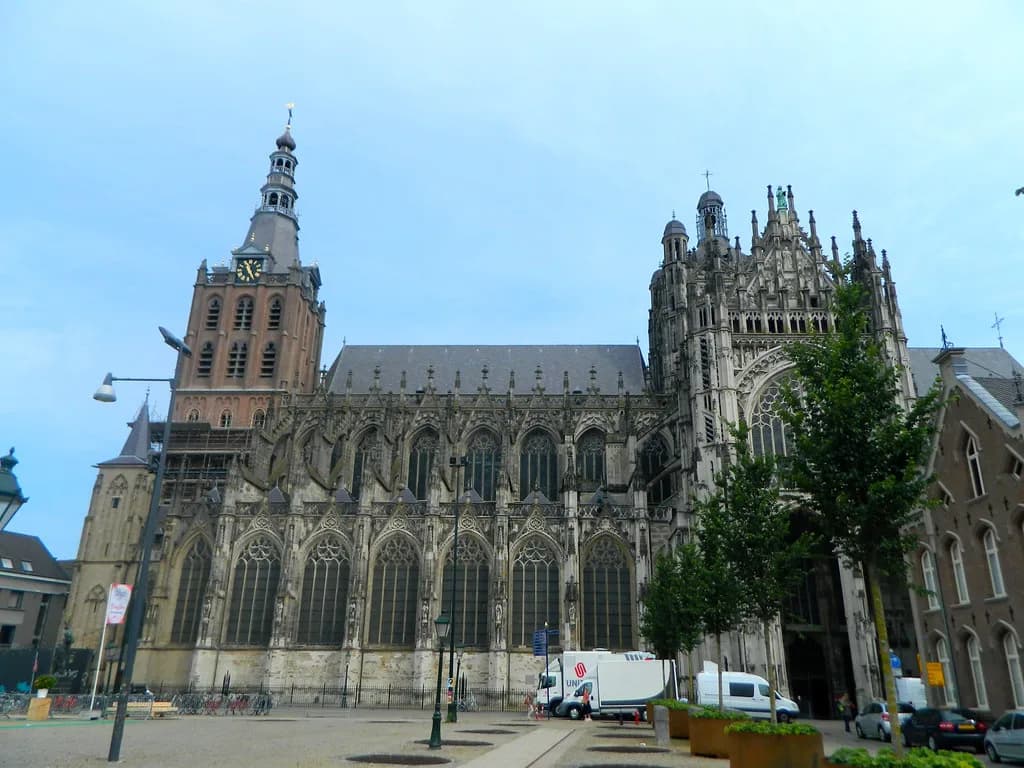
Sint-Janskathedraal: the Gothic cathedral at the centre of the old town
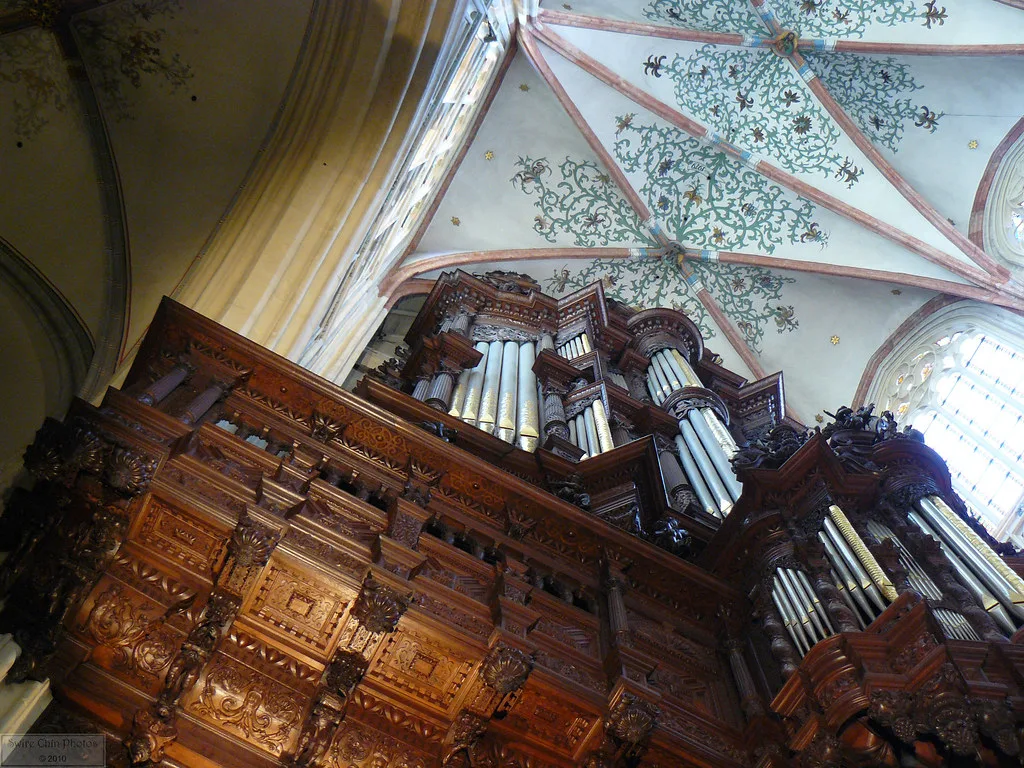
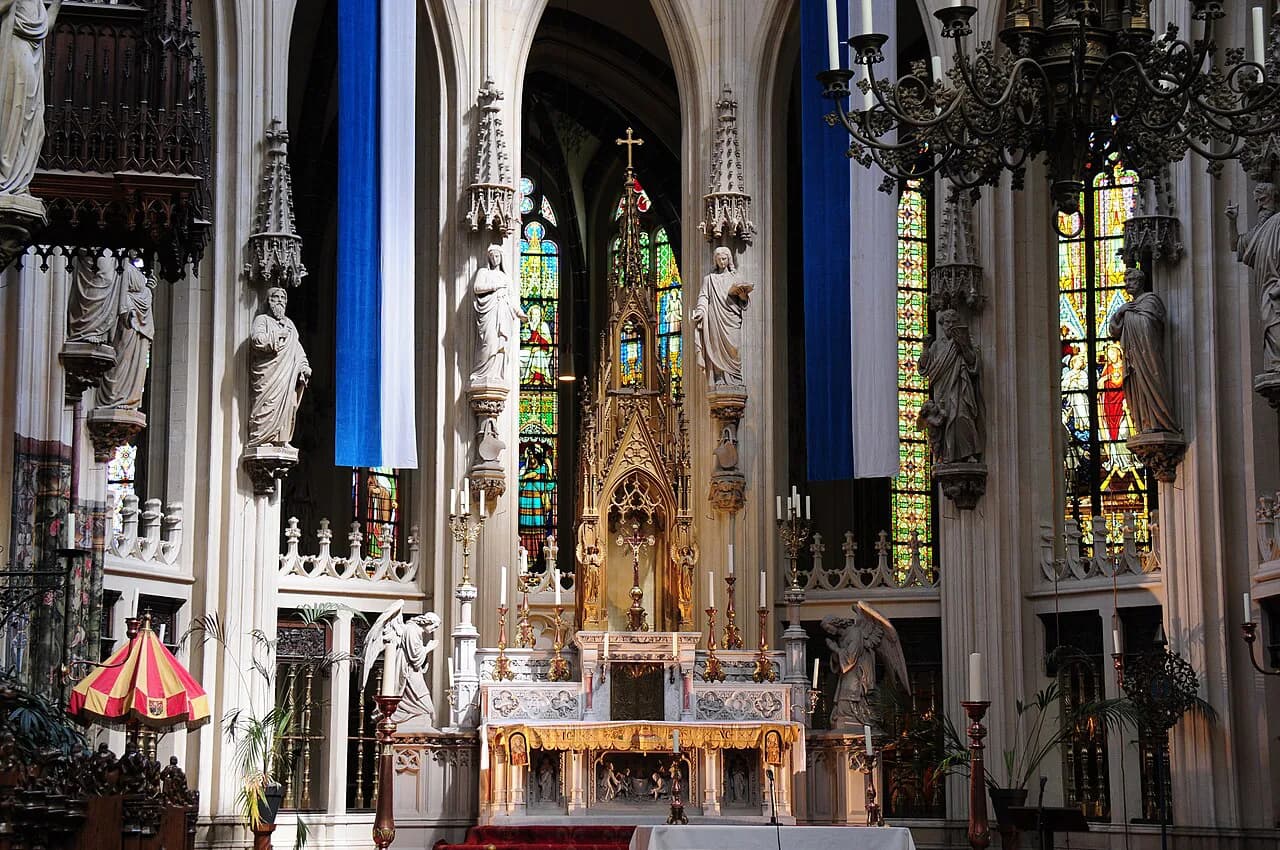
Sint-Janskathedraal is the heart of Den Bosch and the reason many people come: a Gothic church begun in the fourteenth century and finished two centuries later, with soaring ceilings, stained glass and a forest of carved stone outside. It sits right beside the Markt, so it is the natural first stop on foot from the centre, and the square around it can be seen at any time.
Climbing the cathedral tower is a separate paid extra and not part of a free day. The tower climb reaches 73 metres, so treat it as a budgeted stop rather than a free one.
Guided visits to the cathedral are organised by the city's volunteer guide foundation, whose regular tours run mainly in Dutch; if you want an English-language walk, that foundation points visitors to its boat tour and city walk instead.
The Markt, the City Hall and the Moriaan brick building
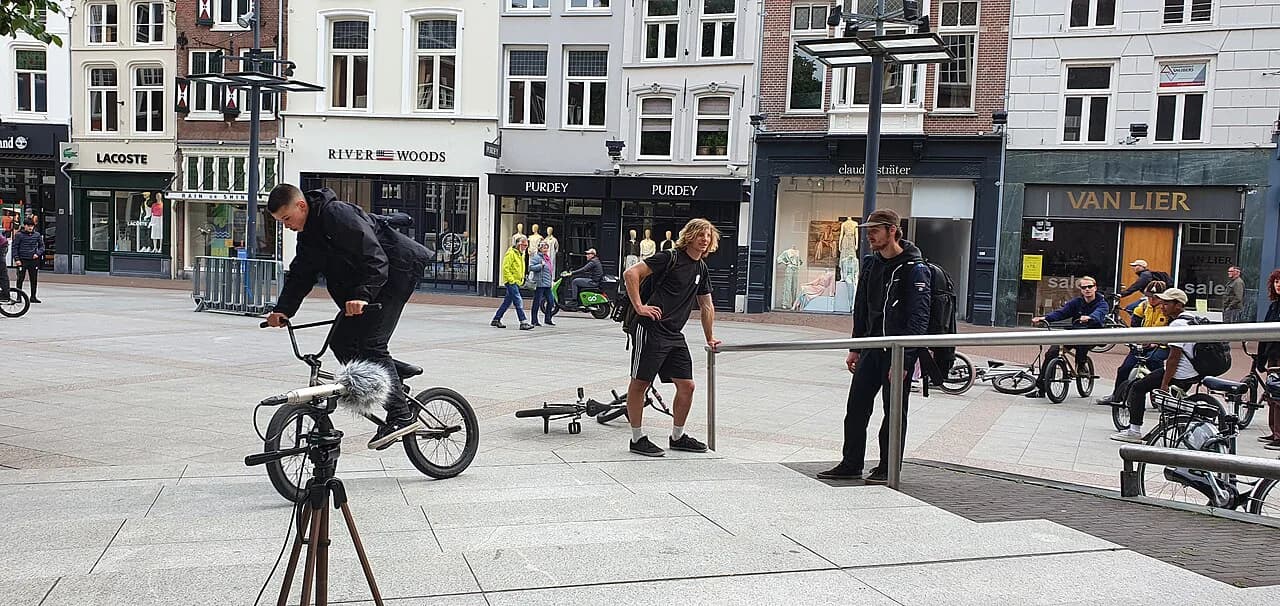
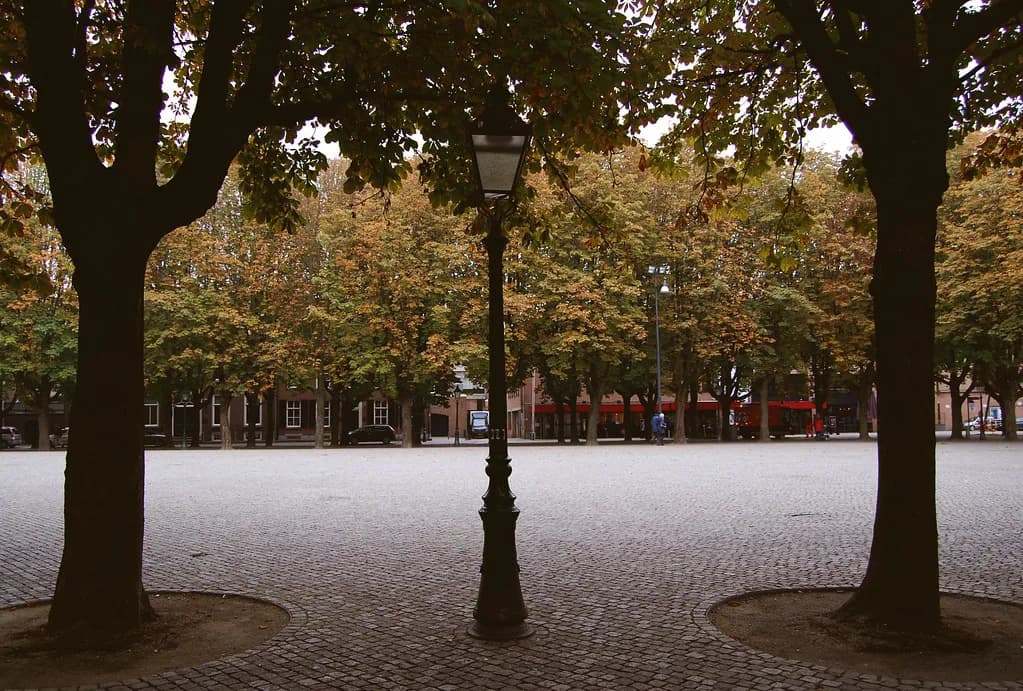
The Markt has been the city's main square since the Middle Ages and still holds the old City Hall, a statue of Hieronymus Bosch and De Moriaan, a thirteenth-century brick building described as the oldest of its kind in the Netherlands. All three are outside, so you can see them on a loop through the square without planning a stop.
From the Markt, the streets fanning out towards Uilenburg and Molenstraat give you canal views, small boutiques and hidden courtyards, and they cost nothing to wander. The square also hosts market activity, so check the current market days before you build your visit around one; the Den Bosch market guide covers the square's market side in more depth.
Old-town streets worth a slow walk: Uilenburg and Korte Putstraat
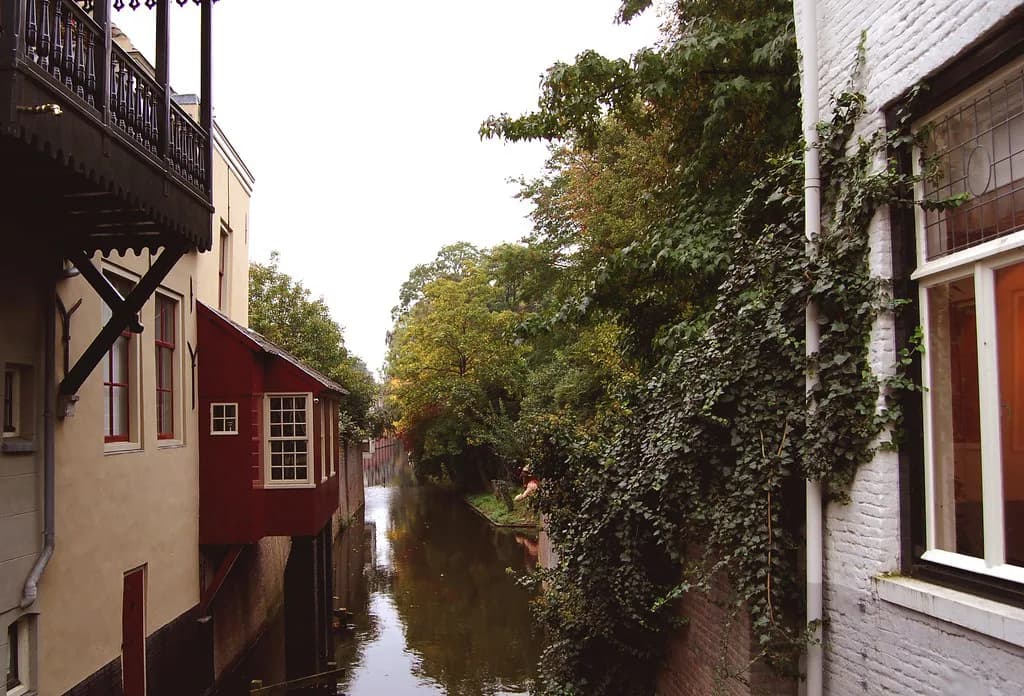
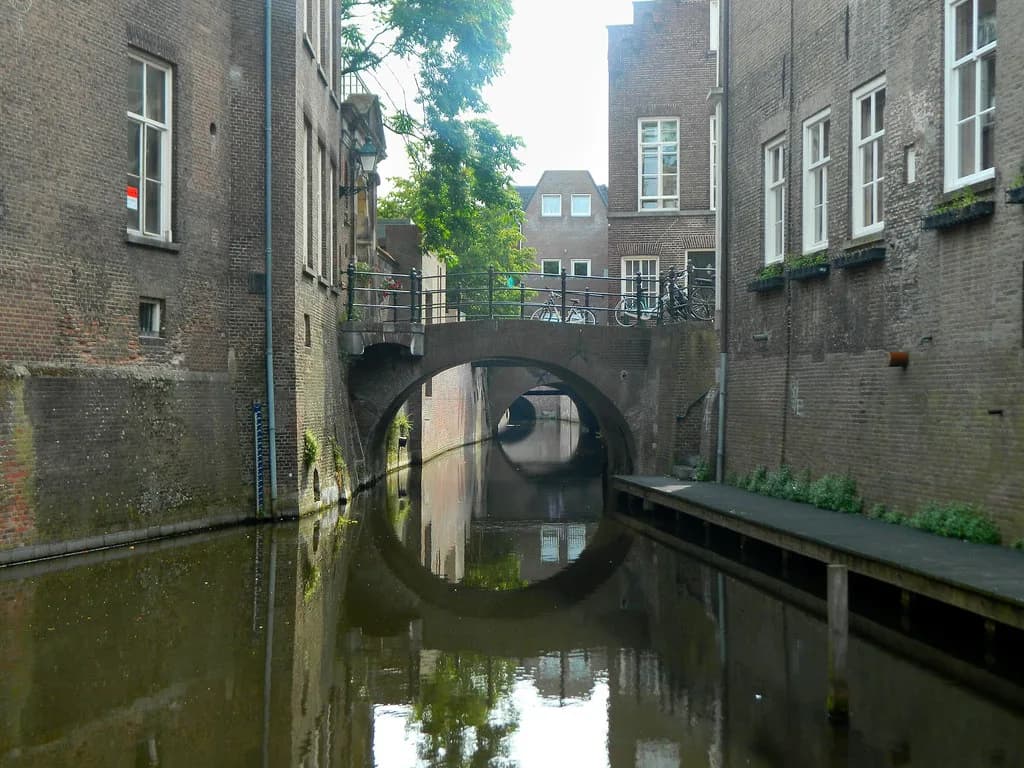
Uilenburg and Molenstraat are the streets to walk slowly: canal water, bridges and brick facades rather than museum exhibits, and the kind of small courtyards that reward a detour. The city's old centre is small enough to cover on foot in an afternoon, which is exactly what makes a free day here work.
Korte Putstraat and the lanes around it make up the other half of a good free loop, with the shopping streets and boutiques sitting in between. The wider set of things to do in Den Bosch fills in the paid sights these streets lead to.
If you would rather follow a route than improvise, a Den Bosch walking tour covers the same ground with a guide and local context.
The canals and the Binnendieze seen from street level, and what a boat costs if you pay
Den Bosch's canals are lined with colourful buildings and bridges you can cross for nothing, and the Binnendieze, the old waterway running through and under the centre, is visible from the streets above it. That street-level view is the free version of the city's most distinctive feature.
The underground trip is the trade-off, and the regular Binnendieze tour is a paid excursion: boat tours run through the narrow tunnels beneath the streets, with commentary in Dutch and an English brochure for international visitors. Treat it as a budgeted extra rather than part of a free day, and check the operator's own page for price and departure times.
The street-level view is the free version of the canal network, and it is worth pairing with the paid boat only if your budget allows. A dedicated guide to Den Bosch's canals and boat tours covers the routes in more depth.
The Citadel and the star-shaped fortifications
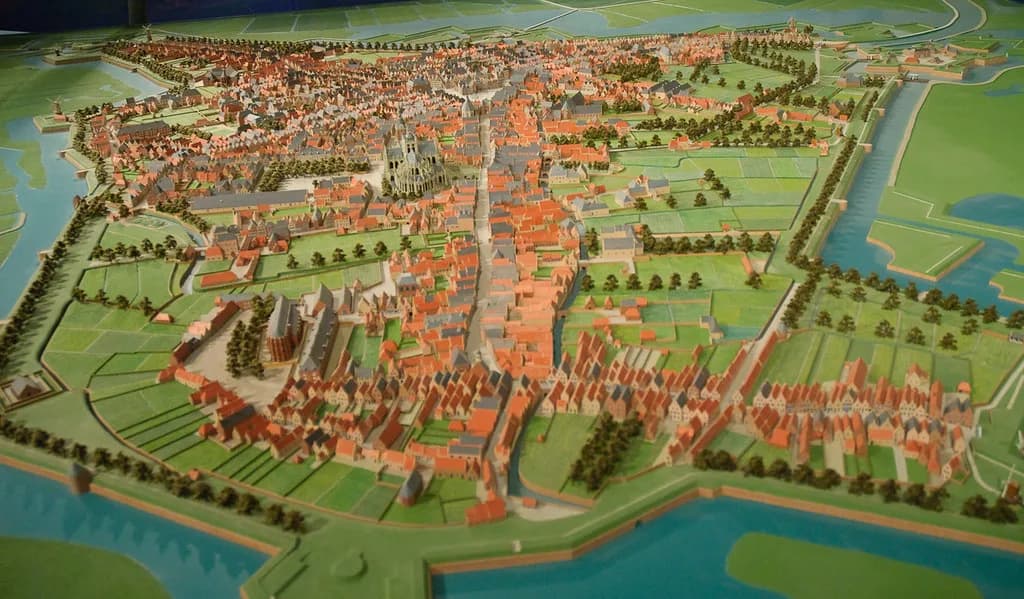
The Citadel was built between 1637 and 1642 on the orders of Frederik Hendrik, and locals nicknamed it Papenbril, the priest's spectacles, for its star-shaped plan, with cannons said to have been turned inward on the Catholic city. Its geometric outline and the surrounding walk are free to see as you explore the old town's edge.
Pair it with the old town rather than treating it as a separate trip: it is close enough that it slots into the same afternoon as the cathedral and the Markt. The city's dragon nickname came from the marshland defences around it, so the walk out here also explains how Den Bosch was protected.
Parks and green edges: the Bossche Broek and De Moerputten
The Bossche Broek is the marshland on the city's edge that once made Den Bosch so hard to attack, and it is a walk from the centre. Further out, De Moerputten is a nature reserve that appears among the free things to do in the city.
If you want a longer leg-stretch, the Loonse en Drunense Duinen national park gives you sand dunes, heath and forest near the city, but it needs half a day and is not a walk from the Markt. Keep it for a second day rather than squeezing it into a free afternoon.
How much of Den Bosch fits into one free day versus two
One free day is enough for Sint-Jan, the Markt, Uilenburg and the Citadel at an unhurried pace, with time left to stop for a Bossche Bol, the local cream-and-chocolate pastry. Two days lets you add the paid museums, the Binnendieze boat and a walk out to the green edges without rushing any of them.
The city rewards a second day mainly through its museums. The Noordbrabants Museum is the flagship, with a collection spanning paintings, prints, textiles and archaeology and a Van Gogh annexe, and the Jheronimus Bosch Art Center fills a converted church with reproductions of Bosch's work.
Treat the free sights as the plan for arrival day and museum day as the plan for the next morning, and you avoid paying for a ticket on the afternoon your legs have given up.
Markets and squares: what happens on the Markt and when to time a visit
The Markt is the natural place to start and end a free day, and whatever market activity is running gives the square a different character depending on the day you arrive. Confirm the current market days before you build your visit around one.
Outside market hours the square is still worth crossing for the City Hall facade and the Bosch statue, and it is the hinge between the cathedral, the shopping streets and the walk to the Citadel.
Where free stops end: museums and tower climbs that charge, and why the Bossche Bol is a cheap treat not a free one
The Noordbrabants Museum, the Jheronimus Bosch Art Center and the cathedral tower all charge admission, so none belongs on a strictly free day. Prices change, so check the museums' own pages rather than relying on an old figure.
The Bossche Bol is the city's signature pastry, a large choux bun filled with cream and coated in chocolate, and Jan de Groot's bakery near the station is the classic place to buy one. It is a cheap treat rather than a free one, so budget for it separately from your sightseeing.
Anyone building a day around food, shops and small stops will find the shopping in Den Bosch and the city's art scene useful complements to the free walk.
Is a free day in Den Bosch worth it?
Yes, because the free layer of Den Bosch is the layer that defines the city: the cathedral, the Markt, the canal streets and the Citadel are not consolation prizes for skipping the museums. Build the day around those, add a boat or a museum only if the budget and the weather allow, and you will still leave feeling you have seen the place properly.
Explore more Den Bosch guides
Frequently Asked Questions
What can you do in Den Bosch for free?
The Markt with its City Hall and the Moriaan, the canal streets of Uilenburg and Molenstraat, the Citadel with its star-shaped fortifications, and the old town's courtyards and alleyways cost nothing to walk. The cathedral is a public monument and can be seen from the square; the church interior's entry terms are not confirmed here, and the museums, the cathedral tower and the Binnendieze boat all charge.
Is Den Bosch worth visiting for a day?
Yes. The old town is compact enough to cover on foot in a day, with a Gothic cathedral, a medieval market square and canal-side streets within minutes of each other. Two days lets you add the museums and the underground canal boat without rushing.
Do you need to pay to see the Binnendieze canals?
You can see the water from the streets above it for nothing. Going underneath means joining a paid boat tour, and the regular tour is narrated in Dutch with an English brochure provided for international visitors.
Sources
Notes for your next Dutch city break
Optional updates to our Netherlands guides.
You might also like
Continue reading
More guides you'll find useful