Den Bosch Art: Museums, Galleries and Street Art to See
Den Bosch art covers the Jheronimus Bosch Art Center, Noordbrabants Museum, smaller collections and street-level Bosch figures. Here is what to see.
On this page
Den Bosch art means two things: the imagination of Hieronymus Bosch, the painter born here who took his name from the city, and the museums that carry that legacy today. The headline pairing is the Jheronimus Bosch Art Center, which shows reproductions and three-dimensional creatures rather than originals, and the Noordbrabants Museum, the city's flagship collection. This guide orders both, adds the smaller museums and the cathedral, and ends with the street figures and canal trip that connect them.
Den Bosch rewards planning around opening days. Several museums here are small, so a Monday can wipe out half your list. On the Binnendieze the spoken commentary runs in Dutch, with an English brochure for international visitors summarising the main sights along the route. Build the day around one anchor museum, then fill gaps on foot. For a wider menu of activities in the city beyond the galleries, see Things to Do in Den Bosch.
What Den Bosch art means for a visitor
The city's art identity rests on one painter. Jheronimus van Aken was born around 1450 in Den Bosch and is known to the world as Hieronymus Bosch, taking his name from the city itself. That single fact explains why so much of the art on offer here circles back to his creatures, his moralising visions and the medieval streets he grew up in; for the city's background, see this history of Den Bosch.
The practical consequence is that Den Bosch splits its Bosch offering between a dedicated art centre built on reproductions and a provincial museum with a broad collection. Neither is a blockbuster Old Master gallery, so arrive knowing what you are paying for and you will enjoy both more. If you want the wider menu of city activities alongside the galleries, see Things to Do in Den Bosch.
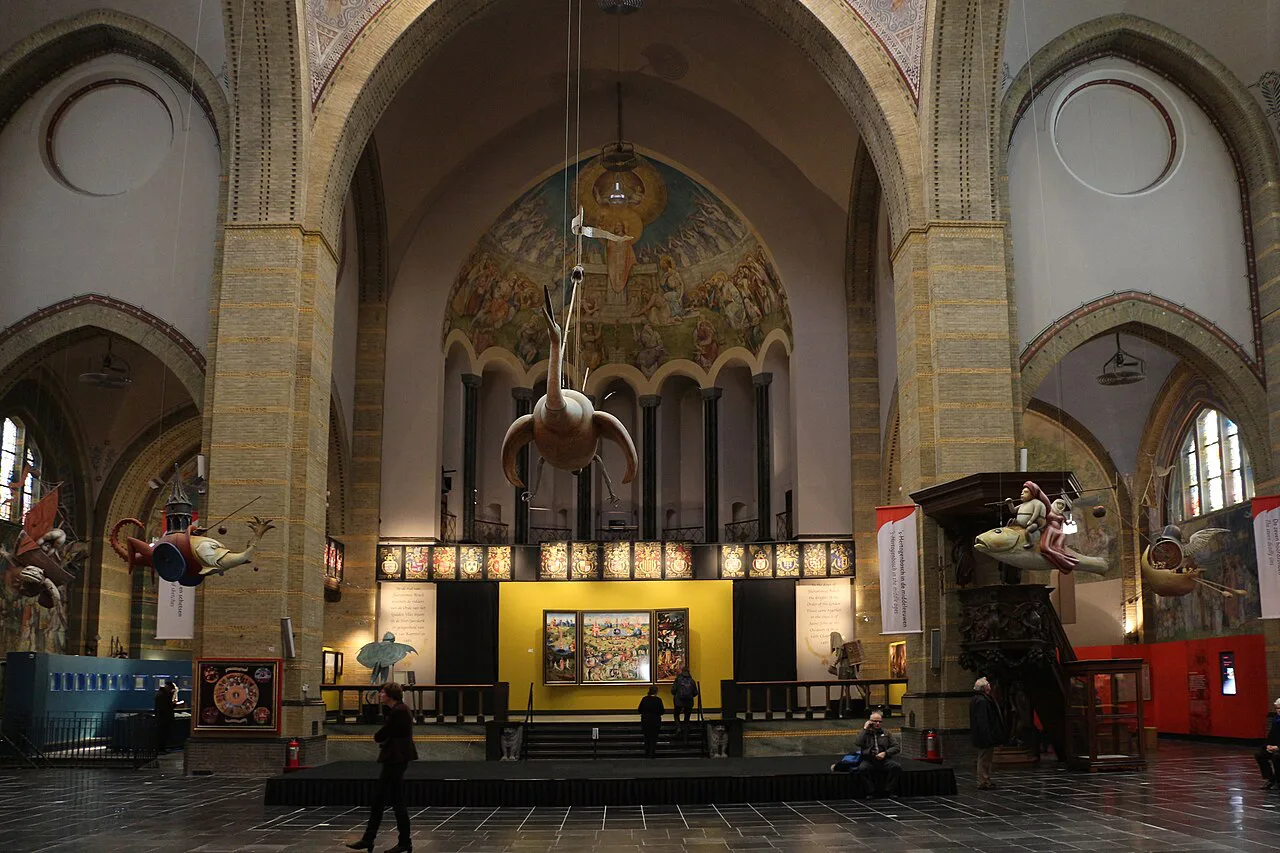
Jheronimus Bosch Art Center: reproductions, 3D creatures and city views
The Jheronimus Bosch Art Center occupies a converted church and is given over entirely to the painter's work. What hangs there are high-quality reproductions of the complete works rather than originals, alongside three-dimensional representations of his fantastical creatures. Reviewers on TripAdvisor describe a nicely designed museum showing reproductions of Bosch's works and those of artists inspired by him, with a booklet explaining each painting.
Budget one to one and a half hours inside. Even without the 3D creatures, the reproduced panels give children something concrete to hunt for, and the centre works as an introduction before you walk the old town.
Treat the centre as an introduction rather than a substitute. Once you have seen the reproduced panels here, the carved monsters on the cathedral and the dragon figures scattered through the streets read differently. The reproductions give you the context for everything else you will notice on foot.
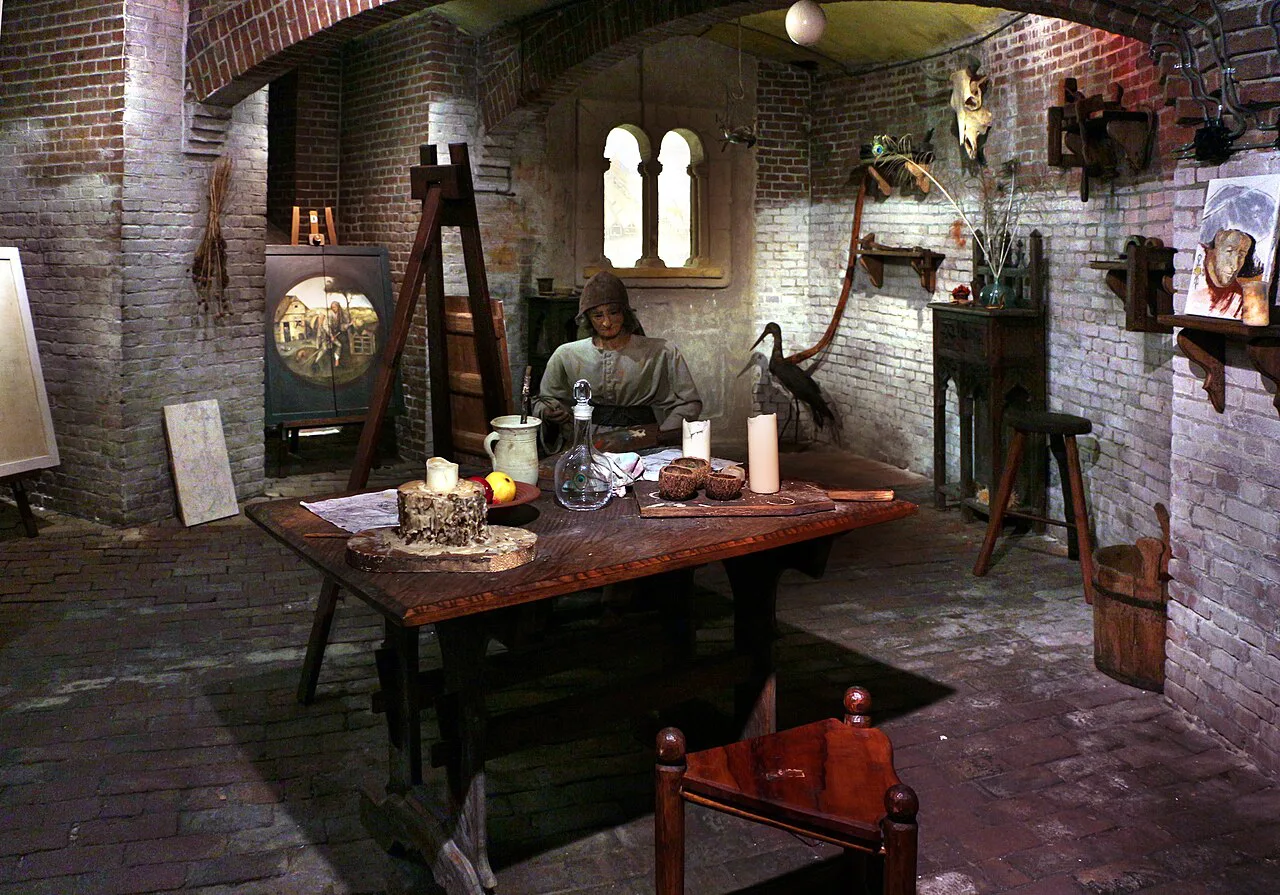
Noordbrabants Museum: the flagship collection and its Van Gogh displays
The Noordbrabants Museum is Den Bosch's flagship museum, with a collection spanning paintings, prints, textiles and archaeology across more than 30,000 objects. It houses an exhibition of Van Gogh's work, which is the part not to rush. This is the place to start if you want the broader provincial collection rather than a Bosch-only visit; the wider list of museums in Den Bosch sets the city collections side by side.
Allow one and a half to two hours, longer than the Bosch centre needs because the collection is broader and the Van Gogh rooms reward a slower pace. If your time in Den Bosch is one day only, choose this museum for range and the art centre for Bosch specifically.
Check the museum's own site for current opening days and ticket prices before you commit a morning to it. The wider list of museums in Den Bosch sets the city collections side by side if you want to weigh them against the two headline venues.
Museum Slager and the city's smaller collections
Museum Slager is the small collection to know about, showing work by the Slager family of Den Bosch painters. It suits an hour between bigger sights, when you have already booked a boat trip and a cathedral visit into the same day and want one more stop on foot.
The trade-off is straightforward. Small museums here have limited opening and modest display space, so treat Museum Slager as an optional stop rather than a fixed appointment, and confirm days and admission on the venue's own page before walking across town.
Nationaal Carnavalsmuseum: art, costume and the Oeteldonk tradition
Den Bosch celebrates carnival under its own invented name, Oeteldonk, and the Nationaal Carnavalsmuseum documents that tradition through costume, imagery and the visual language of the festival. It is the odd one out on an art itinerary, and that is exactly why it earns a slot: the masks, banners and floats are design work as much as folk craft.
Go if your visit lands outside carnival itself and you want to understand why the city changes character so completely for those days. If your trip coincides with the festivities, the streets themselves become the exhibition.
The Sint-Jan Cathedral as art: Gothic carving, stained glass and the tower
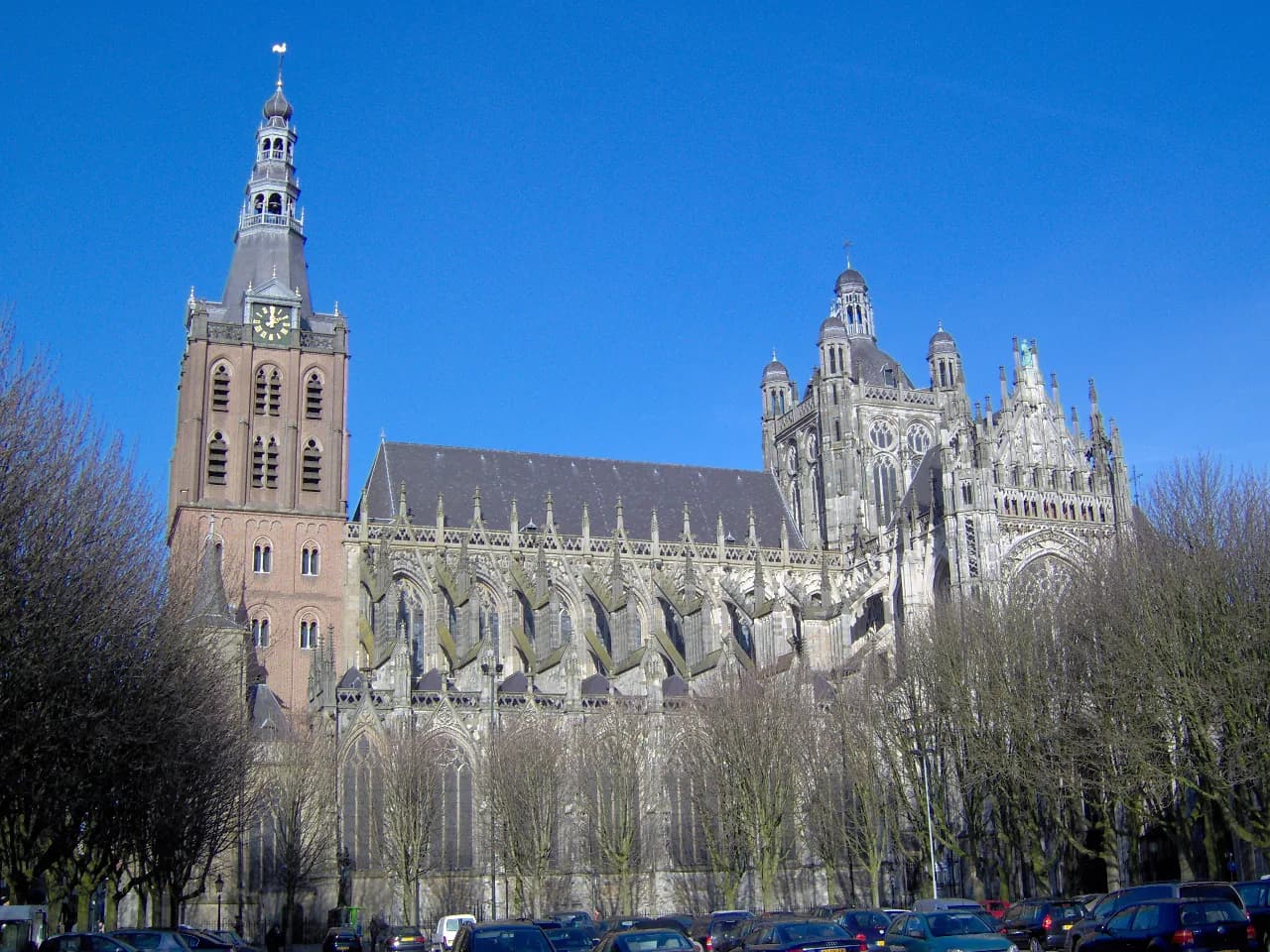
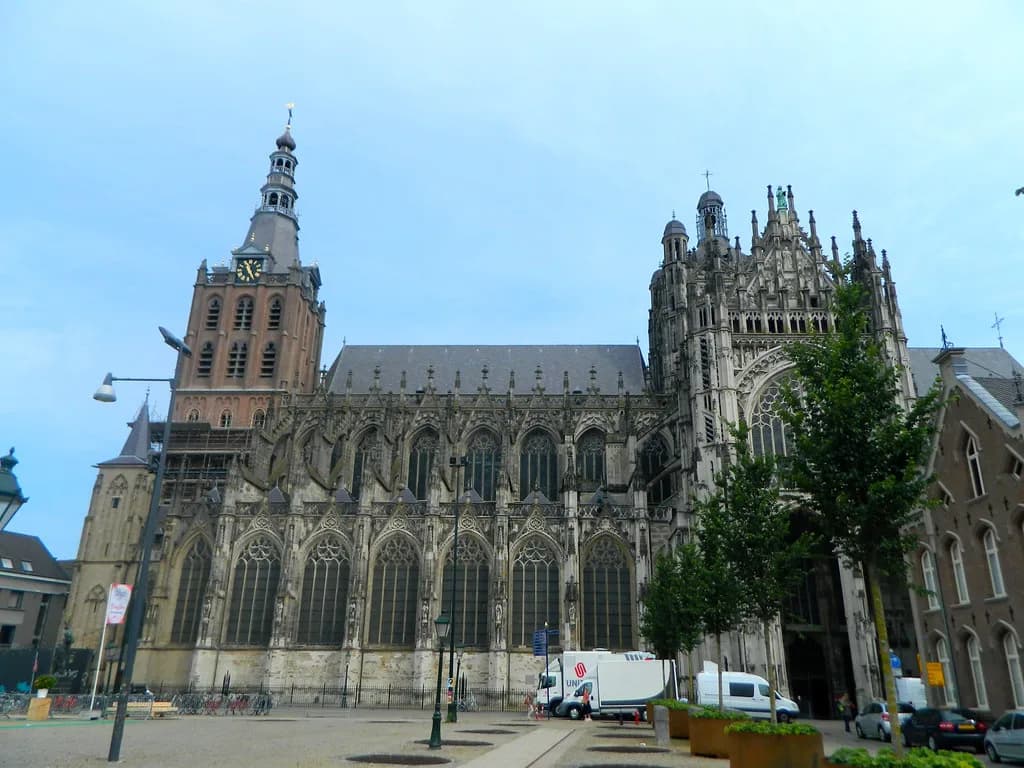
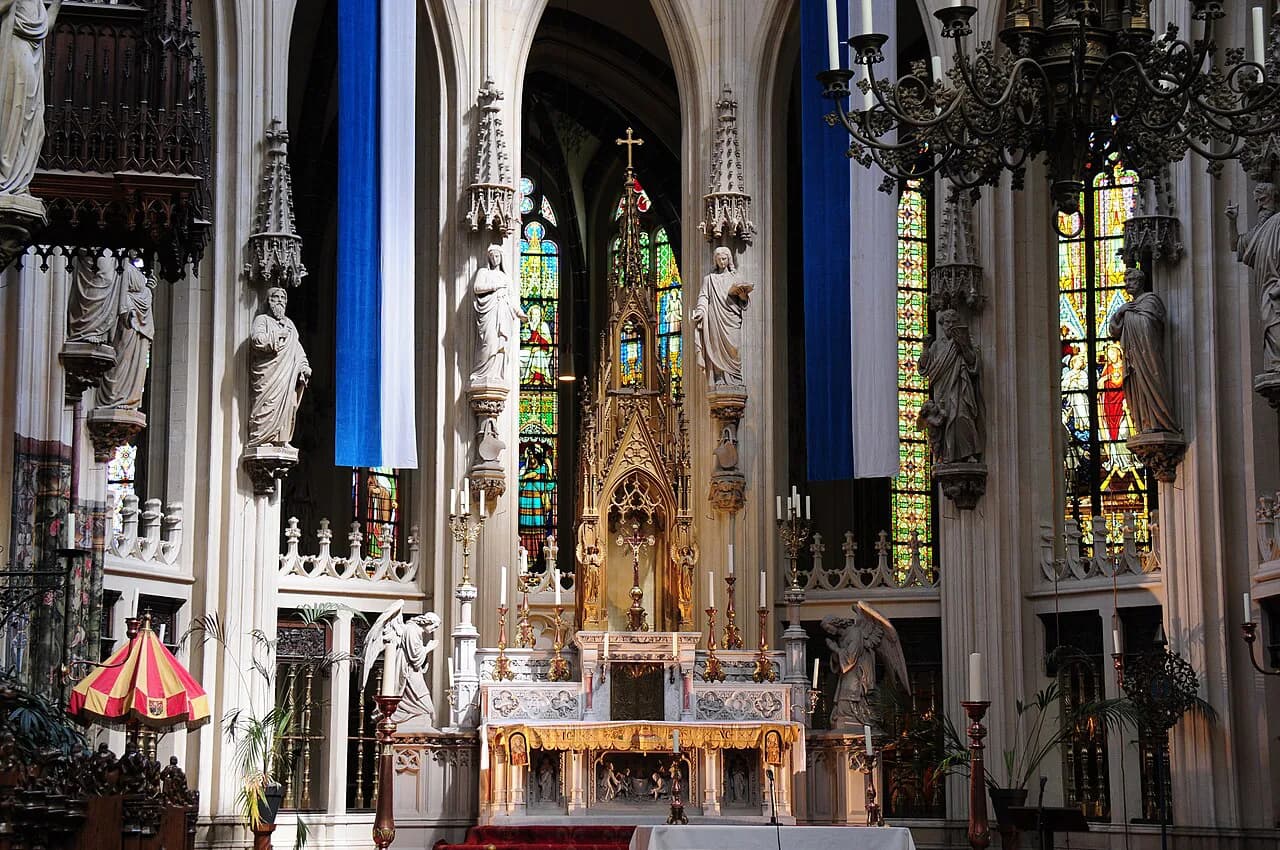
Sint-Jan is the city's largest work of art. Construction began in the 14th century and took two centuries to finish, which shows in the carved figures, flying buttresses and gargoyles that cover the exterior. Inside, the stained glass and the height of the nave do most of the work.
The tower is the committed option: 73 metres high, it gives a panoramic view over the old town for those who make the climb. Choose between the climb and a cathedral visit if your day is tight, because both eat an hour or more.
Binnendieze boat tour: the underground canals said to have fed Bosch's imagination
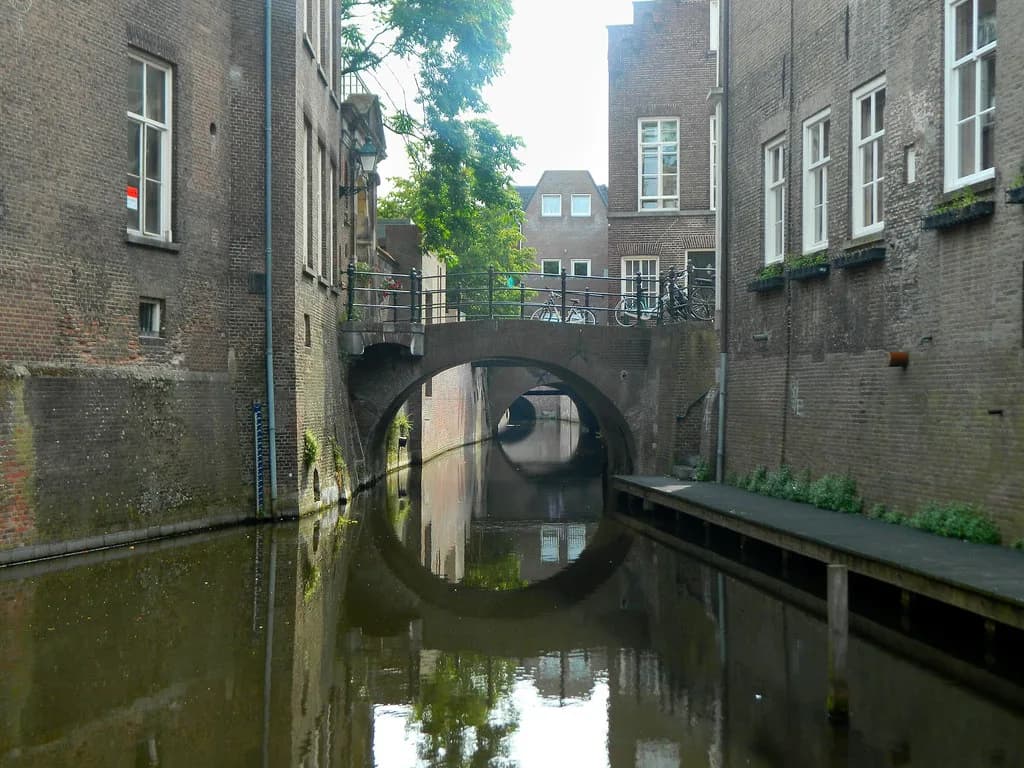
The Binnendieze is the network of canals running under and through the old centre, and a boat tour is the only way to see the stretches that pass beneath the streets. The stories attached to those tunnels are regularly linked to the imagery in Bosch's paintings, which is reason enough to take the trip after visiting the art centre rather than before. Regular tours are primarily guided in Dutch, with an English brochure summarising the main sights along the route.
Plan the rest of the day around your slot rather than the reverse. The full picture of routes and operators sits in this guide to Den Bosch canals and boat tours.
Street-level art: Bosch statues and dragons around the old town
Den Bosch wears its art on the streets. Statues of Jheronimus Bosch and his creatures turn up on corners, and dragons appear across the city as a nod to the nickname Moerasdraak, or Swamp Dragon, earned during the Dutch Revolt when the surrounding marshland made the city so hard to take. They give a walk through the centre a thread to follow.
Markt and the historic centre: Moriaan, City Hall and a walking route between sights
Start at the Markt, the medieval heart of Den Bosch, where the old City Hall, the Bosch statue and the Moriaan stand within sight of each other. The Moriaan is counted among the oldest brick buildings in the Netherlands, dating to the 13th century, and it anchors the square.
From there, wander down Korte Putstraat and Uilenburg for canal views, courtyards and shopfronts before cutting back towards Sint-Jan and the Binnendieze landing stage. Uilenburg in particular repays a slow stroll, with some of the best canal views in the city.
How many days art needs in Den Bosch: one day versus two
One day covers the essentials: a morning at the Noordbrabants Museum or the Bosch art centre, Sint-Jan at midday, and a Binnendieze boat in the afternoon. That pace works because the old town is compact and the main sights sit within easy walking distance of the Markt. A Den Bosch Walking Tour can stitch the squares, courtyards and alleys together if you would rather follow a route than plan one.
Two days lets you do both headline museums properly, add Museum Slager and still climb the tower. The gain is depth rather than more sights, since the city runs out of galleries before it runs out of charm. If your interests lean towards the city's background rather than its art, the wider list of things to do in Den Bosch keeps both in balance.
Practical trade-offs: Monday closures and booking boat tours
Dutch museums often close on Mondays, so check the day before building an art day around a particular venue. Small venues are the most exposed. Confirm the opening day and any slot requirement on the museum's own site before you travel.
Boat tours deserve the same forward planning. Regular boat commentary is primarily in Dutch, with an English brochure aboard the Binnendieze trip, and English, French or German city walks can be requested in advance, with a dedicated group-request route for English-language tours. For the history behind the sights you will pass, this background on Den Bosch history fills in the gaps between the art.
Which Den Bosch art stop comes first?
Start with the Jheronimus Bosch Art Center if Bosch is why you came, then let Sint-Jan and the Binnendieze do the rest of the storytelling. Pick the Noordbrabants Museum instead when the breadth of a wider collection matters more than a Bosch-only visit, and protect that choice by checking opening days first.
Walk between them rather than planning transport, keep one slot free for a boat trip, and leave the small museums for a second visit. That order gives you the city's art in the sequence it makes sense: the painter, the church he knew, the canals beneath both.
Frequently Asked Questions
Is there an artist named Bosch?
Yes. Hieronymus Bosch is the name the painter Jheronimus van Aken took from his home city of 's-Hertogenbosch, where he was born around 1450. He is the reason the Jheronimus Bosch Art Center is dedicated to his work in Den Bosch today.
What is Den Bosch known for?
Den Bosch is known for its medieval centre, the Gothic Sint-Jan Cathedral, the underground Binnendieze canals and the painter Hieronymus Bosch. The Bossche Bol pastry is the city's other signature, and the Moriaan building on the Markt is among the oldest brick buildings in the Netherlands.
Does the Jheronimus Bosch Art Center show original paintings?
No. The centre holds high-quality reproductions of Bosch's complete works, including three-dimensional versions of his creatures, in a converted church. Visitors wanting the broader provincial collection should look to the Noordbrabants Museum instead.
Are the smaller Den Bosch museums open every day?
Small collections such as Museum Slager keep limited days, and Dutch museums frequently close on Mondays. Check each venue's own page for current opening days and admission before you build a route around them.
Sources
Notes for your next Dutch city break
Optional updates to our Netherlands guides.
You might also like
Continue reading
More guides you'll find useful