
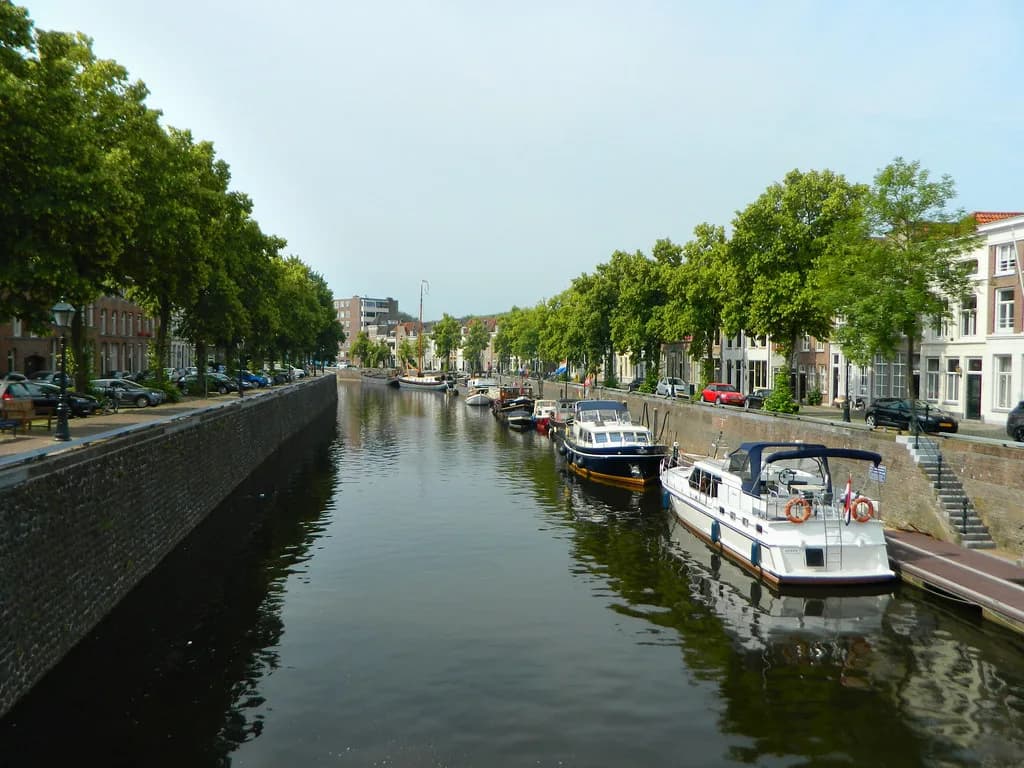
Museum Slager: a small Den Bosch museum behind the Sint-Jan
Museum Slager is a small museum in the centre of Den Bosch given over to the painters of one family: three generations, eight artists in all. It sits right behind the choir of the Sint-Jan, which makes it an easy add-on to a cathedral visit rather than a separate outing. This guide covers where the museum is, what hangs inside, when it opens and how much of your day it deserves.
The building itself is often described as a hidden Pearl of the binnenstad, and the description fits: it sits just behind the choir of the Sint-Jan rather than on a main square, so there is no grand entrance to spot from the Markt. Expect a focused collection of paintings rather than multimedia displays, plus a temporary exhibition that changes each year.
Where Museum Slager is in Den Bosch
The museum stands in the historic centre of 's-Hertogenbosch, vlak achter het koor van de Sint-Jan — just behind the choir of the cathedral. Use the Sint-Jan as your landmark: walk around the east end of the church, away from the Markt, and you are essentially there. That position puts it inside the ring of streets most visitors cover on foot anyway.
Walking from Den Bosch station brings you into the centre, and the historic core is compact enough to cross on foot. If you are planning a wider circuit, the Den Bosch Attractions: 12 Visitor Guides collection helps you put each sight in order.
The family behind the collection
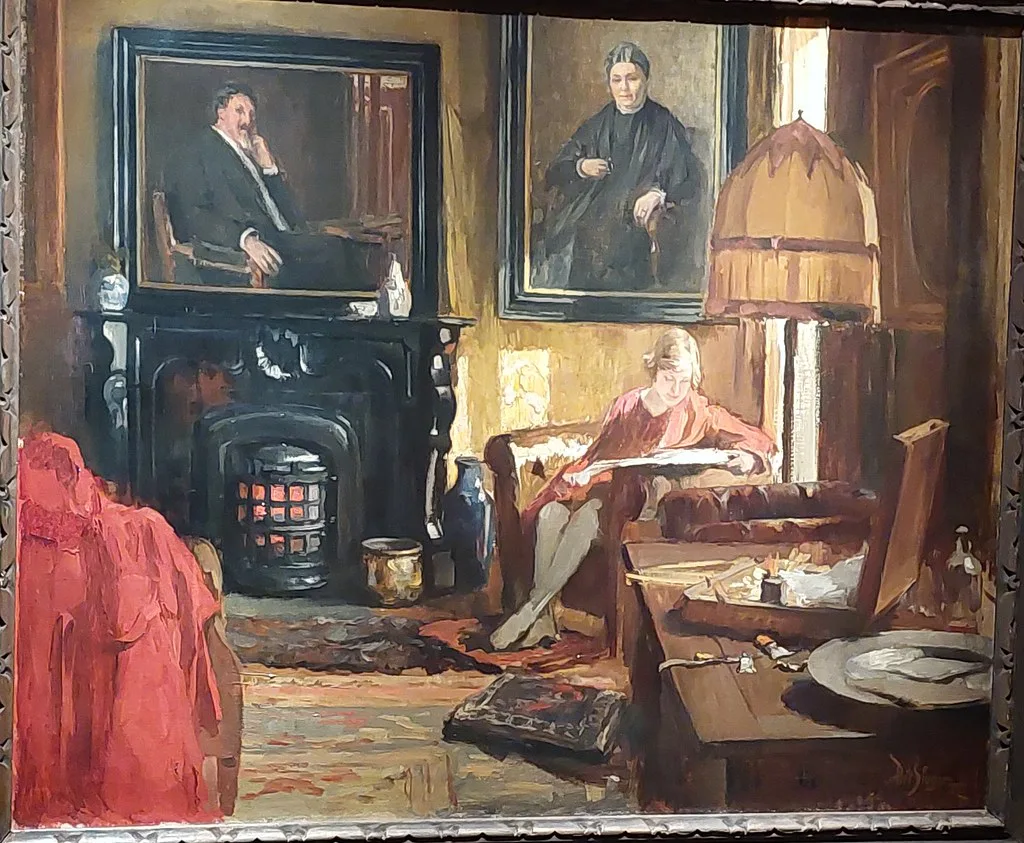
The Slager collection is not the work of one celebrated name but of a dynasty. Three generations of the family produced eight working artists, and the museum is built around their paintings, drawings and prints. Petrus Marinus Slager, the family's founding painter, taught a young Jan Sluijters for a year before the Sluijters family moved to Amsterdam and Jan enrolled at the Rijksakademie.
The most useful thing to know before you go is the family's taste. Abstraction was taboo in the Slager circle, so what hangs on the walls is figurative work: portraits, interiors, city views and religious scenes. If twentieth-century experiment is what draws you, this collection will feel conservative; if you like watching a craft passed down through a family, it is exactly the point. The rule also shapes the temporary shows, which stay resolutely representational.
What the anniversary exhibition shows
For its fiftieth year the museum has paired the Slager family works with paintings, drawings and prints by Den Bosch contemporaries and, in several cases, pupils of the family. The exhibition ranges across figurative work from roughly 1850 to 1950, so you are looking at a cross-section of the city's art across a century. Short films introducing the family and the museum's history open the display.
The standout loans are portraits by Jan Sluijters, one of which appears on the exhibition poster, and a portrait of Suze Slager-Velsen by Herman Moerkerk. Antoon Derkinderen, who painted the wall in the entrance hall of Den Bosch's town hall, is represented by an abbot's portrait, and there are two painted interiors by Hendrik de Laat. Huib Luns appears as the founding director of the city's Koninklijke School voor Beeldende en Nuttige Kunsten.
The anecdote worth carrying away concerns Moerkerk and a fictitious artist called Alexei Wladkine. In August 1926, feeling overlooked, he painted about twenty expressionist canvases under the invented Russian name and showed them at a gallery in Tilburg rather than Den Bosch, where too many people knew him; he then loitered in the gallery offering sour comments on his own work. Public and press alike praised the paintings, the joke fell flat, and he abandoned the experiment.
The Sint-Jan has hosted a summer exhibition each year since 2022, tied to the cathedral or the Catholic faith. The 2026 edition is organised by Museum Slager and shows works in which the cathedral features, in the choir ambulatory from 23 April to 13 September 2026. It opened on 23 April, the day Museum Slager marked its fiftieth anniversary.
Opening days and hours
Museum Slager is closed on Mondays, according to current listings, and opens from 11:00 to 17:00 on the days it is open. Plan around that Monday closure rather than assuming a Dutch museum will be open at the start of your city break.
The museum has an admission charge rather than free entry. The exact rate is best confirmed on the museum's own site, museumslager.nl, along with whether you need to book a slot before you set out.
How long to allow
Budget forty-five minutes to an hour. The collection is small, the rooms are few and there is no sprawling wing to get lost in, so an hour covers the permanent family works and a slow pass through the temporary exhibition. Add fifteen minutes if you watch the short introductory films.
This is a museum for travellers who genuinely like painting, not for anyone chasing a headline attraction. The honest trade-off is that a general visitor with one day in Den Bosch will get more from the cathedral next door and the city's larger collections, while a painter or a fan of Dutch figurative art will find the Slager rooms more rewarding than their size suggests. Pair it with the Sint-Jan rather than making a special trip.
What to combine with a visit
The Sint-Jan is the obvious partner: step out of the museum and you are at the cathedral's choir end, with the nave, the 1622 organ and the roof to look at. The Markt, the city's main square, is a short walk west, and the Noordbrabants Museum in Den Bosch sits south of the centre with the region's broader art and history collections.
For a different angle on the city's art, the Jheronimus Bosch Art Center takes the most famous painter associated with Den Bosch and gives him a venue of his own. The Zwanenbroedershuis Den Bosch, home of the Illustre Lieve Vrouwe Broederschap, adds a religious and archival dimension within walking distance. If you have a full afternoon, the Design Museum Den Bosch covers design rather than painting and makes a deliberate contrast.
The medieval De Moriaan, one of the oldest brick buildings in the city, stands close to the Markt and works as a brief pause on the walk between the cathedral and the shops. Fort Isabella, Vught, lies outside the centre and needs a bike or a bus, so treat it as a separate half-day.
Is Museum Slager worth an hour of your day?
Yes, if you are already at the Sint-Jan and want to see how one Den Bosch family painted for a century. No, if you have a single day and have not yet seen the cathedral, the Markt or the Noordbrabants Museum — do those first and come back to the Slager rooms when you have time to spare.
Build the visit into a morning: the cathedral when it opens, Museum Slager straight after, then lunch on or near the Markt. Fit the day around the Monday closure and confirm the current admission arrangements on the museum's own site before you travel.
Explore more Den Bosch guides
Frequently Asked Questions
Who was a famous artist from Den Bosch?
Jheronimus Bosch is the city's most famous painter and takes his name from it, though he worked centuries before the Slager family. Jan Sluijters, born in Den Bosch in 1881, is the best-known modern name connected with the museum, and portraits by him feature in the anniversary exhibition.
Do you need to book Museum Slager in advance?
Check the museum's own site (museumslager.nl) before you go to confirm whether you need to reserve a slot, and note the Monday closure when you pick a day.
How does Museum Slager compare with the Noordbrabants Museum?
Museum Slager is a single-family collection that takes under an hour, while the Noordbrabants Museum covers the wider art and history of the province and needs considerably more time. They complement each other rather than compete, and both sit within walking distance of the centre.