Den Bosch Walking Tour: A Self-Guided Route Through 's-Hertogenbosch
Walk Den Bosch old town on a self-guided route past St John's Cathedral, the Binnendieze, Uilenburg, the museums and the Citadel, with a sensible stop order.
On this page
Den Bosch old town is walkable in a single unhurried day, and the centre inside the canal ring is small enough that you rarely need transport between sights. The catch is choice: the cathedral, the underground river, two museums, the Citadel and the Tramkade all pull in different directions. This route fixes a stop order so you can follow it without a map app, and explains where a museum stop changes the shape of the day.
Everything here sits within the historic core or a short walk beyond it, with the Markt as the natural starting point and the canals as your boundary. The city's identity leans on master painter Hieronymus Bosch, whose name the town carries, and VisitBrabant points visitors towards Saint John's Cathedral, the Uilenburg district, the Binnendieze and a Bossche Bol as the essentials.
What a Den Bosch walking tour covers
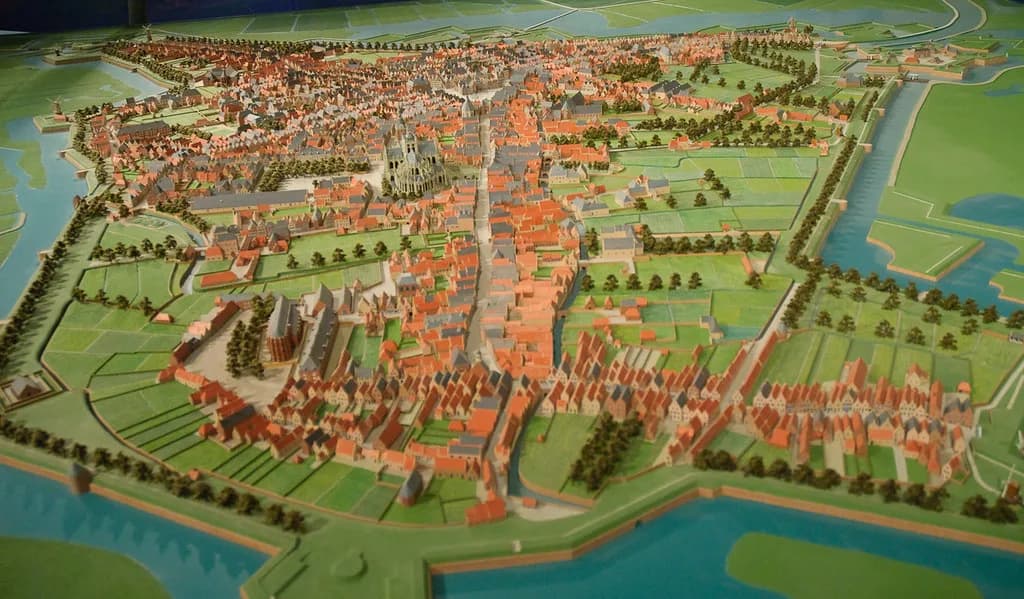
The old town curls inside a ring of canals, and most of what you came to see sits within it. That compactness is the reason a walking tour works: you move from the Markt to the cathedral in a few minutes, then to the Binnendieze and Uilenburg without crossing a traffic artery. You can loop the whole centre and still have time for one museum or a boat.
Treat the route as a spine rather than a strict itinerary. The stops below run in a logical walking order, but you can join anywhere and cut east to the Citadel or west to the Tramkade when the mood takes you. Bike rental is an option for the edges of town, though the old town itself is better on foot.
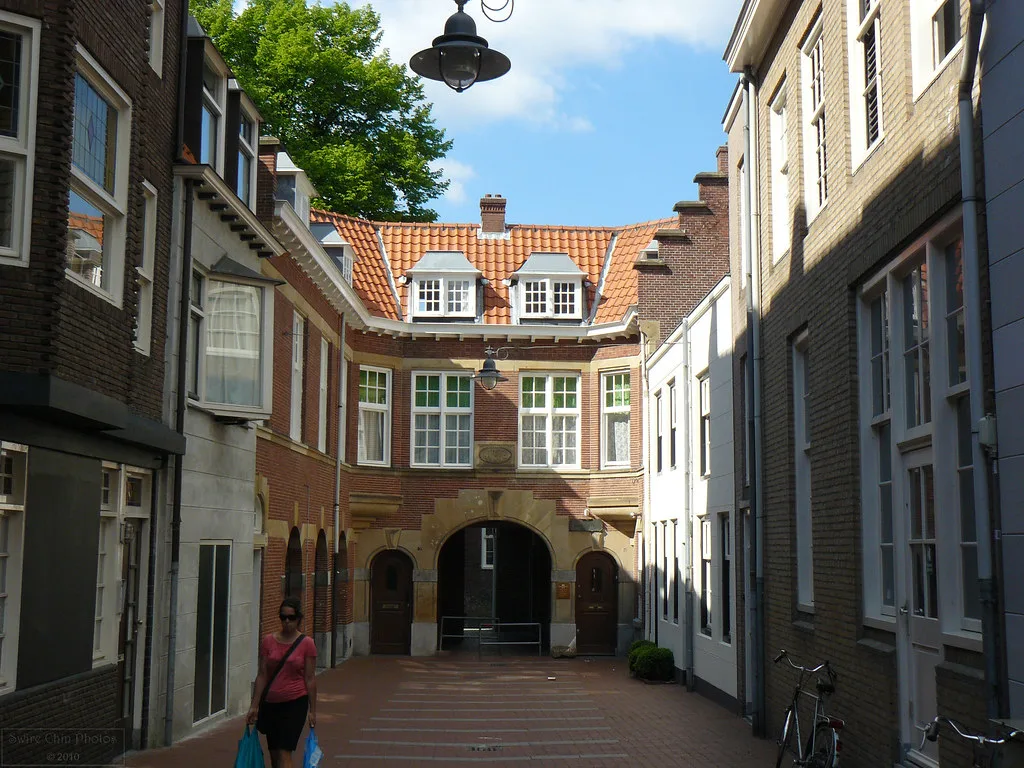
Start at the Markt and the Stadhuis
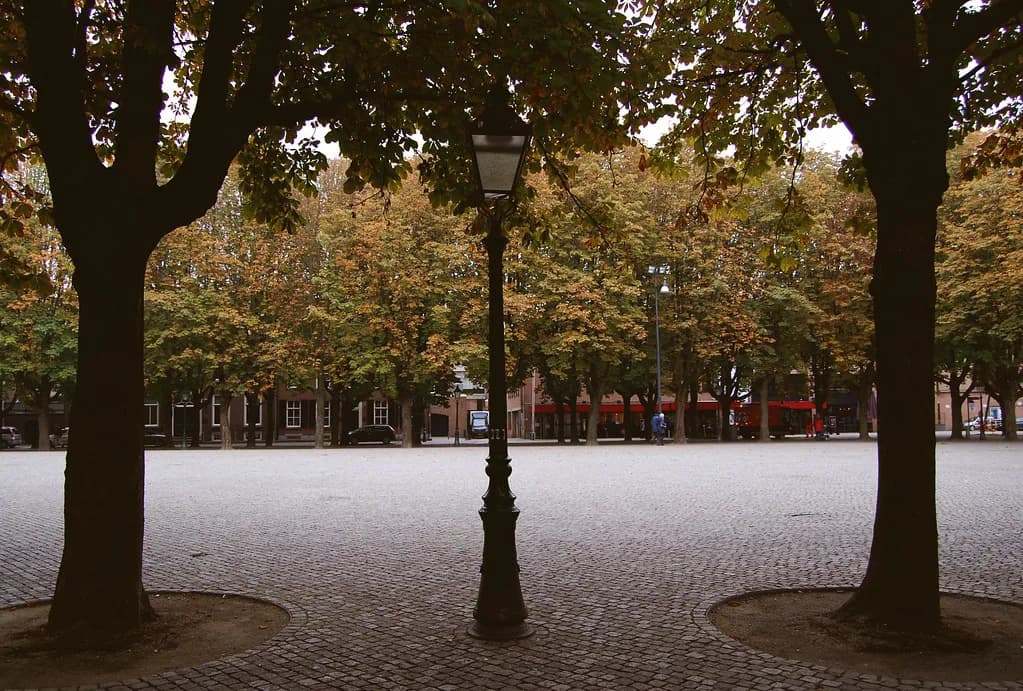
Begin on the Markt, the wide square in the middle of the old town where the Stadhuis stands as your orientation point. Stand with the Stadhuis behind you and the streets fan out towards the cathedral, the shopping streets and the canals, which makes this the best place to fix your bearings before you walk anywhere.
The Markt is the natural place to start because so much radiates from it, including the streets that lead towards the cathedral and the shopping lanes.
The streets around the square reward wandering before you commit to the cathedral, and the lanes between the Markt and the canal ring are the easiest place to loop back later.
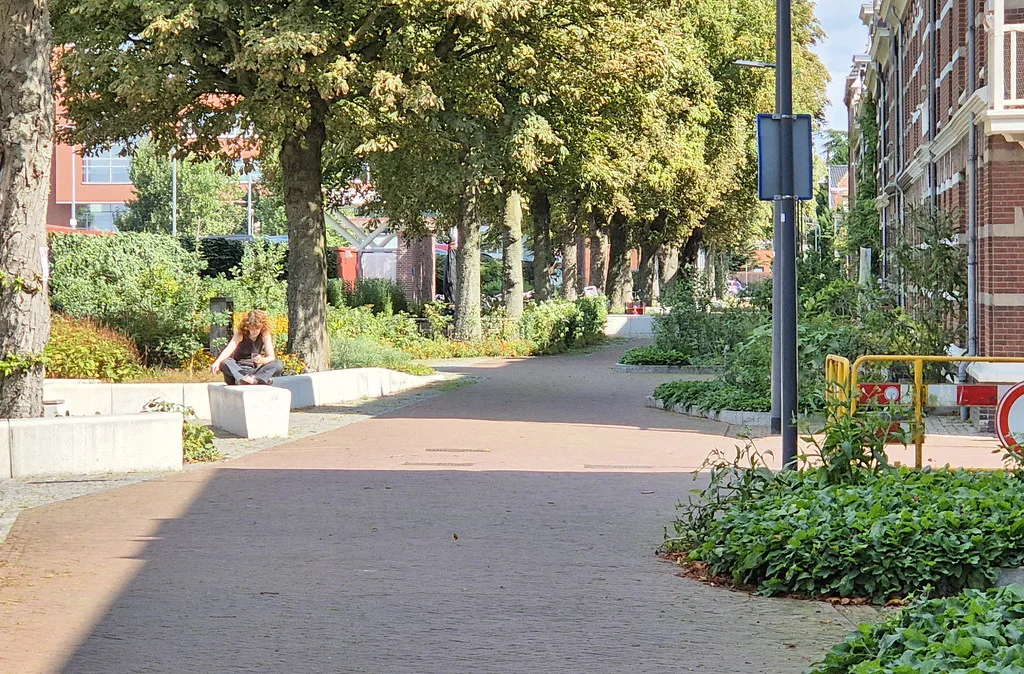
St John's Cathedral (Sint-Janskathedraal)
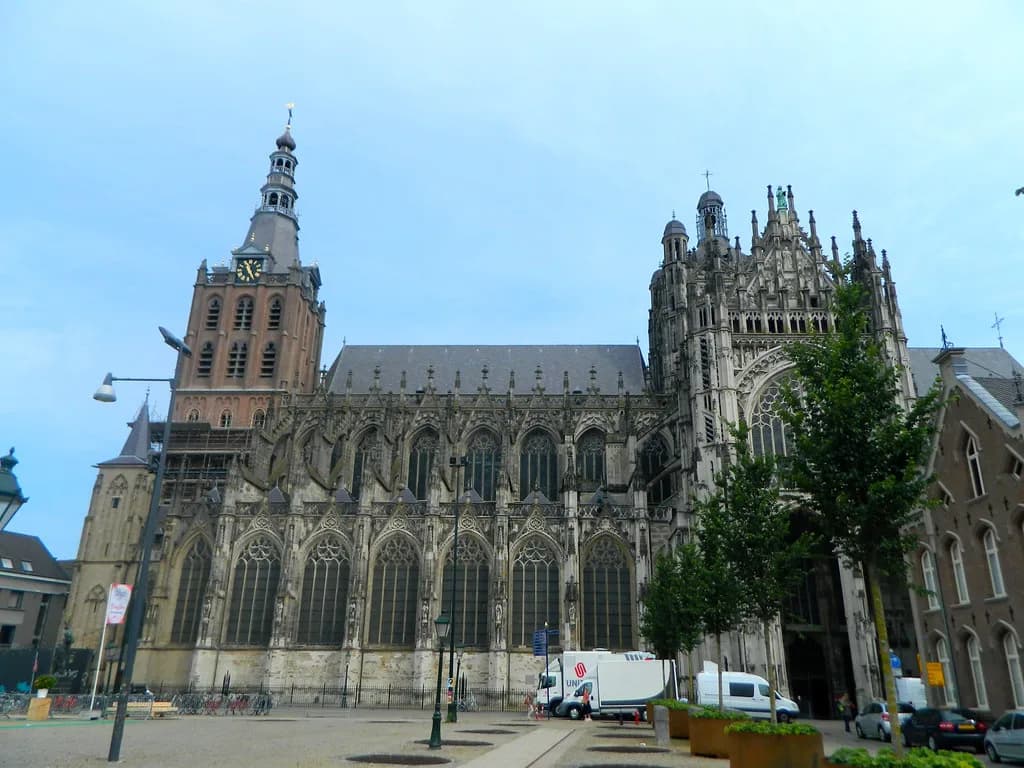
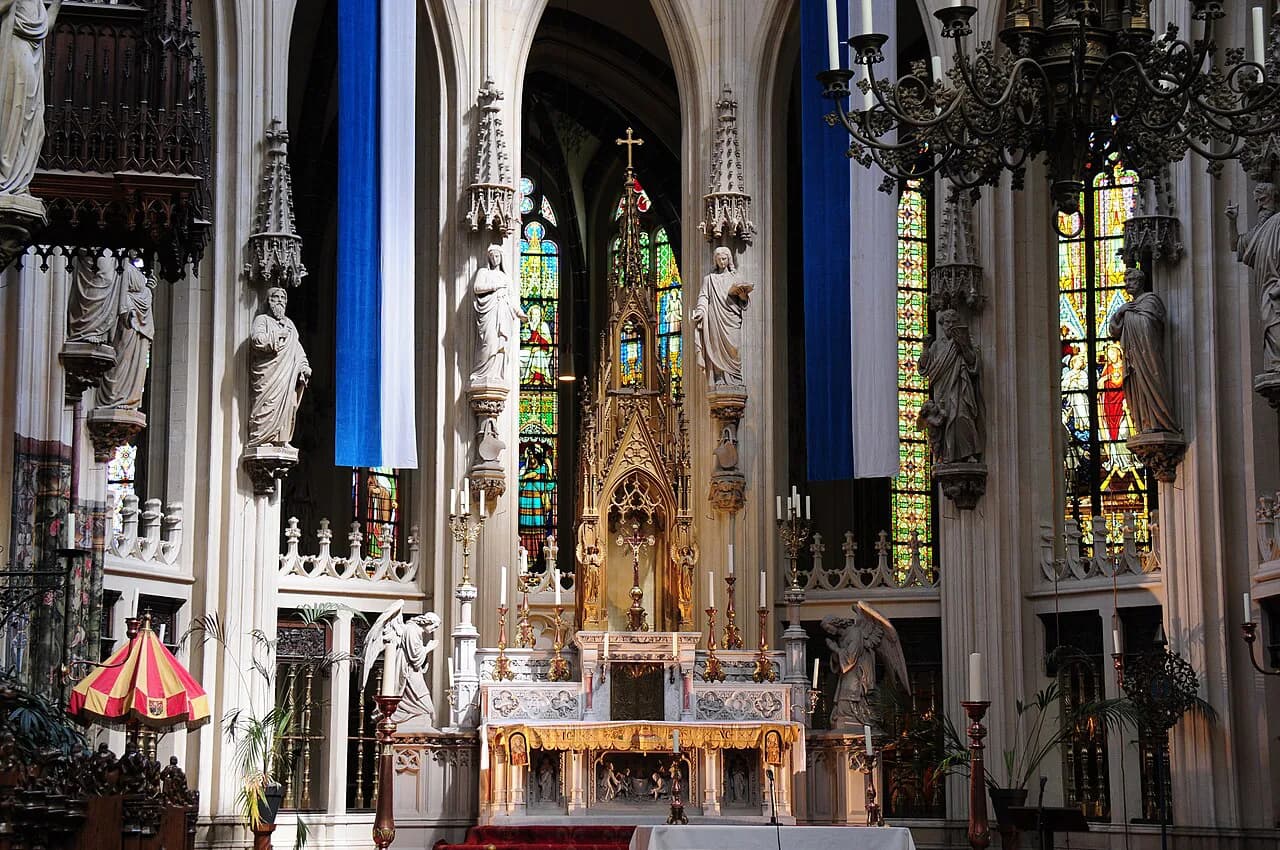
From the Markt, head for St John's Cathedral, the city's eye-catcher and, as VisitBrabant notes, the largest cathedral in the Netherlands. The exterior is the real spectacle: flying buttresses, a forest of pinnacles and a tower that changes shape as you circle it. Walk a full circuit before you go in, because the cathedral is best understood from outside.
Inside, the scale is different: a tall nave, light through the windows and a quieter pace than the square. Allow time to sit rather than just photograph, and check whether a visit tour is running if you want the building explained.
If you want to understand the cathedral's place in the city rather than just its architecture, the city's history guide gives you the detail this route cannot. It is the sort of stop where a little context turns a quick look into half an hour well spent.
The Binnendieze: by boat or on foot
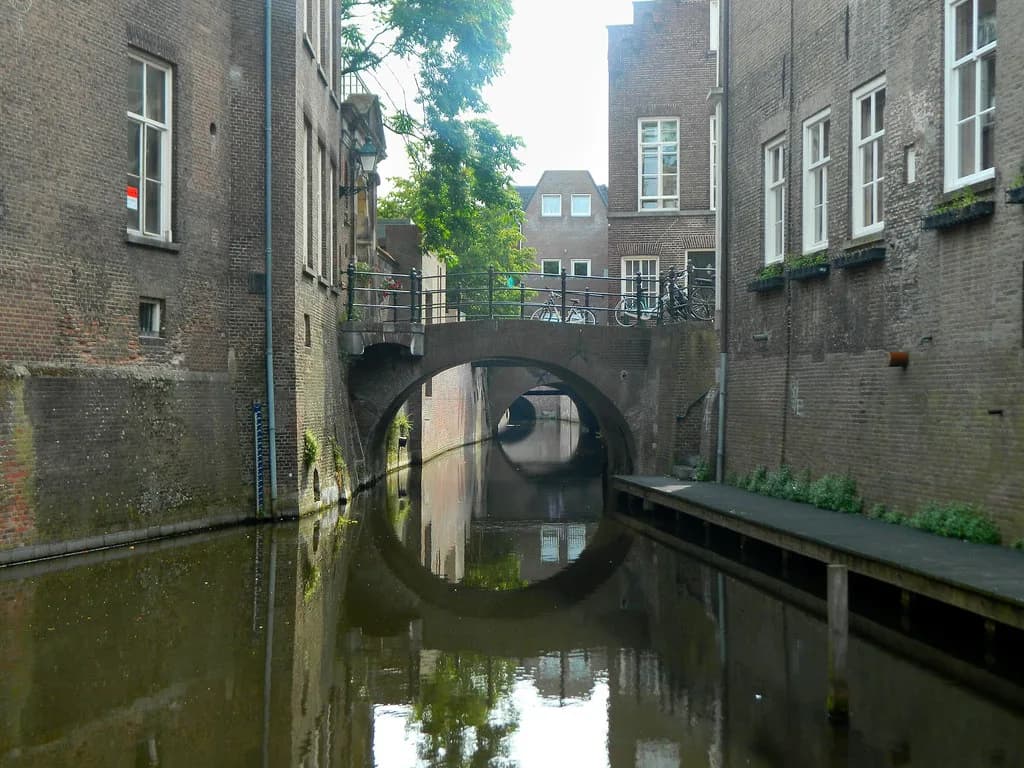
The Binnendieze is the underground river that once ran open through the town and now slips beneath streets and buildings. VisitBrabant lists it among the city's highlights, and it is the stop that most divides visitors: you can see it from above, following its course through the streets, or you can take a boat and see it from below. Both are legitimate.
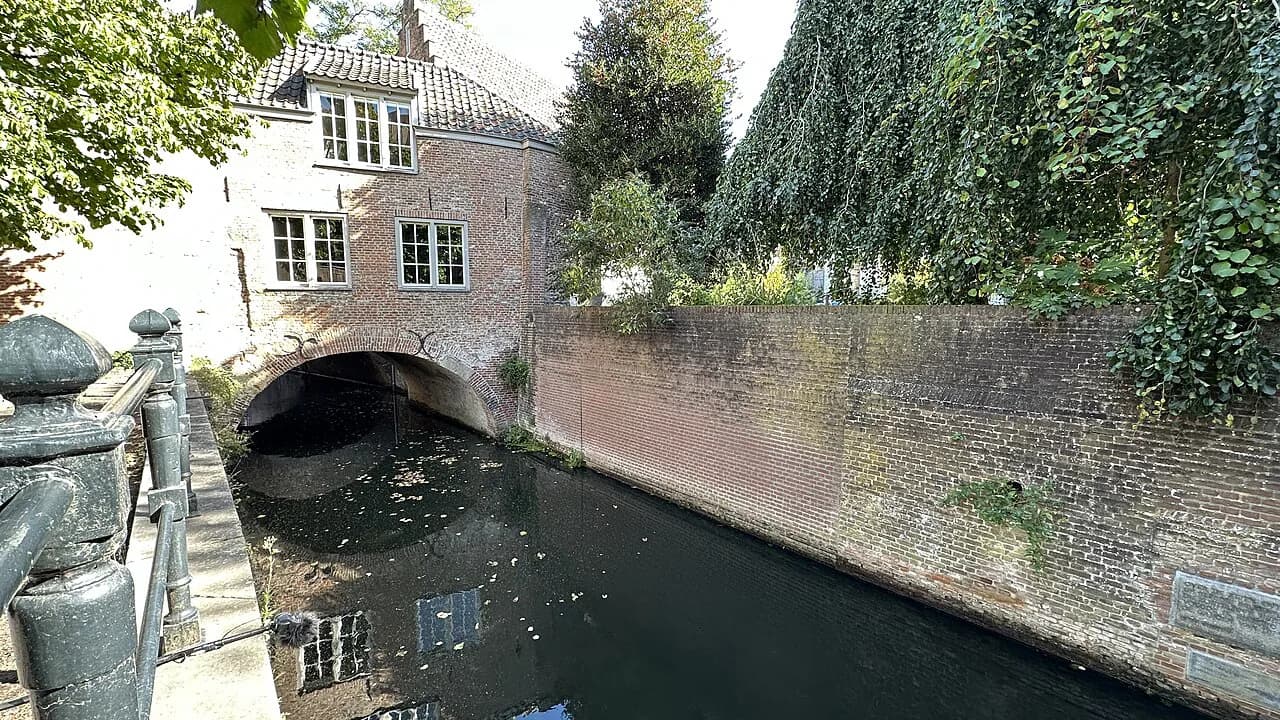
The on-foot version fits naturally into your loop through Uilenburg, where the water reappears in narrow channels between old buildings. The boat version takes longer and is best booked around your day, but it puts you at water level in the tunnels.
Boat tours in Den Bosch are run by local operators and most are in Dutch, which matters if you want a commentary you can follow. DagjeDenBosch recommends its own boat tour and city walk for English-speaking visitors, so those are the two to look at first if language is a factor.
Uilenburg: the district to walk slowly
Uilenburg is the picturesque pocket of the old town that VisitBrabant singles out, and it is the section where you should slow down rather than tick off sights. Narrow lanes, small houses and glimpses of water give it a village feel inside the city, and it rewards an unhurried wander more than a checklist of monuments.
Walk through it on your way between the cathedral and the Binnendieze rather than as a detour, and let the streets decide your line. If you are building a longer stay, this is the neighbourhood people remember after they have forgotten the square.
Het Noordbrabants Museum and Design Museum Den Bosch
The two big museums sit close together on the edge of the old centre, and VisitBrabant names them as the city's best-known cultural stops. They are the reason a walking day can become a museum day: a morning on the streets and an afternoon inside is a sensible split, and the reverse works too if the weather turns.
Adding a museum changes the shape of the day more than any other stop on this route, because inside time is not walking time. Pick one museum rather than two unless you have a second day, and check opening days before you commit. Many Dutch museums close on Mondays, so a Monday visit is best planned around the streets rather than the galleries.
Het Noordbrabants Museum is the one to choose if you want the region's art and history in one building, and it pairs well with the cathedral you have just seen. For a deeper look before you go, the city's museum guide covers what each one holds.
The Citadel and Museum Kruithuis
On the edge of the centre, the Citadel is a fortress complex with a courtyard that hosts events; DagjeDenBosch ran the open-air show 'Komt Dat Zien!' in the Citadel courtyard, and it remains a short walk beyond the busy streets that gives you a different view back across the town. Museum Kruithuis sits in the same part of the city and hosts Sunday concerts in its historic courtyard.
This corner suits the end of an afternoon, when the centre is at its busiest and you want a little space. It is also the easiest part of the route to skip if you are short of time, because the old town's core is the priority.
Tramkade: industry, art and music
Tramkade is the former industrial strip where silos and factory buildings now house creative spaces, and VisitBrabant describes art, music and food finding a home between them. It is the modern counterpoint to the medieval centre and makes a good final stop if you want to end the walk somewhere livelier.
Reach it by continuing past the station side of the centre rather than turning back, and expect a walk of a few minutes beyond the old town. Check what is on before you go, since the programming changes.
Art lovers can fold in a gallery visit after the cathedral and museums to keep the city's most famous painter in the story, using the city's art galleries as a bridge between the historic centre and the creative edge of town.
How long the walk takes and how to split it
The old-town loop is a half-day of walking, so plan for a morning or an afternoon rather than a full day on your feet. Distances are short but the stops add up: the cathedral, Uilenburg and the Binnendieze alone can fill two or three hours if you let them. Treat any estimate as a guide and adjust for your own pace.
If you have one day, walk the centre in the morning and pick one museum for the afternoon. With two days, keep day one for the streets and the boat, then give day two to the museums and the Citadel. Splitting the route this way keeps you from rushing the parts that deserve time.
Guided alternatives to the self-guided route
DagjeDenBosch runs a city walk through the old town and a set of themed walks, including one on courtyards and squares. These suit travellers who want the stories behind the streets rather than a route to follow. Note that most of its activities are in Dutch, and it currently recommends its boat tour and city walk for English-speaking visitors.
Themed walks are the better choice if you have already seen the main sights and want a second layer, or if you are travelling with someone who prefers a guide to a map.
Practical notes for planning the day
Language is the first practical point: most locally sold guided walks and boat tours are in Dutch, so check before you book if you want commentary you can follow. DagjeDenBosch flags this directly and currently recommends its own boat tour and city walk for English-speaking visitors. That single check saves disappointment on the day.
Opening days decide the shape of a museum-heavy version of this walk. Many Dutch museums close on Mondays, so if your break includes a Monday, plan that day around the streets, the cathedral and the canals instead. Check individual museum opening days before you commit to a route that depends on them.
Shopping fits around the walk rather than the other way round. If you want to browse, leave that for later in the day and keep the morning for the streets and the cathedral.
History buffs can add depth beyond the walk itself, and the city's past as a fortress and market town explains much of what you see. Reading up before you go makes the cathedral and the Citadel far more legible.
Which version of the walk fits your day
Choose the self-guided loop if you want flexibility and a day that bends around weather and appetite. Choose a guided walk if you want the stories and do not mind following someone else's pace, and check the language first. For most first-time visitors, the self-guided route with one museum and one boat trip is the strongest combination.
Start on the Markt, end at the Tramkade or the Citadel, and leave the middle open. That is the honest way to walk Den Bosch: a fixed spine, a loose afternoon, and enough time to sit in the cathedral without checking the clock. For more, see Things to Do in Den Bosch and our Museums in Den Bosch guide.
Explore more Den Bosch guides
Frequently Asked Questions
How long does a self-guided Den Bosch walking tour take?
The old-town loop is a half-day of walking, so plan for a morning or an afternoon. The cathedral, Uilenburg and the Binnendieze alone can fill two or three hours if you let them, and adding a museum turns the day into a full one, so treat any estimate as a guide and adjust for your own pace.
Do you need a guide to see the Binnendieze?
No. You can follow the Binnendieze on foot through Uilenburg, where the water reappears in narrow channels between old buildings. A boat tour puts you at water level in the tunnels and is best booked around your day.
What language are Den Bosch guided walks and boat tours in?
Most locally run activities are in Dutch. DagjeDenBosch recommends its boat tour and city walk for English-speaking visitors, so check the language before you book if you want commentary you can follow.
Is Den Bosch walkable in one day?
Yes. The old town inside the canal ring is compact and you rarely need transport between sights. With one day, walk the centre in the morning and pick one museum for the afternoon; with two days, keep day one for the streets and the boat and give day two to the museums and the Citadel.
Where does the walk start and finish?
Start on the Markt, where the Stadhuis gives you your bearings and the streets fan out towards the cathedral, the shopping streets and the canals. End at the Tramkade or the Citadel, keeping the middle of the day open.
Sources
Notes for your next Dutch city break
Optional updates to our Netherlands guides.
You might also like
Continue reading
More guides you'll find useful