
Katendrecht: Rotterdam's Kaap Peninsula for Visitors

Katendrecht is a small peninsula in Rotterdam Zuid where you can walk the whole neighbourhood in an afternoon, then eat on the Deliplein before the light goes. The old harbour quarter, nicknamed De Kaap, covers roughly 56 hectares between the Rijnhaven and Maashaven, and it is the buildings rather than a single museum that carry the visit: the Fenix warehouses, the Walhalla canteen, the Coöp flour mill and the SS Rotterdam.
This guide covers one district only: what Katendrecht is, how to reach it from the metro or across the water, what to see along the quays, and where to eat. It ends with a walking loop and a realistic time allowance so you can slot it into a Rotterdam city break.
What Katendrecht is and where it sits between the Rijnhaven and Maashaven
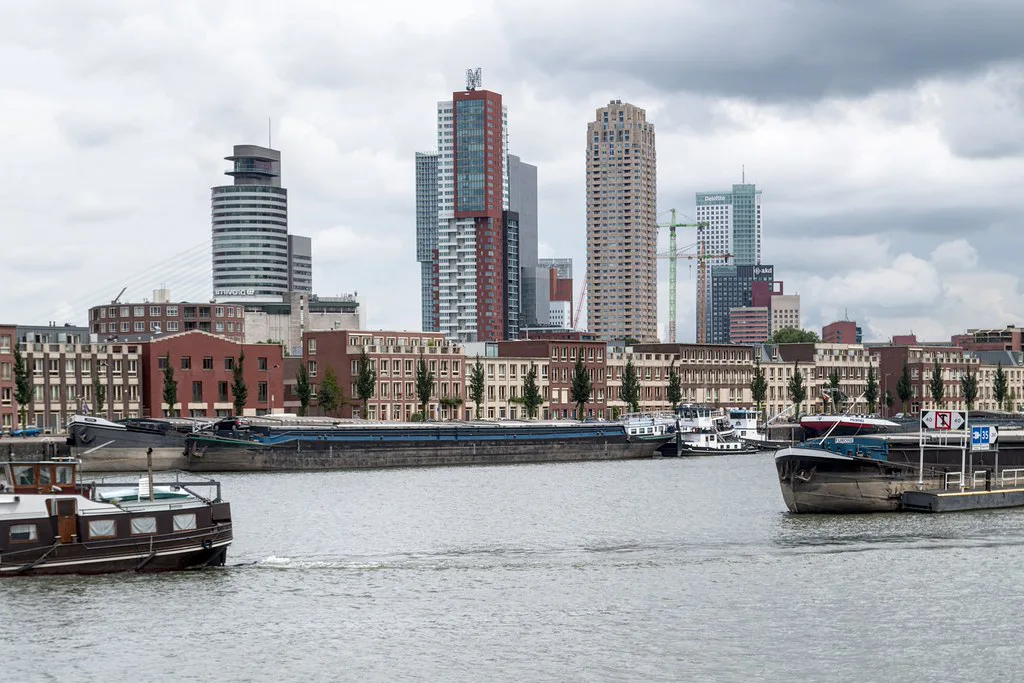
Katendrecht is a schiereiland, a peninsula, wedged between the Rijnhaven on its north-western side and the Maashaven on its eastern side, with the Nieuwe Maas close by at the tip. It belongs to the Feijenoord district of Rotterdam Zuid, south of the river, and faces the Kop van Zuid across the water.
At around 56 hectares and roughly 4,000 residents, it is compact enough to cover on foot, with the Deliplein as its heart and residential streets spreading towards the water on both sides. If you want the wider picture of how the southern bank fits together, the cluster of Rotterdam Neighborhoods: 4 Area Guides sets Katendrecht alongside its neighbours.
From sailors' quarter to waterside neighbourhood
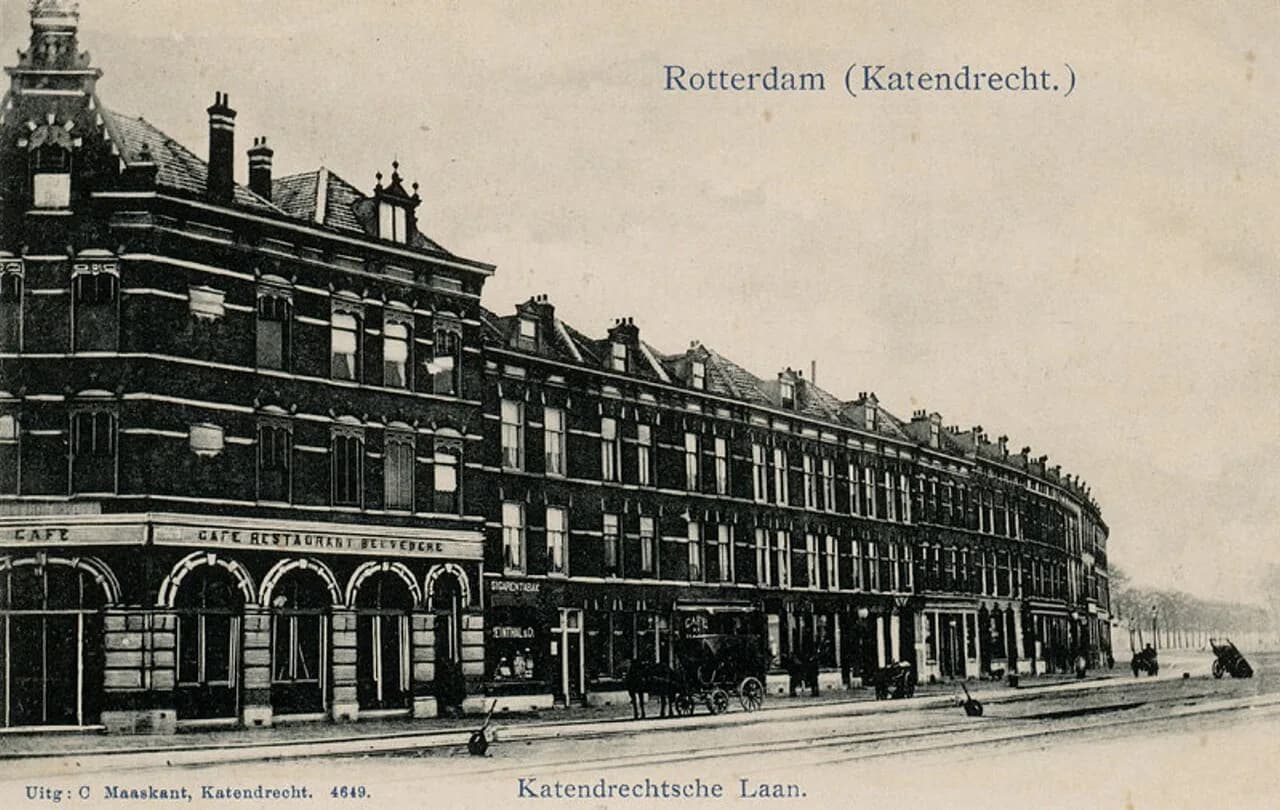
Until 1895 Katendrecht was a village with an important ferry link to the Veerhaven on the far bank of the Nieuwe Maas. Harbour construction swallowed most of the old village, and the new peninsula filled up with workers' housing, seamen's taverns and railway yards, which gave the district a rough reputation that stuck for decades.
As port activity moved away, the neighbourhood slid into social and economic trouble, with an ageing housing stock and a concentration of low incomes. The turnaround began as a deliberate regeneration programme, led by the municipality of Rotterdam, developer Proper Stok and housing corporation Woonstad Rotterdam, that put money first into public space and social facilities rather than into housing alone.
That approach left visible marks: a health centre, a broad school, childcare and a Chinese church were built as part of the new Parkkwartier family quarter, and the area kept a harbour feel through its materials and its occasional high-rise blocks. Katendrecht has an old-established Chinese community, and the European China Centre, with offices and Chinese facilities, is one expression of it.
Getting there: metro, water taxi and the walk from Kop van Zuid
The metro serves this stretch of Rotterdam Zuid through Rijnhaven, Maashaven and Zuidplein stations, whose post-war design by municipal architect ir. Veerling is itself part of the area's character. A water taxi across the Maas is the more scenic option and puts you close to the quays.
On foot, the easiest route is from Kop van Zuid: cross the river by bridge or water taxi, then walk south along the Rijnhaven side into Katendrecht. The peninsula's residential streets were deliberately made car-light, so walking and cycling are the natural ways to move around once you are on it.
The Deliplein: the district's eating and drinking heart
The Deliplein is the square at the centre of Katendrecht and the obvious place to start and finish a visit. Its regeneration set a deliberately high bar for the square and the surrounding homes and business premises, with lettings steered towards businesses in what the plans called a culinary, cultural and creative mould rather than a random mix of shops.
That policy worked in the sense that the square became a lively eating place, and it is where most visitors end up for an evening meal. The restaurants clustered around it are the district's draw after a day on the quays.
For a wider spread of Rotterdam food options across the city, the things to do in Rotterdam guide keeps Katendrecht in context with the rest of the city, but the Deliplein is the one square where the district's restaurants are concentrated.
Kaappark and the green quay with its walking promenade
Kaappark, a 6,000-square-metre park, was laid out between old and new Katendrecht as part of the regeneration, giving the district a green centre that it never had before. It is the sort of park you pass through rather than plan a day around, and that is exactly its role: a breathing space between the Deliplein and the water.
Along with the park came a green quay with a walking promenade, which is the best place to get a sense of the peninsula's shape and its views across the Rijnhaven and Maashaven. Walkers should head here for the water side of the district; it is flat, open and easy to follow.
Fenix warehouses and Walhalla: reusing the harbour buildings
The Fenix warehouses are the most recognisable relic of Katendrecht's working past, and their reuse was written into the regeneration plans as part of the area's handling of buildings with cultural and historical value. The heritage record groups the warehouses with their Walhalla canteen under the same historic heading.
Walhalla appears in the heritage record as the canteen attached to the Fenix warehouses, part of the historic fabric the regeneration sought to reuse rather than erase. Separately, the regeneration plans list a theatre called Walhalla among the cultural venues meant to give the district its own character.
These are exterior landmarks to view from the surrounding streets and quays as you walk the peninsula, not sights with published public visiting arrangements.
The SS Rotterdam, moored at Katendrecht since 2008
The SS Rotterdam, the largest passenger ship ever built in the Netherlands, returned to Rotterdam in 2008 and has been permanently moored in Katendrecht ever since. A selection of architects, interior designers and artists worked on its design, so it reads as a piece of architecture as much as a ship.
It sits on the water as the district's most distinctive landmark, and it is well worth a look from the quay as you walk the peninsula.
The Coöp flour mill and the surviving industrial buildings
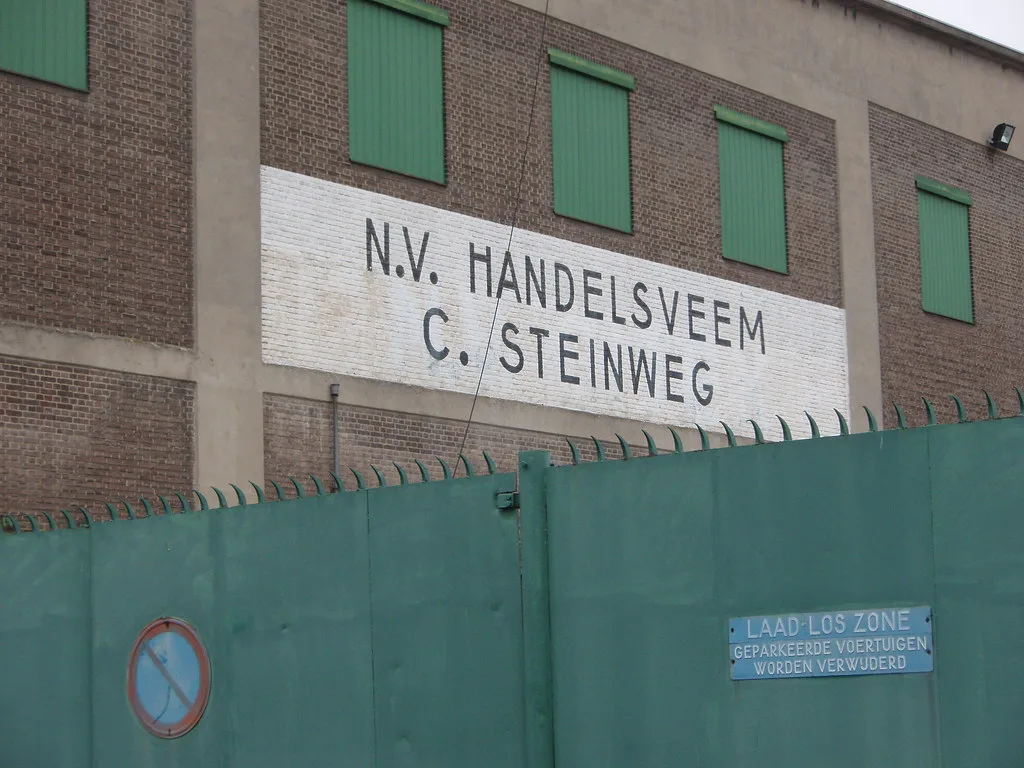
The Coöp flour mill dates from the early 1950s and remains one of Katendrecht's last industrial structures, a monumental complex made up of several volumes, each with its own architectural treatment. It is the building to look for if you want to see how the harbour's working scale compared with the houses around it.
Together with the Fenix warehouses and the SS Rotterdam, the mill gives the peninsula a readable timeline from port industry to residential waterfront. The best way to see it is on foot as part of a loop, since the district is small enough that the industrial buildings, the park and the quays all sit within a short stroll of each other.
Who Katendrecht suits, and who it does not
Katendrecht suits travellers who want a quiet, waterside neighbourhood with a strong sense of history, a cluster of restaurants on one square and a ship you can walk right up to. It is also a good fit if you are staying south of the river and want somewhere to eat in the evening without crossing back into the centre.
It does not suit anyone expecting a city-centre density of sights: there is no major museum cluster here, and the appeal is in the streets, the quays, the buildings and the Deliplein rather than in ticking off attractions.
Walking Katendrecht: a short loop linking Deliplein, Kaappark and the quays
A good loop starts on the Deliplein, drops into Kaappark, follows the green quay and promenade along the water, then comes back past the Fenix warehouses and the Coöp flour mill. Because the peninsula is only about 56 hectares, the whole circuit is short and flat, and you can add a look at the SS Rotterdam from the quay at the end without much extra effort.
If you want a second neighbourhood on the same day, cross to Kop van Zuid for the waterfront architecture, or head north-east to Rotterdam Noord for a very different, livelier street scene around the Oude Noorden. Both pair naturally with Katendrecht without repeating what it offers.
Should Katendrecht be on your Rotterdam shortlist?
Yes, if you have a spare half-day and want the harbour story told through buildings rather than labels: the Fenix warehouses, the Walhalla canteen, the Coöp flour mill and the SS Rotterdam all sit within a short walk of the Deliplein and Kaappark. No, if this is your only day in Rotterdam and you want the concentrated sights of the centre.
Build the visit around a meal on the Deliplein, walk the quays afterwards, and use the metro or a water taxi to get in and out. If you are choosing between Rotterdam districts for a longer stay, the wider neighbourhood guides help you weigh Katendrecht against Kralingen and the areas closer to the centre.
Frequently Asked Questions
How do you get to Katendrecht by metro?
Rijnhaven, Maashaven and Zuidplein stations all serve this stretch of Rotterdam Zuid, putting you within reach of the district. A water taxi across the Maas is the other practical option and puts you close to the quays.
What does parking cost on Katendrecht?
Parking tariffs are set by the operator of each car park and change over time, so check the tariff boards or the operator's own information on arrival. Katendrecht's streets were deliberately made car-light, which makes the metro or water taxi the simpler choice.
Is Katendrecht worth visiting on a short Rotterdam break?
Yes if you want waterside streets, a strong harbour history and an evening meal on the Deliplein within walking distance of the SS Rotterdam. Skip it if your time is very short and you would rather concentrate on the city centre.