
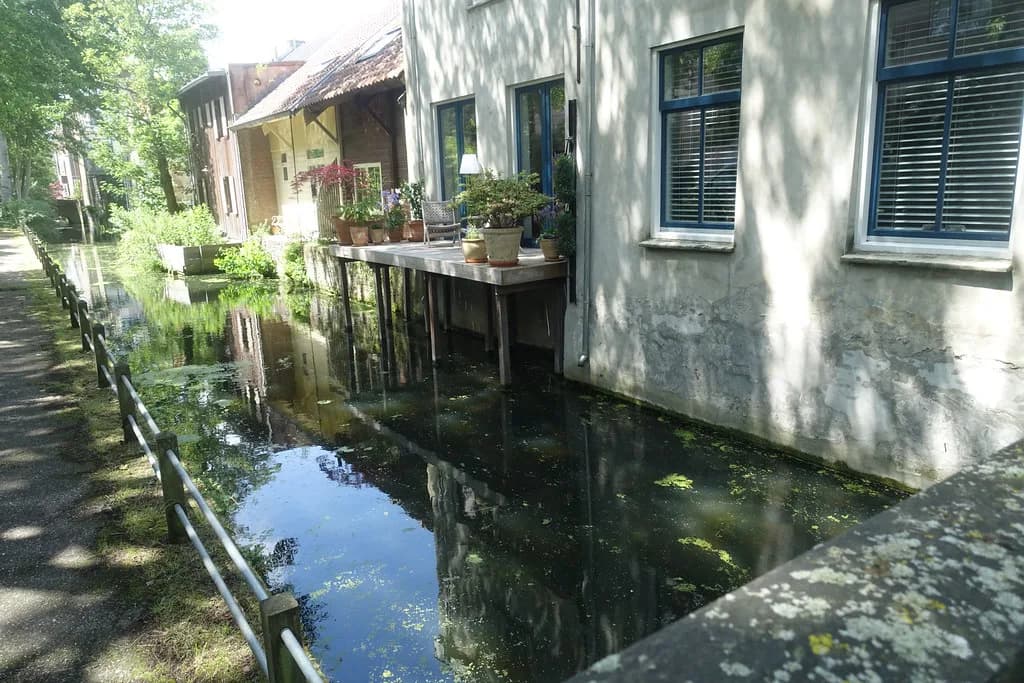
Archipelbuurt: The Hague's Leafy Indies Quarter
The Archipelbuurt is a compact, leafy and largely residential quarter of The Hague, best enjoyed as a two-hour wander among white 19th-century houses rather than a checklist of museums. Its draw is the streetscape itself: monumental houses, a handful of broad squares, streets named after parts of the former Dutch East Indies, and the Scheveningse Bosjes woods at its edge. Because many of the grandest buildings are offices or embassies, you are here for the architecture and the atmosphere. This guide covers where the neighbourhood sits, which streets to walk, where to shop, and how to get in and around, with a starting overview in The Hague Neighborhoods: 5 Area Guides.
What the Archipelbuurt is and why it is worth a wander
The Archipelbuurt, often shortened to the Archipel, is a compact neighbourhood of largely late-19th-century housing, known for large homes with high ceilings, tall windows and original details. It is one of the city's most sought-after addresses, popular with expats, young professionals and young families, which tells you what kind of place it is: quiet, well kept and residential. For a visitor, that means a calm hour or two of looking at façades, squares and street names rather than queueing for attractions.
The character comes from a mix of housing: grand end-of-19th-century homes, courtyard housing around the Javastraat, and newer buildings on the Burgemeester Patijnlaan. That variety means the walk changes block by block, from wide, villa-lined streets to tighter, more everyday corners. Come expecting to look, not to be entertained.

Where it sits: between the Scheveningse Bosjes and Willemspark
The Archipelbuurt sits directly against the Scheveningse Bosjes, the large green area that gives the neighbourhood its leafy edge, and it is only a short walk from The Hague's city centre. It also neighbours Willemspark, a historic area of villas from around 1850; many of those villas are now offices or embassies, though some have been converted into homes. The two fall within the same Centrum district and are sometimes lumped together as Archipelbuurt-Willemspark, but they feel different on foot: the Archipel is denser and more residential, while Willemspark is looser and more institutional.
The Laan van Meerdervoort, one of the city's long east-west arteries, marks the boundary between the sand-side neighbourhoods and the peat-side ones, and it is a useful orientation line for a walk. The Archipel lies on the sand side, which a 2009 account of the neighbourhood explains was why its 19th-century houses were built for wealthier residents. Cross the Laan van Meerdervoort and the streetscape changes; use that shift as your cue to turn back or continue toward the centre.

The streets and squares to walk: Javastraat, Bankastraat, Bankaplein and Surinamestraat
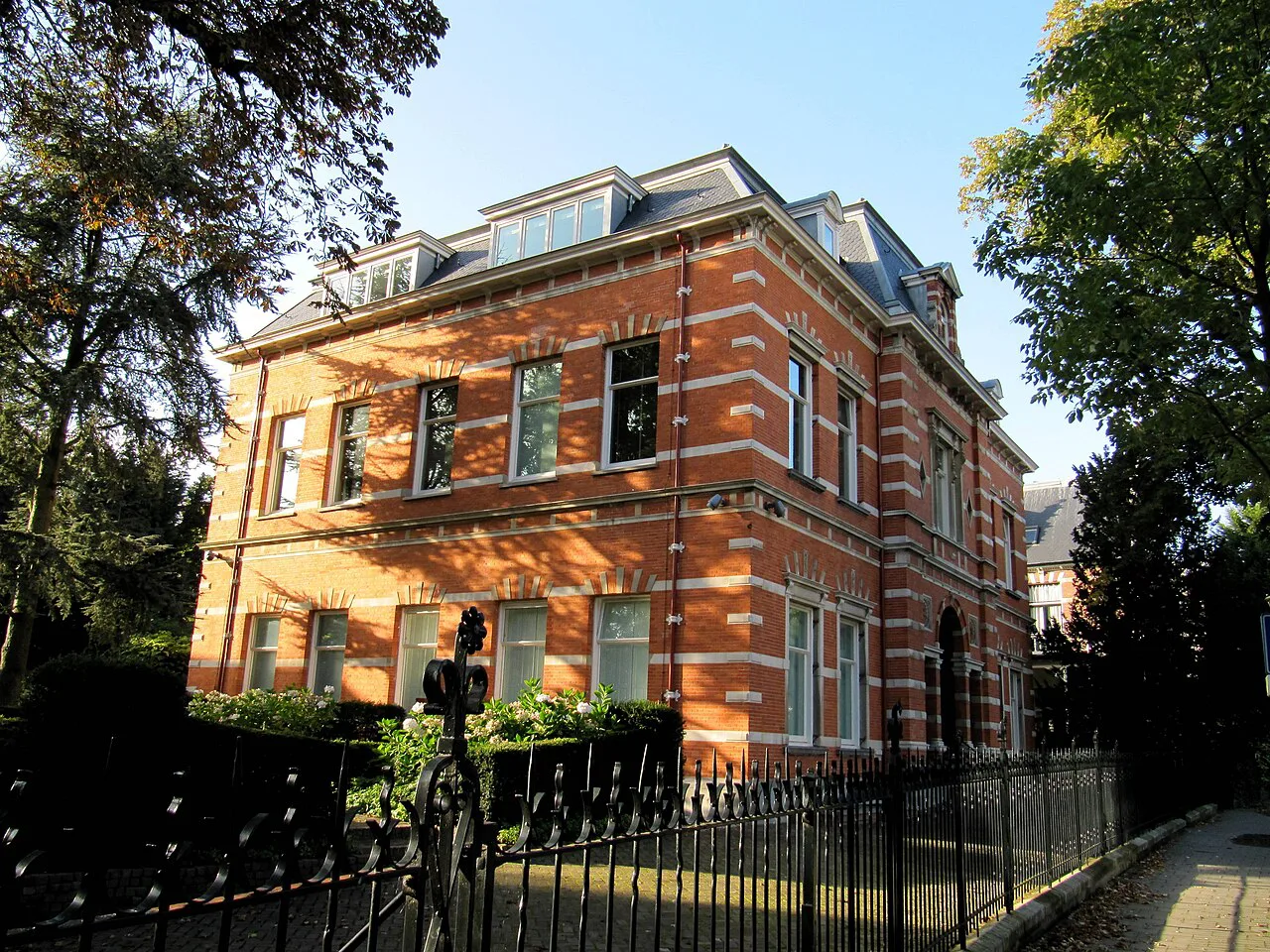
Start with the Javastraat, a busy street where courtyard housing and everyday shops sit side by side. From there, walk north toward the Bankastraat, which functions as the neighbourhood's own shopping street, so a browse here saves a trip into the centre. The Bankaplein, a broad, formal square lined with oversized villas and white ornamentation, is the set piece of the walk. Finally, the Surinamestraat is worth the detour for its white houses and quiet dignity.
Louis Couperus, the writer whose novels are a touchstone of Dutch letters, lived at Surinamestraat 20, and a bust of him stands near the start of the street where it meets the Javastraat, as recorded in a 2009 account of the neighbourhood. The house itself carries no plaque, which is typical of the neighbourhood: the interest is in the street, not in markers. A short walk down the Surinamestraat and back gives you a strong dose of the Archipel's architecture in ten minutes.
Indonesian street names and the Indies connection
The Archipelbuurt is described in a 2009 account of the neighbourhood as having the oldest set of Indonesian street names in the Netherlands, with eighteen streets named after parts of the former Dutch East Indies. The roll-call includes the Atjehstraat, Balistraat, Borneostraat, Celebesstraat, Javastraat, Madoerastraat, Malakkastraat, Soendastraat, Sumatrastraat, Ternatestraat and Timorstraat, among others. Walking with that list in mind turns a pretty neighbourhood into a themed route: you can trace the archipelago street by street.
The neighbourhood still has an international feel, and a 2009 account notes embassies alongside the houses, together with police headquarters and corporate offices. That mix is the modern echo of the Indies connection: the Archipel has long attracted people who arrived for work in the city's international institutions. For a visitor, the practical point is that you will see institutional frontages and security gates alongside family homes.
Architecture you can see from the street
The look of the Archipelbuurt is late-19th-century monumental, with large windows, high ceilings and authentic detailing on the white houses around the Javastraat. The Bankaplein is the showiest moment: a wide square with villas built to impress. The Willemspark side adds 1850s villa architecture, much of it now in office or embassy use. Because so much is institutional, the pleasure is in façades, rooflines and doorways rather than interiors.
Courtyard housing sits around the Javastraat, and the newer buildings on the Burgemeester Patijnlaan show how the neighbourhood has been updated. The courtyards are residential; you will see gates and passages rather than open gardens. The architectural walk is therefore best done slowly, looking up.
Eating and shopping in the neighbourhood
The Bankastraat is the Archipel's own shopping street, which means you do not need to head into the centre for a browse. It is a local high street rather than a destination shopping district, so expect everyday shops rather than a full retail quarter. For a visitor, that is exactly the appeal: you can break a walk here without losing the neighbourhood's mood. The Javastraat runs through the denser, courtyard-housing side of the quarter.
The Indonesian eating culture that once marked the neighbourhood has largely faded, but a few names were still noted in 2009: Toko Banka, a toko, and Tampat Senang, an old rijsttafel restaurant near the Laan van Meerdervoort. Treat these as names to look out for rather than destinations worth planning a day around, and check whether they are still trading before setting out.
Who the Archipelbuurt suits and who it does not
The Archipelbuurt suits travellers who like walking residential streets, looking at architecture and finding a quiet corner of a capital city. It also suits anyone staying nearby who wants an evening stroll or a morning coffee away from the tourist centre. Because it is calm and largely built up, it does not suit visitors looking for nightlife, museums or a concentration of sights; those are elsewhere in The Hague.
If you want a neighbourhood with more street life and a denser café scene, the Zeeheldenkwartier is the closer match; if you want the boulevard and district character of the coast, Scheveningen is the district to head for. The Archipel is best as a half-day that combines a walk with the Scheveningse Bosjes. Plan it for a dry morning, when the white façades and the woods are at their best. For the full picture of the city's quarters, see The Hague Neighborhoods: 5 Area Guides.
Getting there and getting around
The Archipelbuurt is a short walk from The Hague's city centre, which makes it easy to reach on foot from the Centrum district. Buses and trams serve the centre, and the city's two main stations, Den Haag Centraal and Hollands Spoor, connect to the rest of the Netherlands. Because the neighbourhood is compact, walking is the best way to see it; cycling also works well if you already have a bike.
Parking in the neighbourhood is by permit on the street, so arriving by car is possible but not especially convenient for a short visit. The neighbourhood is close to the Scheveningse Bosjes, which makes a natural extension of any walk. Plan your loop so you end near the centre or the woods rather than doubling back.
Practical trade-offs: residential calm versus visitor attractions
The main trade-off in the Archipelbuurt is that its beauty is domestic: many of the grandest villas are offices or embassies, so you cannot go inside them. What you get instead is a quiet, authentic streetscape and a genuine sense of how The Hague lives. If you want sights with opening hours and tickets, this is not the district for that; if you want a walk with texture, it is.
The neighbourhood is compact enough that you can see the main streets in a couple of hours, which makes it a good half-day rather than a full-day plan. Combine it with the city centre or the woods, and treat the Bankastraat as your rest stop. Because it is residential, keep noise down and respect private gates.
Is the Archipelbuurt worth your time?
Yes, if you want a calm, architectural walk with a story: the Indies street names, the white villas and the Bankaplein give the neighbourhood a character you will not find in the busier parts of The Hague. It is a half-day at most, best combined with the Scheveningse Bosjes or a wander into the centre. Go for the streetscape, not for attractions.
If you are choosing between neighbourhoods, pick the Archipel for quiet and architecture, the Zeeheldenkwartier for a livelier café scene, and Scheveningen for the boulevard. The Archipel rewards a slow pace and an eye for detail, so leave the checklist at home.
Explore more The Hague guides
Frequently Asked Questions
What is the Archipelbuurt known for?
It is known for its late-19th-century white villas, its streets named after parts of the former Dutch East Indies, the Bankaplein square and the Bankastraat shops. It is a residential neighbourhood, so the appeal is the streetscape rather than museums or attractions.
How long does it take to walk around the Archipelbuurt?
The main streets and squares can be covered in a couple of hours at an easy pace. Pair it with the Scheveningse Bosjes for a longer half-day, and use the Bankastraat, the neighbourhood's own shopping street, for a break.
Is the Archipelbuurt good for families?
It is a quiet, green neighbourhood with the Scheveningse Bosjes on its edge, which makes it pleasant for a family walk. It is not a destination for children's attractions, and the courtyards are residential rather than open to visitors, so plan it as a stroll rather than a play day.