
Lombok, Utrecht: What to See and Who It Suits

Lombok deserves half a day, not a full one. It is Utrecht's old working district west of the centre, built from 1887 and strung along the Kanaalstraat, and its appeal is the street life and the 19th-century plan rather than a checklist of sights. This guide covers what the neighbourhood is, what the street names tell you and who will enjoy it. It sits within a wider set of area guides in Utrecht Neighborhoods: 4 Area Guides.
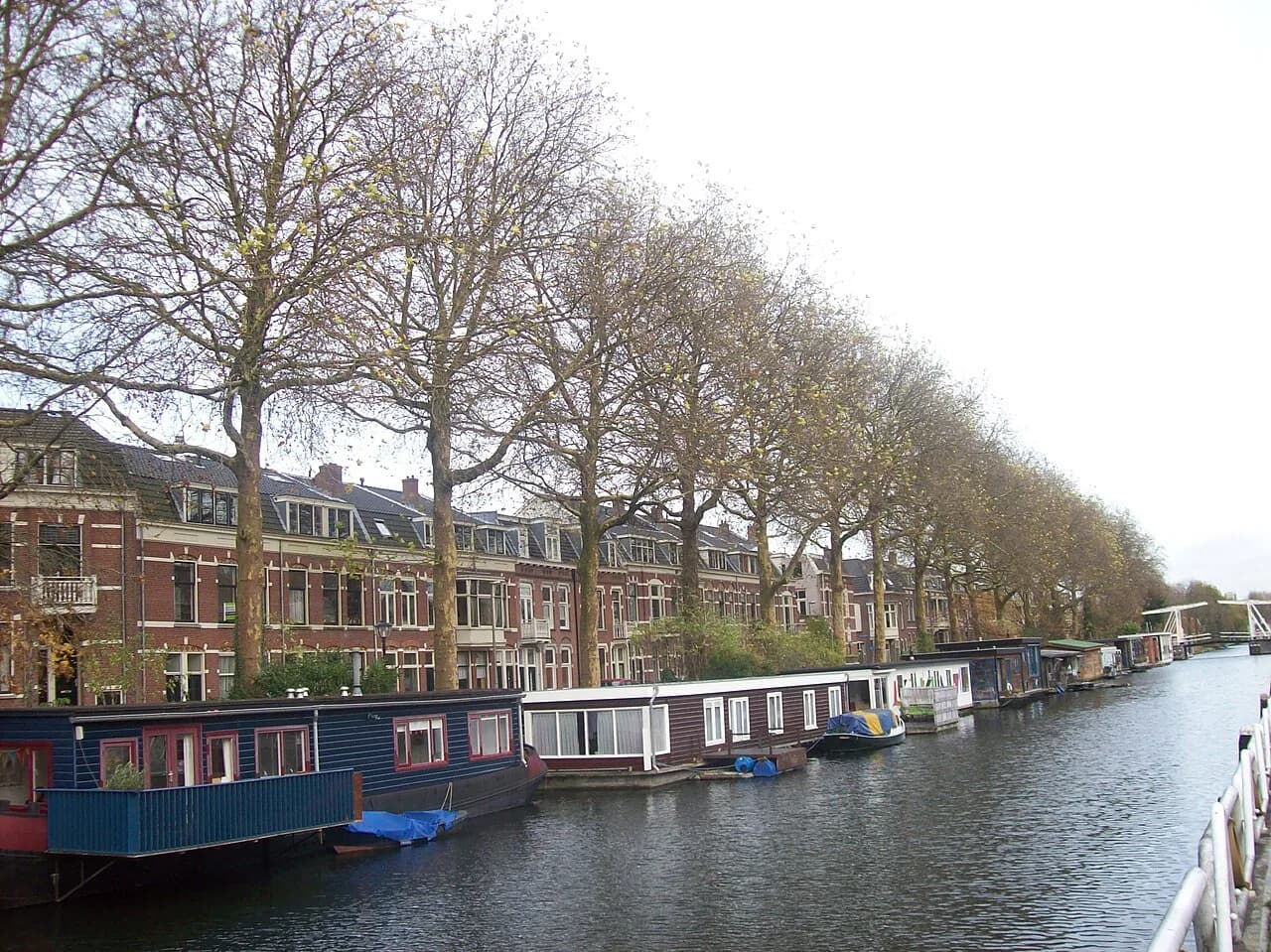
Set your expectations before you go. Lombok is low-rise, mixed and lived-in, with no canal ring and no museum quarter. If you want polished brick gables and quiet water, spend your time elsewhere and treat Lombok as a contrast rather than a highlight.
What Lombok is and why it's worth a half day
Lombok lies west of Utrecht's centre, with the Kanaalstraat running roughly through the middle and the Leidsche Rijn along its eastern edge. Construction of the district began in 1887, and it was laid out as housing for workers rather than as a showcase quarter, which still shapes how it looks and feels today.
The neighbourhood became known as Utrecht's 'buitenlanderswijk', first through Italian, Spanish and Greek workers and later through Turkish and Moroccan families who settled from the mid-1960s onward. That history is the reason to come: the mix of residents and the street itself are the attraction, not a single monument.
A half day is enough to walk the Kanaalstraat end to end, look at the housing blocks and stop for a coffee or a meal. Anything longer starts repeating itself, because the district is compact and there are no major ticketed sights inside it.

Where Lombok sits and how to walk there from Utrecht Centraal
The district lies close to Utrecht Centraal and sits immediately west of the city centre, which makes it easy to add to a short break. The Leidsche Rijn runs along its eastern edge, so heading west from the centre you meet the neighbourhood's near edge within a short walk.
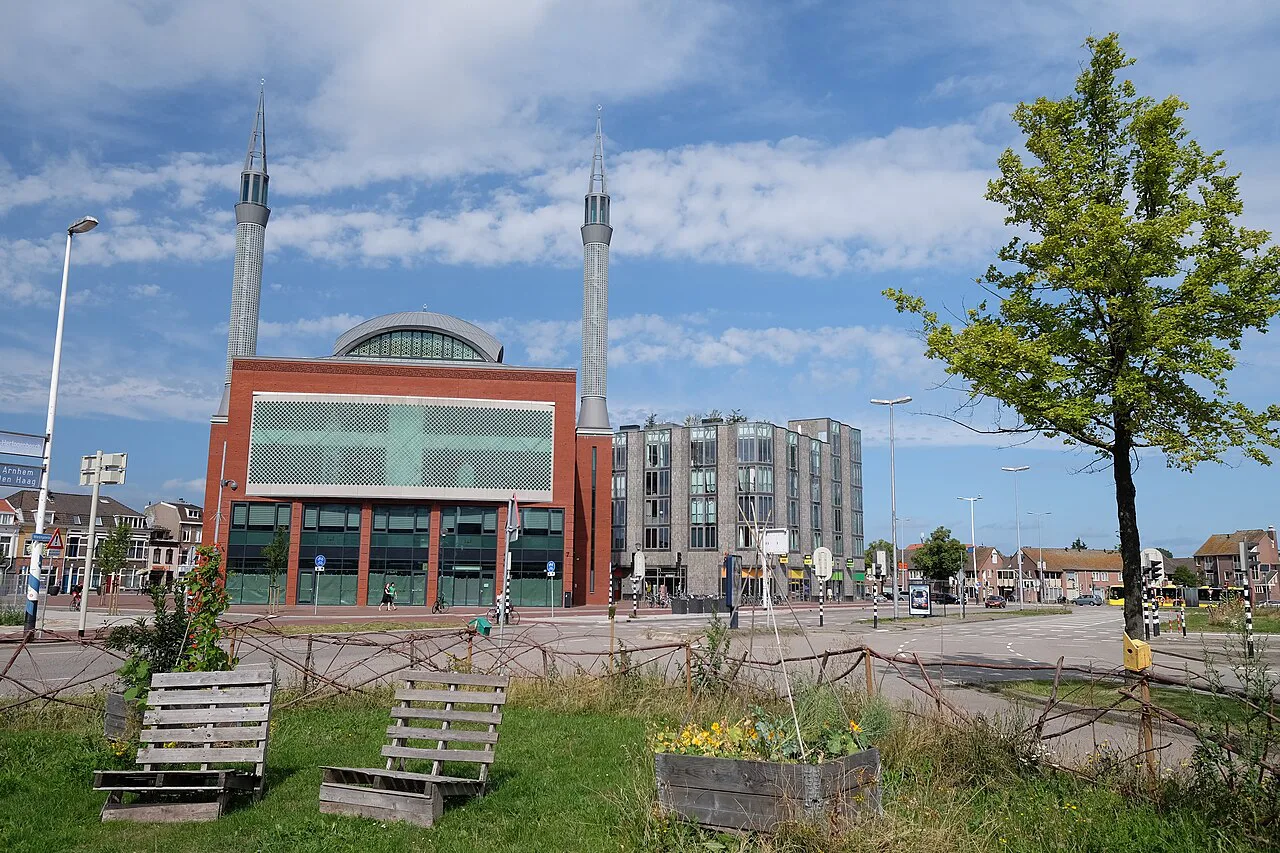
De Kop van Lombok is the name given to the mouth of the district on the city side, the strip that forms the gateway from the centre. On a long-neglected, contaminated site here, plans presented in 2005 proposed apartments, shop space, a car park, a new square and a mosque.
Cycling works well for the same reason walking does: the distances are short and the streets are flat. If you are spending the day on two wheels, the wider list of things to do in Utrecht will help you join Lombok to a longer loop rather than riding out and back for nothing.

The Kanaalstraat: the spine of the neighbourhood
The Kanaalstraat is the artery of Lombok and the one street you should not skip. It is where the district's changing population shows most clearly: as newer, better-off residents moved in, shopkeepers shifted towards more expensive products and put more care into shop fronts.
Walk it slowly in both directions and use it as your orientation line. Side streets run off it to the north and south, and most of the housing you will want to look at sits in the blocks immediately behind the shopfronts.
One honest caveat: the same source notes that longer-standing and newer residents largely live alongside each other without much contact, and that unemployment, low incomes and debt problems persist in the district. Come to see a real neighbourhood, not a staged multicultural showcase.
How Lombok was laid out: gold-edged main streets and workers' lanes
Lombok's 19th-century plan is easy to read once you know the rule. The main streets were built for office staff, a strip the source calls the Golden edge, while factory workers were housed in the smaller streets in between. Walking from a wide main street into a narrow side street is walking through that hierarchy.
There was industry in the district as well, which is why the housing was built to a workers' standard in the first place. After the Second World War those homes were judged too small, without showers and with awkward kitchens, so some were demolished and others renovated.
Renewal came in stages: major urban renewal from 1994, backed by municipal and national money for the decade to 2004, plus European Urban funding from 1996. That money is visible in the tidied streets and renovated housing, and it also pushed rents and house prices up, which is why the district now attracts younger Dutch dual-income households.
Street names from Indonesian islands and regions
The street names are your cheapest orientation tool. They were named after Indonesian islands and regions, so a name that sounds Indonesian is a Lombok street rather than a Utrecht one.
Use that to keep your bearings: if you can read the sign, you can tell whether you are still inside the district or have crossed into a neighbouring quarter with Dutch street names. It is a small thing, but it saves you checking a map every few minutes.
Lombok's character today: young newcomers and long-standing residents
The district is now a mix of younger, mostly Dutch, dual-income newcomers and long-standing residents, many of them older and from migrant backgrounds. The newcomers describe Lombok as lively where older residents experience the same streets as chaotic, which is a fair summary of the tension you will notice.
Newer residents describe Lombok as lively and not especially expensive, close to the station and well served by shops, while long-standing residents have seen rents and house prices rise.
Some groups have left for Kanaleneiland or Overvecht because they found Lombok too expensive, which is a reminder that this is a district in flux rather than a fixed picture.
Who Lombok suits, and who it does not
Lombok suits travellers who have already seen the Dom Tower, the Oudegracht and the main museums and want a lived-in district with an unfamiliar street scene. It rewards curiosity about housing, migration history and ordinary city life more than it rewards a checklist.
It does not suit anyone hoping for pretty canals, boutique browsing or a classic Dutch postcard. There is no canal ring here, the architecture is plain workers' housing, and the district is best treated as one hour of contrast inside a longer day.
If you prefer your neighbourhoods leafier and quieter, Wittevrouwen, Utrecht is the better fit for an afternoon of strolling and cafe stops.
Eating in the neighbourhood
The Kanaalstraat is where you eat, and the changing shop mix means the offer runs from everyday groceries to smarter places aimed at newer residents. Expect an ordinary local high street rather than a restaurant destination, and pick somewhere that is busy with residents.
Shops and eateries along the Kanaalstraat reflect the Turkish and Moroccan families who settled in the district from the mid-1960s, but individual places set their own opening hours. Check at the door rather than planning a meal around a fixed timetable.
For an evening once you have finished in Lombok, walk back east and the Museumkwartier Utrecht gives you a more conventional restaurant setting near the city's main museums.
Getting around on foot and by bike
Lombok is small enough to cross on foot in well under an hour, so walking is the default. The streets are flat and the blocks are short, which means a loop from De Kop van Lombok along the Kanaalstraat and back through the side streets takes very little planning.
A bike makes more sense if you are linking Lombok to the rest of the city in one day. Park it and walk the Kanaalstraat rather than riding it, because the street is a shopping street first and a through route second.
If you want a full day of Utrecht rather than a single district, the city's individual sights are covered in the same practical format in our Utrecht attractions guides.
How long to allow, and how to pair it with the rest of Utrecht
Allow two to three hours including a meal or a coffee, and no more. That covers a walk from the station, the Kanaalstraat in both directions, the housing behind it and De Kop van Lombok at the entrance to the district.
Pair Lombok with the centre rather than with another outlying district, because the walking link back towards Utrecht Centraal is short and obvious. A morning in the Museumkwartier Utrecht followed by an afternoon here gives you two very different versions of the same city within one day.
If you have time left in the evening, carry on south to Ledig Erf, Utrecht for a busier, more conventional café scene rather than retracing your steps through Lombok.
Is Lombok worth a detour on your Utrecht trip?
Yes, for half a day and for the right reasons. Come for the Kanaalstraat, the 1887 workers' plan and a district that shows how Utrecht actually grew, and you will find a candid, everyday corner of the city.
Skip it if you are short of time or want polish. Two days in Utrecht are better spent on the canal ring, the Dom Tower and the main museums, with Lombok as an optional extra rather than a fixed stop.
The one practical rule: treat this as a walk with a lunch stop, not a sightseeing programme, and you will get the district on its own terms.
Explore more Utrecht guides
Frequently Asked Questions
Is Lombok in Utrecht the same as the Indonesian island?
No. The streets take their Indonesian names from the colonial era, but Lombok is a neighbourhood west of the Utrecht city centre, built from 1887 for workers and their families.
Do I need a ticket or pass to visit Lombok?
No. Lombok is a residential and shopping district, not a ticketed attraction, so you simply walk or cycle in. Individual cafés and shops set their own hours, so check at the door on the day.
How does Lombok compare with Utrecht's canal ring?
It is much plainer. Lombok is low-rise workers' housing with no canals and no museum quarter, so visit for the street life and the migration history rather than for postcard architecture.