
Amsterdamse Poort: Haarlem's Last Surviving City Gate

The Amsterdamse Poort is a ten-minute stop, not a half-day sight. It is the only remaining gate from Haarlem's medieval defences, built in 1355 and still standing at the end of the Spaarnwouderstraat. This guide covers where to find it, why it carries the Amsterdam name, how much time to allow, and what to see within a short walk.
What the Amsterdamse Poort is
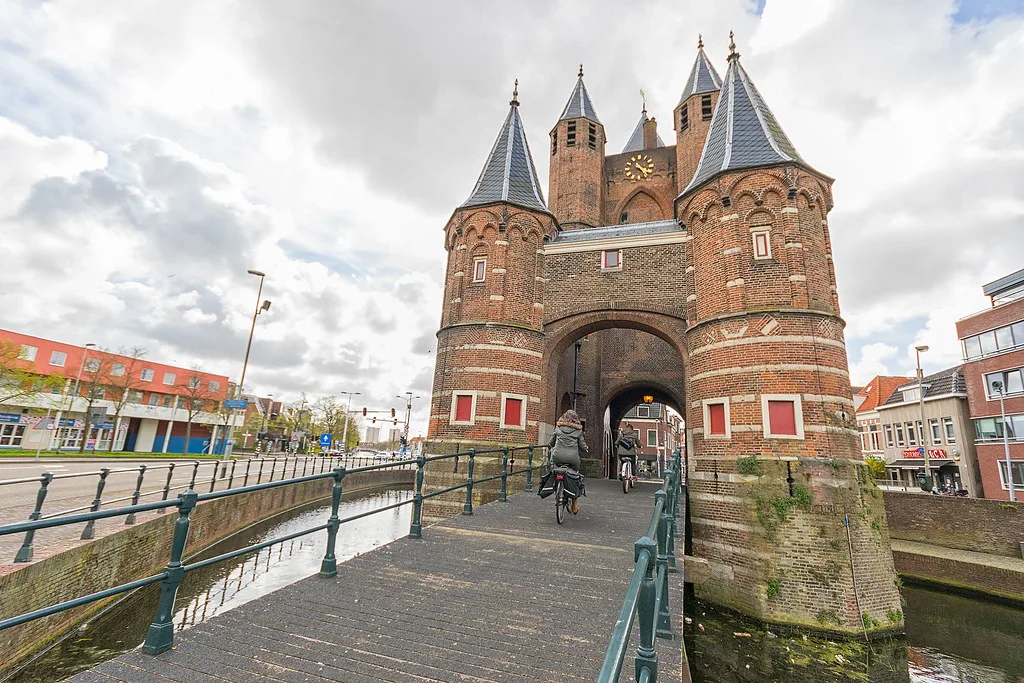
The Amsterdamse Poort is a brick city gate from the mid-14th century, the sole survivor of the walls and gates that once ringed Haarlem. It was created in 1355, and the structure you see today is the gate itself, restored over the centuries. Treat it as a piece of street architecture to look at and walk through, not as a museum with displays inside.
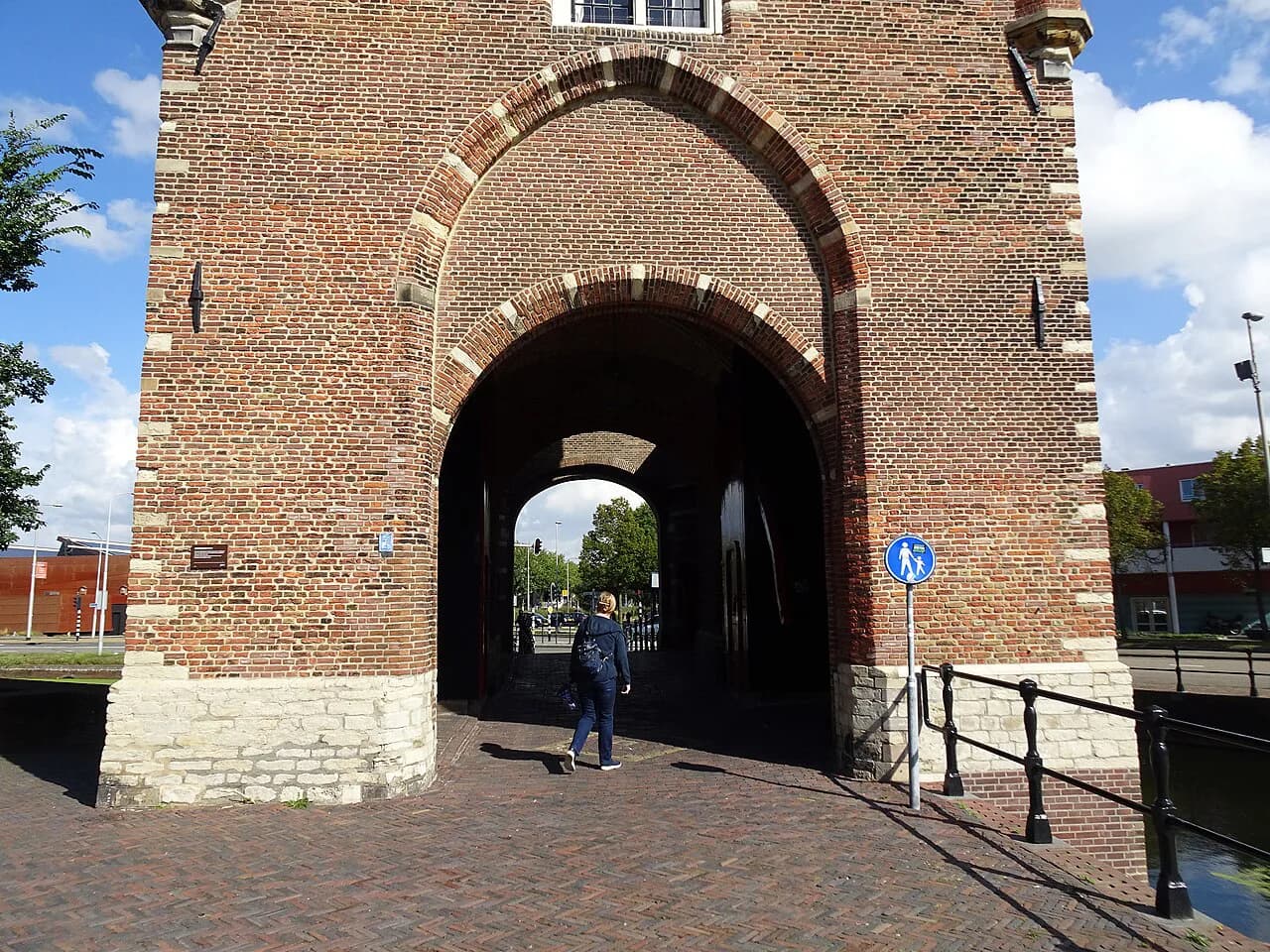
The gate is a picturesque corner surrounded by some of Haarlem's oldest buildings, with towers and brickwork that reward a close look from outside. There is no interior to tour and no exhibition to read, so the visit is about the outside, the arches and the setting at the edge of the old town.
Where it stands and how to reach it
The gate stands at the end of the Spaarnwouderstraat in the old town, in the 2011 BZ Haarlem postcode area. You reach it on foot by following the Spaarnwouderstraat away from the Grote Markt and the main shopping streets. Use the postcode for maps and walking directions rather than hunting for a visitor entrance, because the gate is part of the street.
Because the gate is an outdoor monument on a public street, there is no ticket desk, no opening time and no closing time to plan around. You simply walk up to it. If you are building a day in Haarlem, the Haarlem Attractions: 11 Visitor Guides page puts the gate alongside the city's other main sights so you can see how it fits.

How old it is and why it was built
The gate dates from 1355, when Haarlem was protected by a wall with several gates. Most of that defensive system has gone, and the Amsterdamse Poort is the only gate from those defences that remains. Seeing it is therefore a way to understand the shape of the old town: the gate marks where the edge of the city once ran. The gate's defences are usually associated with the 17th century as well as the medieval period, and the surviving structure has been extensively restored over the centuries.
The gate is a fortification rather than a decorative arch, so look at the thickness of the walls and the passage rather than expecting carved ornament. That context makes the short stop worthwhile even though there is nothing to buy or enter.
Why it is called the Amsterdamse Poort
The gate was formerly called the Spaarnwouderpoort, after the Spaarnwouderstraat. It carries the Amsterdamse Poort name today, and knowing the old name helps when you read Dutch signs or maps, which may use either form. It also explains the gate's position on the edge of the old centre: Amsterdam itself is a separate trip, and this gate stood where traffic leaving Haarlem for that direction passed.
Amsterdam itself is a separate trip, and this gate is simply the old exit that pointed that way.
How long to allow and when to come
Allow about ten minutes at the gate. People typically spend ten minutes here, which is realistic: you look at the outside, walk through the passage and take a few photographs. It is a natural add-on to a walk through the old town rather than a destination in its own right.
Morning and evening give the best light on the brickwork, when the gate is quieter and the surrounding streets are calmer. If you want photographs without crowds, go early rather than at midday. The gate is free to walk through, so you can pass it more than once without any cost or booking.
Cost and access
There is no admission charge: entry to walk through the gate is free. There is also no ticket to book and no timed slot, because the gate is an outdoor monument on a public route. If you are planning a day around paid museums, budget for those separately and treat the gate as a free stop between them.
The visit suits anyone walking the old town, including families and travellers who want a short, free sight between museum stops. It is not somewhere to plan a whole morning around. Pair it with a museum or a market rather than making it the reason for the trip.
What to see around it
The gate sits in a lively corner with shops, cafes and canal views nearby, so the surrounding streets are part of the visit. Walk a little along the Spaarnwouderstraat and the adjoining lanes to see the old-town fabric around the gate. This is also where you get the sense of the gate as an entrance rather than an isolated monument.
For a fuller picture of Haarlem, the Grote Markt is the central square and the natural next stop on a walk back into the centre. The Teylers Museum, Haarlem is another option for a longer half-day, with its own opening days to confirm before you go. Both make more sense as the main event with the gate as the short extra, and Haarlem Attractions: 11 Visitor Guides sets out the wider choice.
Nearby: Molen De Adriaan and the old town
Molen De Adriaan is the well-known windmill in Haarlem and a nearby landmark on a walk through the old town. The gate and the windmill together give you two very different pieces of Haarlem's older landscape. Any arrangements for the windmill are separate from the gate, which is a public street monument.
Beyond the windmill, the old town offers the usual Haarlem mix of streets, squares and museums. If you are choosing what to do in Haarlem, the things to do in Haarlem guide covers the wider spread of sights so you can slot the gate into a realistic day. Haarlem Attractions: 11 Visitor Guides gives a fuller overview of the city's main sights to pair with it. Keep the gate as a ten-minute pause and give the rest of your time to the museums and squares.
Is the Amsterdamse Poort worth the detour?
Yes, if you are already walking the old town and want a free, quick look at Haarlem's last medieval gate. No, if you are expecting a museum or a half-day attraction: there is nothing to enter and ten minutes covers it. Plan it as a short stop on the way to or from the centre, ideally in the morning or evening light.
Explore more Haarlem guides
Frequently Asked Questions
Is the Amsterdamse Poort free to visit?
Yes. The gate is an outdoor monument on a public street and there is no admission charge to walk through it. There is no ticket desk and no booking needed.
How long does it take to see the Amsterdamse Poort?
About ten minutes. You look at the outside, walk through the passage and take photographs. It works best as a short stop during a walk through Haarlem's old town rather than as a stand-alone outing.
Is the Amsterdamse Poort the same as the Spaarnwouderpoort?
Yes. The gate was formerly called the Spaarnwouderpoort, after the Spaarnwouderstraat where it stands, and it is now known as the Amsterdamse Poort. Dutch signs or maps may use either form.