
Pieterskerk Utrecht: What to See Inside Utrecht's Oldest Church
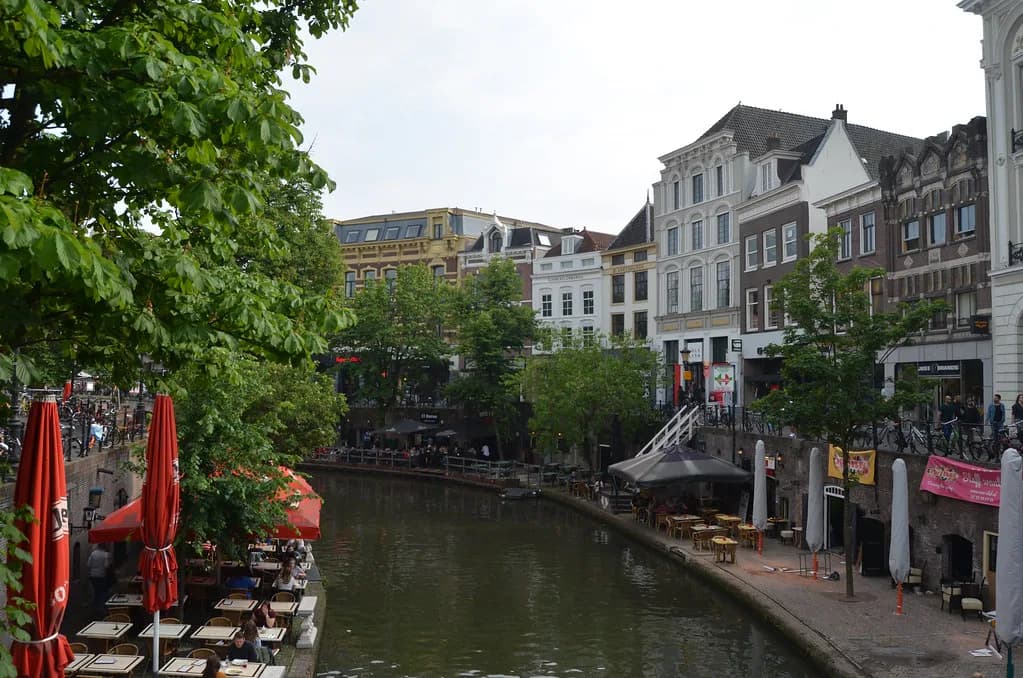
The Pieterskerk is worth 30 to 45 minutes of a Utrecht city break if you are in the old centre and the building is open to visitors. It is a Romanesque church on the small Pieterskerkhof square, a few minutes' walk from the Domtoren and the Oudegracht, and it is one of the oldest churches in the city. This guide covers where it sits, which rooms you actually see, how its concert programme affects opening, and what to pair with it nearby. For the wider set of city sights, see Utrecht Attractions: 12 Visitor Guides.
A Romanesque church begun in 1039
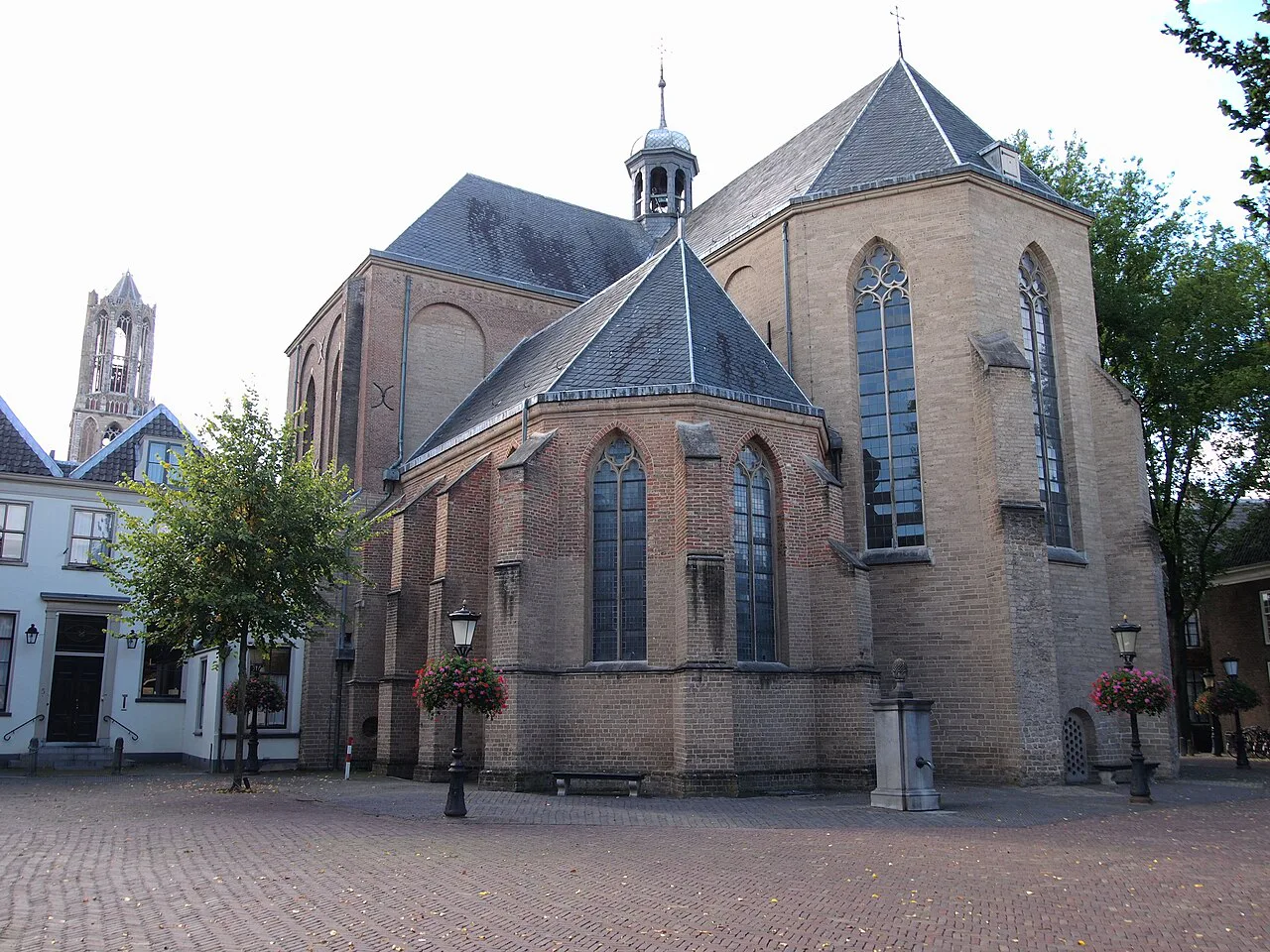
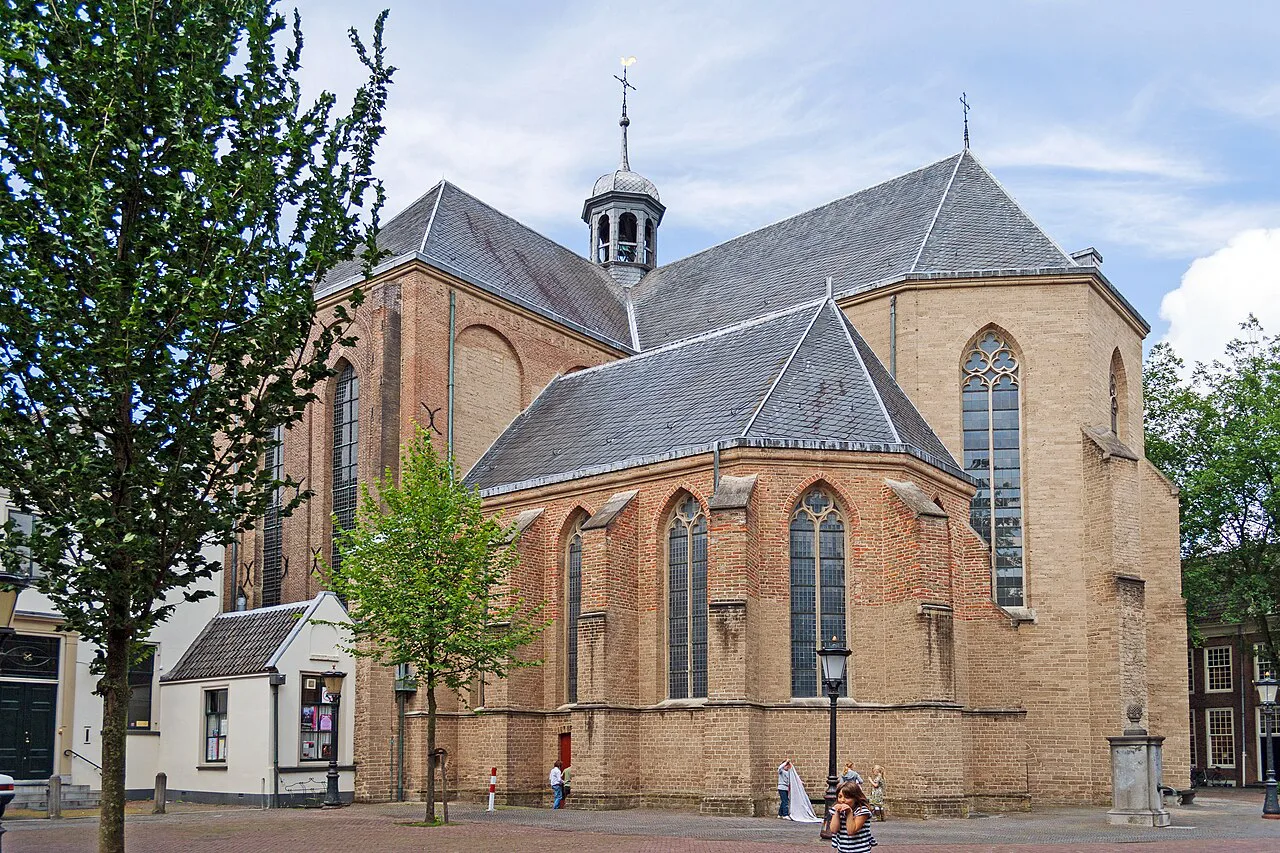
Construction of the Pieterskerk began in 1039 and the church was consecrated on 1 May 1048, which makes it one of the oldest churches in Utrecht. The building you see today is the survivor of a long history rather than a single medieval freeze-frame, so read the interior as layers: Romanesque stonework, later furnishings and the rooms that now host concerts and meetings. That thousand-year span is the reason to step inside rather than simply photograph the exterior.

Where the Pieterskerk is and how to find it
The church stands on the Pieterskerkhof in the old centre, on a quiet square tucked just off the main flow of the streets. From the Domtoren it is a short walk south-east through narrow streets; from the Oudegracht you approach from the west. Use the Dom Tower Utrecht (Domtoren) as your landmark and the Pieterskerkhof as your final turn — the square is small, so the church appears suddenly rather than announcing itself.
The church describes itself as tucked away on a small square in the heart of Utrecht, one of the city's best-kept secrets. Because the PieterskerkHof is a small square set back from the main streets, it is easy to miss, so set off with the street name rather than the building name in mind. Walking from the Dom takes only a few minutes, which makes the Pieterskerk an easy add-on to a morning in the centre rather than a separate excursion.

Opening days and times: check the agenda first
The church does not keep fixed daily visitor hours, so treat its agenda as the source of truth before you build a day around it. The official site publishes openstellingen — specific opening slots — alongside concerts and cultural events; a recent agenda lists the church open for visitors from 12.00 to 16.00 on a named Saturday, with the book chapel also open. Plan your visit around a published slot rather than assuming the doors will be open when you pass.
Because the church also runs concerts, lectures and cultural events, a day with no openstelling is unlikely to mean a normal visiting day. Check the agenda a few days ahead and again on the morning of your visit. If your Utrecht trip is short, slot the Pieterskerk into the day its agenda shows an opening and keep the rest of the itinerary flexible.
What to see inside: four rooms
The interior is best understood room by room. The Kerkzaal is the main church hall, used for concerts, lectures and congresses and listed by the church for 365 people. The Dekenkapel is the smaller chapel for intimate concerts and talks, listed for around 50; the Kapittelzaal is listed for about 35 for meetings and lectures; and the Pieternellenkapel, at roughly 25, is used for meetings and small receptions. Knowing this helps you read what a visit actually covers: you are seeing a working heritage building with flexible rooms, not a museum with fixed displays.
Look for the sarcophagus of Bishop Bernold, which the church's own information lists among the things to see, and take time over the Romanesque proportions of the main hall. The acoustics are the building's other attraction: the church quotes singers and conductors praising the sound here, and that reputation is why so much music is performed in this room. Allow time to sit rather than walk straight through.
Concerts and the early-music programme
The Pieterskerk is a regular concert venue rather than a church that occasionally hosts music. The church notes that its foundation Pieterskerkconcerten organises more than 50 concerts a year in the building, alongside events by Festival Oude Muziek and individual ensembles, and the agenda mixes choral and instrumental programmes with silence hours in the Dekenkapel. If early music is your reason for visiting Utrecht, check the agenda before you fix your dates.
The church is also listed as a concert location for the Festival Oude Muziek Utrecht, whose location page gives the venue's address as PieterskerkHof 3. The church's own site gives Pieterskerkhof 5, so use the square name to find the building rather than relying on the house number. If you plan to attend a performance, arrange tickets ahead through the festival or ensemble presenting it rather than counting on availability on the day.
How long to allow and when to slot it in
Give the Pieterskerk 30 to 45 minutes: enough for the main hall, the sarcophagus and a look into the chapels, without stretching a single building into a half-day. It fits neatly between the Domtoren and the Oudegracht, so place it mid-morning or mid-afternoon on a day you are already exploring the old centre on foot. If you attend a concert, add the performance time on top rather than treating it as part of the visit.
Pair it with a wider look at Utrecht's churches and museums rather than making it the day's centrepiece — the Dom Church Utrecht and the Dom Tower Utrecht (Domtoren) are minutes away and reward more time. The Pieterskerk works best as a quiet counterpoint: a short, atmospheric stop between bigger sights. If your day is tight, keep it as the flexible item and let the timed sights hold their slots.
Accessibility and practical points
The Festival Oude Muziek location page lists the Pieterskerk as wheelchair accessible, with disabled parking available, and notes that there is temporarily no accessible toilet at the church. Plan toilet stops before or after your visit rather than relying on facilities inside. Anyone with limited mobility should also check the specific event or opening arrangements when booking.
For admission arrangements, group visits and any conditions attached to opening slots, check the church's own site before you travel rather than assuming a walk-up entry on any given day. The church also publishes a telephone contact for questions about visits and bookings.
Nearby: what else is within a few minutes
The Dom Tower Utrecht (Domtoren) is the obvious next stop, a short walk away and the defining landmark of the centre; the Dom Church Utrecht sits beside it and gives context on Utrecht's religious history. Beyond that, the Centraal Museum and the Museum Catharijneconvent are a manageable walk for anyone building a museum day around the old centre. Keep the Pieterskerk as the short stop and let the larger museums take the bulk of the time.
For something quieter, the Museum Speelklok and the Sonnenborgh Observatory both sit within reach of the centre and suit different moods. Choose one companion sight rather than trying to cover everything in a single loop, and pair the church with whichever fits the rest of your day.
Is the Pieterskerk worth a stop?
Yes, if you are already in central Utrecht and the agenda shows the church open. It is a short, atmospheric visit with genuine historical weight — begun in 1039, consecrated in 1048 — and the room-by-room layout gives you a clear sense of how a medieval church is used today. Build it into a morning around the Domtoren and Oudegracht rather than making it the reason for your trip.
Explore more Utrecht guides
Frequently Asked Questions
Is the Pieterskerk free to enter?
The church's own site includes an information page on prices and conditions that applies to its specific opening slots. Check that page before you travel rather than assuming free walk-up entry.
Can you climb the Pieterskerk tower?
The church's published visitor information covers the Kerkzaal and chapels during its opening slots, and the concert and cultural programme. Plan any tower views elsewhere in Utrecht.
Is the Pieterskerk still an active church?
The building operates as a cultural venue and concert location, run around concerts, lectures and published opening slots. That is why visitor access depends on the published agenda rather than on regular daily opening.