
University Museum Utrecht (UMU): what to see and how long to allow
The University Museum Utrecht, known in Dutch as the Universiteitsmuseum Utrecht or UMU, is a family science museum where you are invited to become a researcher rather than simply read labels. You get five halls drawn from Utrecht University's current and past research, a starting puzzle called the Mysterybox, and a walled garden, the Oude Hortus, that is part of the same visit. This guide covers what each part involves, roughly how long to give it, and how it pairs with other stops in the city.
What the UMU is, and who it is built for
This is the research museum of Utrecht University, presenting science as something you do rather than something you read on a label. The museum's own description puts experiments, workshops and the chance to become a researcher at the centre of the visit, which tells you straight away that the tone is lively and child-scaled rather than hushed.
The museum manages Utrecht University's historical collections, which gives the hands-on rooms a serious academic spine underneath the play. That combination is why the museum works as a family stop but still rewards an adult who reads the panels. It also explains the scale: this is a compact museum with five halls, not a full-afternoon institution on its own.

Where the museum is and how to reach it
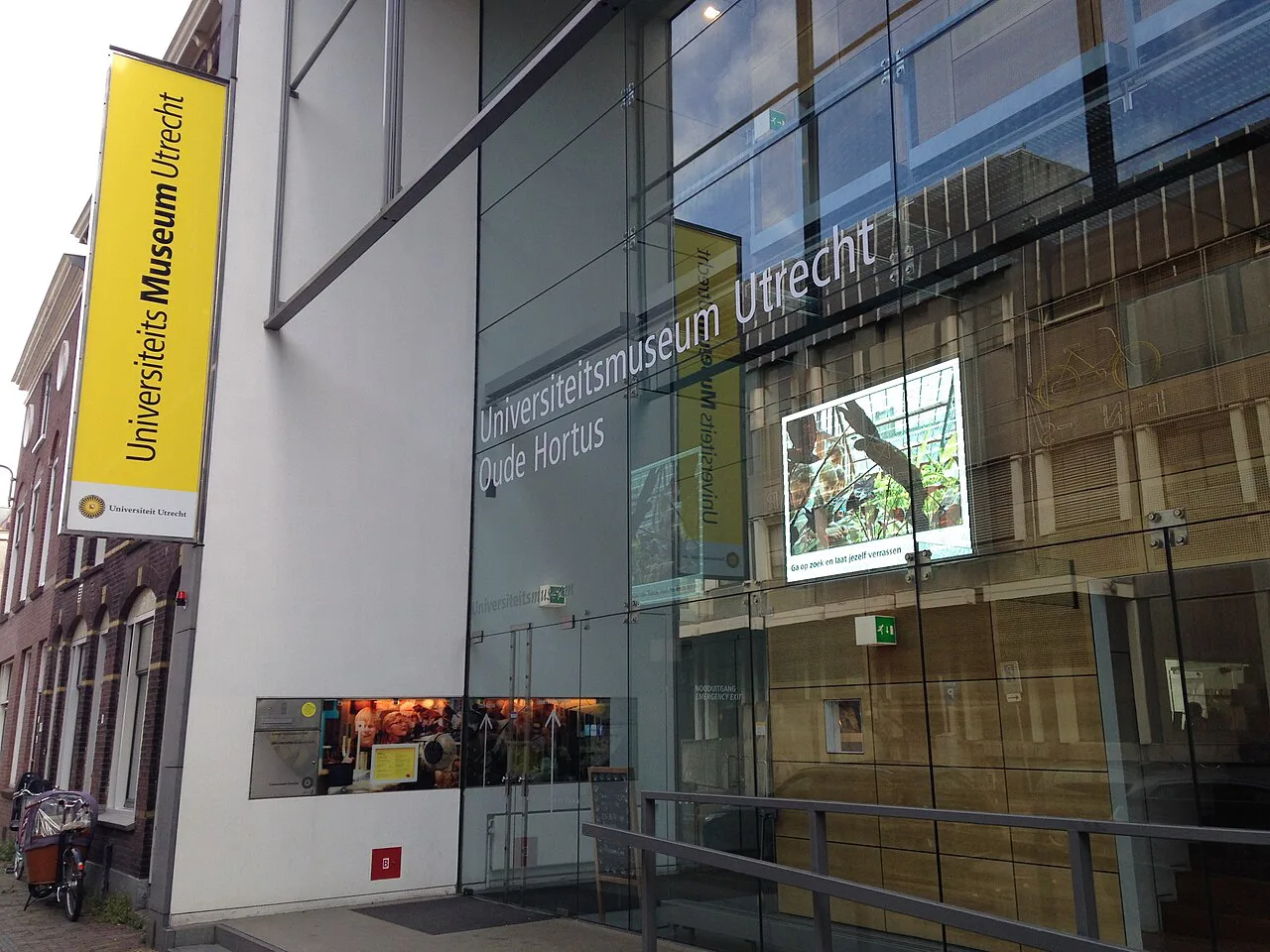
The Oude Hortus is described by the museum as a green spot hidden in the middle of Utrecht, and the museum and garden sit together, so most visitors reach them on foot as part of a walking loop through the old centre rather than as a standalone trip.
Arriving on foot is the sensible approach in this part of Utrecht, where lanes are narrow and busy with bicycles. The museum publishes practical visitor information on its own site, so consult that before you set out.

The five museum halls
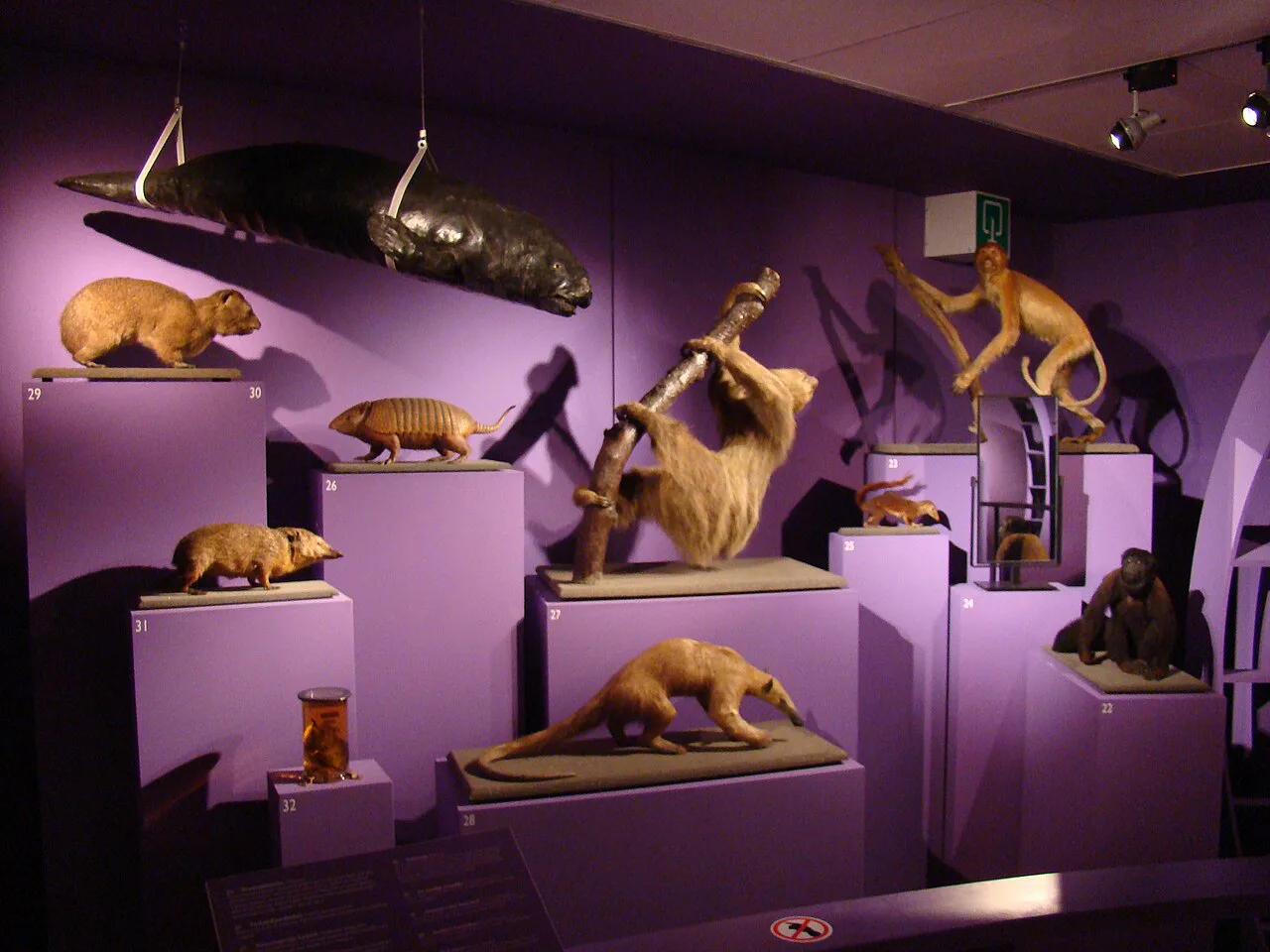
Inside, you move through five rooms that sample scientific research from Utrecht University's present and past, so the content shifts between historic instruments and live questions rather than following one strict timeline. Expect to be asked to look closely, compare and guess. That structure suits children who need something to touch, and adults who like a puzzle.
Because the displays change with the university's work, the specific objects you will meet are not fixed, and the museum keeps a calendar of extra activities alongside the permanent rooms. Check the agenda before a weekend or school-holiday visit, when workshops and experiments are most likely to be running.
The Oude Hortus behind the museum
The Oude Hortus is the museum's hidden garden, a green pocket in the middle of the city with old trees and special plants that visitors are invited to wander through. It is the strongest argument for giving the museum more time than the indoor rooms alone would need, especially on a warm day when the halls feel busy. Treat the garden as a reason to come rather than an afterthought.
The garden is part of the museum visit rather than a separate attraction of its own, so build it into the same stop. If you are weighing it against other green space in the city, see the city's parks guide.
Starting with the Mysterybox
At the beginning of your visit you meet the Mysterybox, a sealed container you cannot open. Instead you investigate it by testing, listening and reasoning to work out what might be inside, which sets the pattern for the rest of the museum: observe, hypothesise, check. Doing it first is worthwhile because it gives children a method to carry into the five halls.
The Mysterybox sits at the start of the visit, which is useful with impatient younger children who need an immediate task to focus on while the rest of the group finds its bearings.
Experiments and workshops for children
The museum is explicit that you can run experiments, join workshops and discover how science really works, which is the core of its appeal for families. That is also the honest trade-off: a child who wants to press buttons and try things will be happy, while a reader hoping for a conventional art or history collection will find little to hold them. Decide which group you are in before buying a ticket.
Extra activities run to a schedule rather than all day every day, so the calendar on the museum's site is the thing to check if a particular workshop is the reason for your visit. If you are planning a child-heavy day, the city's museums overview can help you line up other family-friendly stops nearby, and the Centraal Museum guide covers one of Utrecht's largest collections.
The museum café and shop
The café is set in a monumental building beside the Oude Hortus and is described by the museum as the greenest café in Utrecht, which makes it a natural pause between the halls and the garden.
The shop stocks books, games and garden-themed items including Hortus soap, so it is worth a browse if you want a present that is not the usual museum merchandise.
How much time to allow
A comfortable allowance for the five halls and the Oude Hortus is around two hours at a relaxed pace with children, or nearer ninety minutes if you move briskly. Add time for a workshop if the agenda has one running during your visit. The museum is compact enough that it rarely fills a whole day, which is why it works best combined with something else in the city.
A sensible half-day shape is the UMU and its garden first, then a separate block elsewhere in the centre — the Dom area makes a natural second stop. If you are building a longer Utrecht stay, the city's wider list of attractions will help you see what else fits around it.
Tickets and opening times
The museum's own site carries pages for ticket prices and opening hours, and those are the figures to use before you travel rather than a third-party listing.
Group visits and birthday parties are handled through the museum's own group-booking pages, which matters if you are bringing a school class or a cluster of families.
What to combine with a UMU visit
The Centraal Museum is an obvious pairing with the UMU. Doing two museums in one day is realistic if you start early, but it makes for a long day with small children.
The Dom church and the Dom Tower are the two landmarks that anchor the old centre, so a UMU visit fits neatly into a standard Utrecht circuit that includes them. The Museum Catharijneconvent and the Pieterskerk are further options if you want to extend a museum run across the city.
Who it suits, and the trade-offs
The UMU is at its best for families with primary-school children, curious teenagers and adults who enjoy interactive science, and it is a sensible wet-weather option because the halls and café keep a mixed group occupied while the garden is there for a dry spell. The trade-off is size and focus: anyone after a grand academic collection, historic interiors or a full afternoon of exhibits will finish quickly.
If you want a different flavour of Utrecht museum, the Museum Speelklok and the Sonnenborgh Observatory are both worth a look and easy to slot into the same trip. Read Utrecht Attractions: 12 Visitor Guides before committing your days.
Is the UMU worth a slot in your Utrecht days?
Yes, if you are travelling with children or want an hour or two of hands-on science and a quiet garden in the middle of the city. Pair it with another Utrecht museum or a walk through the Dom area, and give it a half-day rather than a full one. If your group is adult-only and set on art and history, put your time elsewhere.
Frequently Asked Questions
Is the University Museum Utrecht the same as the Universiteitsmuseum Utrecht?
Yes. UMU is the shorthand for Universiteitsmuseum Utrecht, the research museum run by Utrecht University that manages the university's historic collections.
Is the Oude Hortus included in a museum visit?
The museum presents the Oude Hortus as part of the visit, so plan the garden into the same stop rather than a separate trip. Treat entry to the museum and garden as one visit and confirm the current arrangements with the museum.
Is the museum suitable for young children?
It is built for curious children and their parents, with experiments, workshops and the Mysterybox at the start. The garden gives a family group somewhere to slow down between the halls.