London to Den Bosch: Train, Ferry or Flight for a City Break
Train, ferry or flight from London to Den Bosch compared: train times into the city, where you change on the rail route, and which option suits a short city break.
On this page
Take the train. London to 's-Hertogenbosch (Den Bosch) is a rail journey with one change, averaging around five hours and forty-four minutes, and for a short city break it beats flying once you count the transfers at both ends. This guide covers how the rail route works, what it costs when you book ahead, and how the alternatives stack up.
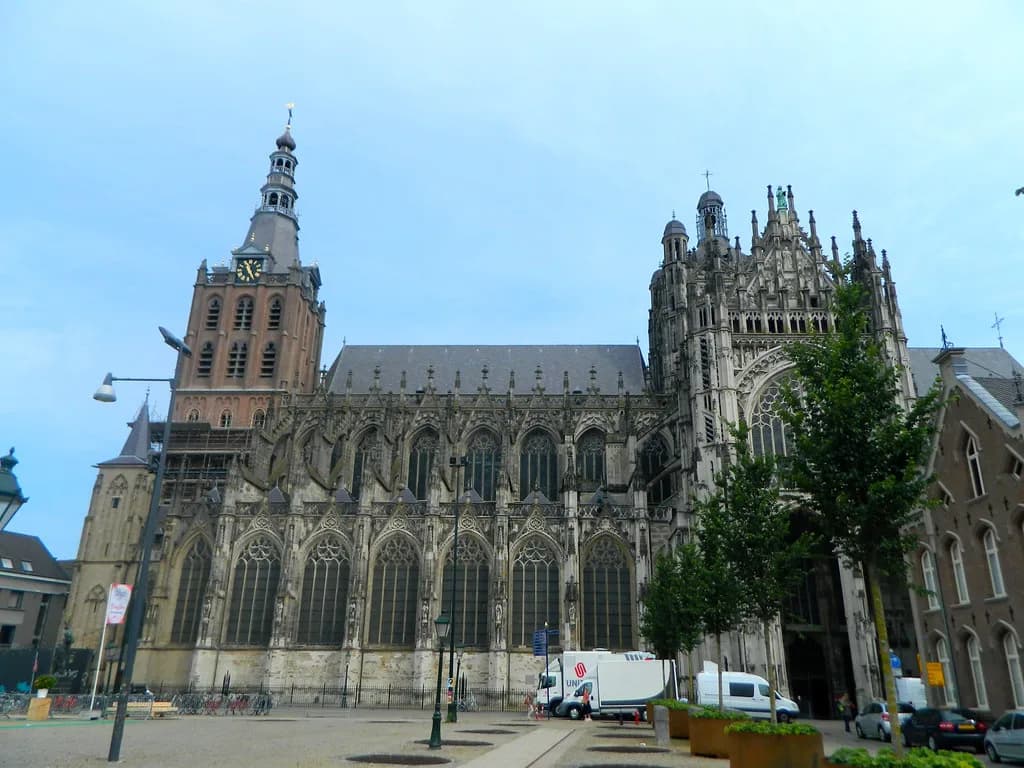
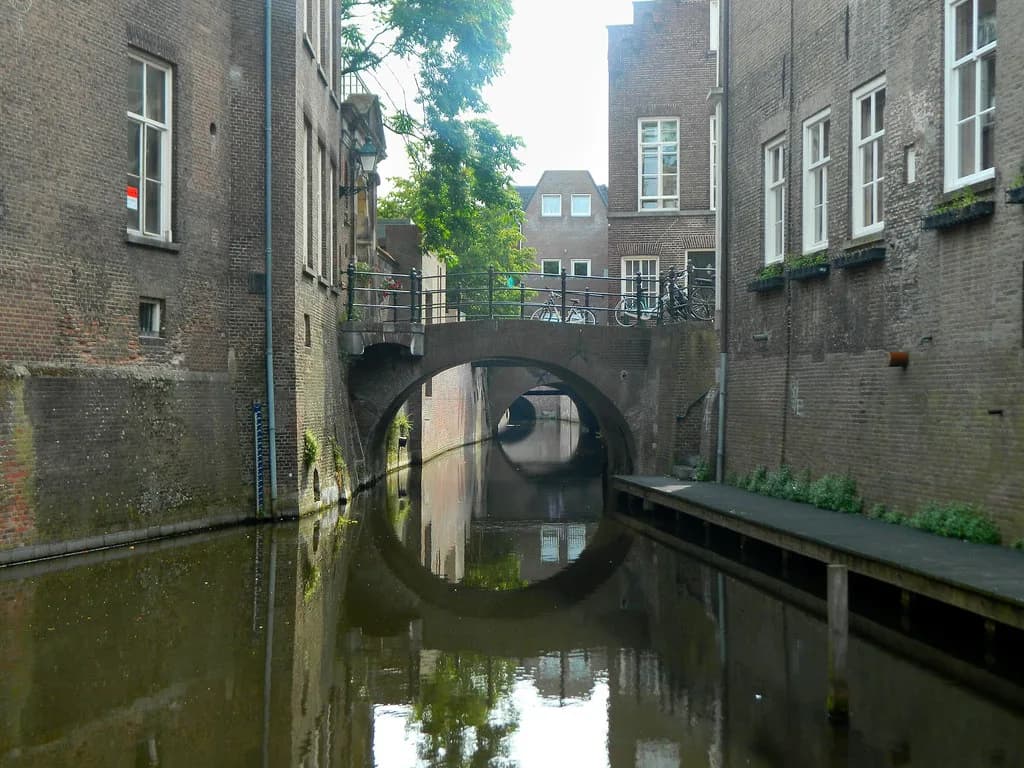
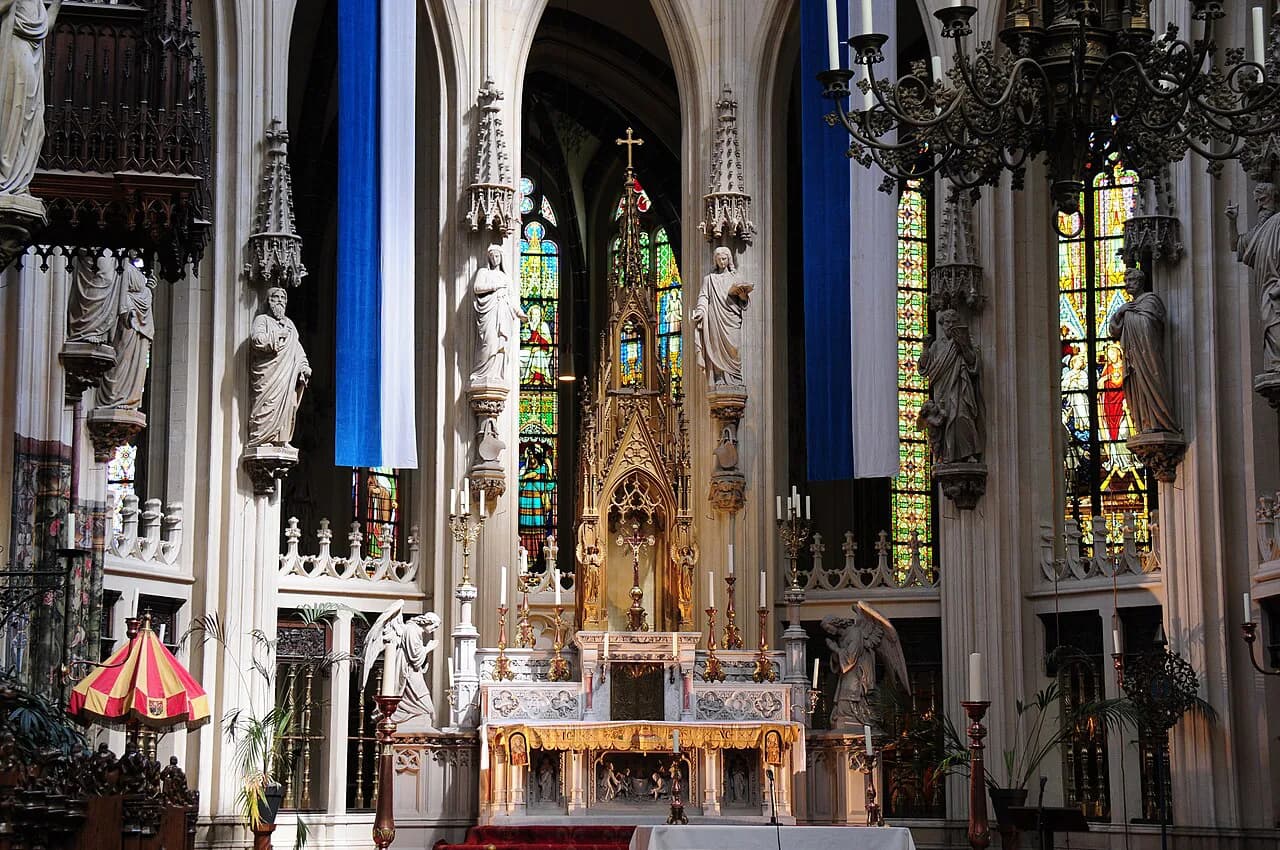
Den Bosch rewards a tight itinerary: the medieval centre is compact, the Sint-Janskathedraal and the Binnendieze canals sit within walking distance of each other, and two full days cover the highlights without rushing. Pick your transport around protecting those days.
Train from London to Den Bosch: Eurostar plus one change
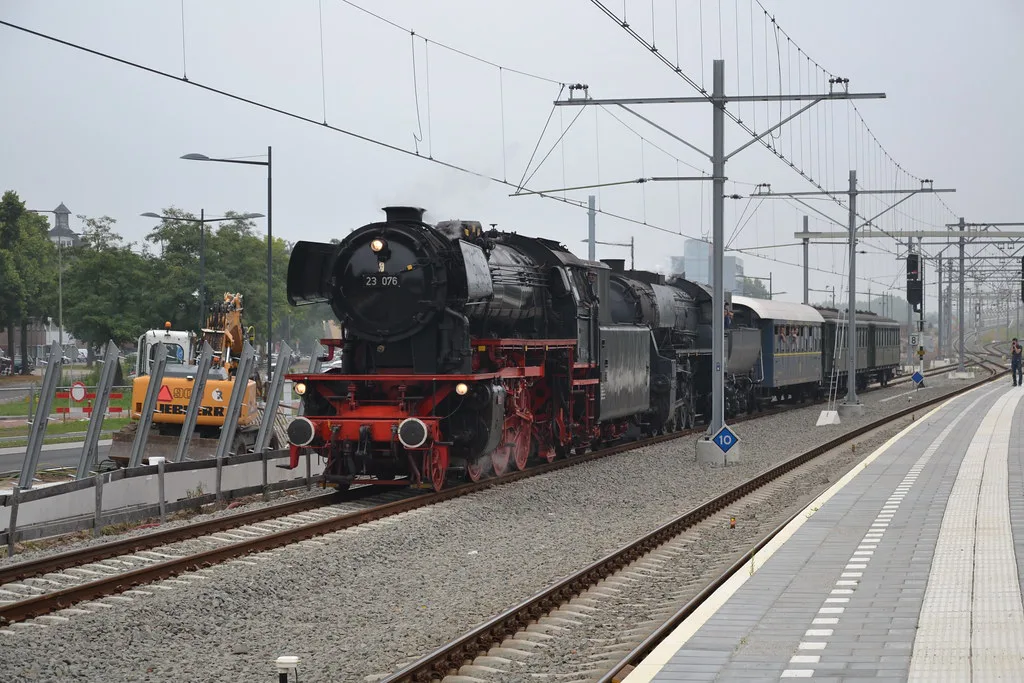
The route is Eurostar from London to the Netherlands, then an NS connection to 's-Hertogenbosch. There are no direct trains the whole way, so you make at least one change en route, and Eurostar and NS are the two operators named on the route.
The practical consequence is that the fastest London-to-Netherlands departure is not automatically the fastest Den Bosch arrival. Build the change into your planning and aim to arrive in daylight, which leaves the evening free for a first wander through the Markt and around the Sint-Janskathedraal. If you want to know how the days fit together before you book, the Den Bosch Itinerary maps out a sensible two-day shape.
How long the journey takes and how often trains run
Allow around five hours and forty-four minutes on average, with the quickest services covering the distance in four hours and thirty-four minutes. Roughly seventeen trains run the route each day, so the timetable usually offers several departure options, though each still involves a change.
For a weekend, the timings matter less than the shape of the day: a morning departure puts you in Brabant in the afternoon, which effectively costs you half a sightseeing day. A Friday out and Sunday back gives you one full day in the city, so a three-day break is the more comfortable fit if you want two full days of sightseeing.
Journey times vary by departure and connection, and the timetable changes through the year, so check the exact schedule for your dates when you book.
What the train costs and when to book
Advance fares on the London to 's-Hertogenbosch route start from £201.90 when you book ahead, according to Trainline's route page. Booking early is widely the biggest lever on price. Treat that figure as an indicative starting point rather than a quote for your dates.
At that level the train is a real outlay for a short break, so weigh the fare against the sightseeing time it buys you. If the budget is tight, booking further ahead on advance tickets is worth more than shaving a connection.
Where you change and how you reach the centre of Den Bosch
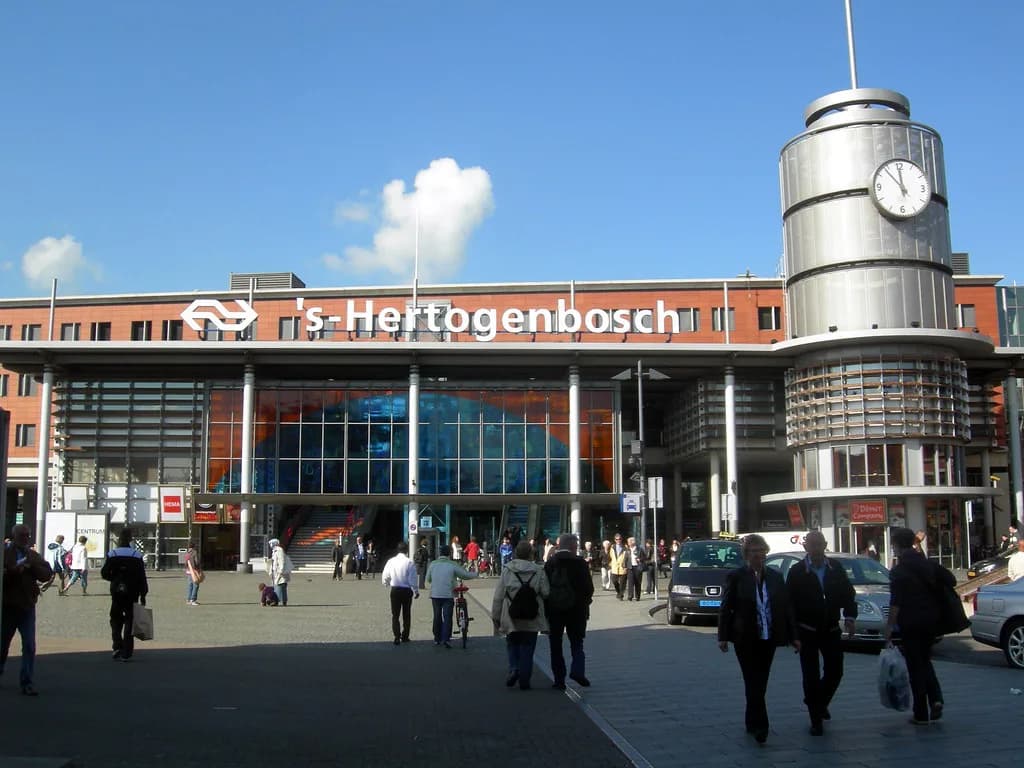
With one change on the route, you move from the Eurostar international service onto an NS connection for the final leg into 's-Hertogenbosch station. Eurostar and NS are the operators on the route, and the Trainline booking page confirms 's-Hertogenbosch as the arrival station. Keep your connection details with your booking confirmation.
Pack light for this trip. A wheeled cabin bag is fine on Eurostar and on NS trains, and it keeps the change of trains simple when you are moving between platforms.
Flying and the onward trip into the city
Flying from London to the Netherlands can look quicker in the air, but the door-to-door time into Den Bosch includes airport transfers at both ends and the onward train from the Dutch airport to Brabant. For a two-day break that overhead eats into the time you actually spend in the city, which is the argument for rail. Compare total hours, not flight time.
Flights only win on price when you find a genuinely cheap fare and travel with hand luggage only. Even then, add the airport-to-city leg and the early start most budget departures require before deciding it beats the train.
Coach, ferry and car: when they make sense for a short break
Coaches and ferries are slower than the train and add a road or sea leg to the journey, so they make sense mainly for travellers who want a different kind of trip or to spend less, not for a tight two-day plan. Check operators, routes and timetables for your dates before committing to either.
Driving gives you flexibility for exploring Brabant beyond Den Bosch, but parking in a medieval centre is a hassle and the car sits idle for most of a city break. If Den Bosch is the whole point of the trip, leave the car at home and put the money into advance rail tickets.
Which option suits a two- or three-day city break
For two or three days, take the train. The single change is easy to manage and you arrive at 's-Hertogenbosch station ready to walk into town rather than waiting for a transfer. Book an advance ticket early to keep the cost down, and keep the onward plan simple with the Den Bosch Itinerary.
Two days is enough for the cathedral, the Binnendieze and a leisurely circuit of the canals; three days lets you add a museum and still have an unhurried afternoon. If you are still weighing up the destination itself, it helps to know what you are committing to before you book transport.
If you only have one day, the rail journey from London and back in a single day leaves too little time in the city to be worthwhile; stay overnight or choose a longer break.
Arriving in Den Bosch: orientation for the first hour
From the station, make for the Markt, the city's main square, and the Sint-Janskathedraal beyond it. The old centre is compact enough to explore on foot, so drop your bag and get your bearings by wandering the streets rather than hunting for transport.
If you are unsure whether the city deserves the trip, the case for Den Bosch rests on its compact medieval centre, the Sint-Janskathedraal and the Binnendieze canals. Read the case for it before you commit.
Book the train, then build the days
Take the advance rail ticket, allow the change, and protect two full days in Den Bosch. That is the balance that makes a London-to-Den Bosch break feel unhurried rather than a dash; A Den Bosch Weekend plan shows how the days fit together once you arrive.
Once the travel is booked, plan the sightseeing around the cathedral, the canals and the museums rather than around transport, because the city itself is the point.
Frequently Asked Questions
Does the Eurostar run directly from London to Den Bosch?
No. The journey to 's-Hertogenbosch requires at least one change, with Eurostar and NS operating the route. The fastest services take about four hours and thirty-four minutes, and there are usually around seventeen departures a day.
How long does the journey from London to Den Bosch take by train?
Allow around five hours and forty-four minutes on average, with the quickest services around four hours and thirty-four minutes. The time varies by connection, so check the schedule for your dates when you book.
Is it cheaper to fly or take the Eurostar to Den Bosch?
It depends on the fare you find and whether you travel with hand luggage only. Flights can look cheap up front but add airport transfers at both ends, while the train runs into 's-Hertogenbosch station with a single change; compare total door-to-door hours and current fares for your dates before deciding.
Do I need a car in Den Bosch?
No. The historic centre is compact and walkable, so you can explore it on foot rather than driving between sights. A car is only useful if you plan to explore the wider Brabant region.
Sources
Notes for your next Dutch city break
Optional updates to our Netherlands guides.
You might also like
Continue reading
More guides you'll find useful