
Oosterpoort, Groningen: a district guide to the city's concert quarter

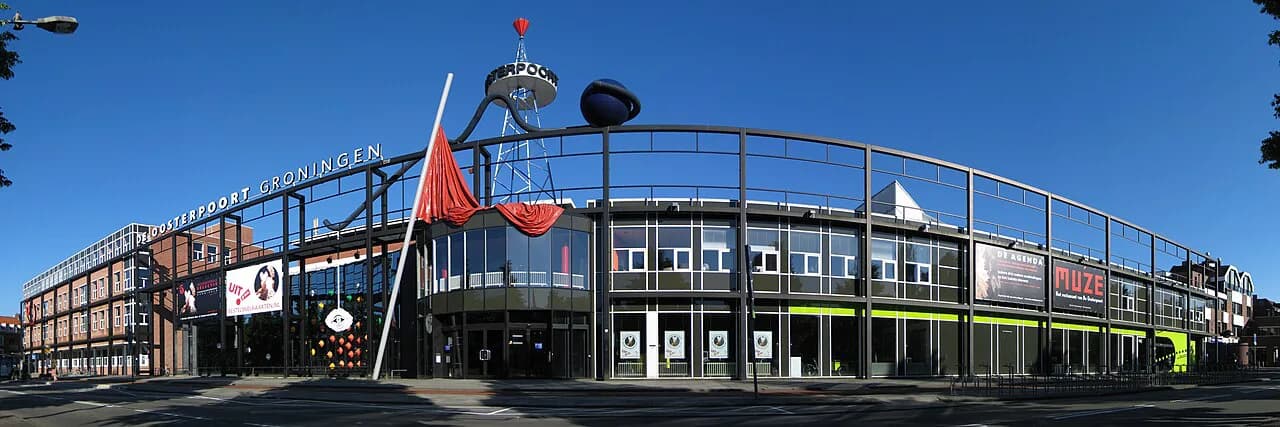
Oosterpoort is the district immediately south of central Groningen, and its name is used for two things: the neighbourhood and the city's main music venue, SPOT/De Oosterpoort on the Trompsingel. Base yourself here if a concert or festival is the point of your trip; look elsewhere in the city if you want canal-side streets and old squares on your doorstep. This guide separates the two meanings and sets out how to plan a short break around what is on.
The practical case for staying in Oosterpoort rests on one thing: you can walk to a show and walk back. The trade-off is that the historic centre, with its canals, medieval street pattern and squares, lies a short walk north rather than right outside your window. Treat the area as a functional base with a strong evening draw.
What Oosterpoort is
Oosterpoort is a district of Groningen lying south of the city centre, and the name is shared by the neighbourhood and by De Oosterpoort, the concert hall on the Trompsingel. That overlap confuses search results constantly: a query for Oosterpoort Groningen may mean the area, the venue or the evening's programme. Knowing which one you want makes planning much simpler, because the district is compact and the venue is its anchor.
As a neighbourhood it is a working part of the city rather than a sightseeing quarter, so it earns its place in a short break through the venue and through its walking distance to the centre. If you are choosing between areas, compare it with the rest of the city before committing, since the districts differ sharply in character.

Where the district sits
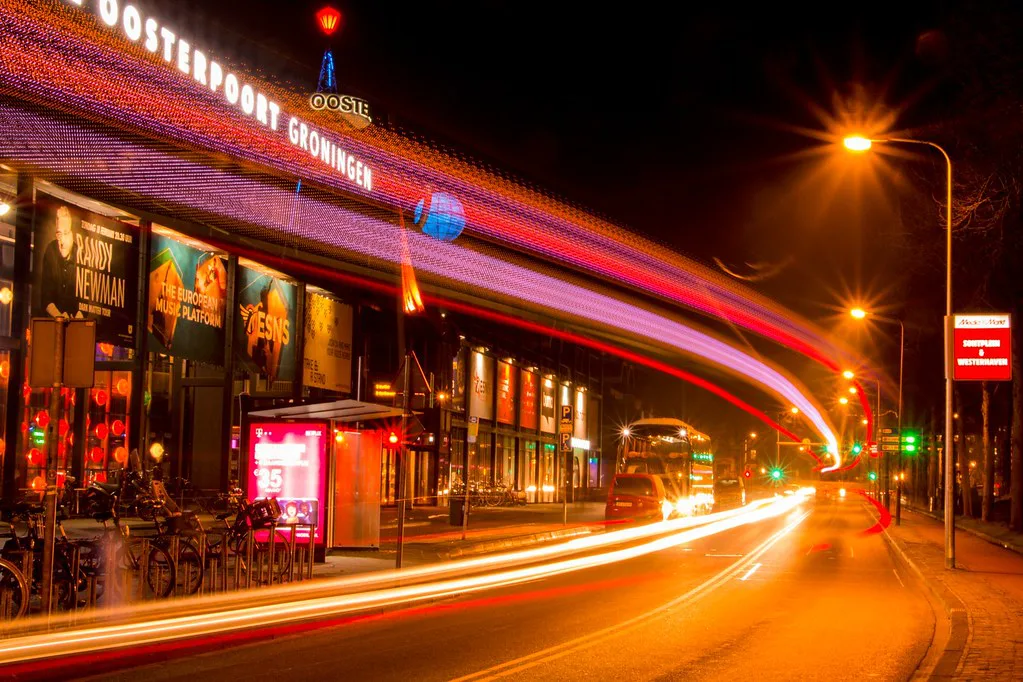
The district sits directly south of the historic centre, and the Trompsingel runs along its edge towards the venue at Trompsingel 27, an address confirmed by the tourist board. Walking in from the centre is straightforward and short enough for a night out without a taxi. Use the canal street as your mental map: follow it south from the centre and you arrive at the concert hall.
Because the neighbourhood is small, most addresses inside it are within a few minutes of the venue, which is the main reason to sleep here rather than in a more scenic quarter. If your priorities are courtyards, canals and squares, other districts serve you better and you can still walk over for a concert.
SPOT/De Oosterpoort on the Trompsingel
De Oosterpoort has been the city's principal music venue since 1973 and is an internationally known stage for pop and classical music, run by SPOT Groningen alongside the Stadsschouwburg. It hosts ESNS and a long list of festivals and concerts, and has been home to the Noord Nederlands Orkest for fifty years. For a visitor, that means orchestral evenings, touring bands and festival bills share the same building.
The venue sits within SPOT Groningen, the organisation behind both De Oosterpoort and the Stadsschouwburg, so one promoter programmes theatre, cabaret, dance and music across the two buildings. If a name you want appears at the Stadsschouwburg instead, you are still dealing with one place to look for tickets, which makes planning simpler than chasing separate box offices.
The published programme mixes established names with up-and-coming acts and new discoveries across genres, and recent listings have included the multi-day TakeRoot festival and the Rockit bill with GoGo Penguin, Nate Smith, Tigran Hamasyan and Kurt Elling & Yellowjackets. Classical series, dance and theatre productions appear alongside them. Check the current listings rather than assuming a genre night, because the hall changes character from one evening to the next.
What a night at De Oosterpoort looks like
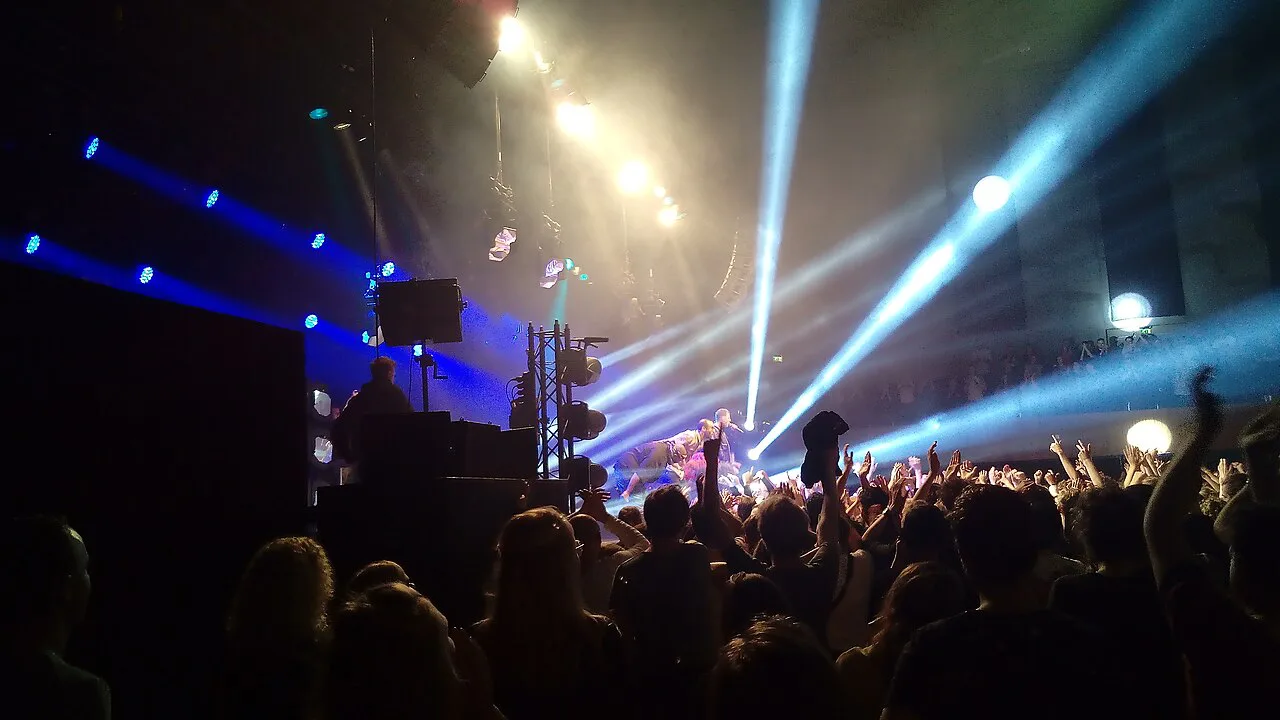
Plan the evening around the start time rather than the other way round: arrive in the district in the late afternoon, eat nearby, then walk to the Trompsingel for the show. Because the hall programmes everything from pop and indie folk to string quartets and dance theatre, the crowd varies by night. A festival evening and a classical concert in the same building feel like two different venues.
The venue's own eatery, The Mix, serves an à la carte menu inside De Oosterpoort, which removes the risk of a rushed meal elsewhere before a fixed start. It is the food option named on the venue's own pages, so it is the obvious default on a busy night; the venue invites you to reserve through its site.
Who Oosterpoort suits
This district suits gig-goers and festival visitors who want to be within walking distance of the hall, and anyone whose trip dates are already tied to a specific performance. It also works for travellers who value a quiet, functional base over a picturesque address. If your days are built around museums, canals and squares, it is the wrong end of town.
Travellers who want gabled streets, canal views and medieval squares outside the door should base themselves in the historic centre and walk south for a show. That split is easy in a city this compact. Compare other districts such as Korrewegwijk or Schildersbuurt if you want a different balance of residential calm and access.
Getting there and around
On foot is the sensible way: walk south from the city centre along the Trompsingel and you reach the venue at Trompsingel 27, with the district around it. The address and a route planner are published by the tourist board if you want to check the approach from your own starting point. Once you are in the area, everything worth reaching for a concert is within a few minutes.
Cycling is the other obvious option in Groningen, and the flat streets south of the centre make the ride short. Distances within the district are small enough that you will mostly walk once you have arrived. If you are spending a day in the centre, plan the sightseeing first and the walk south for the evening.
The historic centre is close by: canals, the Grote Markt and the city's main sights are a short walk north rather than a journey. That is the district's real advantage: you get a concert on the doorstep and a medieval city close at hand.
Where to eat in the district
The Mix inside De Oosterpoort is the option named on the venue's own pages, with the advantage of being in the building. Book through the venue and eat early enough to be in your seat without hurrying. For anything beyond that, the centre offers far more choice and is close enough to walk to before or after a show.
If you want a proper meal rather than a quick one, eat in the centre first and walk south afterwards; the timing works because the distance is short. Staying in the district and eating in the centre is a sensible split for a two or three night trip.
Practical trade-offs
Match your dates to the programme rather than picking dates and hoping: if nothing is on at De Oosterpoort during your window, the case for staying in this district weakens and the centre becomes the better base. Look at the listings before booking anything. A short break built around one strong concert beats a generic city break in the wrong neighbourhood.
The second trade-off is scenery. Oosterpoort gives you convenience and a venue, not canal views, so if you are travelling primarily for the historic city, choose your base accordingly and come south for the evening. If you are comparing southern districts with a quieter residential feel, Helpman is worth reading about before you decide.
Check the programme and book before you travel
Tickets and the full programme are published on the SPOT Groningen site, which covers both De Oosterpoort and the Stadsschouwburg. Check it before you fix dates, since a single touring show can justify the whole trip and a quiet week can argue for staying nearer the centre.
For the wider city, the attractions hub sets out the sights worth building a day around, and the district guides help you choose a base. Read those alongside the concert listings so the trip has both an evening and a daytime shape, and confirm times and availability with the organiser before you commit to travel. Start with the Groningen Neighborhoods: 4 Area Guides overview if you are weighing up where to stay.
Should you base your Groningen trip in Oosterpoort?
Stay in Oosterpoort if a concert or festival at De Oosterpoort is the reason for your trip and you want to walk to the venue and back. Choose the historic centre instead if canals, squares and medieval streets are the point, and walk south for the show. Either way, fix your dates around the programme rather than the other way round.
The district is small, the venue is its anchor and the centre is close enough to reach on foot, so the decision comes down to what you want outside your window.
Explore more Groningen guides
Frequently Asked Questions
Is Oosterpoort the same as De Oosterpoort?
The name covers both the district south of central Groningen and the concert venue on the Trompsingel. When you search for Oosterpoort Groningen you may find either, so decide whether you are looking for an area to stay in or a performance to book.
How do I find out what is on at De Oosterpoort?
The programme for De Oosterpoort and the Stadsschouwburg is published by SPOT Groningen on its own site, along with ticket information. Check it before you fix travel dates, because the value of staying in this district depends on something being on during your visit.
Who runs De Oosterpoort and when did it open?
De Oosterpoort is run by SPOT Groningen, the organisation behind both the concert hall and the Stadsschouwburg. It has been the city's main music venue since 1973, and the Noord Nederlands Orkest has been based there for fifty years.