
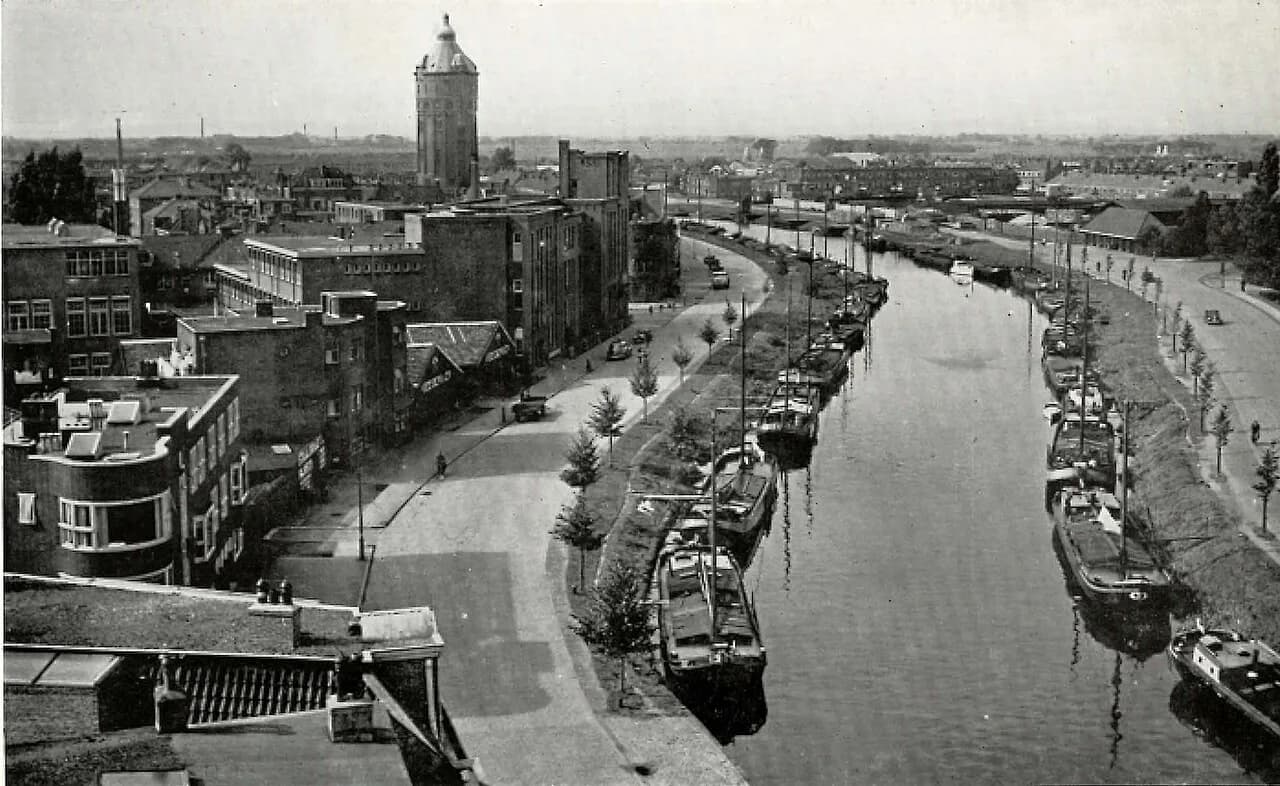
Schildersbuurt, Groningen: What the Painters' District Is Like

Schildersbuurt is a residential district immediately west of central Groningen, and it works as a walking detour rather than a sightseeing stop: you come for quiet streets, early twentieth-century housing and a short walk to the Noorderplantsoen and the centre. It is a protected townscape, not a cluster of attractions, so plan an hour or two of strolling instead of a day of tickets and queues. This guide covers the district's layout, its architecture, the adjoining Kostverloren area and how the two fit into a short city break.
What Schildersbuurt is and where it sits in Groningen
The district lies west of the centre, named after Dutch painters, and it is paired with Kostverloren, the smaller area on its western side. Most of the housing dates from the early twentieth century, which gives the streets a consistent pre-war scale of villas, gentleman's houses and apartment blocks rather than high-rise. The two main through-routes, Kraneweg and Friesestraatweg, carry most of the traffic, so the side streets between them stay calm enough for a leisurely walk.
Think of it as somewhere to stroll through rather than somewhere to tick off a list. If your Groningen plans are built around museums, markets and the Grote Markt, this district makes a quiet contrast to the busier heart of the city, a few minutes away on foot. Compare that calm with student areas such as Oosterpoort Groningen before you decide how to divide your days.
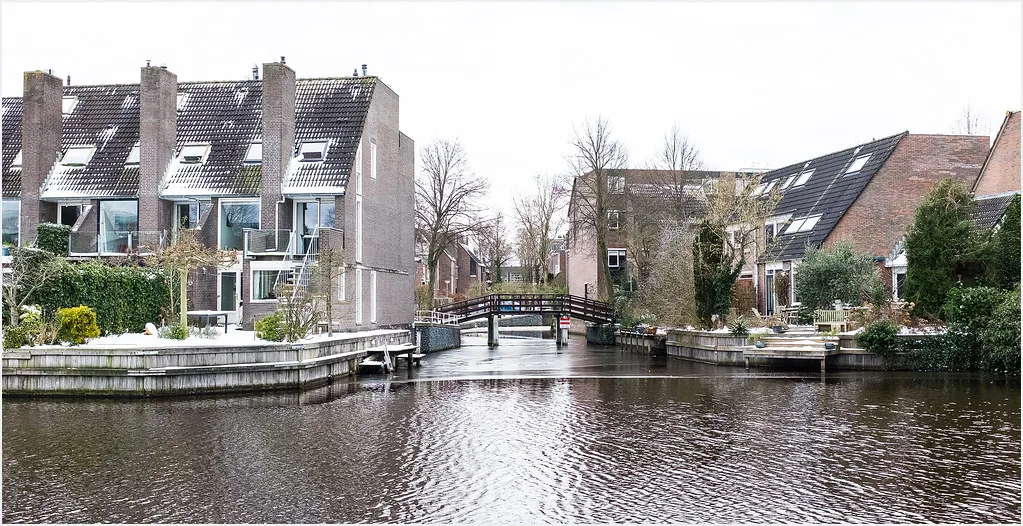
How the district is laid out: Kraneweg, Friesestraatweg and the quiet streets between
Kraneweg and Friesestraatweg are the two arteries that frame the neighbourhood, and orienting yourself by them is the simplest way to navigate. Because through-traffic follows those two roads, the smaller streets in between feel removed from the bustle, which is exactly why a wander here is pleasant. Walking from the district into the centre via Kraneweg or Westerhaven takes only a few minutes.
Hoendiep connects the area to the ring road, so arriving by car or continuing to other parts of the city is straightforward. Several bus lines serve the district, and the local area profile points to 9292 for planning a route, so check departure points and times there before you set out.
Why the name and the architecture matter: Jugendstil, Art Deco and Amsterdam School
The street names honour Dutch painters, and the buildings behind them span several styles within a compact area. The northern part of the neighbourhood shows Jugendstil and Art Deco influences, while the southern part reflects Amsterdam School architecture, so a single walk takes in three distinct visual idioms. Older houses from around 1900 are home mainly to young starters and students, which keeps the street life mixed.
The area holds protected townscape status, which is why the historic character of the streets has been kept rather than redeveloped wholesale. A renewal programme in the late 1990s replaced a number of rented homes with family houses and apartments, bringing more households with children into the district and giving parts of it a newer face. Treat the architecture as background for your walk, not as a formal sight with an entrance fee.
Kostverloren next door: the winkelstrip and the Wijk Informatie Punt
Kostverloren sits west of Schildersbuurt and grew in three phases from the late nineteenth century, when it was still a small village belonging to Hoogkerk before joining Groningen in the early twentieth century. It was briefly called West End, a name that never caught on. The two areas are usually treated together, and walking from one into the other takes only minutes.
The Winkelstrip Kostverloren is the local shopping strip, and the Wijk Informatie Punt at Jacob van Ruysdaelstraat 30 is the neighbourhood information point for practical questions about the area. It is a residents' service run by local organisations and the council, where you can drop in without an appointment for most of its consultation hours, rather than a tourist office selling visitor tickets. The neighbourhood website publishes what is on and how the local organisations work; see also our Groningen Neighborhoods: 4 Area Guides for how this quarter fits the rest of the city.
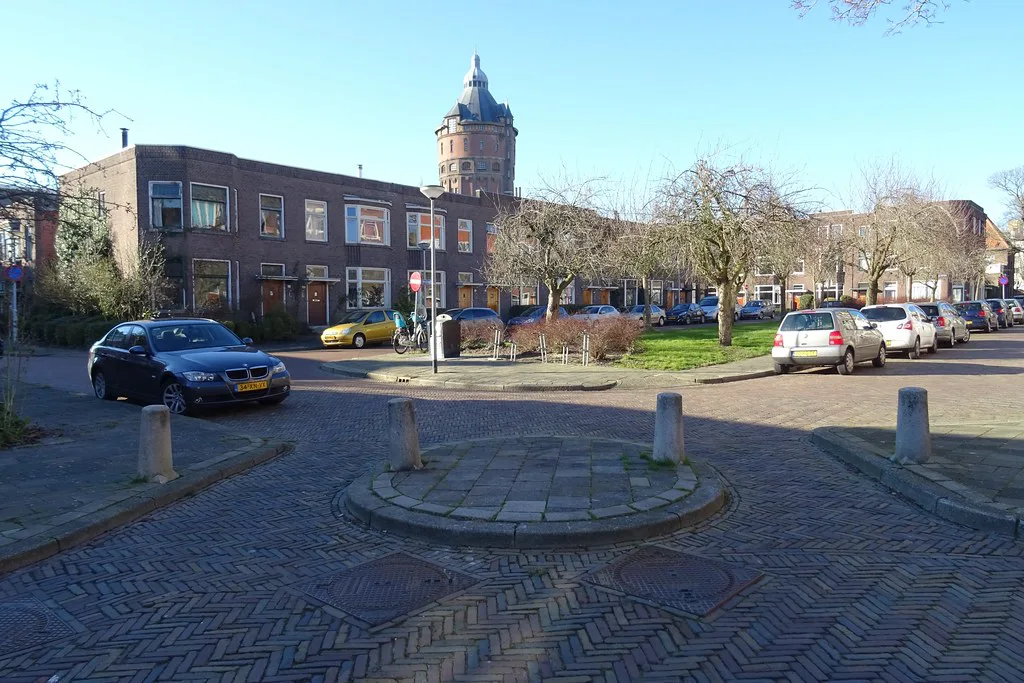
Who the neighbourhood suits, and who should look elsewhere
This district suits travellers who want a calm, characterful corner within walking distance of the centre and who are happy to spend their sightseeing time elsewhere in the city. It also works well for anyone interested in early twentieth-century urban housing, since the variety of styles is the main reason to come. The neighbourhood is described as safe and pleasant, with a village feel despite its central location.
Look elsewhere for your base if you want cafes, shops and restaurants on your doorstep, or if your short break depends on stepping out of your door into a busy historic core. Nothing in the district's own material points to a visitor-oriented hospitality scene, so plan your eating and evenings around the centre instead. Travellers staying around the busy Korrewegwijk, Groningen get a different mix of student life and local commerce.
Getting there and getting around: bus routes, walking times to the centre
On foot, the district connects to the centre through Kraneweg or Westerhaven in a few minutes, which makes walking the default way to reach museums, shops and the Grote Markt. Bus lines also serve the neighbourhood, and the local area profile points to 9292 for checking which route and departure time fits your day. Cyclists can reach the ring road via Hoendiep to continue to other districts.
Within the neighbourhood, everything is close enough to cover on foot, and the two arterial roads make a natural loop for a short orientation walk. If you prefer a greener, leafier residential base, Helpman is the comparable alternative on the city's southern side.
What is within walking distance: the Noorderplantsoen, ponds and green space
The Noorderplantsoen lies within about five minutes of the district, giving you a large city park for a morning walk or a picnic break. Inside the neighbourhood itself, several ponds and grass areas offer places to sit, and there are playgrounds for children. That combination makes the area unusually generous with green space for somewhere so close to the centre.
Pair a loop of the district's streets with a circuit of the park, then walk on into the centre rather than backtracking. If your trip leans towards formal sights, the city's attraction guides cover the museums and churches worth booking ahead.
Where to eat near the district, and why it is not a place to stay
Schildersbuurt is residential, and the local material points to everyday shopping in nearby streets and neighbourhoods rather than a restaurant quarter. Most travellers will eat in the centre, a short walk away, and treat the district as a place to wander through on the way. Use the city's wider things to do coverage to plan meals and evening activities elsewhere in Groningen.
The district is housing, not a hotel strip: no visitor accommodation is described in the material about the area, so plan to sleep in the centre or another neighbourhood. For a one-to-four-day break, weigh the calm of the streets against the walk back to your base in the evening.
Should you base yourself here?
Choose Schildersbuurt as a walking detour if you want a protected pre-war neighbourhood, quiet streets and a short walk to the Noorderplantsoen and the centre, and you are content to sightsee and eat elsewhere. Skip it if you want your cafes, restaurants and shops immediately outside the door. Either way, a walk through Kraneweg, Friesestraatweg and the side streets gives you a different view of Groningen from the market square.