One Day in Haarlem: A Realistic Walking Itinerary
Plan one day in Haarlem on foot: Grote Markt, Grote Kerk, the Frans Hals or Teylers museum, hofjes, the Amsterdamse Poort and Windmill De Adriaan.
On this page
One day in Haarlem covers the whole historic centre on foot. The essential sights cluster tightly enough around the Grote Markt, the main square, that you can walk between them, and the centre is compact enough that local transport is unnecessary once you arrive. The day works best as a loop from the square out to the old city gate and the Spaarne waterfront, not as a checklist of museums.
This route starts at the Grote Markt, gives the whole day to one museum, and finishes by the river before the train back. It flags where you must choose between sights, and where you can happily skip one.
Getting to Haarlem and where the day starts
Trains run from Amsterdam Centraal to Haarlem in 19 minutes, and Haarlem station itself is worth a look for its Art Nouveau detail before you leave the platform. From the station, head south on foot; the main shopping street, Grote Houtstraat, runs down through the centre towards the Grote Markt.
The city centre is compact and very walkable, so a one-day visit here is a walking day rather than a transport day. If you want the timings laid out hour by hour, follow the Haarlem Itinerary; for a longer stay, see A Weekend in Haarlem.
If you are deciding whether the city earns a full day from Amsterdam, the answer is yes for the centre alone. Whether it earns two days is a separate trade-off, covered at the end of this route.
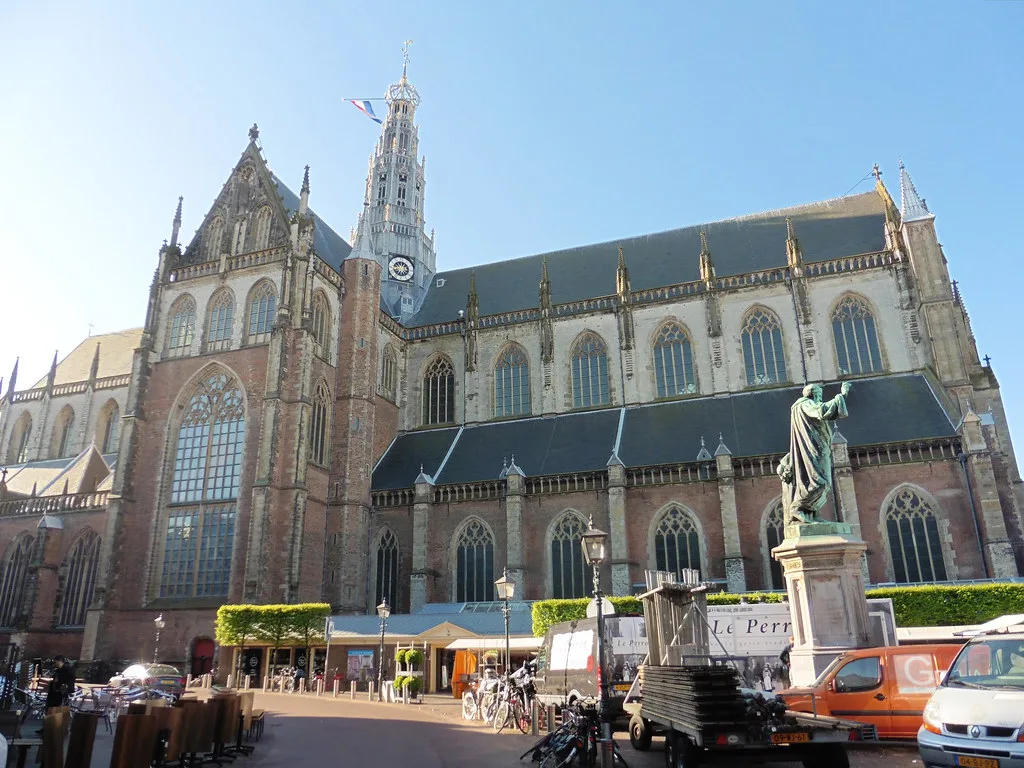
Start at Grote Markt: City Hall and the Grote Kerk
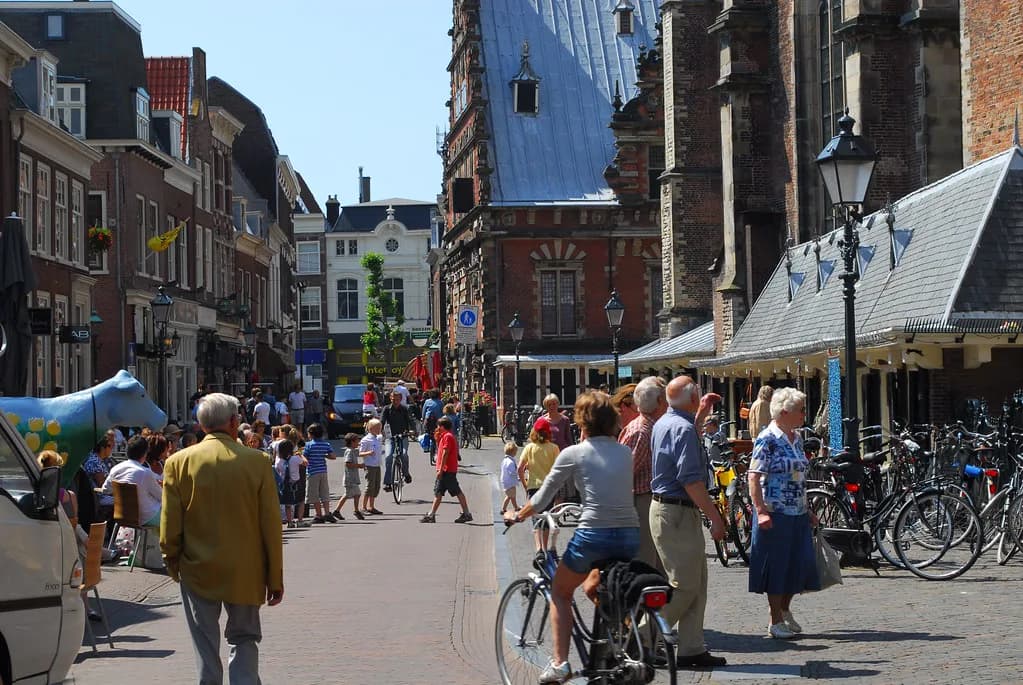
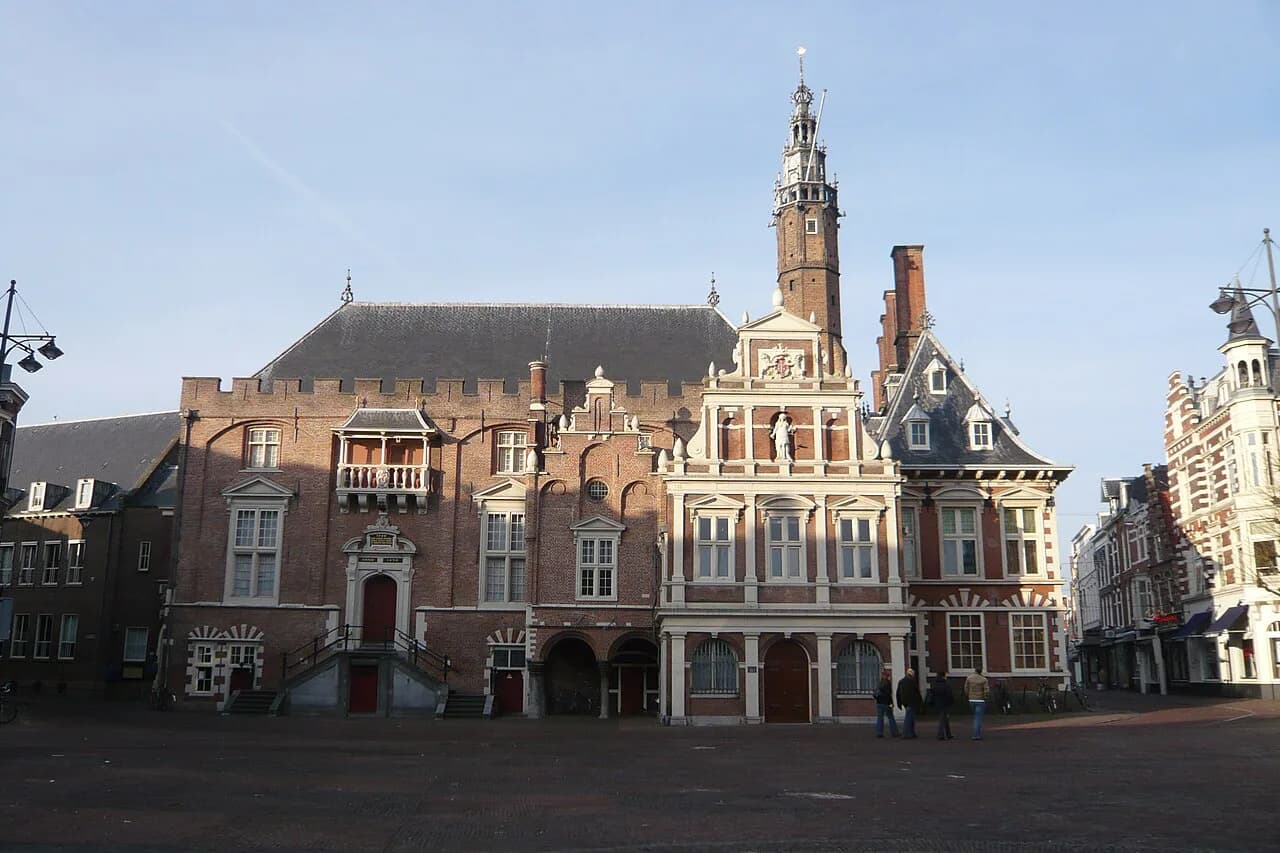
Begin at the Grote Markt, the heart of Haarlem for centuries. The City Hall, a building with medieval origins, has served the city since 1370 and stands on the square's edge.
The Grote Kerk, also called St Bavo Church, dominates the square with its Gothic form, its tower rising about 78 metres. Inside are stained glass, a wooden ceiling and the organ Mozart played; Frans Hals is buried here. The church and the Catholic Cathedral Basilica of St Bavo on the city's edge are different buildings, so do not mix them up.
Tower tours of the Grote Kerk have run from mid-April to the end of October, roughly one Saturday a month, with requests needed at least five days ahead; in an earlier season the charge was €8 per person. The schedule is limited rather than year-round, so confirm the current arrangement when you book.
Market days reshape the square: a weekly Saturday market sets up in Haarlem, so plan a shopping morning around that day rather than assuming the square is clear.
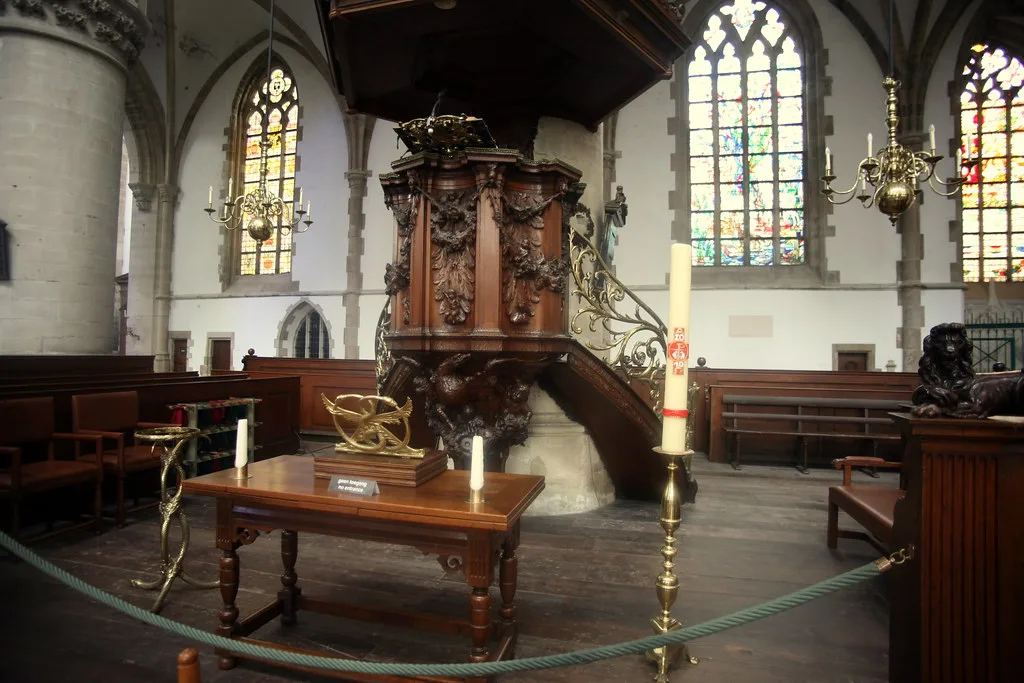
Choose your museum: Frans Hals or Teylers
Pick one museum, not two. The Frans Hals Museum holds fourteen real Frans Hals paintings, more than anywhere else in the world, including the large militia group portraits that made his name. It stands at Groot Heiligland 62.
Choose the Frans Hals if Golden Age portraiture is the reason you came, and a timed ticket ordered before you travel saves a gamble on the day. A special Hals-Rembrandt exhibition runs at the museum from 6 November 2026 to 28 February 2027, showing nineteen paintings between them.
The Teylers Museum is the alternative, and a strong one for anyone who prefers instruments, drawings and a cabinet-of-curiosities feel to walls of group portraits.
Whichever you choose, budget two hours inside and leave the rest of the day outdoors. Trying to fit both museums into one day squeezes out the hofjes and the river, which are the parts of Haarlem that reward a slower pace.
The Seven Golden Streets and where to shop
Haarlem is known among the Dutch as a shopping city, and the interesting streets sit in a cluster around the Grote Markt known as the Seven Golden Streets. Warmoesstraat is described as the most photogenic of them, Gierstraat holds eighteen monuments, and Kleine Houtstraat is the pick for browsing small shops.
Fashion shoppers head to Anegang, while Grote Houtstraat carries the big chains and everyday Dutch names. Spend thirty to forty minutes here if shopping matters to you, and walk straight past if it does not; the streets are short and easily crossed on the way south.
Hofjes and quiet courtyards
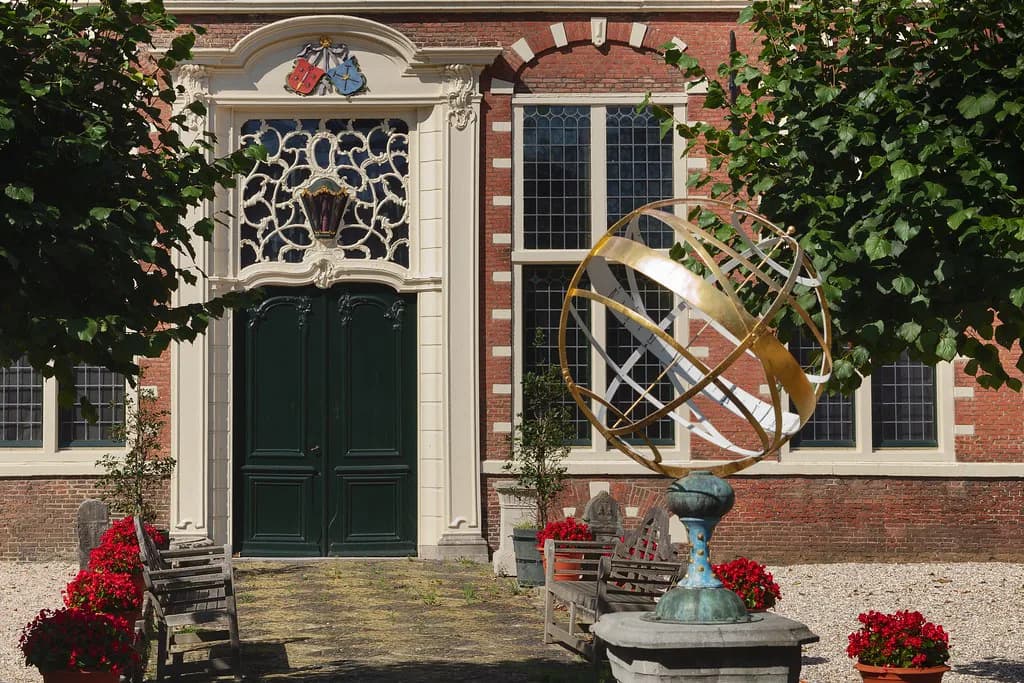
Haarlem's hofjes are enclosed courtyards of almshouses, hidden behind plain doors off ordinary streets, and they make the best deliberate pause of the day. The Hofje van Bakenes is the one to seek out first, with the Proveniershof as a second stop nearby.
Treat these as a fifteen-minute quiet stop rather than a sight: you walk in, look, and leave quietly. They also give you a genuine reason to wander the narrow lanes behind the Grote Markt instead of sticking to the main shopping artery.
Amsterdamse Poort and the old ramparts
Walk to the Amsterdamse Poort, the only survivor of Haarlem's twelve medieval city gates, on a rampart line built in the late fourteenth century and once ringed by a wide moat. The gate is a street landmark you can see from outside and takes only a few minutes, but it explains the city's shape better than any museum room.
From here the walk follows the old edge of the city back towards the river. It is a natural hinge in the day: gate and moat on one side, windmill and waterfront on the other, with no backtracking.
Windmill De Adriaan and the Spaarne waterfront
Windmill De Adriaan stands on the Spaarne and is the landmark for the river end of the day. This version was completed in 2002, after the original mill, so you are looking at a modern reconstruction rather than medieval timber.
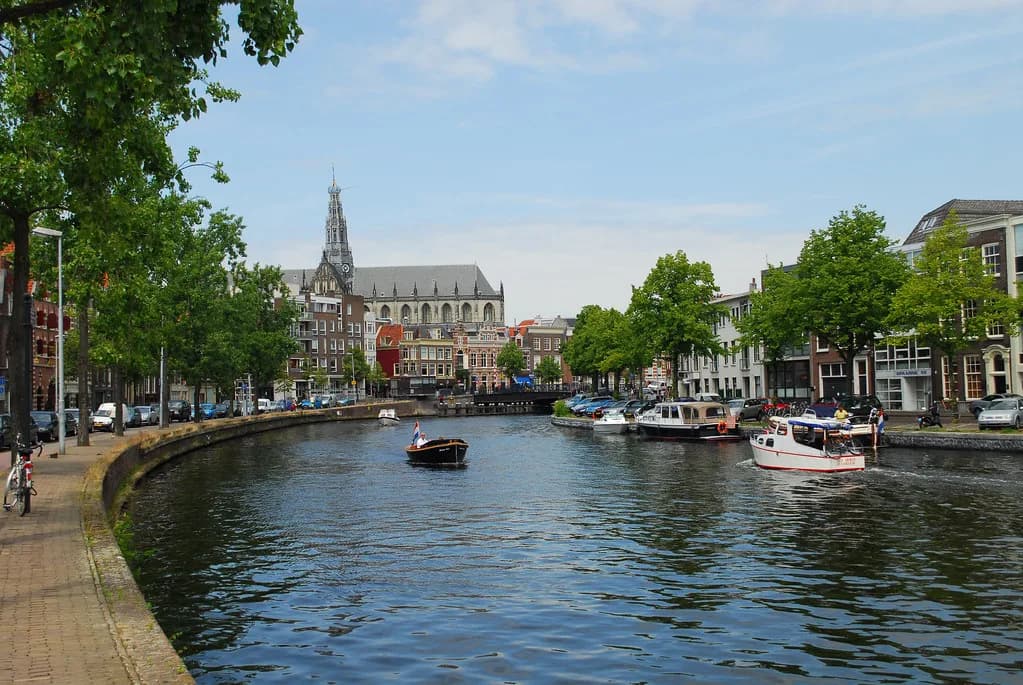
The riverbank is where Haarlem's wealth came from: tolls on passing ships, shipyards, breweries and textiles. Sit here for twenty minutes rather than rushing to the next sight, because the waterfront is the calmest part of the centre.
Lunch and coffee around the centre
Plan lunch within the loop rather than returning to the station end. The Grote Markt and the streets off it have the densest choice, and eating there keeps your afternoon route intact.
Jopenkerk, a brewery in a former church, is a natural stop for a long lunch or a drink, and De Olyphant is another old brewery building worth walking past for its façade.
Corrie ten Boom House and the resistance story
The Corrie ten Boom House tells the story of a Haarlem family who hid people during the Second World War, and it is the one sight on this route that trades directly against museum time. It appears on Haarlem visit shortlists, and it is a small house rather than a large museum, so check how to visit before you build it into the day.
Take it instead of the Teylers if wartime history interests you more than eighteenth-century science, or add it on a two-day visit. Fitting it alongside a full Frans Hals visit leaves too little of the afternoon for the gate and the river.
Afternoon canal option
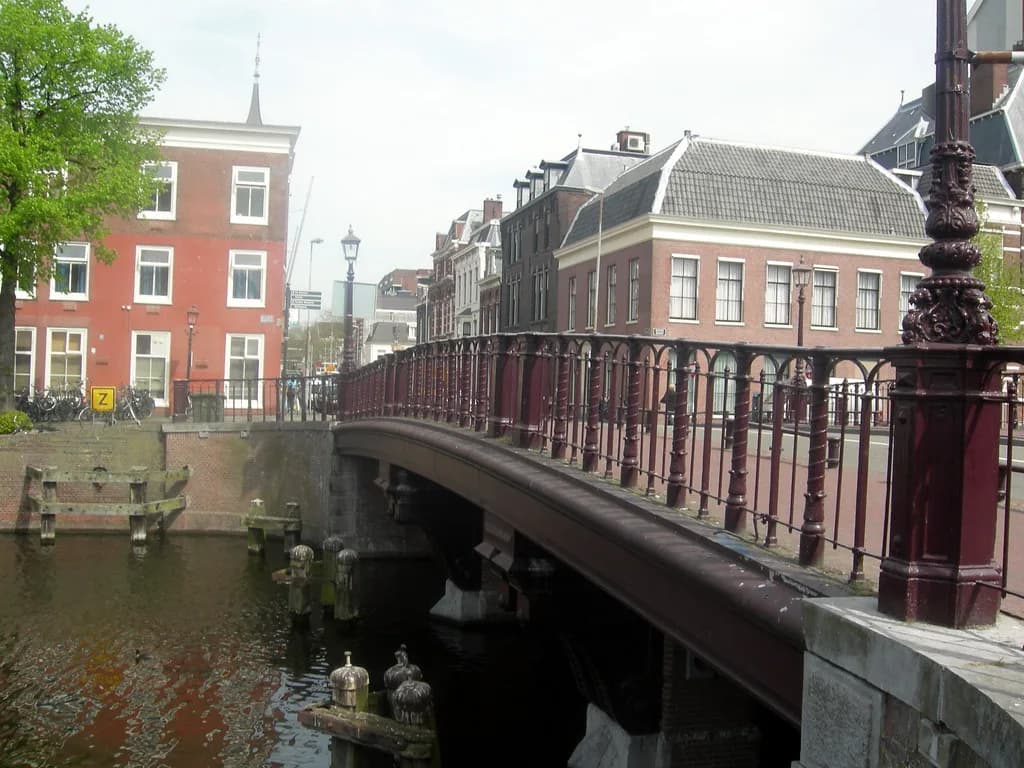
If the weather holds and your legs want a rest, a boat tour along Haarlem's canals gives you the gabled houses from the water. Haarlem's canals are quieter on the water than the busy boat traffic of the capital, which is part of the appeal.
Treat the boat as the substitute for the second museum, not an addition. Private boats are also available, which suits groups that want the boat to themselves.
Evening: the last hours before the train
Keep the final hour light. Walk the Spaarne bank once more as the light drops, then head back through the centre to the station, allowing a little slack at the platform.
If you are staying the night, the same route splits neatly across two mornings, which is the strongest argument for a two-day stay rather than a single day. If not, take an early evening train and eat dinner back in Amsterdam.
How one day compares with two
One day in Haarlem buys you the square, one museum, the hofjes, the gate and the river, which is a complete city visit. Two days buy the second museum, the Corrie ten Boom House and a slower lunch, plus time on the water without dropping anything else.
If your trip is a Dutch city break built around one base, Haarlem works better as a day than as a base, because its centre is small and the sights cluster tightly. Spend the extra day in a larger city and take Haarlem as the calm counterweight.
Book one museum, then walk the rest
The decision that shapes your day is the museum, not the route. Book the Frans Hals Museum if you want the Golden Age portraits, take the Teylers if you want science and drawings, and let the Corrie ten Boom House be the optional third slot you drop when time runs short.
Everything else on this walk is a matter of walking and looking: the Grote Markt, the Grote Kerk, the Seven Golden Streets, the hofjes, the Amsterdamse Poort seen from the street and Windmill De Adriaan. Keep the day on foot and you will see more of Haarlem than a timetable can promise. For more, see A Weekend in Haarlem.
Explore more Haarlem guides
Sources
Notes for your next Dutch city break
Optional updates to our Netherlands guides.
You might also like
Continue reading
More guides you'll find useful