
Maritiem Museum Rotterdam: a Visitor's Guide to the Maritime Museum
The Maritiem Museum Rotterdam makes a strong case for a slot in a short Rotterdam break because it is the oldest maritime museum in the Netherlands, founded in 1874, and holds one of the largest collections in Dutch maritime history. It sits at Leuvehaven 1, and this guide covers the documented collection, the art holdings, how long to allow and what to confirm before travelling.
What the Maritiem Museum Rotterdam is
Rotterdam's maritime museum was founded in 1874 and is the oldest institution of its kind in the Netherlands. Its collection runs to more than 1.2 million objects, which makes it one of the largest holdings anywhere in the field of Dutch maritime history. That scale matters for planning: the documented collection is deep enough to reward a half day.
The museum addresses Leuvehaven 1, 3011 EA Rotterdam. Its telephone switchboard is listed as +31 10 413 2680. Treat that harbour-side address as your anchor point when planning a route through the centre.
The documented collection is a broad maritime one: objects, models and historical material rather than a single chronological walk-through. Set your expectations accordingly: the strength is breadth, from ship models and art to material tied to the history of the Dutch at sea.

Getting to Leuvehaven 1
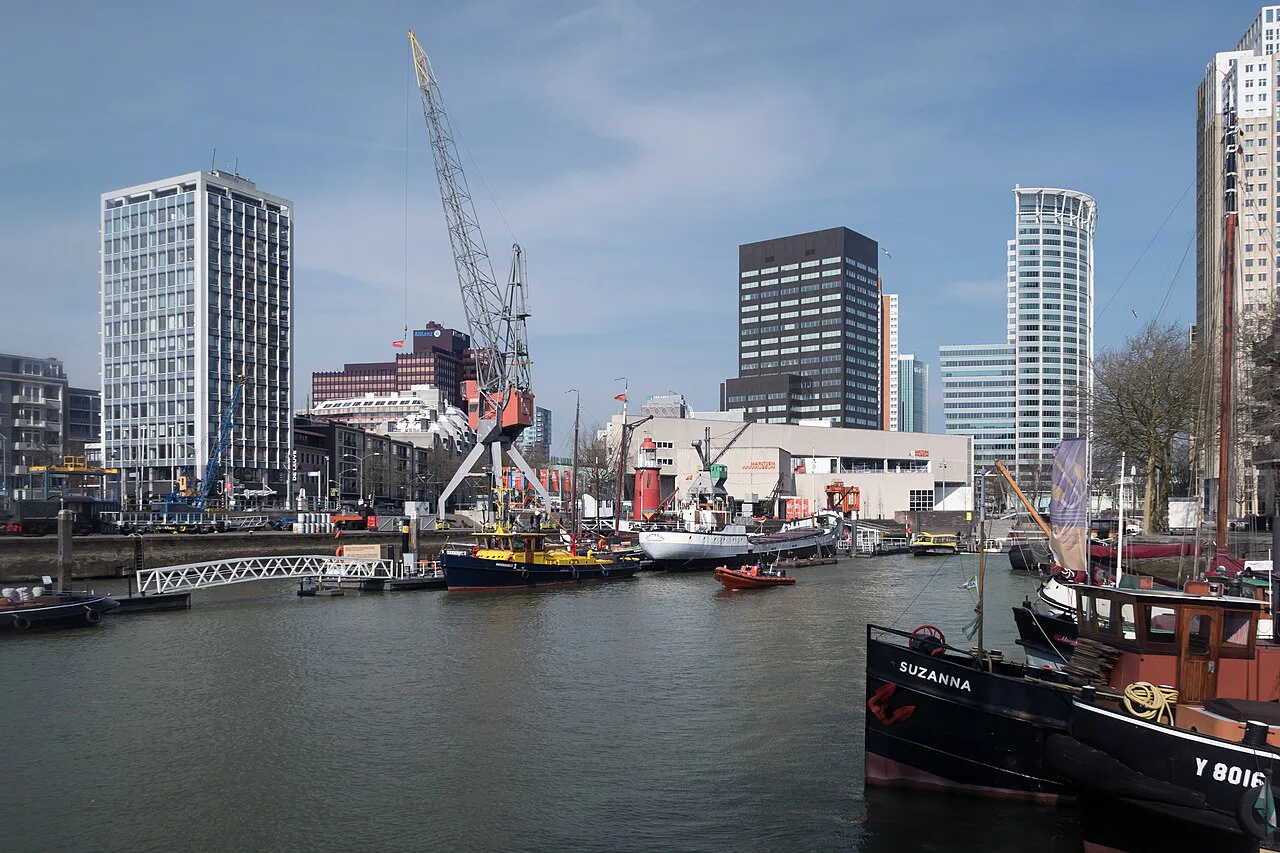
Leuvehaven is the old harbour water in central Rotterdam, and the museum sits right on it at number 1. If you are already spending the day in the centre, slot the museum in on foot rather than building a separate trip around it, and add the Oude Haven to the same walk.
For the widest choice of Rotterdam's sights in one day, the museum works best as one stop on a central loop that also takes in the Markthal and the Oude Haven. See the Rotterdam Attractions: 11 Visitor Guides overview to see how the Leuvehaven quarter sits in relation to the rest of the centre.

What to see inside
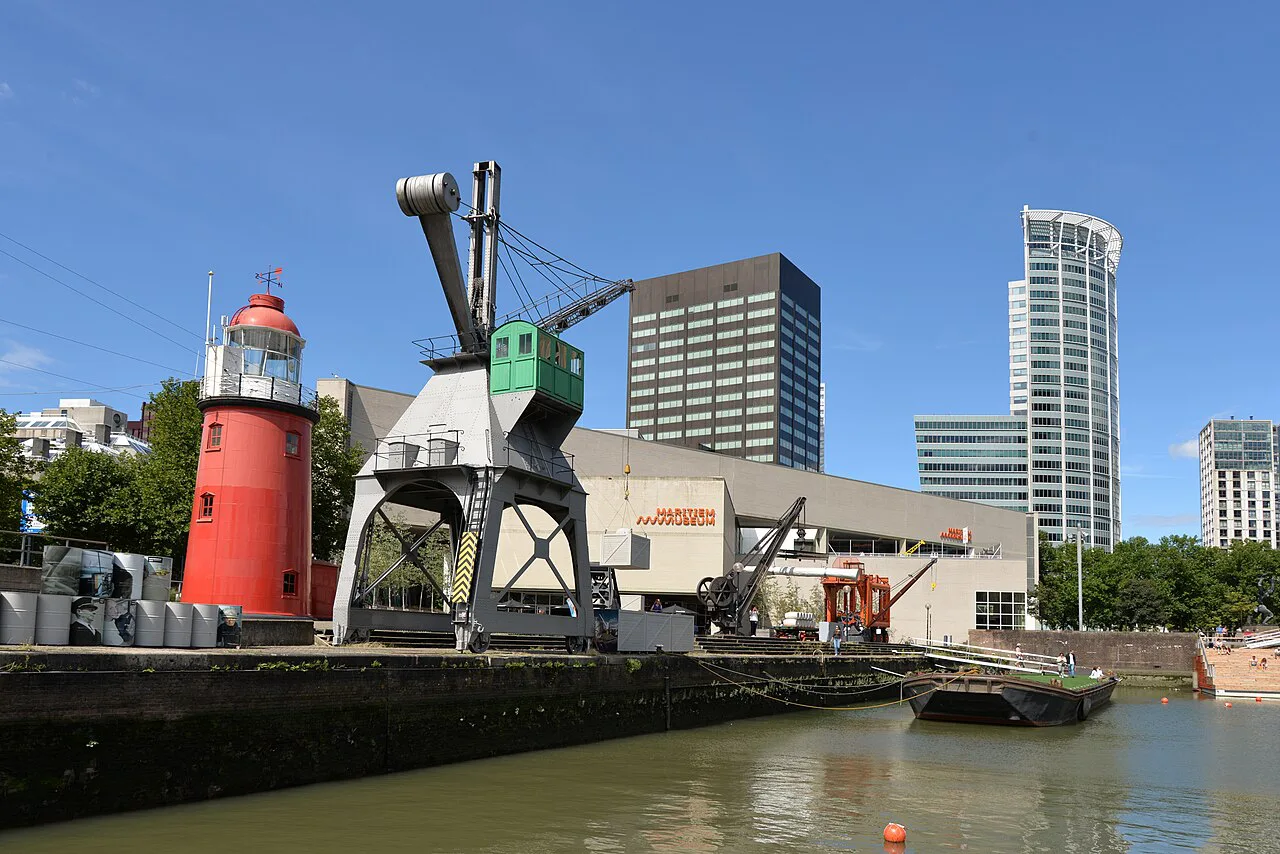
Expect a broad maritime collection: objects, ship models and historical material covering how the Dutch worked the sea, rather than a single chronological route through one theme.
The collection also has a strong historical dimension, connecting the objects to the Dutch maritime past rather than treating them as isolated curiosities. Read the labels as you go: the context is what turns a room of ship models into a picture of how the Netherlands used the sea.
The art collection: Dutch masters of the sea
Art originating from before 1750 forms a small but superb part of the collection, about 1,500 paintings, prints and drawings. The subjects are exactly what maritime history demands: naval battles, ship portraits, fishing scenes, portraits of naval officers, shipbuilding and city panoramas. One notable example held in the collection is a panorama of Constantinople from 1626 by Claes Jansz Visscher.
The roll call of artists is strong for a specialist museum. It includes Jan de Baen, Ludolf Bakhuizen, Cornelis Beelt, Reinier Nooms, Bonaventura Peeters, Aernout Smit, Abraham Storck, Simon de Vlieger, Willem van de Velde the Elder, Abraham de Verwer and Cornelis van Wieringen. Several subjects tie directly to the Dutch East India Company and Dutch West India Company, which gives the art a historical edge as well as a visual one.
If you are in Rotterdam for the art rather than the ships, pair this with a modern collection. Museum Boijmans Van Beuningen holds one of the city's major art collections, and the Kunsthal Rotterdam runs a changing exhibition programme.
Highlights not to miss
The highlights singled out for the collection include a group of six pen-and-ink drawings by Willem van de Velde the Elder. For a maritime art enthusiast, these sheets make the museum a worthwhile stop alongside a general city collection.
Beyond the drawings, look for the ship portraits and naval battle scenes the collection is known for. Paired with the ship models and historical objects, the marine art reads as a picture of the Dutch Republic's sea power.
How much time to allow
Allow around two to three hours if you want to see both the maritime collection and the pre-1750 art without rushing. On a one- to four-day Rotterdam break, that is a comfortable half day, leaving time for a walk around the old harbour and a second sight. If your interest is mainly the paintings and drawings, you could concentrate on the art and finish in under two hours.
Pace the visit by starting with the objects and models, then moving to the art once you understand the context. Leave the densest material for the middle of the visit rather than the end, when you are likely to skip it.
Tickets, opening hours and booking
Ticket prices, opening hours and whether you need a timed slot should be confirmed on the museum's official site before you travel, checking the day of the week as well as the time.
Build the museum into a plan that also covers Rotterdam's other sights, so a closure or late opening does not strand you. The Rotterdam Attractions: 11 Visitor Guides overview shows which nearby sights you can substitute at short notice.
What else is nearby
Leuvehaven puts you within easy reach of several Rotterdam highlights. The Markthal is a short walk for a coffee or a look at the market hall, and the Erasmus Bridge is a longer but walkable stretch along the water for the classic view back over the city.
If you want a different kind of atmosphere, head to Delfshaven for the historic harbour quarter, or climb the Euromast for a skyline view. The Laurenskerk and the Nederlands Fotomuseum are further centre options for a second day.
Is the Maritiem Museum worth a slot in your Rotterdam plan?
Yes, if you want one museum that opens up the Dutch maritime past, or if you care about Dutch marine painting and want to see the Willem van de Velde the Elder drawings in context. Skip it if your short break is built around modern art and architecture, where the Kunsthal and the Boijmans collection will serve you better.
Practical next step: check current hours and ticket prices on the museum's official site, then place the visit on a day when the rest of your route keeps you in the centre. See the Rotterdam Attractions: 11 Visitor Guides overview for the nearby sights to build around it.
Explore more Rotterdam guides
Frequently Asked Questions
Is the Maritiem Museum Rotterdam suitable for children?
The museum covers maritime objects, ship models and historical material, which is the part younger visitors tend to enjoy most. The art galleries are quieter, so plan the objects and models first if you are visiting with children.
How does the Maritiem Museum compare with the city's art museums?
It is a maritime museum with a specialist art collection rather than a general art gallery. If Dutch marine painting is your interest, the pre-1750 drawings and paintings here are the specific draw; for modern and contemporary shows, look to the Kunsthal and the Museum Boijmans Van Beuningen instead.