
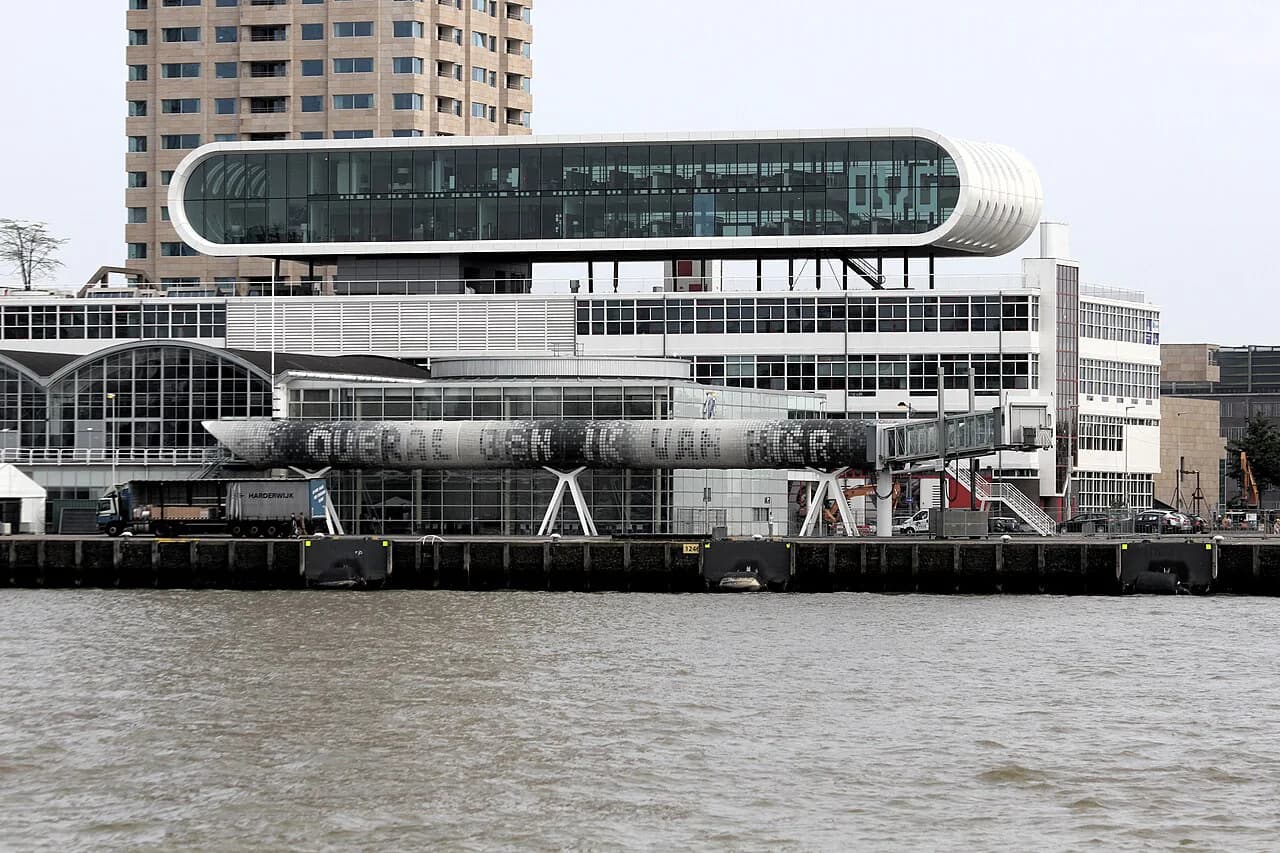
Nederlands Fotomuseum Rotterdam: what to see at Pakhuis Santos

Allow about ninety minutes for the Nederlands Fotomuseum, and treat the building as part of the visit: a 1901–02 coffee warehouse on Katendrecht, south of the Maas, rather than a gallery in the city centre. The museum covers Dutch photography from the invention of the medium around 1839 to the present day, working from a collection of more than 6.5 million photographic objects. This guide covers what you actually see, how to reach Brede Hilledijk 95 and how to pace the visit alongside the rest of Rotterdam. Confirm on the museum's own site that it is open on your date before you travel.
What the Nederlands Fotomuseum is
This is the national photography museum, built around a collection of negatives, slides, prints and digital images that runs from early daguerreotypes to contemporary work. The emphasis falls on Dutch photographers and on analogue and documentary photography from the twentieth century, so expect black-and-white reportage rather than a survey of global art photography. The collection numbers more than 6.5 million objects, which places it among the largest photographic collections anywhere.
Names you will meet on the walls include Viviane Sassen, Anton Corbijn, Dana Lixenberg, Johan van der Keuken, Paul Huf and Cor Jaring, whose work appears in the collection. The museum frames itself as a place for established Dutch photographers and emerging talent side by side, which makes the temporary programme as important as the permanent holdings. If you want a single reason to come, it is the documentary strand: twentieth-century Dutch life recorded by the people who were in the room.
Where the museum is: Brede Hilledijk 95, Katendrecht
The address is Brede Hilledijk 95, 3072 KD Rotterdam, on Katendrecht, the peninsula between the Maas and the old harbour docks. This is not the museum quarter around the Museumpark; it is a former port neighbourhood that has been reworked into housing, restaurants and cultural spaces. Plan your day around that geography, because the museum sits south of the river and pairs naturally with the Maas quays rather than with the city-centre sights.
How to get there: the walk across the Erasmus Bridge
The museum sits south of the Maas on Katendrecht, and the most direct approach from much of the city centre is to cross the river and walk. The Erasmus Bridge carries pedestrians and cyclists across to the south bank and puts you within a continuing walk of the museum. Allow extra time for the approach if you are on a tight schedule, since Katendrecht is a genuine walk from the centre rather than a two-minute detour.
Coming from the north side, the walk over the Erasmus Bridge is the more rewarding option on a dry day: you get the skyline view, then drop down towards the docks and follow the quays south. On a wet or windy day, plan a shorter, sheltered route and save your legs for the exhibitions. Either way, allow extra time for the approach if you are on a tight schedule.
The building: from coffee warehouse to photography museum
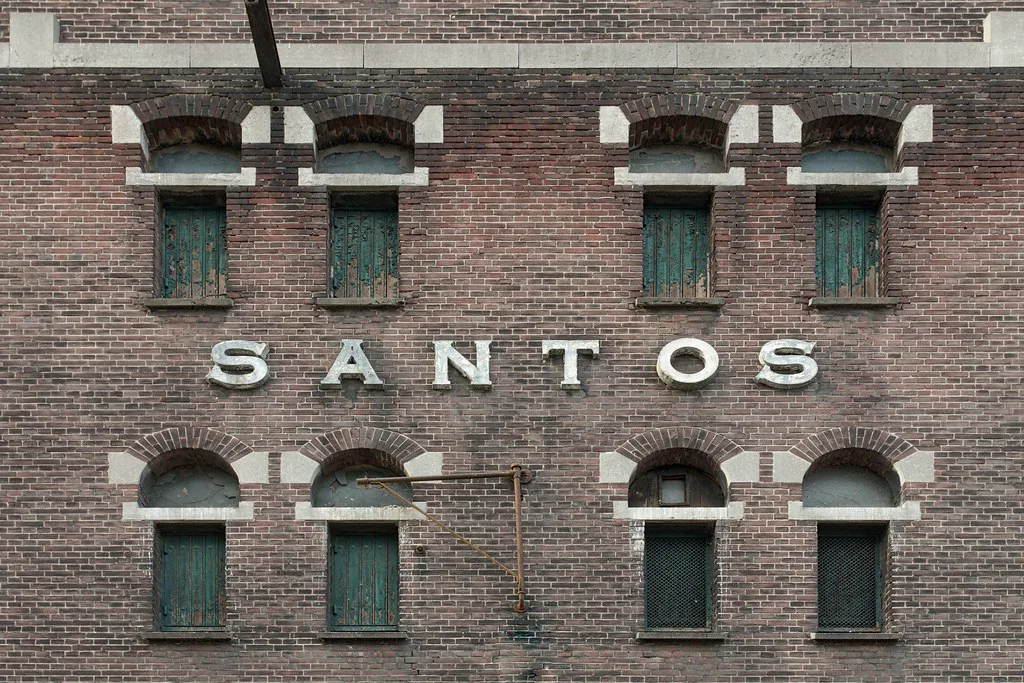
Pakhuis Santos was built in 1901–1902 to store coffee shipped from the Brazilian port of Santos, and it became a national monument in 2000. The conversion was carried out by WDJARCHITECTEN, RENNER HAINKE WIRTH ZIRN ARCHITEKTEN and Burgy Bouwbedrijf, who kept a deliberate separation between the historic warehouse structure and the new additions. That division between old structure and new volumes shapes how you move through the building.
Treat the architecture as a fixed part of the visit rather than background. Photography museums live or die by their light and their wall space, and the warehouse conversion gives the hang a different character from a purpose-built gallery. If you are short of time, walk the building once on the way in before settling into the exhibitions.
What's on: the temporary exhibition programme
The museum runs a rolling programme of temporary exhibitions alongside work drawn from its collection, so the specific shows depend on your dates. Check the listings on the Nederlands Fotomuseum website and confirm the show you want is up on the day you plan to travel.
Because the programme rotates, two visits a few months apart can look quite different, and a single visit will not show everything the collection holds. If a particular photographer or theme is your reason for coming, match your date to the exhibition calendar instead of turning up and hoping. Visitors who want a broader art fix in the same trip can put the Kunsthal Rotterdam, in the Museumpark, on another day, since it sits north of the river rather than on Katendrecht.
How long to allow
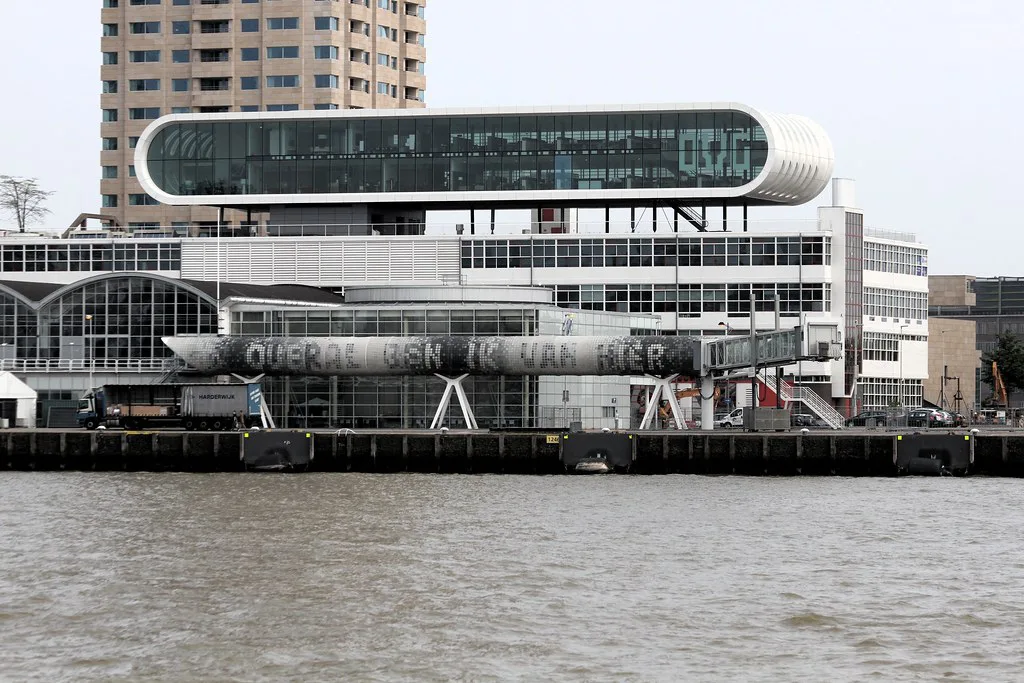
Budget around ninety minutes for the exhibitions plus the building, and up to two hours if a temporary show is large or you read every caption. This is a photography museum with a focused hang, not an encyclopaedic complex, so it does not need half a day. One useful result is that it leaves room in the day for the waterfront and the rest of Katendrecht rather than a dash back across the river.
If you are assembling a one-day Rotterdam itinerary, keep the museum as the anchor of a Katendrecht half-day and add the waterfront rather than a second major museum. The distances across the Maas eat time, so doubling up with the Museumpark in the same block means choosing between a rushed visit and a long walk or metro ride.
Tickets and opening times
The Nederlands Fotomuseum has reopened its doors in Pakhuis Santos on Katendrecht. Check the Nederlands Fotomuseum website before you travel for confirmed opening times, ticket prices and closure days, as the arrangements can change.
What's nearby on Katendrecht and across the Maas
Katendrecht itself is worth an hour on foot after the museum: old harbour streets, converted warehouses and quays looking back at the skyline. Across the water, the Markthal, with its entrance on Dominee Jan Scharpstraat, is a natural pair with a walk over the Erasmus Bridge.
Two other options fit alongside a Katendrecht day without a long detour. The Euromast is a separate riverside landmark elsewhere in the city, and Delfshaven, further west, preserves the older harbour character that Katendrecht has largely lost. Pick one rather than both if the museum is your main stop.
Is the Nederlands Fotomuseum worth the crossing?
Yes, if you care about documentary and Dutch photography, and if you accept that the visit means crossing the Maas to Katendrecht rather than staying in the centre. The combination of a serious collection, a rotating exhibition programme and a national-monument warehouse makes it more than a filler stop. Check the Nederlands Fotomuseum website to confirm opening times and what is showing before you fix your date, then build the day around the river crossing.
Explore more Rotterdam guides
Frequently Asked Questions
Is the Nederlands Fotomuseum in Rotterdam now at Pakhuis Santos?
Yes. The museum reopens in Pakhuis Santos on Katendrecht, at Brede Hilledijk 95, where it shows Dutch photography from around 1839 to the present from a collection of more than 6.5 million objects. Check its own website for confirmed opening times, ticket prices and closure days before you travel, since the arrangements can change.
How long does a visit to the Nederlands Fotomuseum take?
Plan on about ninety minutes for the exhibitions and the Pakhuis Santos building, stretching to two hours if a temporary show is substantial. The museum is compact enough that it does not need half a day.
What is on display at the Nederlands Fotomuseum?
Dutch photography from around 1839 to the present, drawn from a collection of more than 6.5 million objects, with an emphasis on analogue and documentary work from the twentieth century. Temporary exhibitions change through the year, so the specific shows depend on your dates.