Haarlem Art: Museums, Galleries and a Walkable Centre
Haarlem's art centres on the Frans Hals Museum, which holds the largest collection of Frans Hals paintings in the world.
On this page
Give Haarlem's art a full day and you can cover a lot: the Golden Age portraits of the Frans Hals Museum, then an hour or two of wandering the smaller galleries and studios of the centre. With half a day, put the Frans Hals Museum first and one quarter second rather than racing between them. This guide sets out what the museum holds, how the stops link on foot around the Grote Markt, and how to split a one-day or two-day visit.
What Haarlem art means for a short break
Haarlem compresses its art into a small, walkable centre, which is why it works so well for a break of a day or two. The Frans Hals Museum carries the weight of its Golden Age reputation, and the surrounding quarters supply the smaller rooms and studios that fill the gaps between them, as covered in the Museums in Haarlem guide. Thinking in these two layers stops you from trying to see everything at once.
The advantage of this geography is that the big museum sits a short walk from the centre, so you rarely need more than a stroll between stops. The trade-off is that the museum deserves a solid block of time while the quarters reward an unhurried amble, and those two rhythms do not mix well in a single afternoon. Plan a museum morning and a street-level afternoon, and the day holds together.
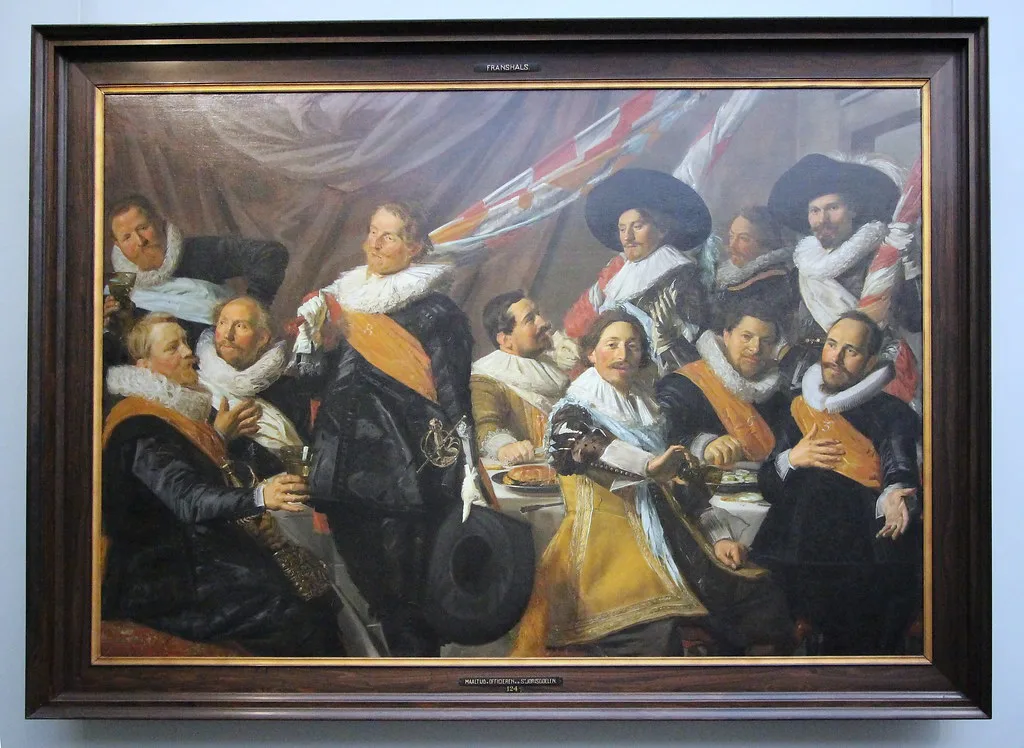
Start with the Frans Hals Museum
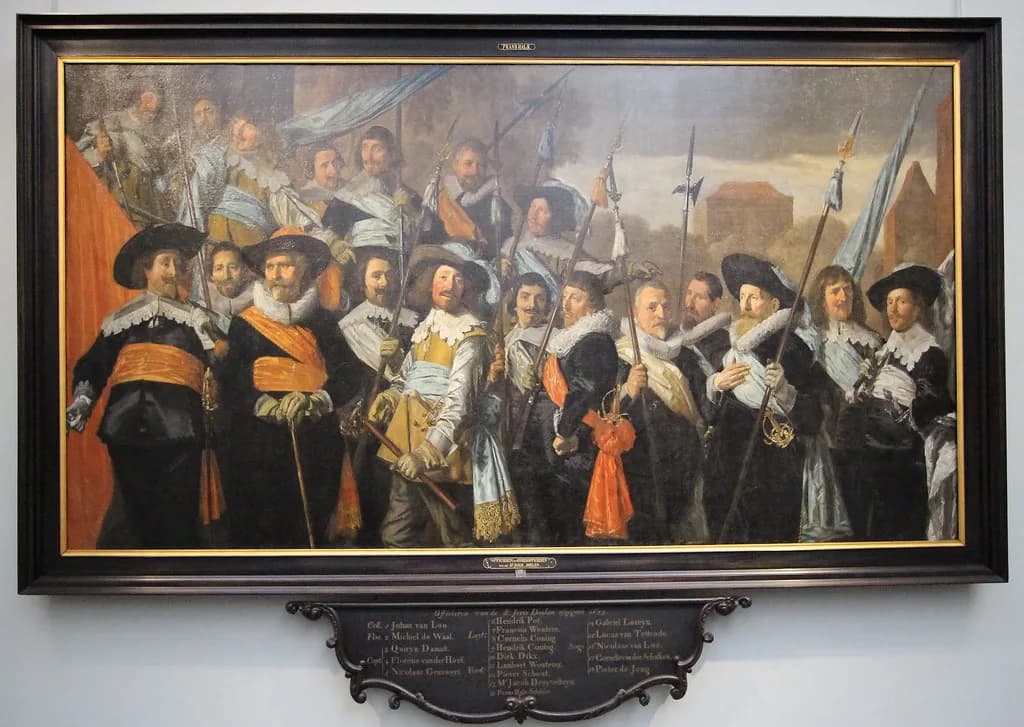
The Frans Hals Museum is Haarlem's top art museum and holds the largest collection of paintings by Frans Hals anywhere. It is the reason most visitors come for Haarlem art in the first place, and it repays a proper visit rather than a quick circuit. The portraits themselves are the draw: loose, confident brushwork that still looks daring next to far more cautious work of the same period.
If your time in Haarlem is short, this is the one art stop to protect. Everything else — the smaller galleries, the quarter wanders — is easier to drop than the collection here. Check the museum's own site for current opening days and ticket arrangements before you build the day around it.
Frans Hals and Haarlem's Golden Age
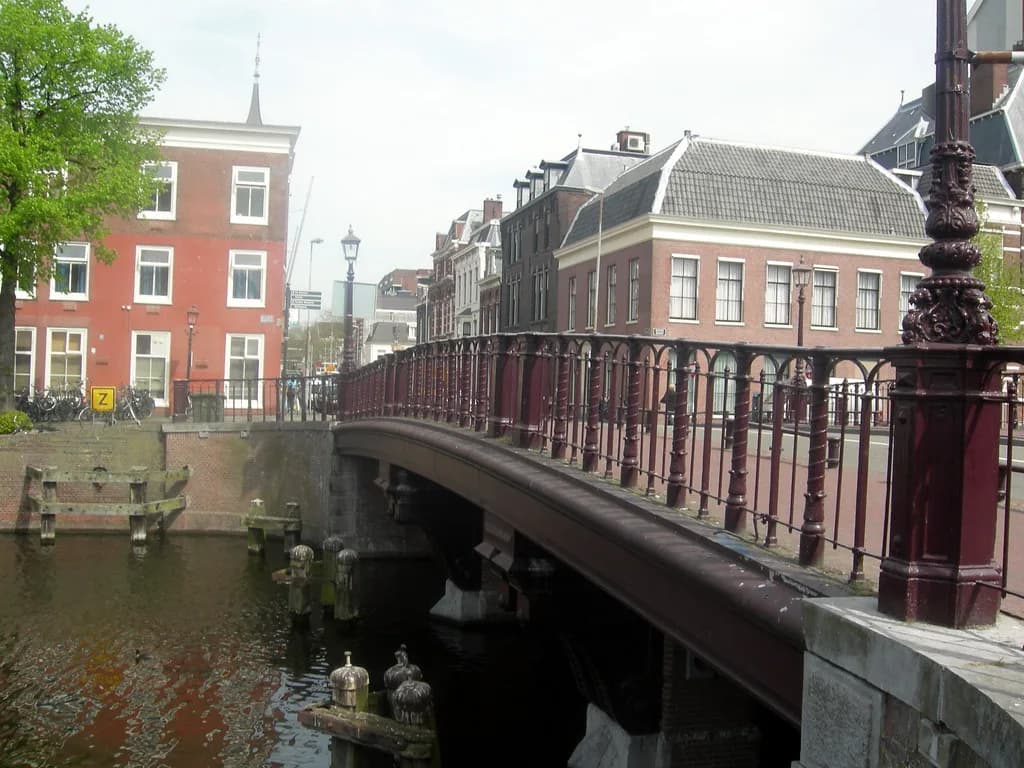
Frans Hals, Jacob van Ruisdael and Judith Leyster all worked in Haarlem, and the city's art reputation rests on that cluster of seventeenth-century painters. Seeing their work in the town that produced it changes how you read the streets outside: the same gabled houses and canal views that fill the paintings are still part of the cityscape a few minutes' walk from the museum. That connection is why Haarlem's art feels less like a gallery visit and more like a city explaining itself.
You do not need deep art-historical knowledge to enjoy this layer. A single room of portraits gives you enough context to notice the difference between a formal commissioned likeness and a looser, more experimental study, and that is plenty for a short break. Build the rest of your day around the paintings rather than the other way round.
Contemporary galleries and smaller spaces
Beyond the museum, Haarlem has seen a recent rise in contemporary galleries showing modern work, much of it in historic buildings, as surveyed in an external art guide to Haarlem's hidden galleries. The programme and the rooms change, so what you see depends on when you come. Treat this as the flexible half of your art day.
If current exhibitions appeal, give them an hour; if not, the streets and squares still justify a look on your way through the centre. Contemporary programming changes, so check what is on before deciding to prioritise a gallery over a quarter wander.
The Grote Markt as an art base
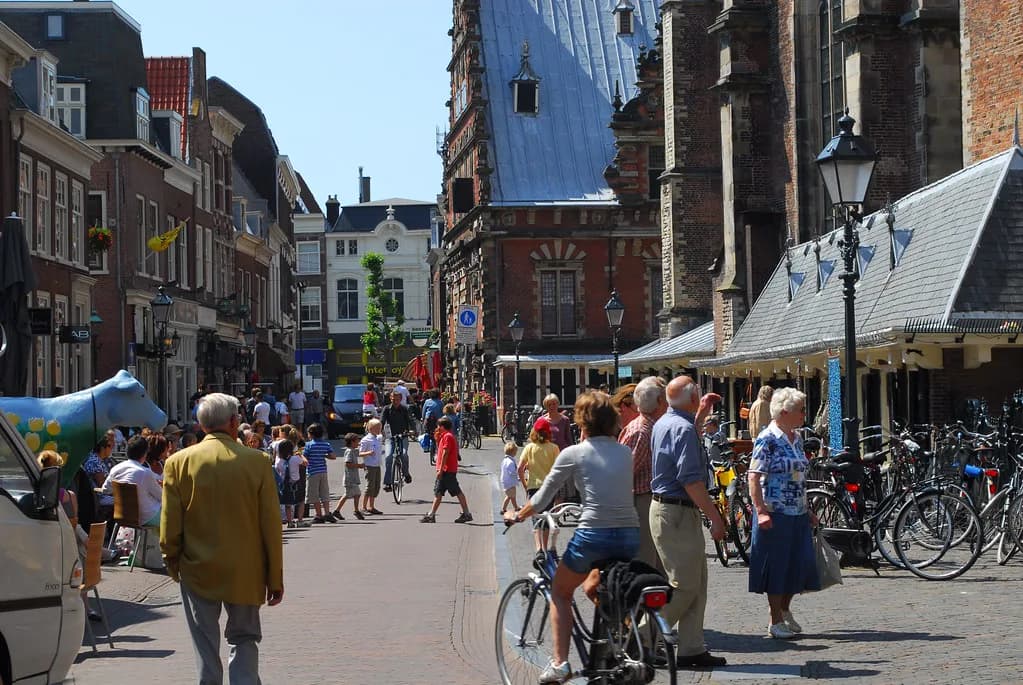
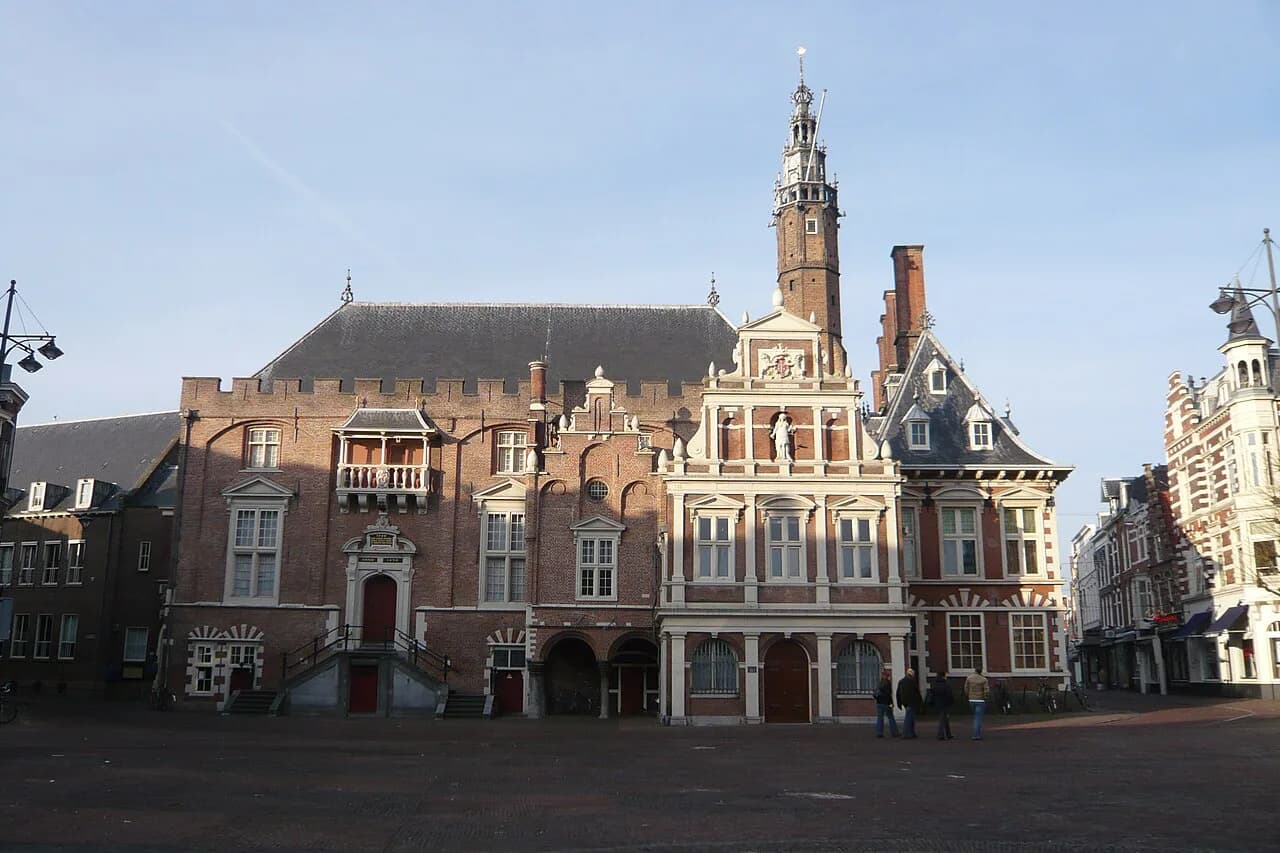
The Grote Markt is the practical anchor for a Haarlem art day: the historic square sits at the centre of the old town, with St. Bavo's church rising beside it and cobbled streets running off in every direction. Use it as a meeting point and a reset rather than a destination in itself, and work the museum and the smaller quarters into the day around it. The Haarlem Architecture guide explains the surrounding streets and buildings.
St. Bavo's church is worth a look even on an art-focused trip, because the fourteenth-century building has kept its architectural character across the centuries and frames the square from almost every angle. From here you can walk out to the edges of the Vijfhoek and the surrounding lanes without crossing the city. That compactness is the main reason Haarlem suits a one-day art visit.
The Vijfhoek: smaller galleries and studios
The Vijfhoek is a compact quarter of narrow lanes and courtyards, good for wandering on foot in an hour or so when you want a more intimate scale than the big museum. It is a residential neighbourhood first and an art destination second, with small galleries and studios that keep their own hours, so treat it as a place to explore rather than a guaranteed gallery trail. Come here for atmosphere and discovery, not for a blockbuster.
The honest trade-off is predictability. Small galleries keep their own hours and change their shows often, so a room that sounds promising may be between exhibitions when you arrive. Build the Vijfhoek in as a loose block with no fixed expectations, and let whatever is open set the pace.
Smaller Haarlem galleries and studios
The Haarlem art scene is not confined to museums: the smaller commercial galleries and studios tucked into the side streets give the city a working creative layer beneath its Golden Age reputation. Their locations are real and easy to reach on foot, but there is no guaranteed fixed circuit — many sit inside former workshops or converted historic buildings and open by their own schedules.
The honest trade-off with the smaller spaces is predictability rather than location. They keep their own hours and change their shows often, so a room that sounds promising may be between exhibitions when you arrive. Build in a loose block with no fixed expectations, and let whatever is open set the pace. For the museums themselves, the Museums in Haarlem guide covers what is on and when.
Smaller spaces: what you gain and what you give up
Small rooms give you proximity: fewer visitors, more chance to look properly, and often a conversation rather than a label. They also cost less time, which makes them easy to slot around a museum booking. What you give up is certainty — programmes are shorter, hours can be irregular, and there is no guarantee the work on show will suit you.
The sensible approach is to anchor the day on one large institution and treat the small spaces as bonus stops. That way a closed door or an empty room never wrecks the plan. It also keeps your walking route flexible if the weather turns.
Combining art with the rest of Haarlem
On a one-day visit, give the morning to the Frans Hals Museum, walk back through the centre past the Grote Markt, and spend the afternoon wandering the Vijfhoek. That sequence keeps the heaviest indoor block early and leaves the streets for when you want to be outside. It also puts you near cafés and shops for a midday break without detouring.
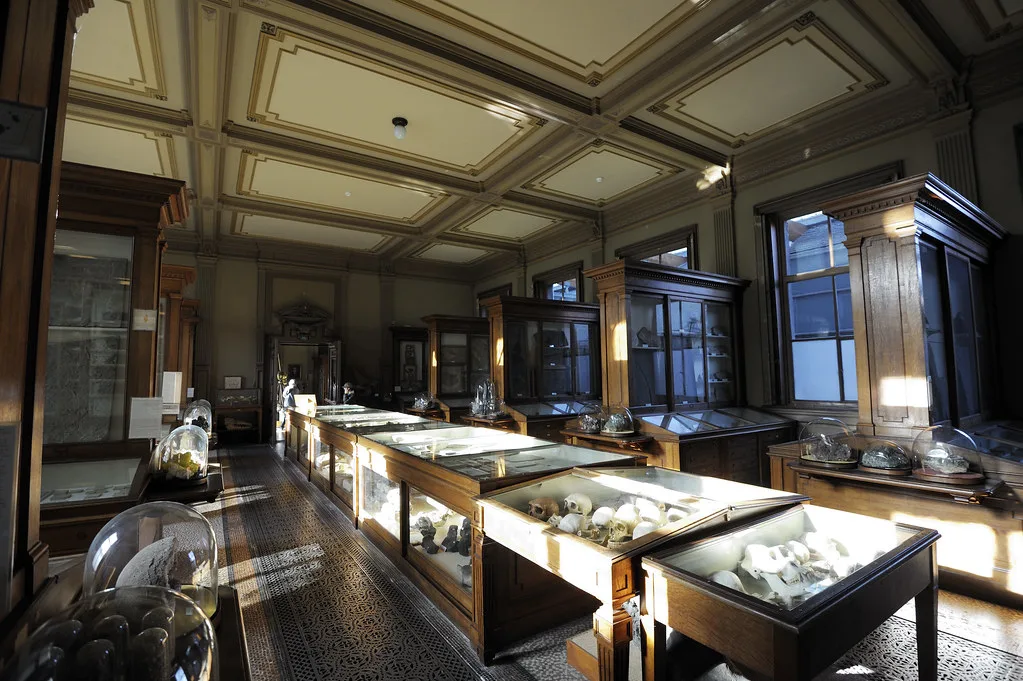
With two days, add the Teylers Museum and give the remaining time to the churches and canal walks that give the paintings their context. The Museums in Haarlem guide helps you choose between the city's collections, and Haarlem Architecture covers the old streets that bridge art and city. The wider set of Haarlem Attractions is worth a scan when you are deciding what else earns a slot.
Practical points for planning
Museum days and opening hours are the details most likely to catch you out, and they are best confirmed directly with each venue rather than from a general guide. Build your route around confirmed times, then let the quarter wanders fill whatever is left. That order protects the stops that need a ticket and keeps the wandering flexible.
Payment and ticketing arrangements vary by venue, so check each museum's own booking page when you buy. Do not assume a fixed pattern across the city: confirm before you travel and you avoid turning up at the wrong door on the wrong day.
How much time to give each stop
Allow around two hours for the Frans Hals Museum and an hour or so for the Vijfhoek, plus walking time between them. A one-day art visit then comes to a comfortable half to full day that fits around lunch. Stretch the museum to three hours if you read every label and linger over the portraits.
These figures are planning estimates, not fixed rules, and they assume you are moving at a normal visitor's pace rather than studying. If you have only half a day, cut to one museum plus one quarter and accept that you will miss something. Haarlem rewards a return visit more than it punishes a short one.
Which Haarlem art stop comes first?
Start with the Frans Hals Museum, because it carries the reason Haarlem is known for art at all, then let the rest of the day follow on foot from the Grote Markt. Use the Vijfhoek for smaller galleries and studios and the old streets for atmosphere. That gives you one substantive collection plus a quarter's worth of wandering without rushing either.
Confirm the museum's current days and how to book before you set out, then build the walking route around whatever is open. The city is compact enough that a change of plan costs you minutes rather than the afternoon.
Explore more Haarlem guides
Frequently Asked Questions
Do I need to book Haarlem's art museums in advance?
Booking arrangements differ between the Frans Hals Museum and the smaller galleries, so check each venue's own site before you travel.
Can I see Haarlem's art on foot in one day?
Yes. The Frans Hals Museum, the Grote Markt and the Vijfhoek all sit within a compact centre that is easy to cover on foot. Allow a comfortable half to full day of activity with walking time between stops, and cut one stop if you only have half a day.
Is Haarlem Artspace the same as Haarlem's city galleries?
No. Haarlem Artspace is a gallery in Wirksworth, Derbyshire, in the United Kingdom, not a venue in the Dutch city.
Where is the Scheepmakerskwartier?
The Scheepmakerskwartier is a quarter in Amsterdam. For art in Haarlem itself, use the Frans Hals Museum and the Vijfhoek quarter in the centre.
Sources
Notes for your next Dutch city break
Optional updates to our Netherlands guides.
You might also like
Continue reading
More guides you'll find useful