Haarlem Architecture: What to See and Where to Find It
A practical guide to Haarlem architecture, from the Grote Markt and the Grote or St. Bavo Church to canal-side streets and the walk to the Frans Hals Museum.
On this page
Haarlem rewards a day spent looking up. Its historic core is compact enough to cross on foot, with the Grote Markt and the Grote or St. Bavo Church as the obvious starting point and canal-side streets and alleyways filling the hours after that. This guide orders the architecture by area and period, explains what to look at on a brick façade, and sets out an honest one-day and two-day plan.
Where Haarlem's architecture starts: the Grote Markt and the Grote or St. Bavo Church
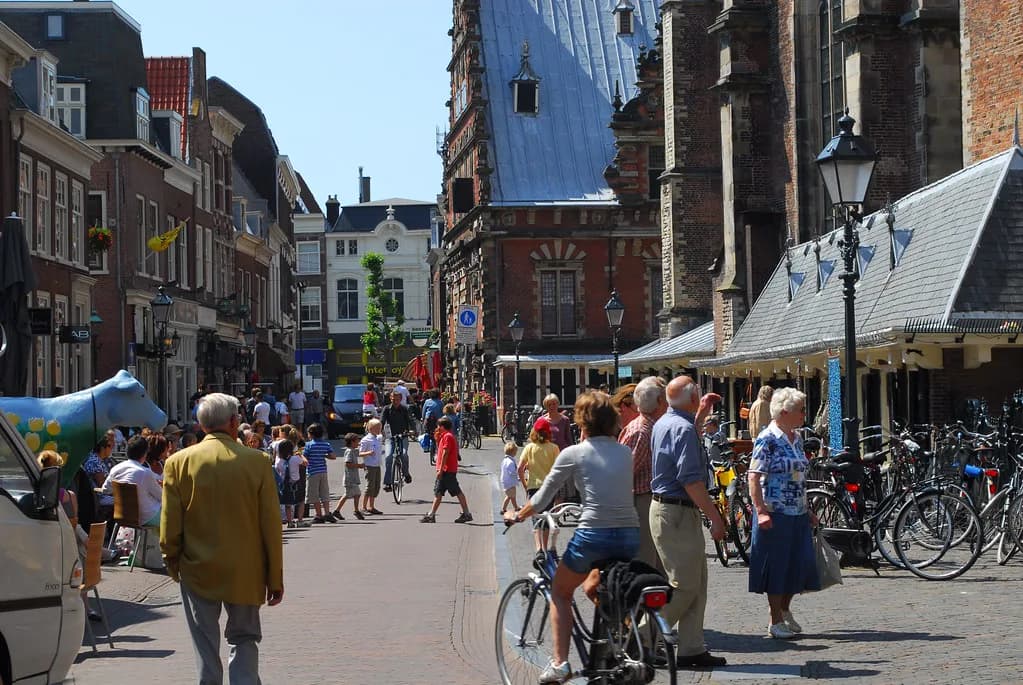
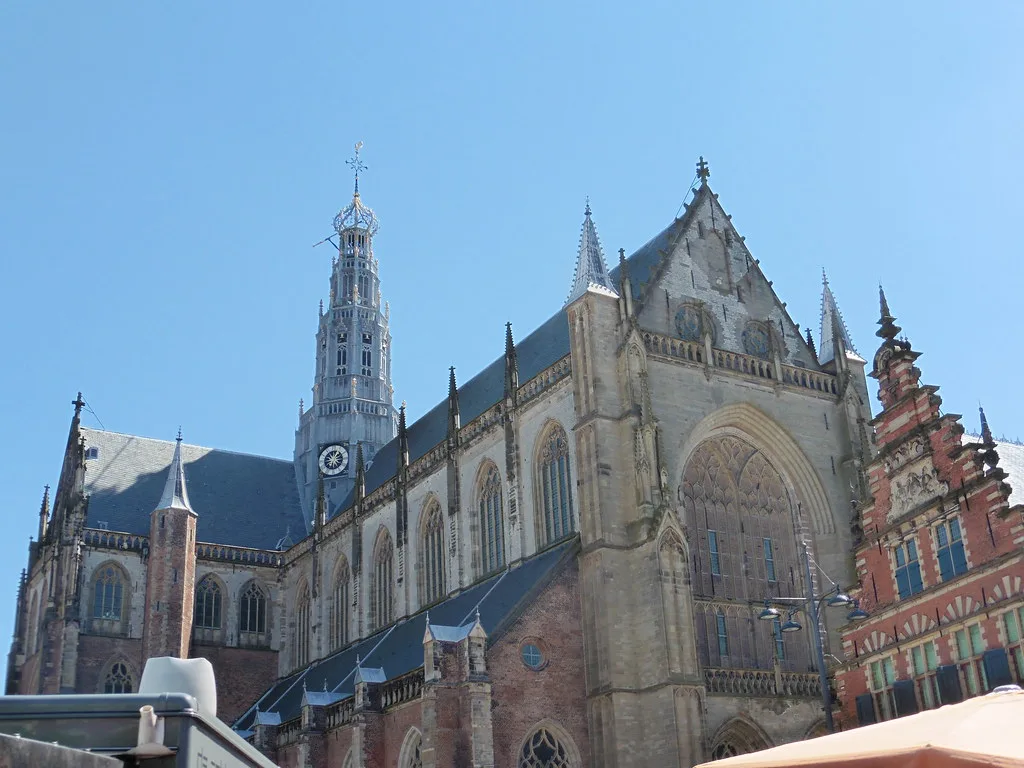
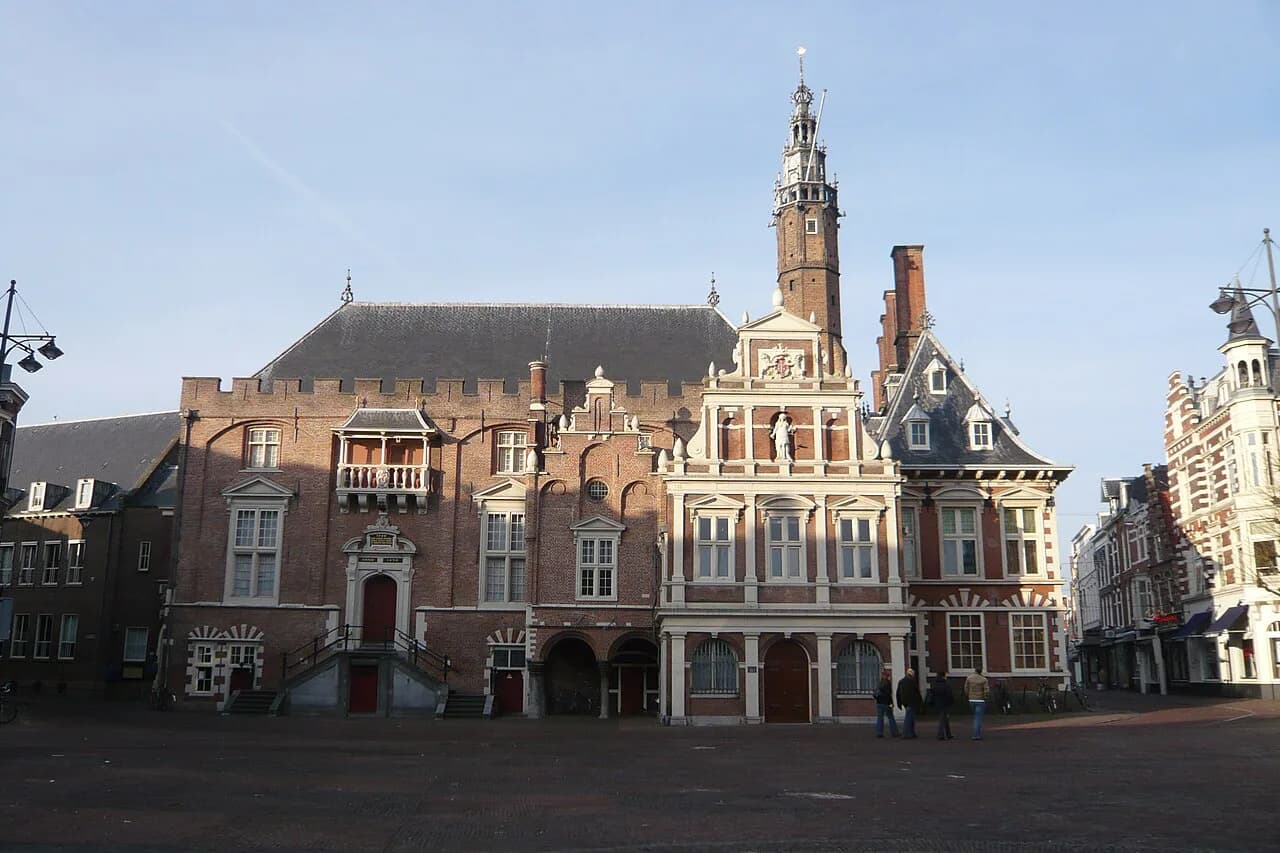
Begin on the Grote Markt, the old market square, where the Grote or St. Bavo Church is the building that sets the scale for everything around it. The square is the one place in the city where the buildings can be taken in as a group rather than one at a time: stand back, note how the church frontage holds the space, then walk the perimeter to see how the commercial frontages respond to it.
The church itself is the anchor of any architectural visit, and it is worth circling the outside before going further. Visit Haarlem names it, alongside the Teylers Museum, as one of the city's iconic places, so treat it as a fixed point you return to rather than a single stop.
From the square, the surrounding streets repay slow walking. The pleasure is in the detail at eye level: door surrounds, shopfronts, the way upper floors step out over the pavement, and how narrow alleys open suddenly onto wider streets. Give this quarter an hour before heading south.
Brick and canals: what makes the old town look the way it does
Haarlem's old town reads as brick. That is the material to tune your eye to, because it explains the colour of the streets, the texture of the façades and the way buildings sit against the water. Look for how brickwork changes between buildings: tight, even courses on one frontage, patched or colour-varied brick on the next, and stone reserved for window frames, cornices and doorways.
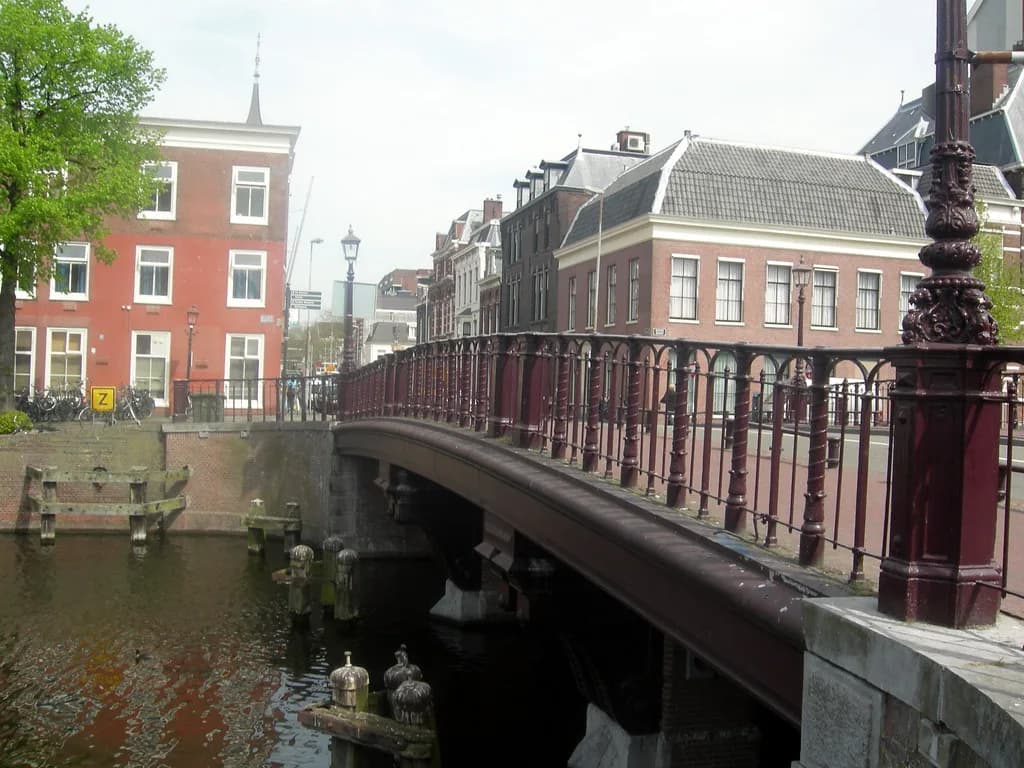
Along the canals, the interesting thing is the relationship between the street, the water and the house. Building lines are not uniform, plot widths vary, and the result is a run of façades that shifts as you walk. Walk one bank in each direction rather than crossing repeatedly, so you see how the same stretch looks from two angles.
The old brick architecture is the reason many visitors come, and it is worth recognising that it reads differently from what many travellers have seen in Amsterdam, which makes Haarlem feel like its own city rather than a smaller copy.
Alleys matter as much as squares. Slip into a side passage and you find narrower proportions, service doors and small courtyards, all built at a different scale from the market square. Treat the alleyways as the connective tissue of the old town, and the squares as the rooms.
Museum Row and the Frans Hals Museum: architecture on the walk in
Walk south from the centre and the character changes to the street leading to the Frans Hals Museum, with the museum at the end of it. Use the approach as part of the visit: the façades and rooflines along the way are quieter than the Grote Markt, so pay attention to how the street narrows and what the museum's frontage does differently.
The museum is also worth seeing for its setting: a garden sits alongside it, so the building can be looked at from outside, from the street and from the garden side, before or after a visit indoors.
If architecture is the day's theme, the other museums in Haarlem are useful anchors for planning. Teylers Museum is named as the oldest museum in the Netherlands, which makes it an obvious pairing with the Frans Hals Museum for anyone tracing how the city's cultural buildings developed.
Smaller collections can have architectural interest too. The Twist Organ Museum and the ABC Architecture Center are both listed among Haarlem's cultural venues, and the architecture centre is a natural stop for anyone who wants context on how the city and its surroundings have been planned.
Old and new side by side: modern additions in a historic centre
One of Haarlem's defining architectural traits is the sight of old and new buildings directly beside one another. Rather than treating a modern frontage as an interruption, read it as part of the streetscape: note the setback, the window proportions and the materials used next to the historic neighbours.
This matters for how you walk the city. A route that only hunts for old façades will miss the sharpest contrast in Haarlem, which is where new work has been inserted into the old street line. Where a modern building abuts a historic one, look at the ground floor: that is usually where the two are made to meet.
Modern additions give the centre its edge, and that contrast sits alongside more traditional sights such as the Grote Markt, which is why the city suits readers interested in buildings rather than only in museums.
The river, the windmill and the edge of the old town
At the edge of the historic centre, the river and a restored windmill complete the picture of the city's older architecture. Make this the far end of your walk rather than the start, so the old town builds up to an open view and you end with water and open sky instead of tight streets.
The windmill is a reminder that Haarlem's architecture is not purely domestic and religious. Industrial and utility buildings sit in the same landscape as churches and canal houses, and noticing them is part of reading the city honestly.
How long the architecture walk takes on foot, and how a bike changes it
Walking is the right way to see Haarlem's architecture, because the details that matter are close up. Keep the distances modest rather than trying to cover everything: the centre is a manageable walk, which makes it sensible to start on foot and stay on foot for the historic core.
A bike changes the shape of the day rather than shortening it. With a bike you can push the architecture walk out to the edges and cover the ground between the centre, the museum end and the water more comfortably than on foot.
Guided walking tours are the alternative if you want the city's history and monuments explained as you go. Visit Haarlem's city guides cover the history, the architecture and the monuments, which suits anyone who would rather hear the story than decode façades alone.
What to prioritise on a one-day versus a two-day visit
With one day, do the Grote Markt and the Grote or St. Bavo Church first, then one loop of the canal streets, and finish on Museum Row at the Frans Hals Museum. That sequence keeps you in the densest architecture early, when you are freshest, and puts the walk south at the end.
With two days, slow the first day down and give the second to the edge of town, the water and the windmill, plus one museum interior. That split lets you look at buildings without a museum ticket burning in your pocket, which is where most architectural detail gets missed.
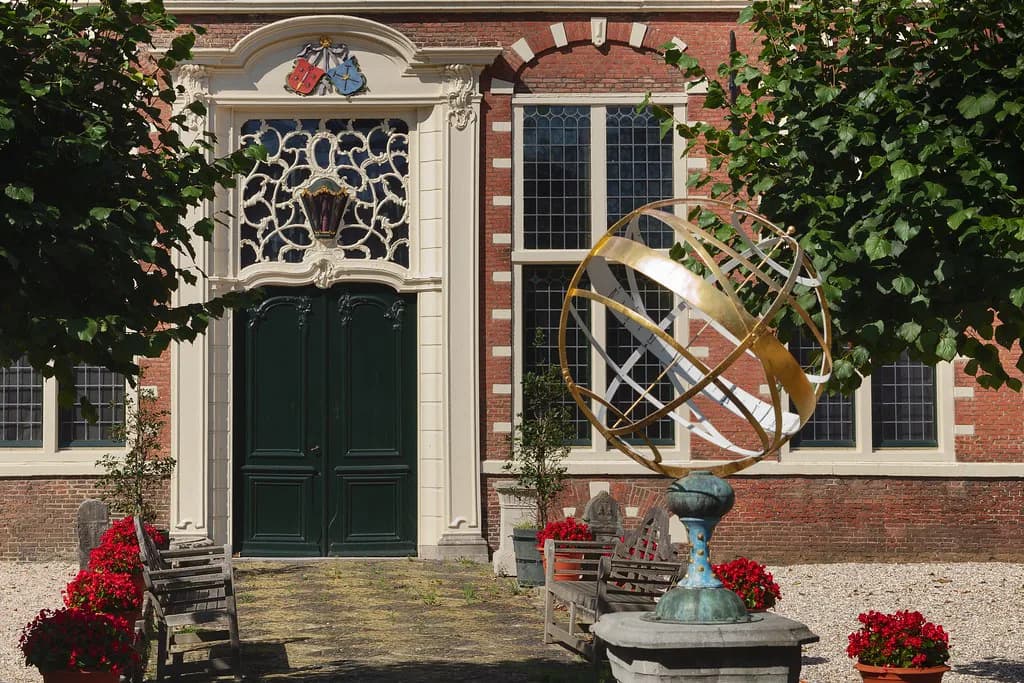
Whichever length you choose, the old town's hofjes add an architectural detour worth knowing about. These small courtyards sit quietly off the main streets, and they show a different, more enclosed kind of building from the market square.
One day or two for Haarlem's architecture?
One day is enough to read Haarlem's architecture if you stay focused: square, church, canals, then Museum Row. Two days let you add the water, the windmill and an interior without rushing, which is the version most people enjoy more.
Pick your route by what you want from the city: the tight one-day loop for the defining streets, or the slower version that treats modern buildings and the old edge as part of the same story.
Explore more Haarlem guides
Frequently Asked Questions
Is Haarlem good for architecture?
Yes. The compact historic centre puts a market square, a major church, canal-side brick streets and a museum street within an easy walk of each other, and modern buildings sit directly beside historic ones. That makes Haarlem a city you can read on foot in a day.
Is Haarlem better than Amsterdam for architecture?
For travellers wanting a compact old centre that can be covered on foot in a day, Haarlem is the easier city to read, while Amsterdam is larger and needs more planning. Haarlem's brick architecture is best appreciated as its own character rather than as a judgement on Amsterdam.
How do I see Haarlem's architecture by bike?
Rent a bike in Haarlem and use it for the edges of the walk: the water, the windmill and the museum end. On foot is better for the old core, because the details worth seeing are close to street level.
Sources
Notes for your next Dutch city break
Optional updates to our Netherlands guides.
You might also like
Continue reading
More guides you'll find useful