Haarlem History: What Shaped the City and Where to See It
A short Haarlem history for visitors: the medieval city, the Golden Age and the places where you can still see those periods today.
On this page
Haarlem is known above all as one of the largest beer cities of the medieval Netherlands, and locals also claim the country's first museum, first newspaper and first liberation festival. Those stories sit at opposite ends of the city's history, and both are visible on a walk through the centre. This guide takes the periods in order and points you to the square, church or museum where each one still shows.
The timeline runs from habitation around the Spaarne thousands of years before the city existed, through city rights in 1245, a brewing boom, an 18th-century decline, to the railway age. You do not need a whole day to follow it: the historic core is compact, and most of the stops sit within a short walk of the Grote Markt.
The settlement on the Spaarne
Archaeological research places habitation around the Spaarne about 3600 years before the common era. Haarlem began as a spiritual settlement on a beach ridge, and a country road over that ridge linked the north of Holland with the south. That road is the reason a town grew here at all: the ridge gave dry, buildable ground above the wet polder.
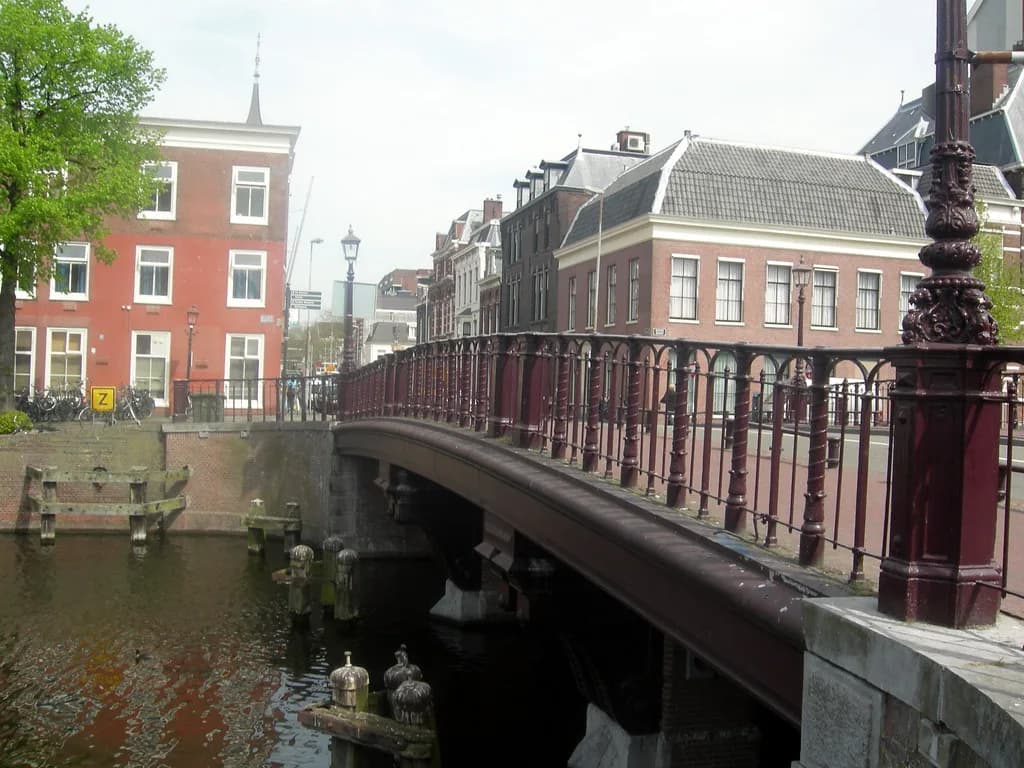
For a visitor, the ridge is easiest to read from the water side. Stand on a Spaarne quay and look back at the centre: the streets rise gently away from the river, and the church tower sits on the highest line. The river still carries boats and is the natural place to start a walk north or south through the old town.
City rights in 1245 and the first walls around 1270
Haarlem was granted city status, or stadsrechten, in 1245. The first city walls followed around 1270, more than two decades later, which shows how slowly a medieval town turned a legal privilege into stone.
The walled footprint is why central Haarlem feels tight and walkable. The medieval street pattern bends around a boundary that no longer exists as masonry, so the centre rewards walking rather than planning a route on a map. Give the old core an hour to wander before you commit to a museum.
Medieval trade and beer: the Jopen barrel
Beer was brewed in Haarlem in the Middle Ages, at first on a domestic, small scale. By the 14th century the city was one of the largest beer cities in the Netherlands, and beer barrels were known as Jopen. The word survives as the name of a Haarlem brewery today, which makes it the easiest piece of medieval history to remember.
Water mattered to that trade as much as grain did, and the Spaarne gave the city a route to the wider Holland economy. When you walk the quays, you are following the artery that carried the barrels out.
Kenau Simonsdochter Hasselaer and the Damiate story
Kenau Simonsdochter Hasselaer is one of the city's best-known historical figures, and her name became a Dutch word for a forceful woman. The city also tells the story of the Fifth Crusade, which ran from 1217 to 1221, and of Haarlem's part in the conquest of the Egyptian port of Damiate.
Kenau's reputation is the kind of story best taken as local legend rather than a fixed set of facts. Treat the retellings you meet in the city as a way into Haarlem's self-image, not as a date to memorise.
Painters, brewing and the Golden Age
Haarlem's Golden Age produced painters whose names still pull visitors: Frans Hals and Judith Leyster both worked here. The Hals family arrived from the Southern Netherlands at the end of the 16th century, part of the migration that reshaped the city's craft and art. Seeing the paintings in Haarlem, in the town they were made for, is a different experience from seeing them in a national gallery.
Brewing continued alongside the arts, and the city's beer history runs through the Golden Age as well as the Middle Ages. If painting is your priority, the museums in Haarlem are the place to plan that half-day properly.
Why the city declined in the 18th century
Haarlem declined in the 18th century, after the prosperity of the Golden Age. The sources record the decline but not one single cause, and the result was a city that stopped expanding.
Because the centre was not rebuilt on a grand scale, the medieval street plan and the older brick architecture survive, which is why a walk through the centre reads as a single historic townscape rather than a collage of periods.
Steam, railways and the modern city
Haarlem was often first: the country's first museum, its first newspaper and its first liberation festival are all claimed locally. The first railway was opened with ceremony on 20 September 1839, which tied the city tightly to Amsterdam and the rest of Holland.
For a short-break traveller the railway is simply the reason Haarlem works as a stop as much as a base. Walking the compact centre is the practical way to link the sights, so plan a loop from the station through the old town rather than chasing individual addresses.
Where to see Haarlem's history: the Grote Markt and the Grote or St. Bavo Church
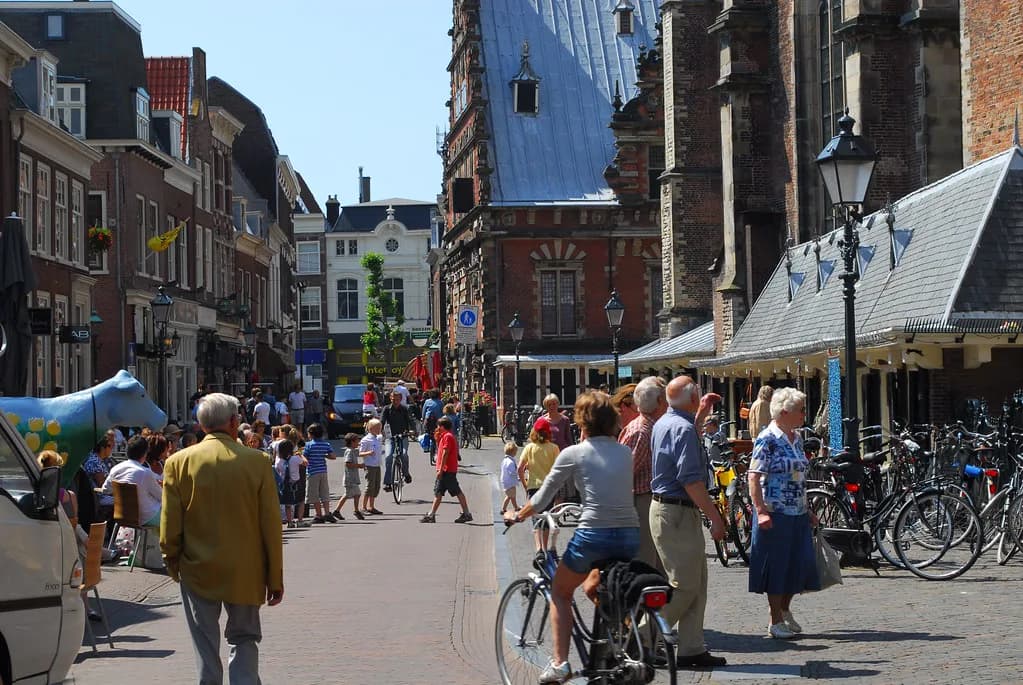
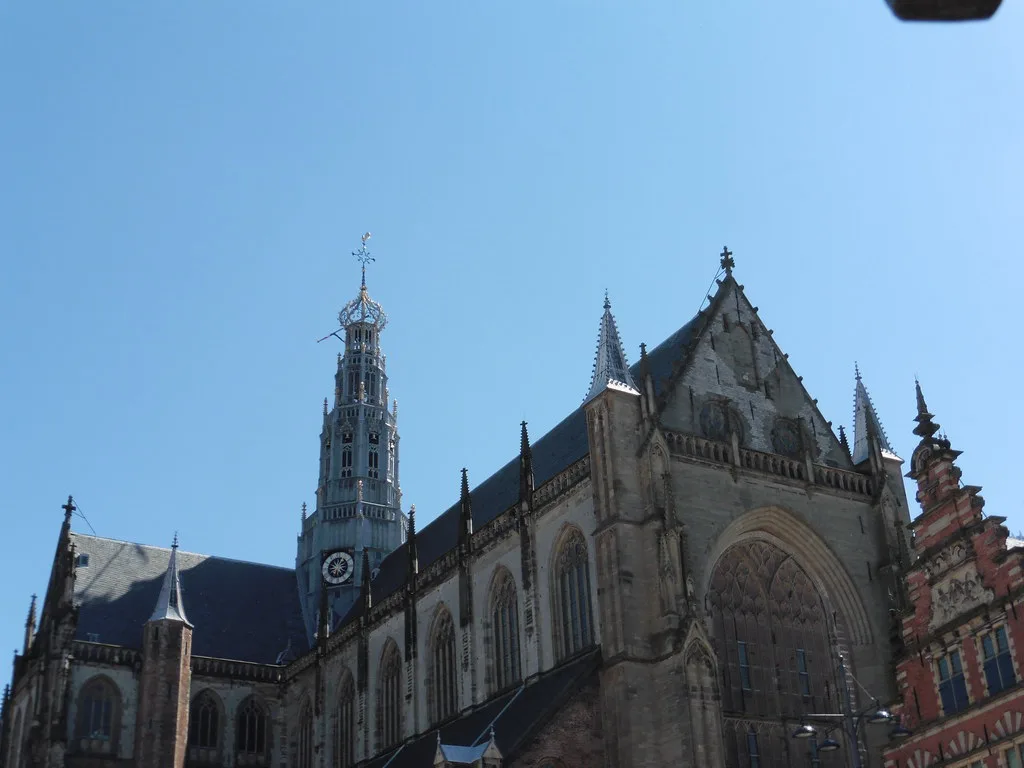
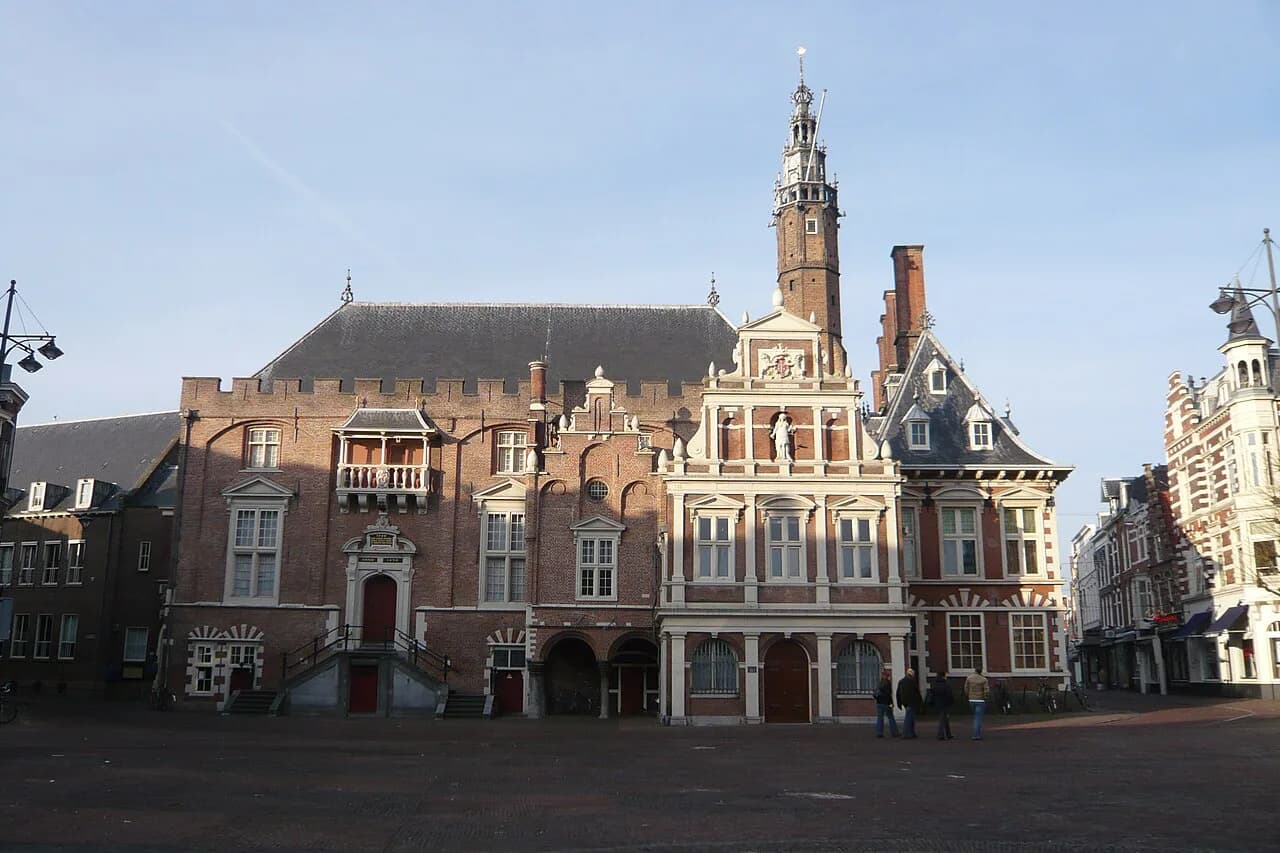
Start on the Grote Markt, the central square where the city's civic and religious buildings face each other. The Grote or St. Bavo Church dominates the square, and its construction is the spine of the local story from the medieval boom onward.
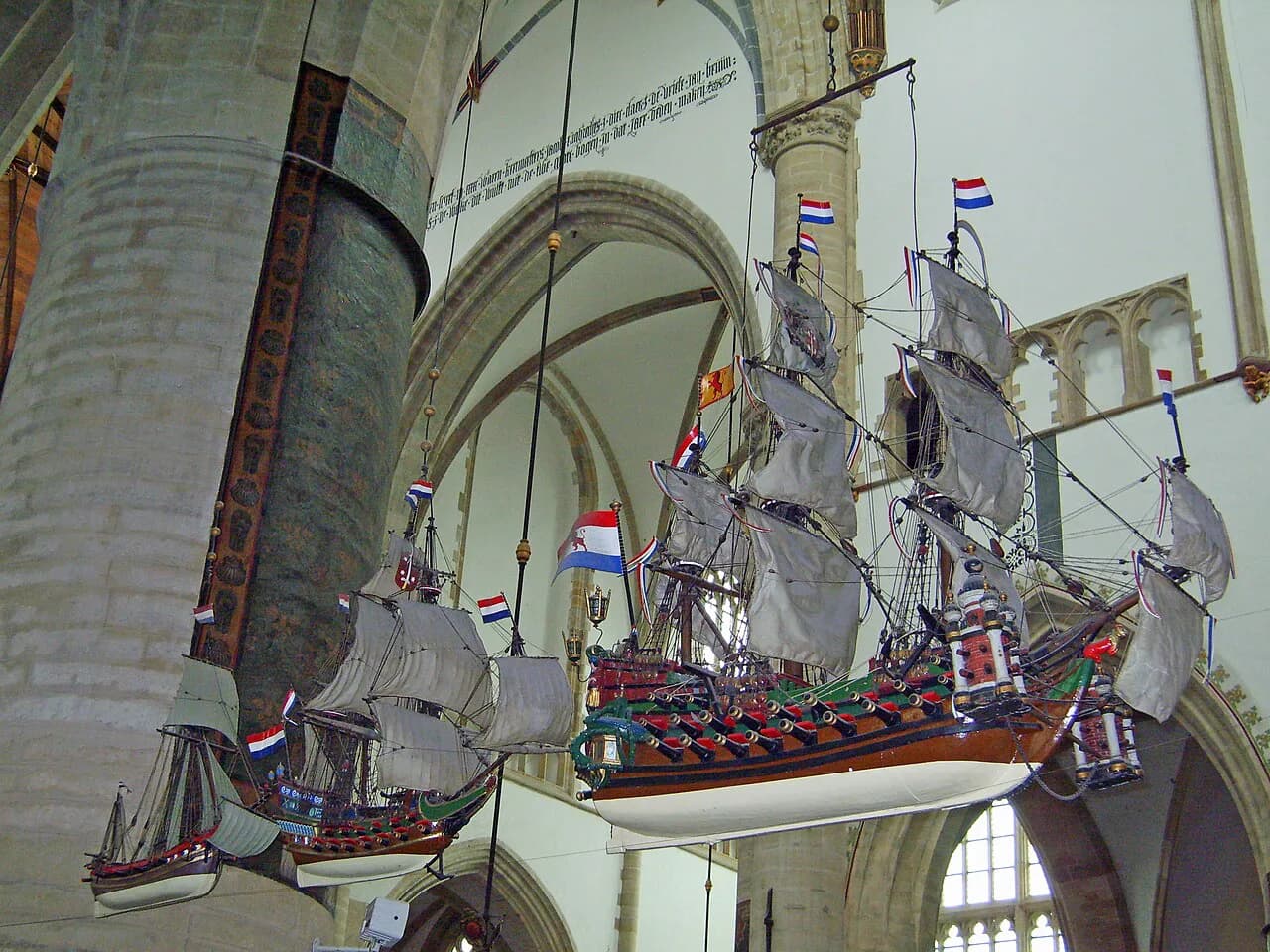
The church is the one building that shows the medieval period and the Golden Age in the same structure. For more on the city's churches, including the cathedral and the smaller places of worship, see our guide to the churches in Haarlem.
Art gives you the same period from a different angle. The Frans Hals Museum holds the city's Golden Age painting, and our guide to Haarlem Architecture sets out the buildings of the period and why painters clustered here.
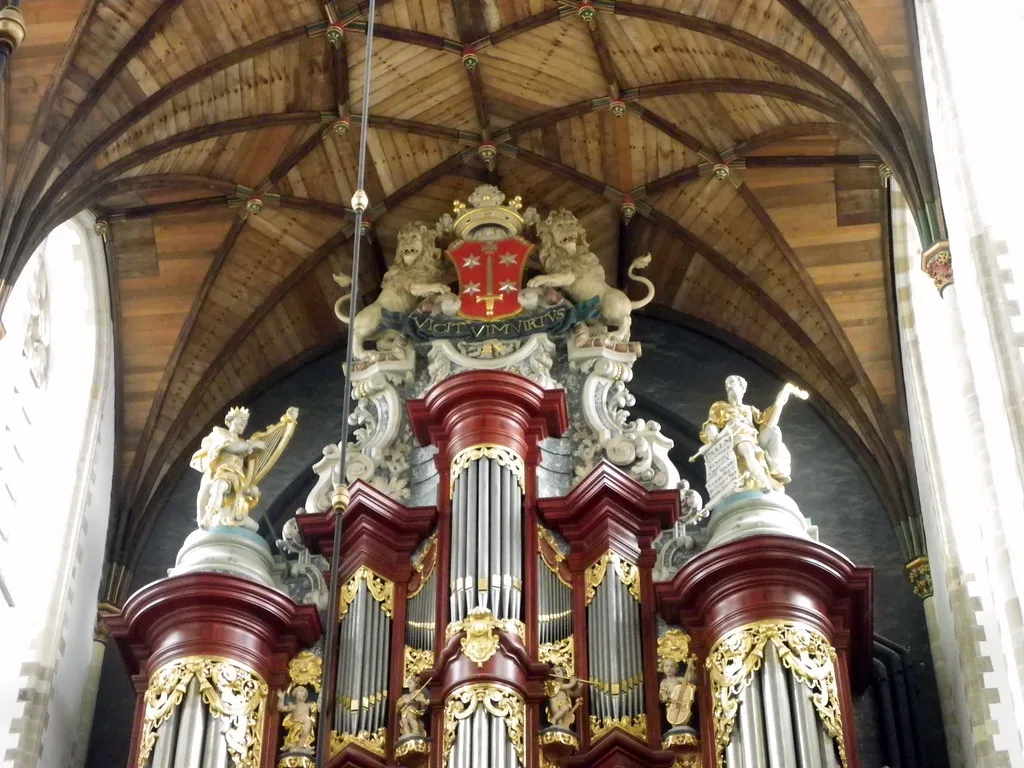
Anno Haarlem in the City Hall
Anno Haarlem is a visitor centre inside the City Hall on the Grote Markt. Its animated film, Haarlem in a bird's eye view, runs through the city's history in about six minutes, and you can walk in and watch it for free, which makes it the fastest single introduction to the whole story.
Volunteers there answer questions about the city, so it doubles as a place to check what is on during your visit. Do it first, before the museums, and the rest of the day has a frame around it.
Museums for the deeper layers: archaeology and archives
The Haarlem Archaeological Museum covers the earliest habitation on the coast through to the medieval city, using finds excavated in Haarlem. It also mounts a new exhibition on a different theme every six months, so a repeat visit is not the same visit.
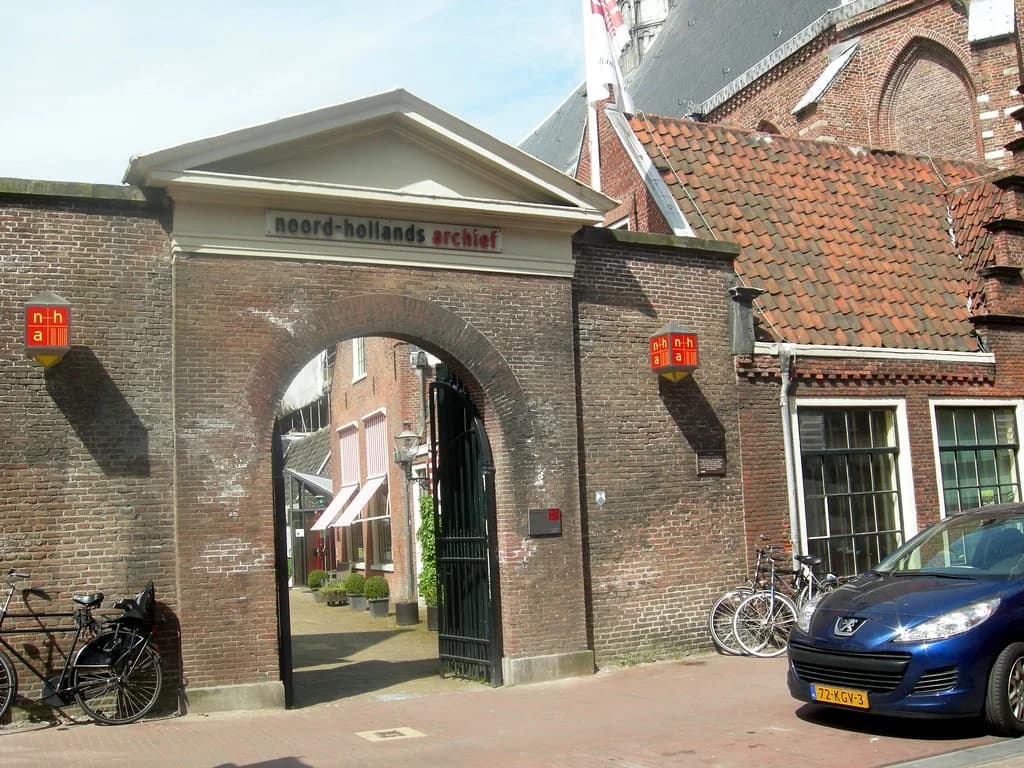
The North Holland Archives sit alongside the archaeological collection as the place where the documentary record of the region is kept. Between the two you get objects and paper, which is as deep as a short break can reasonably go into Haarlem's past.
Haarlem, Harlem and New Amsterdam
Haarlem gave America's Harlem its name, back when New York was the Dutch colony of New Amsterdam. The spelling drifted in the New World while the Dutch city kept its own, which is why the two names now look different.
That connection is a neat piece of context rather than a reason to visit, and it is the only Amsterdam link worth carrying into a Haarlem itinerary. Keep the Dutch spelling straight and the story tells itself.
How much time to give the history sights
On a one-day visit, do the Grote Markt, the Grote or St. Bavo Church and the free film at Anno Haarlem, then pick one collection. On two or three days, add the archaeological museum and a painting collection, and you will have covered the city's history from the beach ridge to the Golden Age without spending every hour indoors.
The trade-off is always the same: museums cost you daylight that the streets would otherwise get. Because the centre is small, you can split the day between the two instead of choosing.
Which Haarlem history stop comes first?
Start at Anno Haarlem in the City Hall, watch the free film, and walk out onto the Grote Markt with the timeline already in your head. Then choose between the church, the archaeological museum and the painting collection according to how much time you have left.
If you have only an afternoon, skip the deep collections and read the city from its streets and its church. If you have a full day, the film plus one museum gives you both the narrative and the objects.
Explore more Haarlem guides
Frequently Asked Questions
Was Harlem originally Dutch?
Yes. The New York neighbourhood takes its name from the Dutch city of Haarlem, from the period when New York was the Dutch colony of New Amsterdam. The spelling diverged later, which is why the two names now differ.
When did Haarlem get city rights and its first walls?
Haarlem was granted city status, or stadsrechten, in 1245. The first city walls were not built until around 1270, more than two decades later.
Was Haarlem a big beer city in the Middle Ages?
Yes. Beer was brewed in Haarlem in the Middle Ages, at first domestically and on a small scale. By the 14th century the city was one of the largest beer cities in the Netherlands, and beer barrels were called Jopen, a word that survives in a Haarlem brewery name today.
Where can I get a quick introduction to Haarlem's history?
Anno Haarlem, a visitor centre inside the City Hall on the Grote Markt, shows the animated film Haarlem in a bird's eye view, which covers the city's history in about six minutes and is free to watch. Volunteers there also answer questions about the city.
Sources
Notes for your next Dutch city break
Optional updates to our Netherlands guides.
You might also like
Continue reading
More guides you'll find useful