The Hague vs Rotterdam: Which Dutch City for a Short Break?
The Hague vs Rotterdam for a one to four day break: the royal city and its dunes against a rebuilt harbour city, with what each does better and who each suits.
On this page
Choose The Hague if you want a compact, walkable city of palaces, canals and old streets with the dunes a short ride away. Choose Rotterdam if you want modern architecture at a grander scale, a city rebuilt after the Second World War and a centre cut by the Maas. This comparison covers how each city is laid out, what you see on the ground, how much time each needs and which traveller each one suits.
The short answer
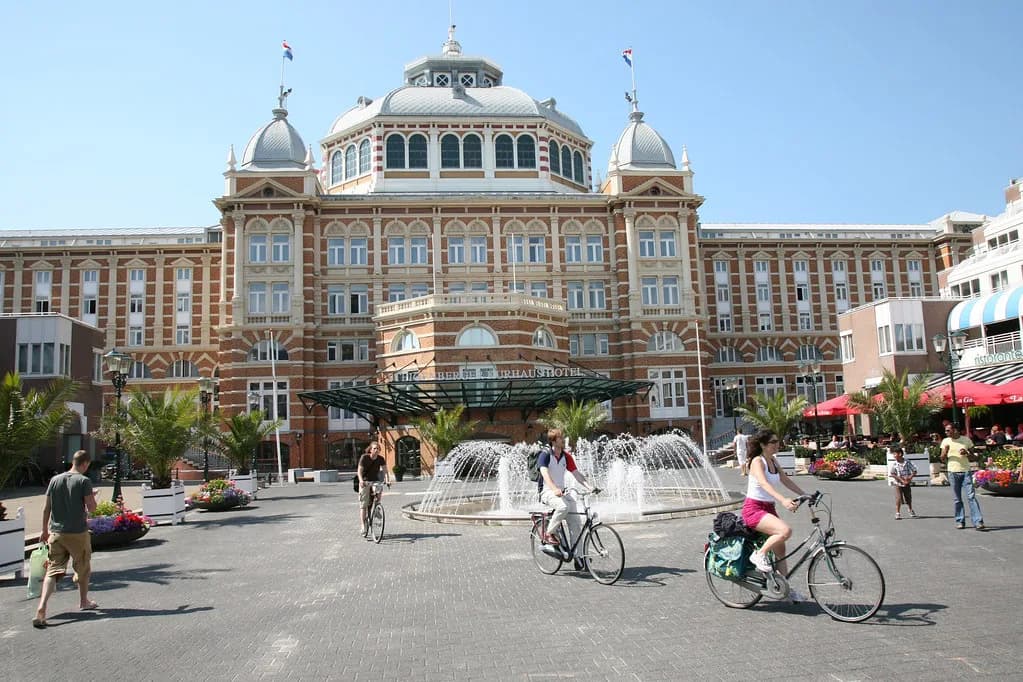
The Hague is the court city: the Binnenhof and Hofvijver sit at its heart, Noordeinde and the Palace Garden are a few minutes away, and the streets between them are made for walking. It feels older, quieter and more ceremonial than Rotterdam, and the sea sits at its western edge in the shape of Scheveningen. Rotterdam is the counterpoint, a harbour city that rebuilt itself after the war and now reads as a showcase of modern design. If you want one city to stroll, pick The Hague; if you want to look up at buildings, pick Rotterdam.
How each city is laid out
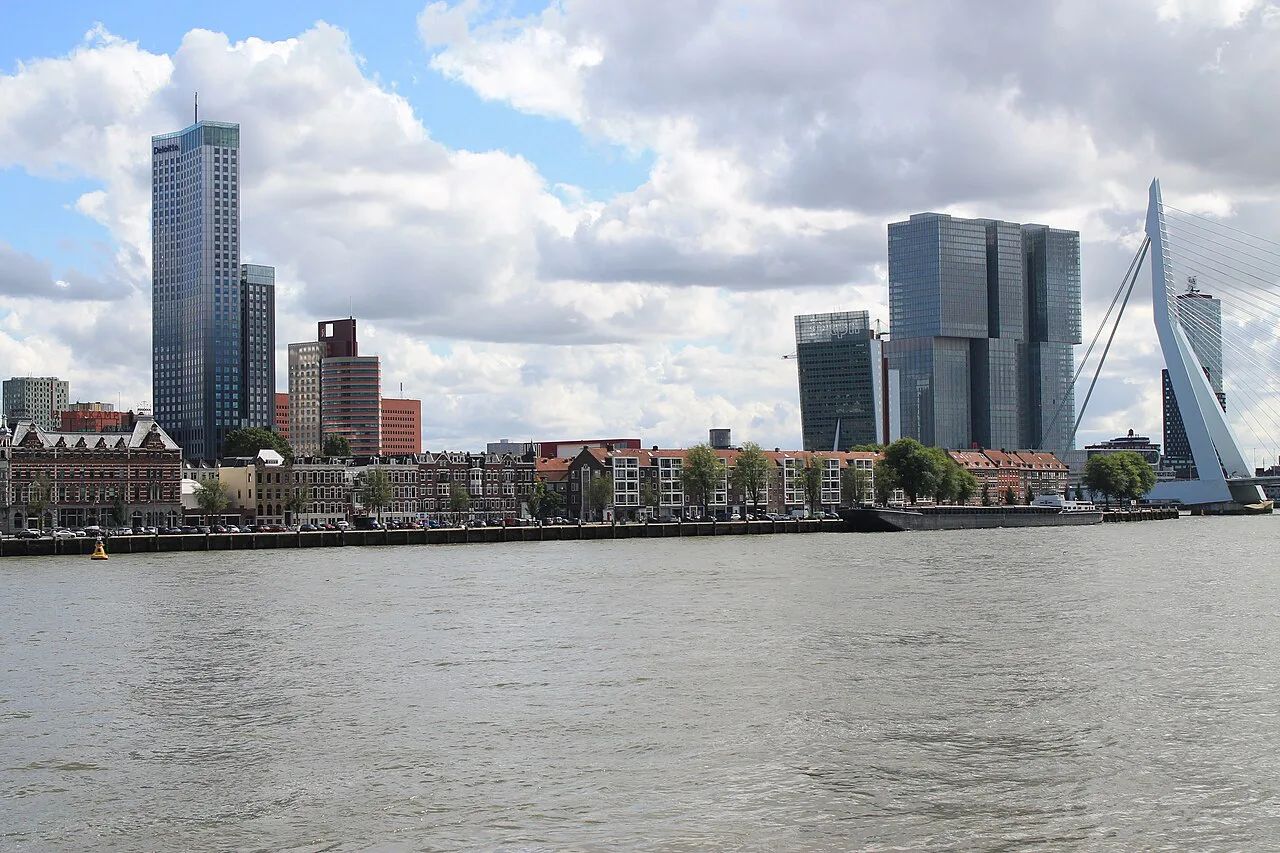
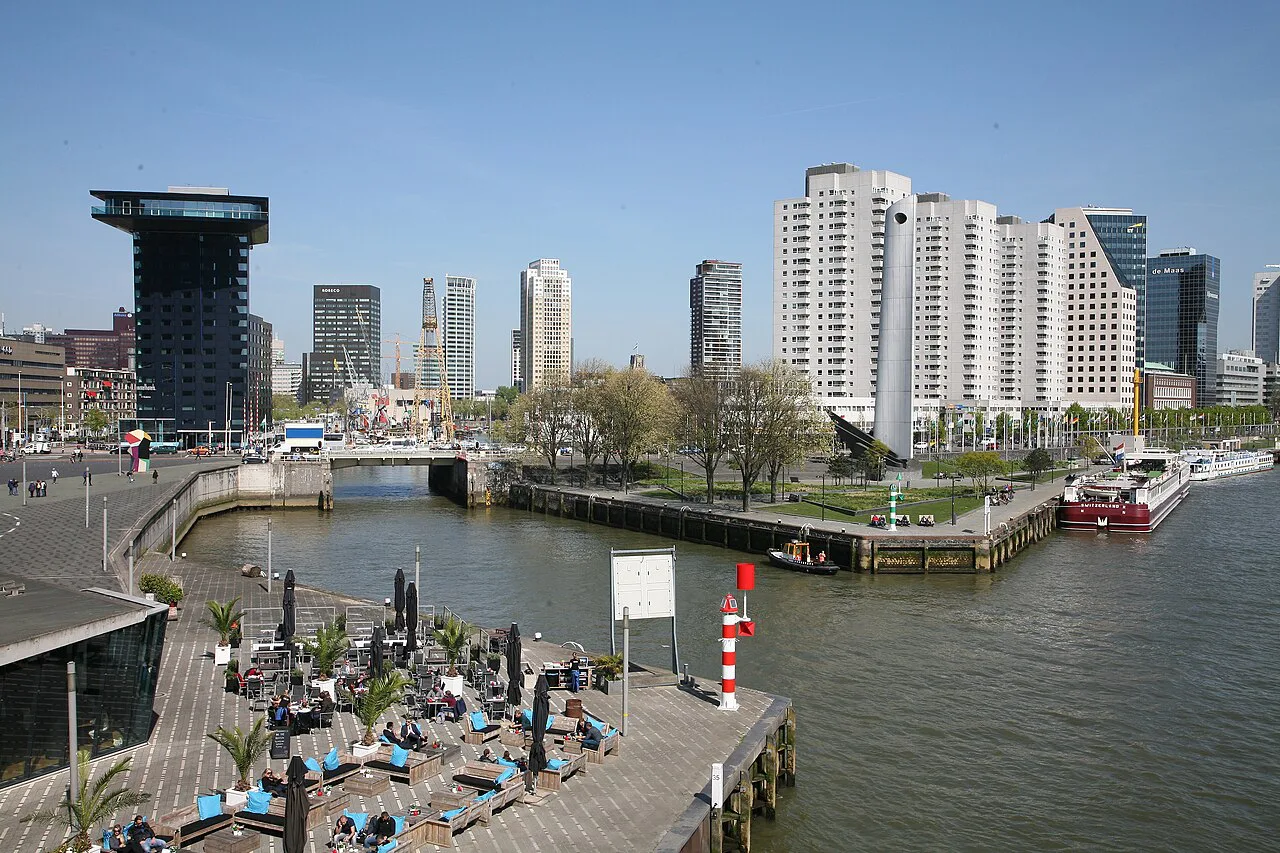
The Hague's centre is small enough to cross on foot: the Binnenhof, the Plein, Noordeinde and the Grote Markt form a rough ring you can wander in an afternoon. Beyond it, the city spreads west through neighbourhoods such as the Zeeheldenkwartier and the Statenkwartier before reaching Scheveningen, so districts rather than sights pull you outwards. Rotterdam's centre is bigger, split by the Maas and punctuated by the old harbour basins and Kop van Zuid, so you cover more ground and a boat or a bike helps. Our guide to how many days in The Hague explains how the districts stack up if you base yourself in the court city.
What you actually see in The Hague
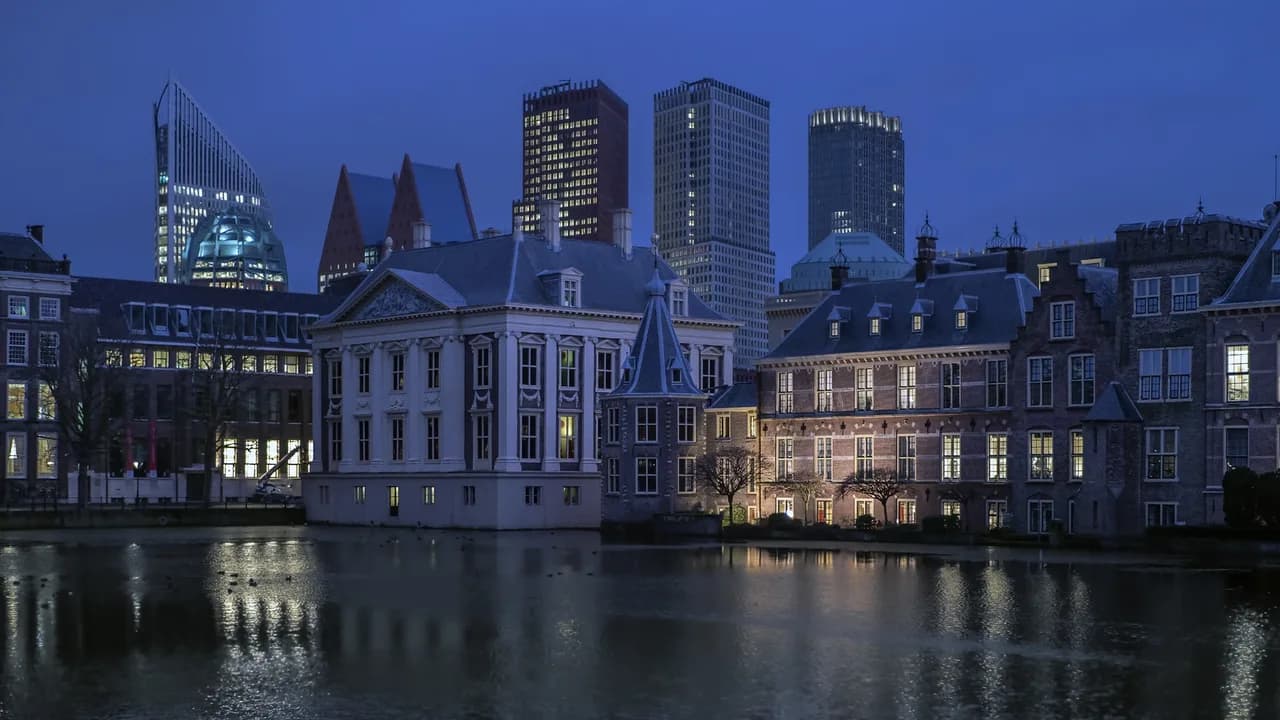
Start with the Binnenhof and Hofvijver, the parliament complex and its reflecting pond that give the city its postcard image, then walk five minutes to the Mauritshuis. Noordeinde is a shopping street of fashion boutiques, galleries and antiques dealers in Art Nouveau buildings, with Noordeinde Palace at one end, and the King works there when he is in the country. The Palace Garden behind the palace is open to the public daily and makes a good picnic stop between the Royal Stables and the Royal Archives.
The palace itself is not normally open for personal viewing, with a summer opening for several days when it and the Royal Stables admit visitors. If you are planning a single day, our one day in The Hague plan puts these centre sights in a sensible order. Add the Plein and the Hofvijver for civic squares and water rather than any single monument.
The Hague's green edge: Clingendael
Clingendael is the estate between The Hague and Wassenaar, laid out in English landscape style with winding paths, ponds, tree groups and a tearoom in the former lodge house. It is freely accessible throughout the year, and most paths are paved, which makes it easy for prams and wheelchair users. The showpiece is the Japanese Garden, the largest in the Netherlands at 6,800 square metres and the only one of its kind from around 1910. Because the plants are fragile it opens only for a short period in spring (May/June) and again in October, so time a visit around that window.
The Hague's neighbourhoods
The Zeeheldenkwartier sits on the edge of the centre and is one of the city's most lived-in quarters, with sunny squares, Art Nouveau buildings and the main shopping streets of Prins Hendrikstraat, Zoutmanstraat and Piet Heinstraat. Prins Hendrikplein, Anna Paulownaplein and the surrounding streets hold the cafés and terraces where locals sit in summer. Come to browse design shops, galleries and small clothing stores rather than to tick off sights.
The Statenkwartier lies behind the Scheveningen dunes and is built around Frederik Hendriklaan, known locally as De Fred, one of the city's best-known shopping streets. The neighbourhood is famous for its characteristic turrets, part of the majestic architecture that runs through The Hague, and it sits within easy reach of the city's art museum and photography museum. It works well as a half-day that ends with a walk towards Scheveningen, which is only a short step away. For a fuller plan of the centre and the green edge, see The Hague Itinerary.
What Rotterdam gives you instead
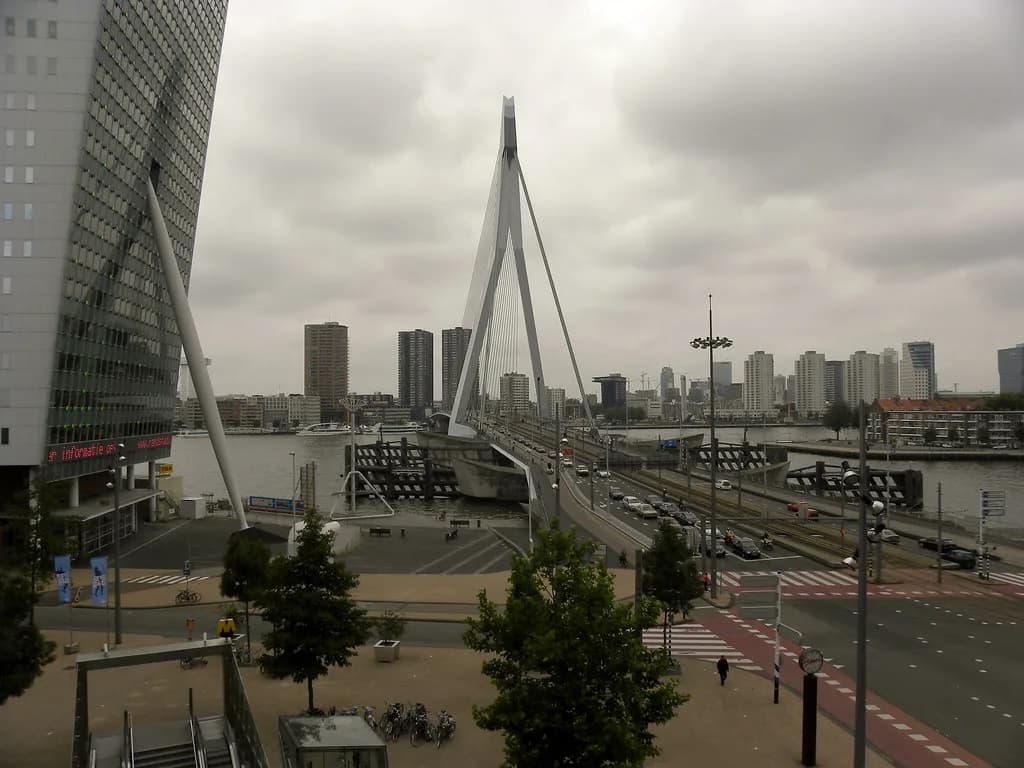
Rotterdam is the modern counterpoint: a city rebuilt after the Second World War with a skyline that changes block by block, from the centre to the old harbour districts and Kop van Zuid. The Maas runs through it, so walking and boat trips shape how you see the city, and the scale is larger and more spread out than The Hague's. It suits travellers who want design, architecture and harbour atmosphere more than palaces and old streets.
How much time each city needs
A focused day covers the core of either city: in The Hague, the Binnenhof, Mauritshuis, Noordeinde and the Palace Garden; in Rotterdam, a walk around the centre and the Maas. The Hague rewards two days once you add Clingendael and the neighbourhoods towards Scheveningen. Rotterdam rewards an extra day because its districts are further apart. A weekend in The Hague is comfortable for a first visit, and the itinerary sets out how to pace the centre and the green edge.
Getting between them
The two cities sit close together in South Holland, and the train is the straightforward link, so a one-city base with a day in the other works well. Plan which city you sleep in around what you want in the evening: The Hague for a quiet walk home through the centre, Rotterdam for the scale. Check the current timetable with the operator before you commit to a fixed plan.
Costs and practicalities
Museum tickets and day passes are priced in euros, and prices differ between Dutch museums, so check the museum's own website for the current charge rather than relying on an old figure. Many Dutch museums close on Mondays, and shops in many cities open late on Monday morning, so put museum days early in the week and use Monday for walking, parks and the coast. If you want to browse the centre's sights first, our guide to whether The Hague is worth visiting weighs the trade-offs.
When to go
Spring is the strongest reason to build a trip around The Hague, because the Japanese Garden at Clingendael opens for a short period in May and June, then again in October. The gardens, the estate and the coast are at their best in the longer days, and walking the centre is comfortable from spring through early autumn. Outside that window, Clingendael is still freely accessible, so the estate rather than the Japanese Garden becomes the draw.
The Hague, Rotterdam or Amsterdam?
For a first Netherlands trip, Amsterdam is the obvious base, but The Hague is the quieter, more ceremonial alternative, with the court, palaces and the sea within reach. Rotterdam is the modern counterpoint for anyone who has seen the old cities and wants something different. Repeat visitors often prefer The Hague for exactly that reason: a city that feels lived in rather than staged for visitors.
Which suits you
Couples and first-time visitors often get more from The Hague: it is compact, the centre is walkable and the green edge gives each day a change of scene. Repeat visitors and anyone drawn to architecture will find Rotterdam worth the extra day. Travellers who want the sea within reach should base themselves in The Hague, where Scheveningen sits at the western edge as a district rather than a separate trip. For a fuller picture of what the city holds, start with the city's attractions.
Rotterdam and The Hague in one day
It is possible to see the core of both cities in one day, but you give up depth: in The Hague you would see the Binnenhof and Mauritshuis and skip Clingendael and the districts; in Rotterdam you would see the centre and the Maas and skip the harbour districts. If you only have one day, pick one city and see it properly. Two days in each is a better balance.
Which city should you book?
Book The Hague if you want a walkable court city with palaces, Art Nouveau neighbourhoods and the dunes at the edge, and if a spring or October visit can be arranged around the Japanese Garden. Book Rotterdam if you prefer modern architecture at a bigger scale and a harbour setting on the Maas. Both work as one-city bases, and the train makes a day in the other easy to add.
Explore more The Hague guides
Frequently Asked Questions
How far is The Hague from Rotterdam?
The two cities are close neighbours in South Holland, and the train is the straightforward link between them. Check the current timetable with the operator before you fix your plans, as services and journey times vary by time of day.
Is The Hague bigger than Rotterdam?
Rotterdam is the larger city by area, with a centre spread across the Maas and several harbour districts. The Hague's historic centre is more compact and easier to cross on foot, with Scheveningen and the neighbourhoods further west.
What is the prettiest city in the Netherlands?
That depends on what you want: The Hague for palaces, old streets and the court-city atmosphere, Rotterdam for modern architecture and harbour views. Amsterdam remains the best-known, but The Hague is the quieter alternative for a short break.
Is The Hague worth visiting?
Yes, especially for a short break: the Binnenhof and Mauritshuis anchor a walkable centre, the Statenkwartier and Zeeheldenkwartier add neighbourhood character, and Clingendael gives you a green edge with the Japanese Garden in spring and autumn.
Sources
Notes for your next Dutch city break
Optional updates to our Netherlands guides.
You might also like
Continue reading
More guides you'll find useful