Is The Hague Worth Visiting? An Honest Answer for a City Break
Yes, The Hague is worth visiting for the Mauritshuis, the Binnenhof and Escher in the Palace, with canals and Scheveningen within easy reach of the centre.
On this page
Yes, The Hague is worth visiting if your city break runs on museums, a compact historic centre and the sea at the edge of town. The city packs the Mauritshuis, the Binnenhof and Escher in the Palace into a walkable core, and Scheveningen sits within the same boundary as a district of The Hague rather than a separate trip. This page sets out what the city does well, where it falls short, how many days it needs and how it compares with Amsterdam.
What makes The Hague famous
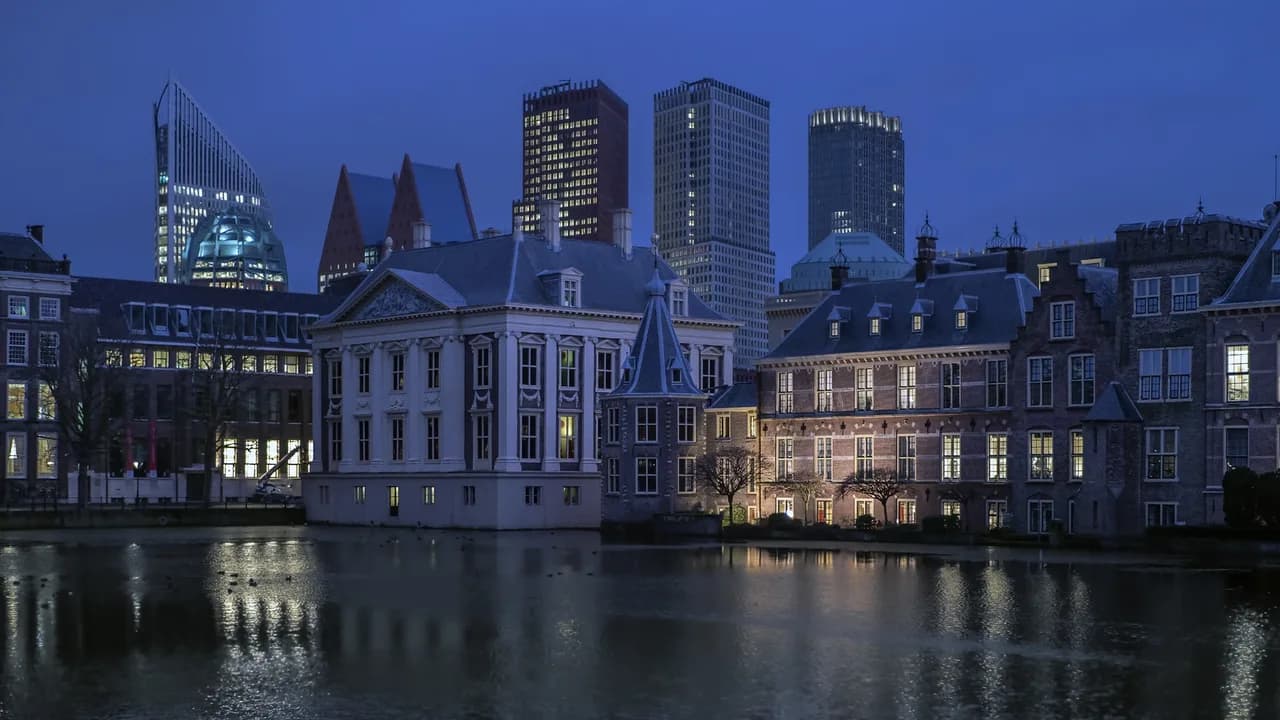
The Hague is the Dutch seat of government, and the Binnenhof is where that history is easiest to see. The complex sits beside the Hofvijver, the small lake in the centre, and grew from a thirteenth-century homestead into the administrative heart of the country, housing both houses of parliament and the Prime Minister's office. The Ridderzaal, the Gothic hall dominating the complex, is where the monarch delivers the annual speech opening parliament, and walking around the complex is one of the city's free things to do, though entering the buildings costs money.
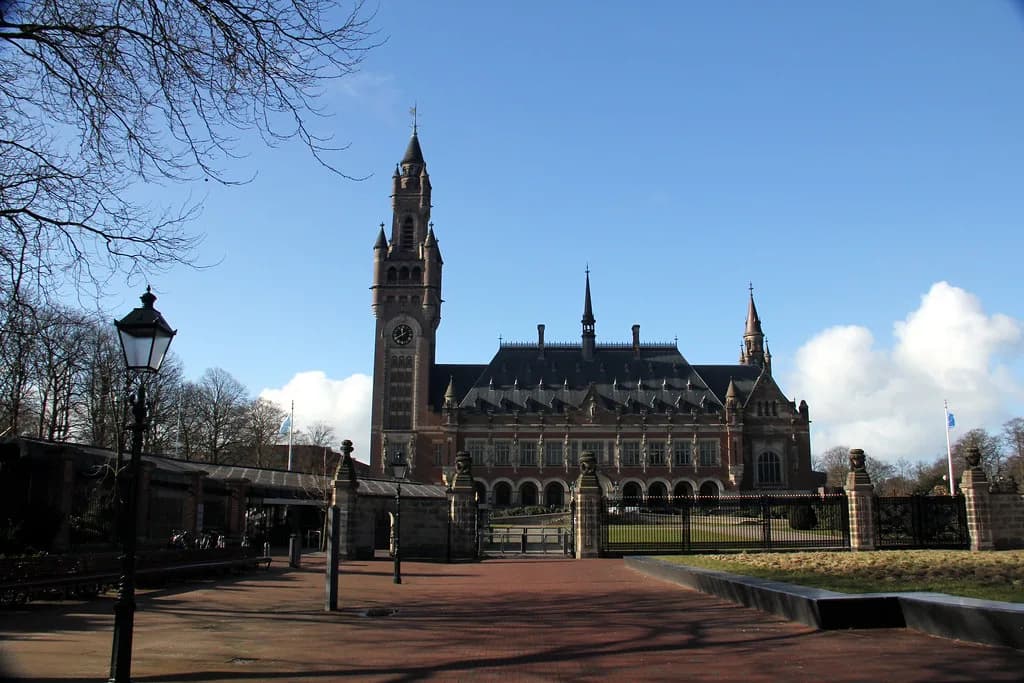
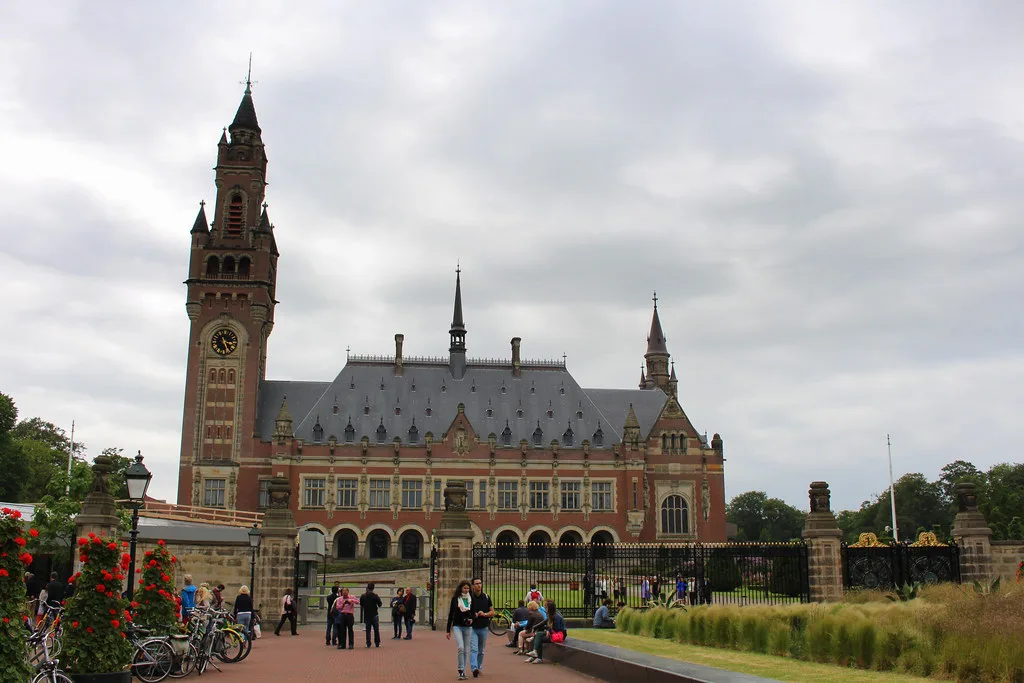
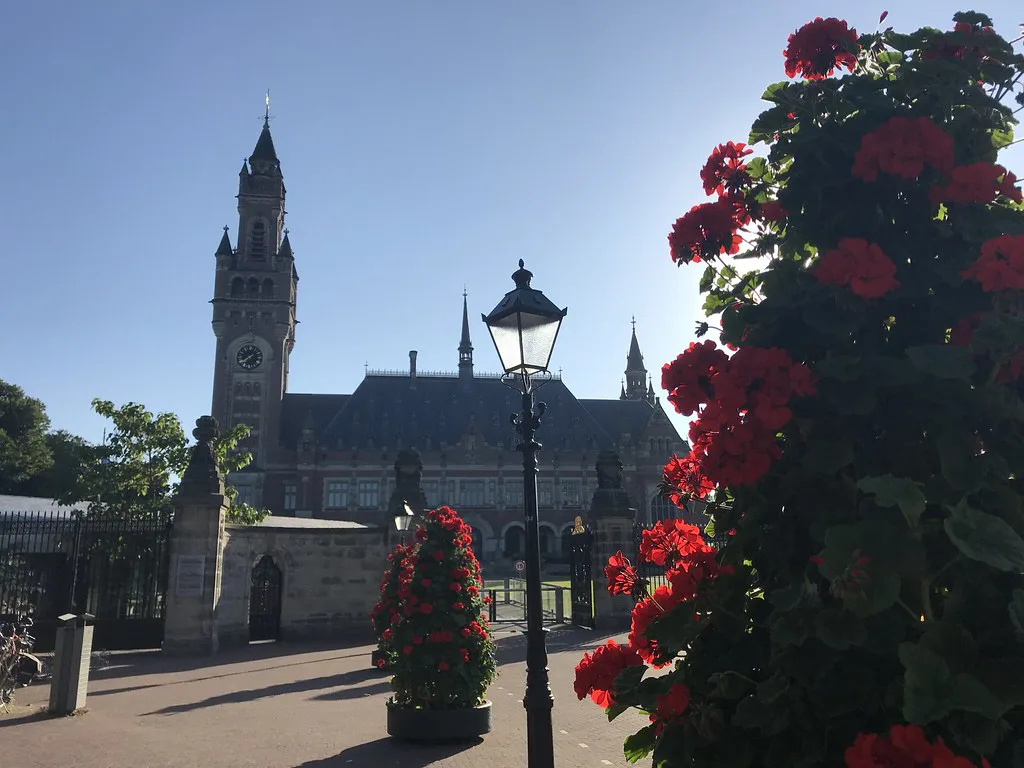
Peace and justice shape the city's reputation as much as politics. The Peace Palace, home to the International Court of Justice and the Permanent Court of Arbitration, is the landmark most visitors associate with The Hague, and the city's international institutions give it a more cosmopolitan, less tourist-facing character than Amsterdam. De Passage, the covered shopping arcade, and the local hopje sweet are small curiosities worth knowing about as you cross the centre.
The museums are the strongest single reason to come. The Mauritshuis holds Dutch Golden Age painting in an intimate palace setting, Escher in the Palace puts the graphic artist's work inside a former royal residence on Lange Voorhout, and Museum Voorlinden adds contemporary art and sculpture. Our guide to The Hague Attractions: 12 Visitor Guides covers each of these in more depth.
What you can see in a day: Binnenhof, Mauritshuis and Escher in the Palace
One day in The Hague comfortably covers the Binnenhof and Hofvijver, one major museum and a walk through the historic centre. Start at the Hofvijver for the classic view of the Ridderzaal, then choose between the Mauritshuis and Escher in the Palace rather than trying to do both properly. The Mauritshuis suits slow, close looking at Dutch Golden Age painting, while Escher in the Palace suits anyone who prefers optical illusion and drawing to Golden Age portraits.
The two museums are a short walk apart via Lange Voorhout and the streets around the Hofvijver, so a morning and afternoon split works well. Treat the Peace Palace as an exterior landmark: it houses the International Court of Justice and the Permanent Court of Arbitration and is a working court building. Our The Hague Itinerary lays out a day in the order that keeps walking to a minimum.
The canals: Lange Voorhout, Nieuwe Uitleg and the walk along the water
The Hague does have canals, about ten of them, dug in the fourteenth century for transport and defence, though many were filled in during the twentieth century as the city grew. Part of the system was uncovered in 2004, and you can now walk or sail along it. The city is not known for its waterways the way Utrecht or Amsterdam is, so treat the canals as a pleasant half-day rather than the main event.
A good free route starts at Lange Voorhout, the street and square where Escher in the Palace sits. Head towards Maliestraat for the prettiest stretch of water, follow Nieuwe Uitleg as it rings the canal, then turn right onto Hooikade, and at the end cross and follow the canal on your left, parallel to Mauritskade. Allow an hour or so at an easy pace; walking the banks costs nothing while sailing needs a ticket.
Scheveningen as a district, and how it changes the trip
Scheveningen is a district of The Hague, not a separate resort, and that changes how you plan. The coast sits within the city boundary, so you can combine a museum morning in the centre with an afternoon on the seafront without changing base. Kijkduin, the quieter coastal district to the south-west, gives you a second option if Scheveningen feels busy.
The coastal position is also the reason the city feels windy. The windiest stretch of the year runs from October to March, when the beaches attract kitesurfers despite the cold, and the location means it is breezy most days. Plan indoor museum time for the windiest hours and keep the seafront for a brighter window.
How many days The Hague needs
One day gives you the Binnenhof, one museum and a canal or centre walk. Two days let you add a second museum and an afternoon in Scheveningen or Kijkduin, which is the point at which the city starts to feel like a proper break rather than a stop. Three days suit travellers who want Museum Voorlinden, the Haagse Markt and time to wander without rushing.
The city works well as a base for a longer trip because the centre is compact and the coast is in reach. A Weekend in The Hague is enough to see the core twice over, once at pace and once slowly, which is often the better way to judge a city.
Where the city falls short
The wind and rain are real, not a myth. The Hague sits on the coast in the southern Netherlands and gets the usual North European pattern of cold winters, warm but rarely hot summers and rain through the year, with the coast adding near-constant breeze. Anyone who wants guaranteed sunshine should look elsewhere.
The second drawback is atmosphere. The Hague reads as a government and diplomatic city first, and its canal ring is smaller and less celebrated than those of Utrecht or Amsterdam, so it will not deliver the picture-postcard waterway experience some travellers expect. What it offers instead is space, good museums without Amsterdam-level queues and a calmer centre. Go for the collections and the coast, not for canal-belt romance.
The Hague or Amsterdam as a city break
Amsterdam has the larger museum cluster, the famous canal ring and the bigger nightlife and shopping offer. The Hague counters with a walkable centre, the Mauritshuis and Escher in the Palace, the Binnenhof and the sea within the city boundary, plus noticeably thinner crowds. Choose Amsterdam for scale and buzz, The Hague for breathing room and a mix of politics, art and coast.
The trade-off is evenings. Amsterdam keeps going later, while The Hague is a quieter city after dark and suits travellers who want dinner and an early start over a long night out. Coming from the UK, the journey from London to The Hague is straightforward enough that the choice comes down to what you want from the days, not the travel.
Practical points: opening days, timed tickets and paying
Check opening days before you build a schedule around a museum, since opening days vary by venue. Keep the free Binnenhof walk flexible for whichever day the weather turns.
Museum prices and opening hours vary, so confirm current prices and hours on each museum's own site before you travel. If a museum asks you to pick a slot when you book, choose it for the time you actually want rather than turning up on the day.
What is on in The Hague
The city's calendar leans on its institutions: parliamentary occasions around the Binnenhof, exhibitions at the Mauritshuis and Escher in the Palace, and programming at Museum Voorlinden. The Haagse Markt gives you a large general market to browse, and the covered De Passage is a sensible rainy-hour stop in the centre.
Exact dates and market days change, so check the organiser's own listing rather than relying on a general guide. Search the venue name plus the month you are travelling, and confirm whether a timed slot is needed before you set out. If a specific exhibition is the reason for your trip, build the rest of the day around its slot rather than the other way round.
Should you book The Hague?
Book The Hague if you want a compact Dutch city with serious art, a political heart you can walk around for free and the sea in the same boundary. Give it two days, put the Mauritshuis and the Binnenhof first and keep an afternoon spare for Scheveningen or Kijkduin.
Skip it if you want guaranteed sunshine, canal-belt scenery as the main attraction or a city that stays up late. In that case Amsterdam or Utrecht will suit you better, and The Hague becomes a day trip rather than a base.
Explore more The Hague guides
Frequently Asked Questions
Is one day enough for The Hague?
One day covers the Binnenhof and Hofvijver, one major museum and a walk along the canals or through the centre. Add a second day if you want both the Mauritshuis and Escher in the Palace plus an afternoon in Scheveningen.
Is The Hague a good base for a short Dutch break?
Yes. The centre is compact and walkable, the coast sits within the city, and the museums cluster around the Hofvijver and Lange Voorhout. Two to three days is a comfortable length for a city break.
Do you need to book museums in advance?
Booking ahead is sensible for Escher in the Palace, where you can get tickets in advance and skip the line. Confirm opening days and any timed-ticket requirement on each museum's own site before fixing your schedule.
Sources
Notes for your next Dutch city break
Optional updates to our Netherlands guides.
You might also like
Continue reading
More guides you'll find useful