
Haagse Markt: The Hague's Giant Street Market

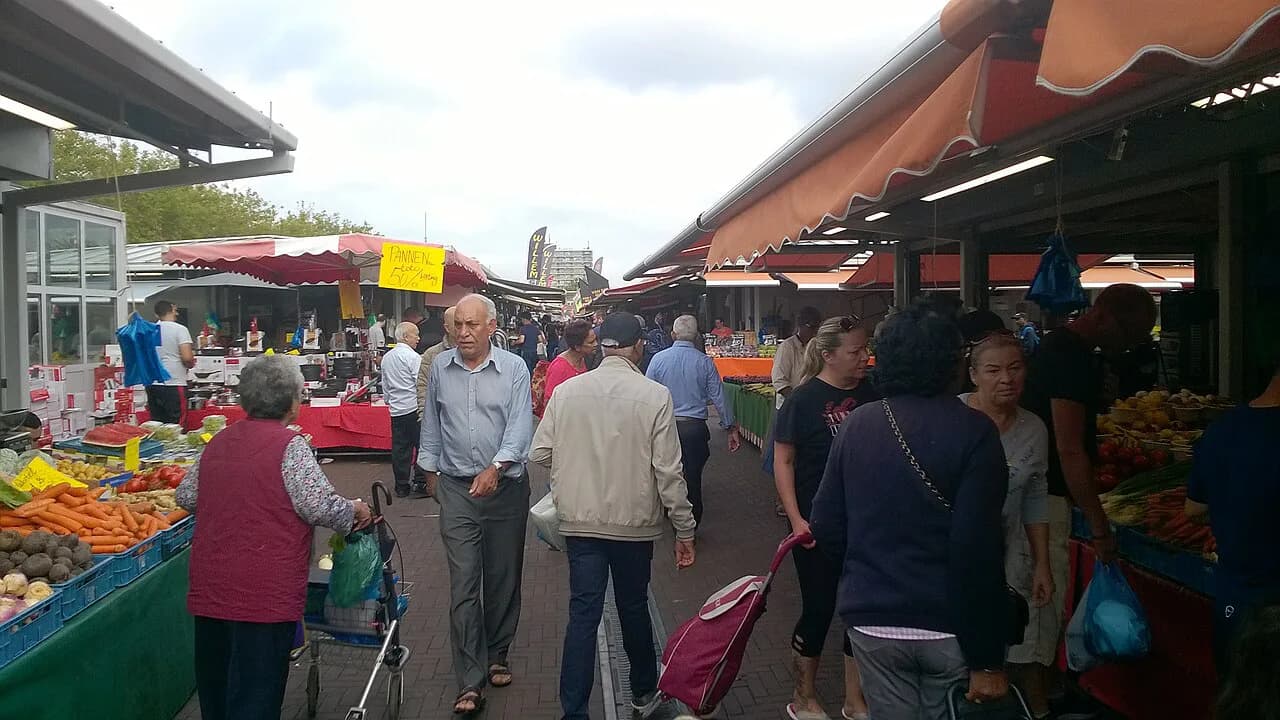
Haagse Markt is the largest open-air goods market in the Netherlands, a sprawl of stalls on the eastern edge of The Hague's centre. It is free to wander, takes roughly two hours of a morning, and suits travellers who want an everyday Dutch city rather than another museum. This guide covers where it sits, when to check the market days, and how to slot it into a short Hague break.
What Haagse Markt actually is
The market's own site describes De Haagse Markt as the biggest uncovered goods market in the Netherlands and one of the largest in Europe, a meeting place as much as a shopping destination. This is a working market where locals do their weekly shop, not a ticketed attraction. Come for the noise, the piles of goods and the street-food counters.
Because it is uncovered, the weather shapes the visit. Dutch coastal weather is changeable in every season, so a dry morning makes a far better market day than a wet afternoon, and there is no indoor hall to retreat into. If rain sets in, drop the market rather than rearrange your day around it.
Think of it as a market you simply walk into: no ticket desk, no timed slot. You arrive, pick a lane and start drifting, which makes it one of the easiest additions to a Hague itinerary.

Where it is: De Heemstraat 301 in Laak
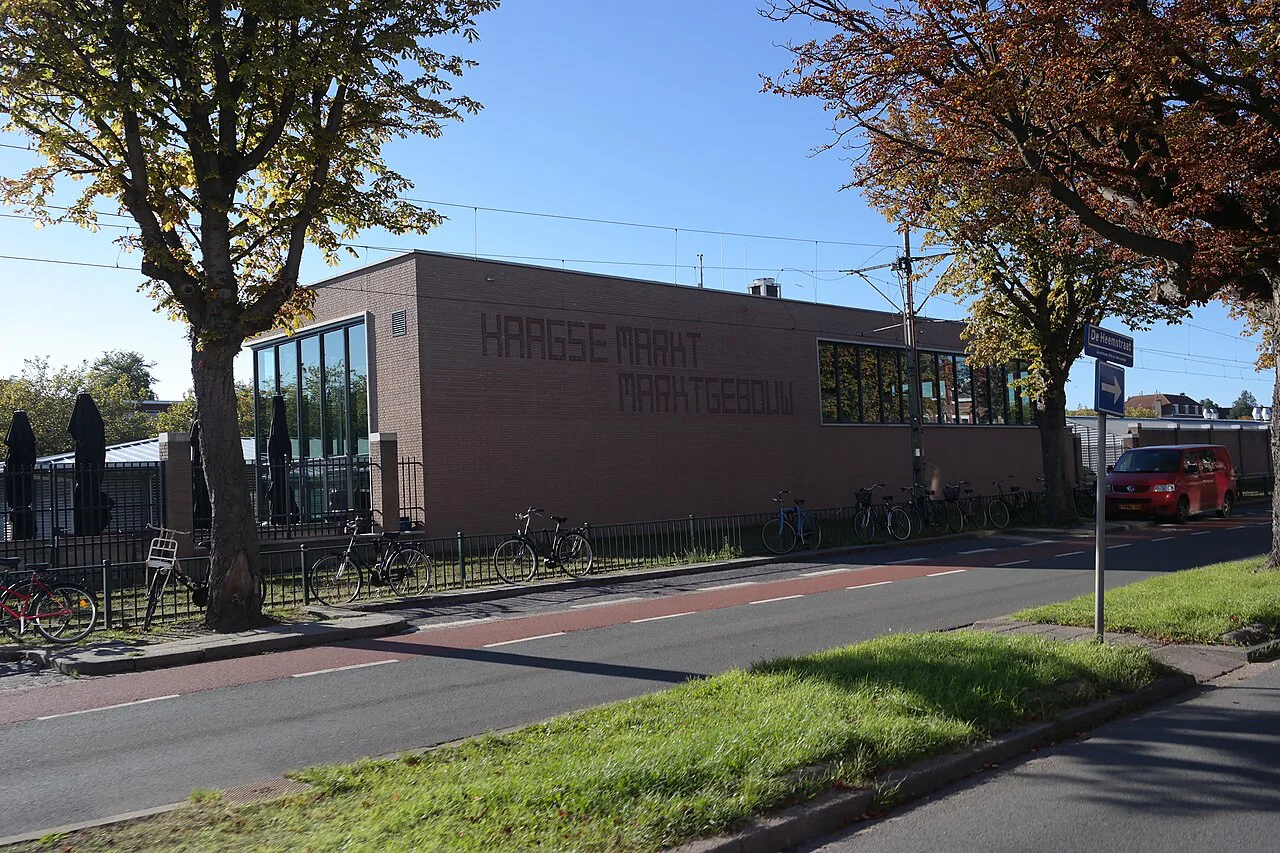
Haagse Markt sits at De Heemstraat 301 in Laak, the district east of The Hague's centre, on the far side of the main railway line. It is not on the tourist circuit of the Binnenhof and Noordeinde, which is exactly why it feels local. Plan it as a separate outing rather than something you pass between central sights.
Laak is a short hop from The Hague's central stations by tram, bus or bike, and the walk from the centre takes you through ordinary residential streets rather than picture-postcard canals. Check the route on a Dutch journey planner on the day, since stops and services change with engineering works.
If you are building a wider picture of the city, the market works well as the offbeat counterweight to the polished attractions collected in The Hague Attractions: 12 Visitor Guides. Pair it with a museum afternoon rather than combining it with three other stops on the same morning.

Market days and opening hours
The market's own site is the place to confirm which days and hours it trades before you travel, and that is the one detail you cannot guess. Work your Hague days around what the operator publishes rather than around a directory listing.
On a short trip, that check decides whether the market is a morning out or not a fit at all, so look at it before you lock in the rest of your itinerary.
Sunday trading is the question most visitors ask, and it is precisely where a directory entry can mislead. Read the published days on the market's site and confirm before you set out.
What the stalls sell
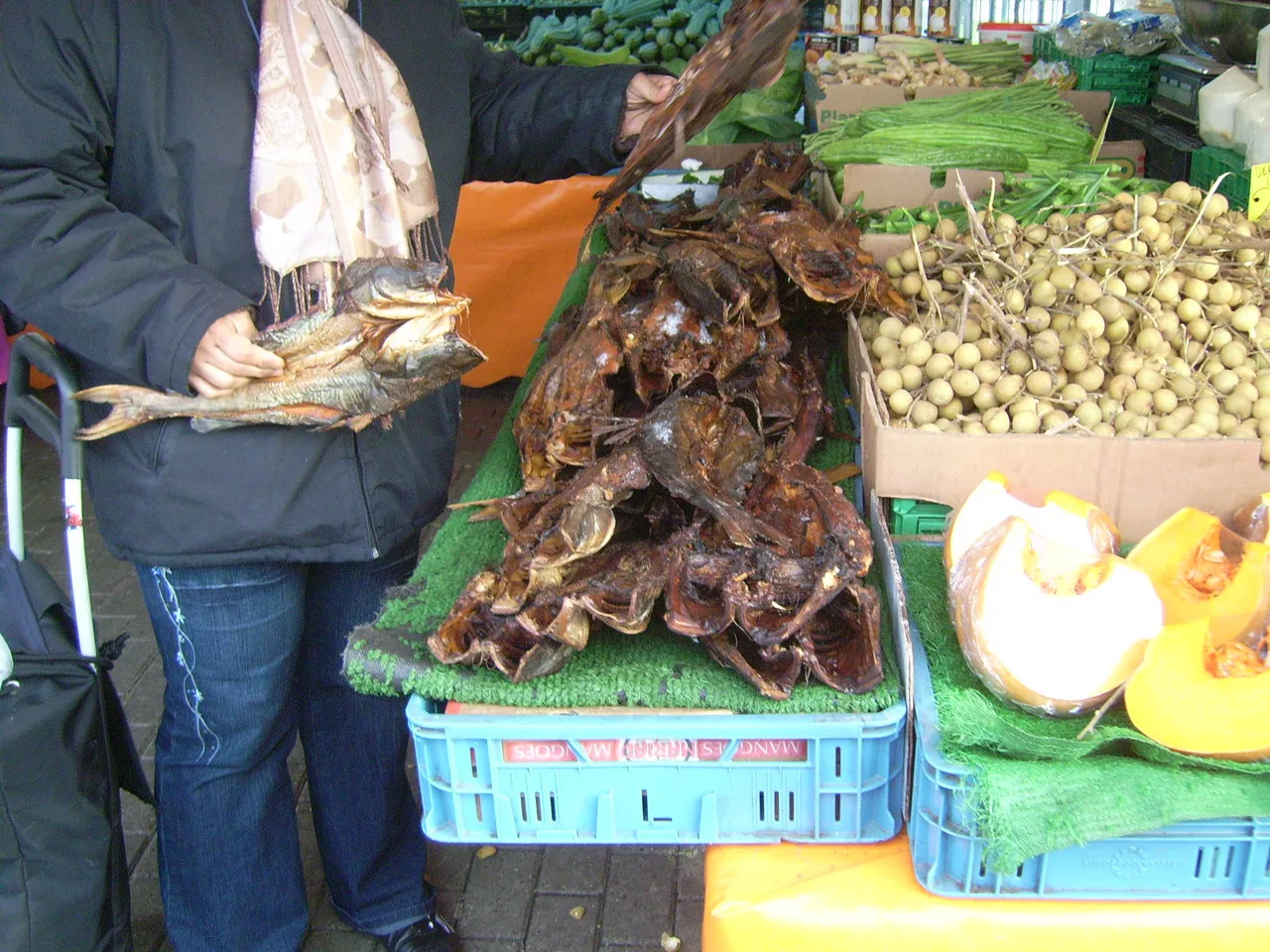
The market is a general goods affair, with the usual mix of bargain bins and more considered stalls across a large open-air site. Expect everyday purchases rather than a curated design market, and browse before you commit to a price.
Hot-food counters keep the middle of the market busy at lunchtime, and the food is best treated as fuel rather than a restaurant recommendation: you eat standing or on the move, usually well below the price of a sit-down lunch.
How long to allow and when to arrive
Two hours covers a comfortable lap of the stalls with time for a coffee and a snack, and a focused shopper can do it in ninety minutes. Anything under an hour means walking past most of it. Build the visit around a morning arrival, when the stalls are fully set up and the aisles are still easy to move through.
The busiest stretch tends to be late morning into early afternoon, when local shoppers and lunchtime food traffic overlap. If queues bother you, arrive at opening time and leave before the peak; if you want atmosphere, the opposite advice applies.
Layout and how to move through it
Like most large street markets, Haagse Markt is a set of lanes and rows that you work through section by section, with the food counters usually busiest in the middle. Walk the outer rows first to get your bearings, then cut through the centre when you are ready to eat.
Resist the urge to cover every lane at once. Pick two or three rows that match what you actually want, do those properly, and spend the rest of the time browsing the food end. The market rewards a loose plan far more than a completist approach.
Practical trade-offs: weather, crowds and payment
The open-air setting is the main trade-off. A clear morning gives you the market at its best; steady rain turns the aisles muddy and miserable. Keep the market as a flexible morning that you can swap with an indoor museum if the sky looks wrong.
Payment habits vary from stall to stall, so do not assume every trader takes a card or that everyone insists on cash. Carry a modest amount of euros as backup and ask before you commit to a purchase.
Crowds are the other cost. Weekend trading brings families and a party atmosphere, which is fun but slow; a weekday morning is calmer and quicker. Choose according to whether you want the buzz or the efficiency.
What is nearby and how to pair the day
The market is an eastern outing, so pair it with something central in the afternoon rather than with Scheveningen or Clingendael on the other side of town. A tram back into the centre puts you within walking distance of the Mauritshuis, one of The Hague's best-known art museums, so check opening times and consider booking ahead.
If you would rather stay with the city's serious side, the Peace Palace, The Hague's landmark of international law, makes a natural second stop for a half-day. The two together give you a morning of everyday commerce and an afternoon of the city's public face.
Walkers who want green space after the market should look to Clingendael, the English-landscape estate between The Hague and Wassenaar, where most paths are paved and the estate is very accessible for wheelchair users and prams. Its Japanese Garden opens only for a few weeks in spring (May/June) and again in autumn (October), so check the calendar before building a day around it. The estate itself is freely accessible throughout the year.
Which morning to give the market
Pick one morning, check the published market days on the operator's site the day before, and go early with a little cash in your pocket. Allow two hours, eat at the food end, and keep a museum as your afternoon plan in case the weather turns. That is the whole strategy, and it is enough.
Explore more The Hague guides
Frequently Asked Questions
Is Haagse Markt free to enter?
You walk in without buying a ticket; it is an open-air goods market rather than a ticketed attraction. You pay only for what you buy from the stalls.
Is Haagse Markt open on Sundays?
Check the trading days on the market's own website before planning a Sunday visit. Directory listings vary and cannot be relied on, so the operator's published days are the ones to go by.
How do I get to Haagse Markt from The Hague city centre?
The market is at De Heemstraat 301 in the Laak district, east of the centre. Trams, buses and bikes cover the distance quickly; use a Dutch journey planner on the day for current routes.
Can I pay by card at Haagse Markt?
Payment arrangements differ between stalls, so there is no single rule for the whole market. Carry some euros as a backup and ask at the stall before buying.