
Louwman Museum: a visitor's guide to The Hague's car museum

The Louwman Museum is worth a half-day if you have any interest in cars, design or twentieth-century social history, and it is set on Leidsestraatweg, west of The Hague's historic centre rather than in it. The more than 250 vehicles span the earliest motor cars to film and racing icons, so a visit rewards a plan rather than a quick walk-through.
This guide covers how to reach the museum, which days it opens, how tickets and the Netherlands Museum Pass work here, plus the cars to look for and a realistic view of the time you need. It also explains how the trip fits around a short break built on the Binnenhof, Mauritshuis or Scheveningen waterfront.
Where the museum is and what it holds
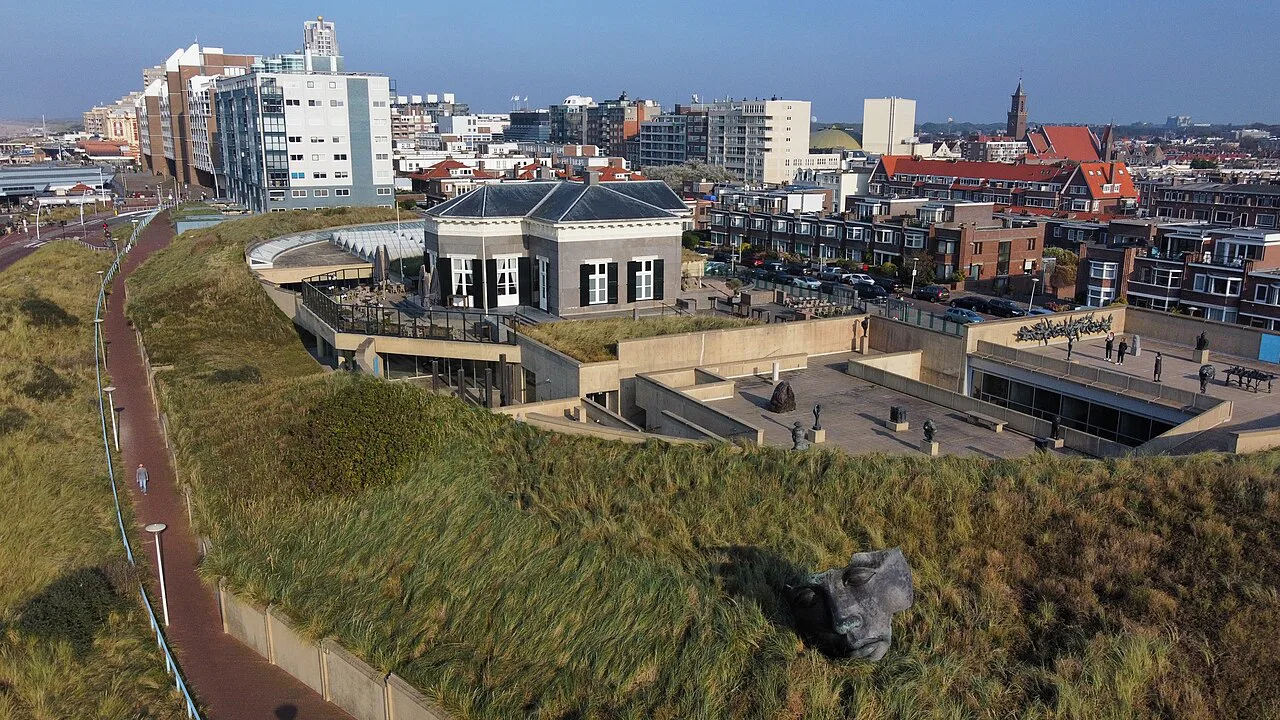
The museum stands at Leidsestraatweg 57, west of The Hague's historic centre, in a purpose-built building designed by the American architect Michael Graves. The collection grew from cars bought by the Louwman family, who began collecting in 1934 when Evert Louwman's father bought a 1914 Dodge, and it has since become one of the largest private car collections displayed to the public. Expect a large, multi-level hall organised around stories rather than a single chronological line.
The museum is not on the usual walking circuit with the Binnenhof and the Mauritshuis, so it costs you a journey rather than a stroll. That distance is the main trade-off: a half-day here is a half-day you cannot spend in the old centre, so decide early which you value more on a short break.

How to get there
Leidsestraatweg runs west from the city towards the coast, and the museum has parking for cars on site, so driving is an option. If you are staying in the historic centre, the distance is long enough that you need to choose transport deliberately; plan your route before you set out.
The museum is outside the walkable centre, so plan the connection in advance rather than assuming it is a stroll from the Binnenhof, and budget the journey time from the centre into your day.
Opening days and why the Monday closure matters
The museum opens on Sunday and from Tuesday to Friday, 10:00 to 17:00, and it is closed on Monday. That Monday closure is the single most useful fact for planning a short break, so check your dates before you build a day around it; the published hours do not list Saturday, so confirm any weekend visit with the museum.
A three- or four-day trip should place the Louwman on a Tuesday-to-Friday slot or a Sunday, not a Monday. If your trip starts on a Monday, use that day for the Mauritshuis or the old centre instead. Give the collection a clear morning and early afternoon rather than squeezing it in at the end of the day.
Tickets and the Netherlands Museum Pass
Standard tickets cost €20 for adults from 19 years old and €10 for children aged 5 to 18. Check the current ticket page for your dates before you travel.
The Netherlands Museum Pass is valid at the Louwman Museum, and the museum also sells passes on site. The adult pass costs €75, with young person and kids passes at €39, so it only pays off if you plan to visit several museums during your trip. If the Louwman is your only museum, buy a standard ticket instead.

What to see: three floors and the stories that hold them together
The upper floor covers the history of the automobile from the first cars onwards, the second floor turns to art and design inspired by motoring plus racing and show cars, and the first floor starts with the grand cars of the 1930s and includes Dutch heritage. That structure matters: if your time is short, choose the floor that matches your interest and give it proper attention rather than trying to see everything.
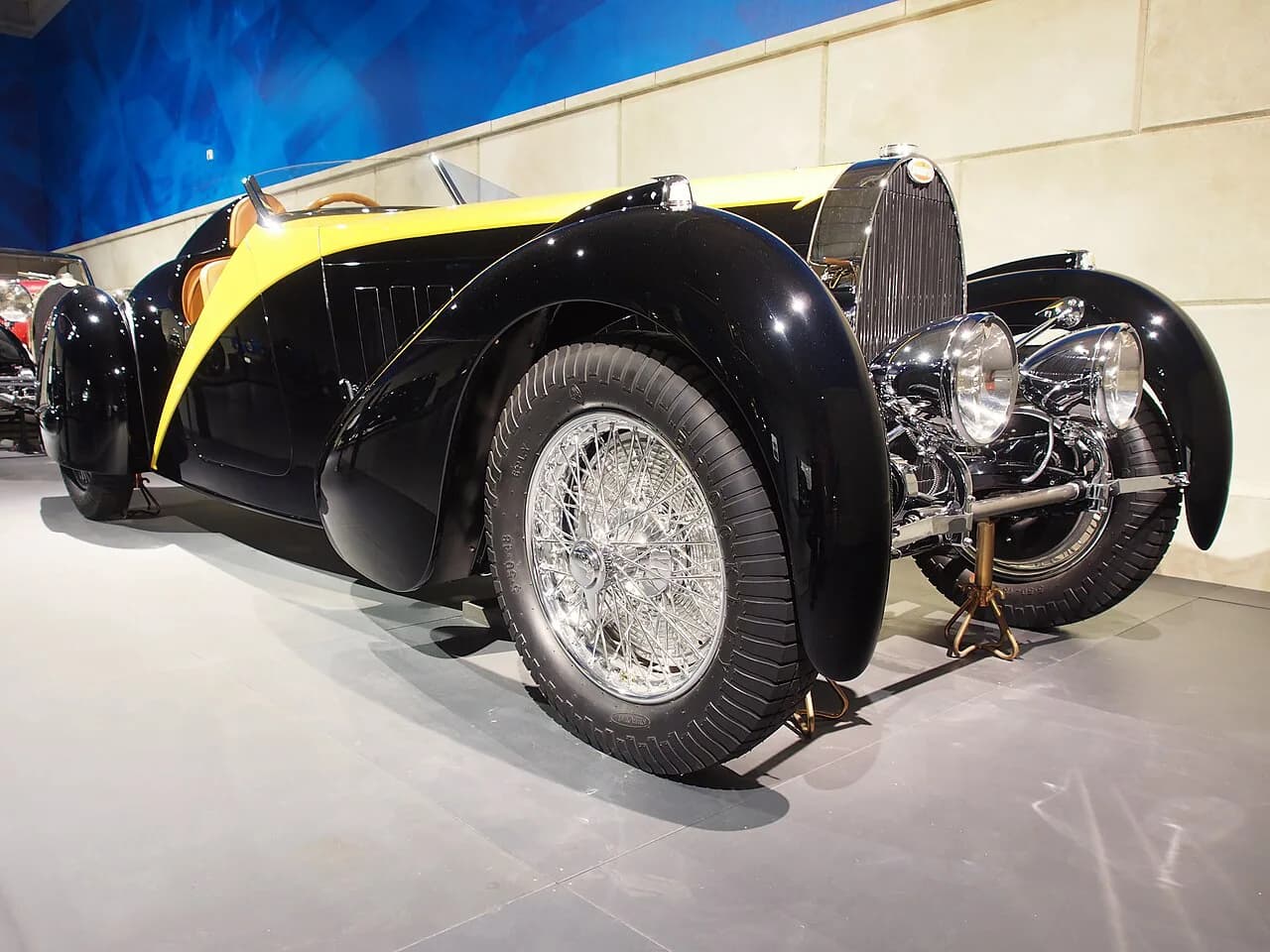
Across the museum, expect the earliest motor cars, film and celebrity cars, Le Mans winners and major racing machines. The collection is strongest where the car tells a story beyond engineering, which is why the film and racing cars reward closer looking than a straight walk past the bonnets.
Star cars to look for
Start with the earliest machines: an 1886 three-wheeler by Karl Benz, the first patented motor car, and an 1887 De Dion Bouton & Trépardoux that ranks among the oldest surviving vehicles. Then seek out the eccentric 1910 Brooke Swan Car, built for a wealthy buyer in Calcutta, and the original Aston Martin DB5 used in Goldfinger, one of only three surviving film cars.
Racing fans should look for the Jaguar D-Type that won Le Mans in 1957 and the Lagonda M45R that won there in 1935, along with the 1924 AC Racing Special. The celebrity-owner cars, including Elvis Presley's Cadillac Fleetwood and Winston Churchill's Humber Pullman, add a different kind of interest for anyone travelling with non-enthusiasts.
The Toyota story is the one people tend to remember: the oldest surviving Toyota AA is displayed here rather than in Japan, found in Vladivostok in 2008 after the model was thought extinct. That discovery story alone makes a worthwhile stop in the museum, so loop back to it if you start elsewhere.
The Dutch angle: Spyker and Eysink
The museum holds the largest collection of Spyker cars, a Dutch marque, alongside the only surviving car built by Eysink. These are the exhibits that make the museum Dutch rather than simply international, and they are easy to miss if you rush towards the famous racing cars and film cars.
How long to allow, and guided tour versus audio tour
Allow two to three hours for a solid visit and closer to half a day if you read labels and double back for the star cars. The building spans around 10,000 square metres of exhibition space, so trying to cover it flat out in an hour leaves you tired rather than informed. A lunch break partway also helps if you are visiting with children.
The museum offers three themed guided tours lasting at least 60 minutes each, in Dutch, English or German, covering the history of the automobile, racing art and design, or luxurious cars and Dutch heritage. Choose a tour only if you actually want your visit framed by a guide. Otherwise use the audio tour, which is also available on IZI Travel or Spotify, and move at your own pace.
Facilities on site
There is a restaurant, a museum shop and car parking on site, and the building is wheelchair accessible. Those facilities make it practical to spend a half-day here without leaving for lunch. It also means the museum works well as a wet-weather plan if the waterfront is a washout.
What to pair with a museum visit
If you have a car, Clingendael Estate elsewhere in the city gives you a calm contrast to the engines. Adding the Haagse Bos on the same day means more travel, so one museum is usually enough. In the centre, pair a different day with the Panorama Mesdag or the Kunstmuseum for a Hague break that mixes art and history.
For a broader picture of what else the city offers, from the Peace Palace to the Escher in Het Paleis, use The Hague Attractions: 12 Visitor Guides to plan the rest of your days. Most short breaks will combine a car museum half-day with a full day in the old centre and a morning by the waterfront.
Practical trade-offs: the journey, the Monday closure and the scale
Three things should decide whether you go: the trip to Leidsestraatweg, the Monday closure and the size of the collection. If you are in The Hague for one day only and want the old centre, skip the museum and walk the Binnenhof and Mauritshuis instead. If you have a spare morning and an interest in cars, it is one of the best reasons to leave the centre.
If you are visiting with children or non-enthusiasts, the star cars and the film and celebrity exhibits will hold attention better than the early technical models. Plan around those highlights first and treat the rest as bonus.
Is the Louwman Museum worth a half-day of your Hague trip?
Yes if you have a spare morning and genuine curiosity about cars, design or twentieth-century history. It is one of the largest car collections in the world, and the earliest machines, the film cars and the Spyker line make it worth the journey to Leidsestraatweg.
Plan it for Tuesday to Friday or a Sunday, check the published hours for Saturday before relying on it, sort out your ticket or Netherlands Museum Pass before you travel, and allow two to three hours. Pair it with a quiet afternoon elsewhere rather than trying to fit the whole old centre into the same day.
Explore more The Hague guides
Frequently Asked Questions
Is the Louwman Museum open on Monday?
No, the museum is closed on Monday. It opens on Sunday and from Tuesday to Friday, 10:00 to 17:00; the published hours do not list Saturday, so confirm any weekend visit with the museum.
How long should I spend at the Louwman Museum?
Allow two to three hours for a solid visit, and closer to half a day if you want to read labels and see the star cars. The floors cover distinct stories, so choosing one or two themes will make a shorter visit easier.
Can I reach the Louwman Museum without a car?
It is at Leidsestraatweg 57, west of the historic centre, so it is not a short walk from the Binnenhof. There is car parking on site; plan your connection from the centre in advance rather than assuming it is a stroll.