
Clingendael: The Hague's Country Estate and Japanese Garden

Clingendael is a freely accessible country estate between The Hague and Wassenaar, and half a day is enough to see it properly on foot. The park is open throughout the year, so it works as a green break on any day of a city break rather than a fixed-date attraction. This guide covers where the estate sits, how to reach it, what to look for along the paths, when the Japanese Garden opens and how to fit the visit around the rest of The Hague.
What Clingendael is
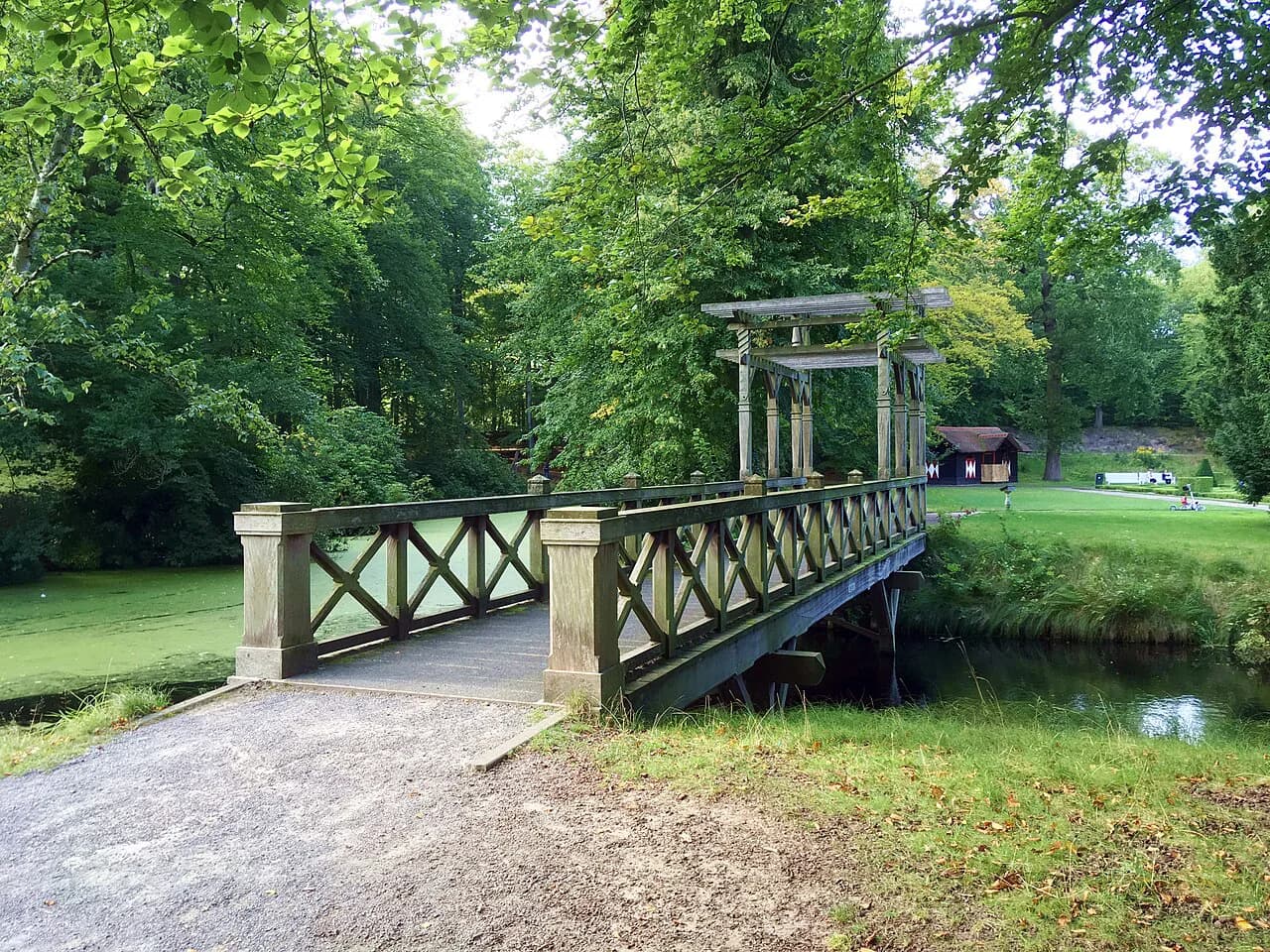
Clingendael is one of the Netherlands' most attractive country estates, a centuries-old property whose English landscape style is still legible in its trees, water and winding paths. A 16th-century farm stood here first; later owners replaced it with a country house and laid out formal French gardens before the Van Brienen family brought in garden architect Zocher in the 19th century. Zocher swapped symmetry for the English landscape look, and the large pond, islands, ditches and lawns with grouped trees date from that reworking. The estate is freely accessible all year round and sits at the northern edge of the city towards Wassenaar.
The last Van Brienen to live here, Marguérite Mary or Freule Daisy, stayed until her death in 1939 and is the reason the Japanese Garden exists. The family sold the estate to the municipality of The Hague in 1954, which opened it to the public. The country house was renovated in 1975 and has housed the Institute Clingendael since 1982. That makes this a park visit rather than a house tour: you come for the landscape, the gardens and the walking.
The name points to the valley between the dunes, which tells you what to expect: sandy soil, mature trees and a sheltered, low-lying feel rather than a flat city park. Because it is a working estate landscape rather than a manicured garden, the paths wander and the views open and close as you go. Plan on exploring rather than marching between fixed sights.

Where Clingendael is and how to reach it
The address is Clingendael 12a, 2597 VH The Hague, on the city's northern edge where it meets Wassenaar. That position makes it a natural stop on the way out of the city rather than a central sight, so slot it into a day when you are already heading north.
For a city break, the estate works best as a half-day on foot or by bike. The official page runs a distance tool for walking, cycling and public transport to the estate, which is the simplest way to plan the last leg from your base in The Hague. Check that tool before you set out, since approach routes from the centre vary.
What to see on the estate
Start with the landscape itself: the large pond, the islands, the winding footpaths and the lawns with their groups of trees. These are the elements Zocher designed, and they are what give Clingendael its calm, slightly English feel. The estate also has large playing fields, which makes it unusually family-friendly for a historic park.
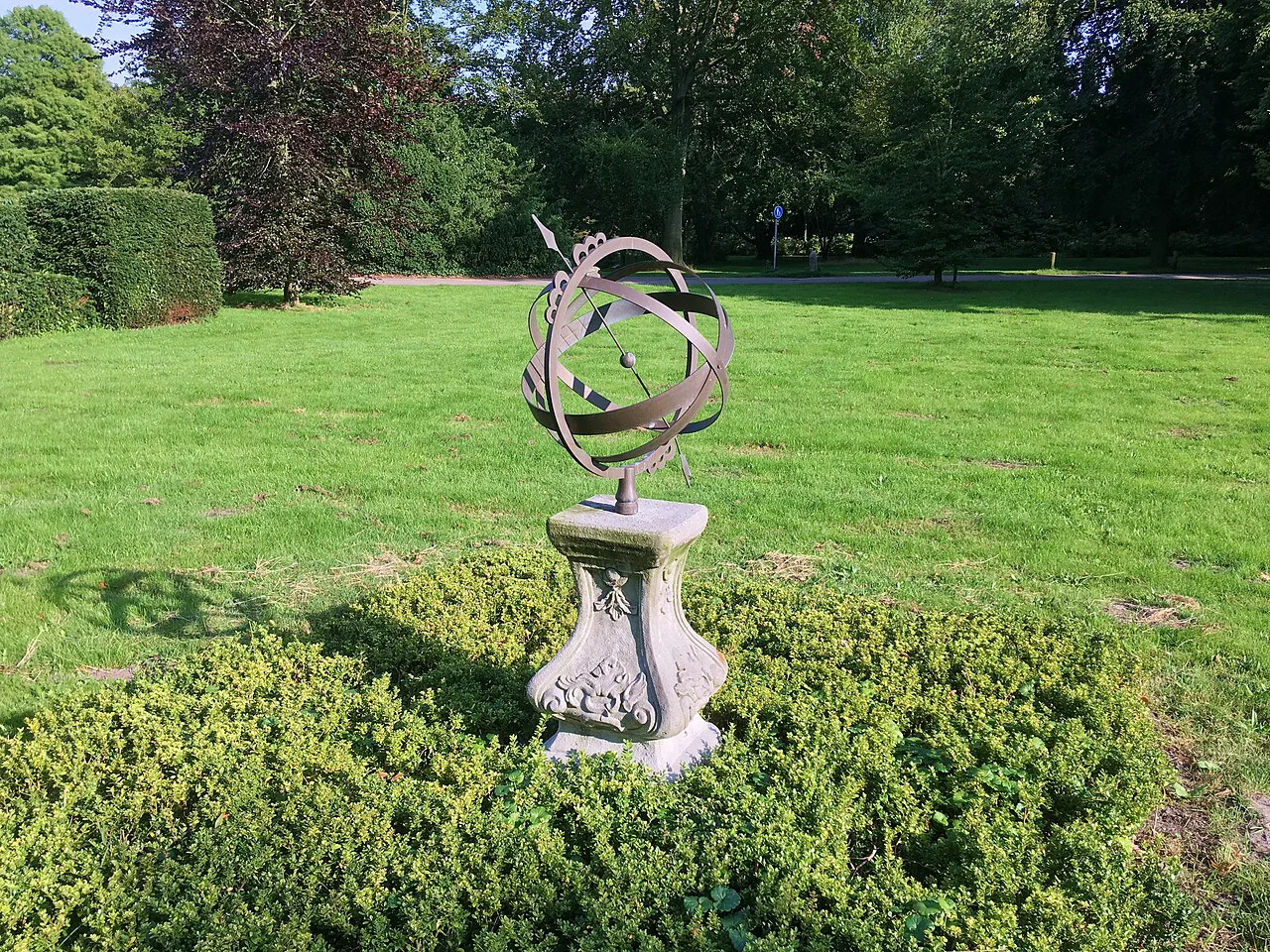
Beyond the main park you pass several smaller pieces of garden architecture. There is an Old Dutch Garden with box hedges and flower beds, laid out in the early 20th century and inspired by 17th-century garden art, and the Star Forest. The snake wall once sheltered peaches, apricots and pears and is one of the few surviving Dutch examples of its kind. Keep an eye out for the farmhouse and the teashop as you walk.
The mysterious-looking brick structure on the estate is a wartime command bunker, camouflaged as a farm building with partly painted brickwork and a steep saddle roof. It has been a national monument since 2015. It is a feature you notice on a walk; there is no interior visit promised.
The Japanese Garden and when it opens
The Japanese Garden is the estate's showpiece and the reason many visitors come. It dates from around 1910, making it the only Japanese garden in the Netherlands from that period, and at 6,800 square metres it is also the largest in the country. It was created in the time of Freule Daisy and holds rare trees and plants that are fragile enough to need protection from foot traffic.
That fragility is why the garden opens only for a short window in spring, in May and June, and again in October. The dates shift from year to year, so confirm the current window before building a trip around it.
Build your day accordingly. If you are in The Hague outside those windows, treat Clingendael as a landscape walk and don't promise anyone the Japanese Garden. If your dates fall inside a window, go early and pair the garden with the rest of the estate so the trip still works if the garden is busy. The estate page carries a Japanese Garden calendar listing the days it opens.
Walking routes and how much time to allow
Clingendael is a walking park first. Most paths are paved, which makes the estate genuinely accessible for wheelchair users and prams, a rarity among historic landscape gardens. Two marked routes of different distances are laid out, so you can choose a short loop or a longer circuit depending on your time.
Allow a relaxed half-day for a loop with stops: the tearoom, the Old Dutch Garden and a wander to the pond add up. The terrain is easy, but the estate is large enough that a quick dash misses the point. Comfy shoes matter more than hiking gear.
The tearoom and practical stops
The former lodge house now holds a tearoom, which the estate presents as the starting point for a walk or bike ride. There is a children's menu and a play corner, water for dogs, and a terrace that opens in good weather. It is the obvious place to begin or end a circuit.
What Clingendael is not
Searchers often confuse the park with the Clingendael Institute, the international relations think tank and academy that is based on the estate itself, at Wassenaar on the municipal border with The Hague. That is an institution rather than a tourist sight, so come for the landscape, gardens and walking.
Nearby sights and fitting Clingendael into a day
Clingendael sits in the green northern belt of The Hague, which makes it easy to pair with other outdoor stops. See our Haagse Bos guide for the city's central woodland, or the Scheveningen pier for the North Sea side on a different day.
If you want a museum alongside the walk, the Mauritshuis in the city centre holds the Girl with a Pearl Earring and is the obvious headline collection. The Peace Palace, The Hague is a short trip from the centre and pairs well with a morning in the city before an afternoon at Clingendael.
For a wet-weather alternative, the Kunstmuseum Den Haag and the Escher in Het Paleis both keep you indoors, and the Panorama Mesdag offers a very different kind of landscape from Clingendael's. Swap them in if the weather turns rather than forcing a park visit.
Is Clingendael worth the trip north?
Yes, if you want a calm, free half-day of walking and you are in The Hague for more than a day. It is less compelling if your trip is a single museum-heavy day, in which case the Mauritshuis and the centre will serve you better.
The deciding factor is the Japanese Garden. If your dates fall inside the May–June or October windows, build the day around it; otherwise go for the landscape, the tearoom and the easy paved paths. Confirm the current dates before you commit, and keep the rest of the day flexible.
Explore more The Hague guides
Frequently Asked Questions
Is Clingendael free to visit?
Yes. The estate is freely accessible throughout the year, with no entry charge to walk the park.
What are the opening times for Clingendael Park?
The park is freely accessible throughout the year, so it is not tied to seasonal museum-style hours. If you plan an early or late arrival, check the estate's own page beforehand.
Can you cycle through Clingendael?
Clingendael is laid out as a walking park, with marked walking routes and mostly paved paths. The tearoom is described as a starting point for a walk or bike ride, so cycling is one way people reach and use the estate.