
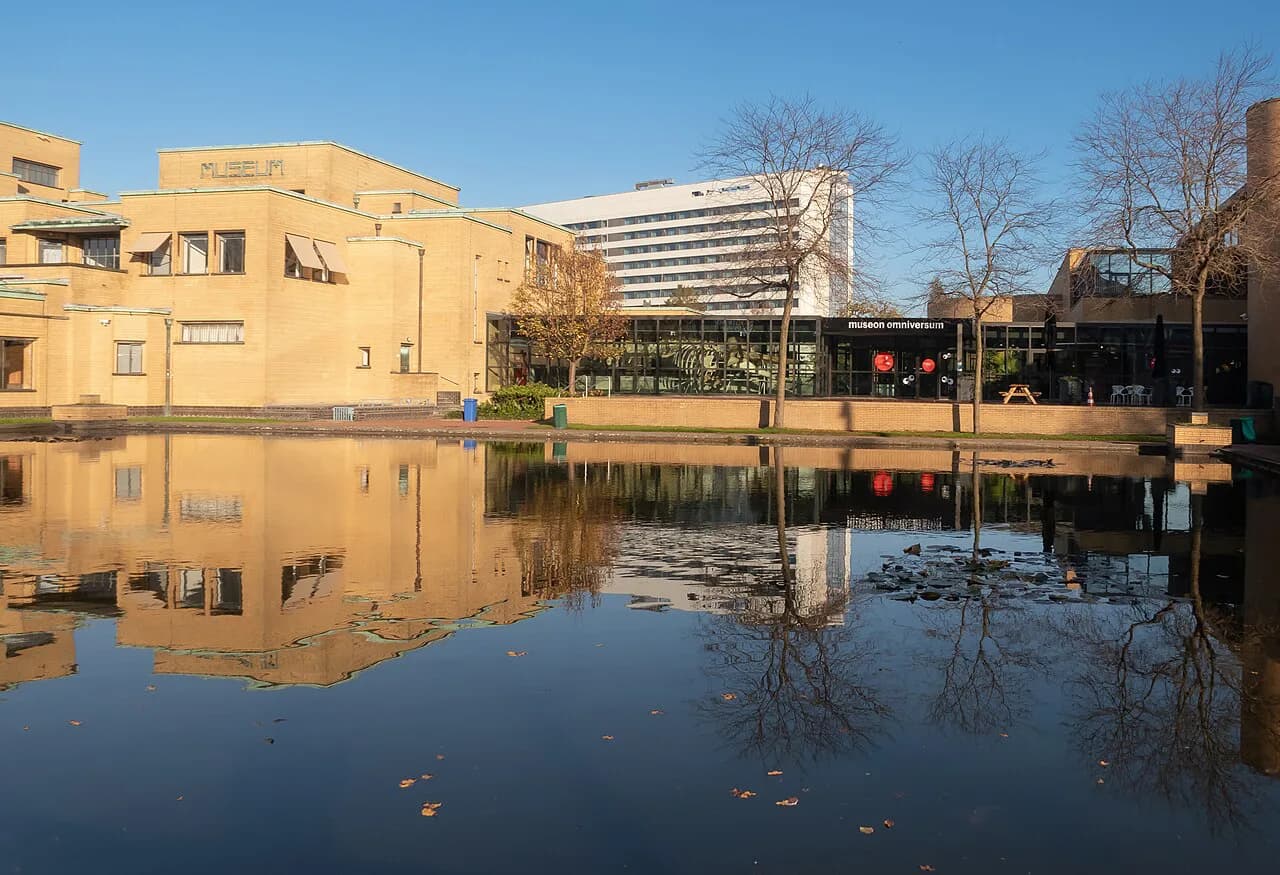
Kunstmuseum Den Haag: Visiting The Hague's Modern Art Museum

Allow two to three hours for Kunstmuseum Den Haag, and treat it as the anchor of a half-day on the western side of the city rather than a quick stop. The museum holds the world's largest collection of Piet Mondrian's work, from early landscapes through to Victory Boogie Woogie, all inside Hendrik Berlage's landmark building. This guide covers where the museum sits, how to get there, which rooms deserve your time and how it slots into a one to four day Hague itinerary; The Hague Attractions: 12 Visitor Guides sets out the wider choice of sights.
What the Kunstmuseum Den Haag is and why it earns a slot
The Kunstmuseum, formerly the Municipal Museum, is one of the largest art museums in the Netherlands, spanning classical and modern work under one roof. Alongside paintings it holds decorative and applied arts, historical and modern fashion, and a collection of musical instruments, so a visit covers far more ground than a single-artist pilgrimage. On a short break that means one ticket buys you several distinct collections, which is efficient when you have two or three days in the city.
The Hague's museum landscape is broad, with the Mauritshuis covering Dutch Golden Age painting and the Kunstmuseum carrying the modern story. If you are choosing between them on a tight schedule, the Mauritshuis suits travellers who want Rembrandt and Vermeer in a compact historic setting, while the Kunstmuseum rewards anyone interested in how abstraction developed. The Hague Attractions: 12 Visitor Guides sets out the wider choice if you want to compare before committing a morning.
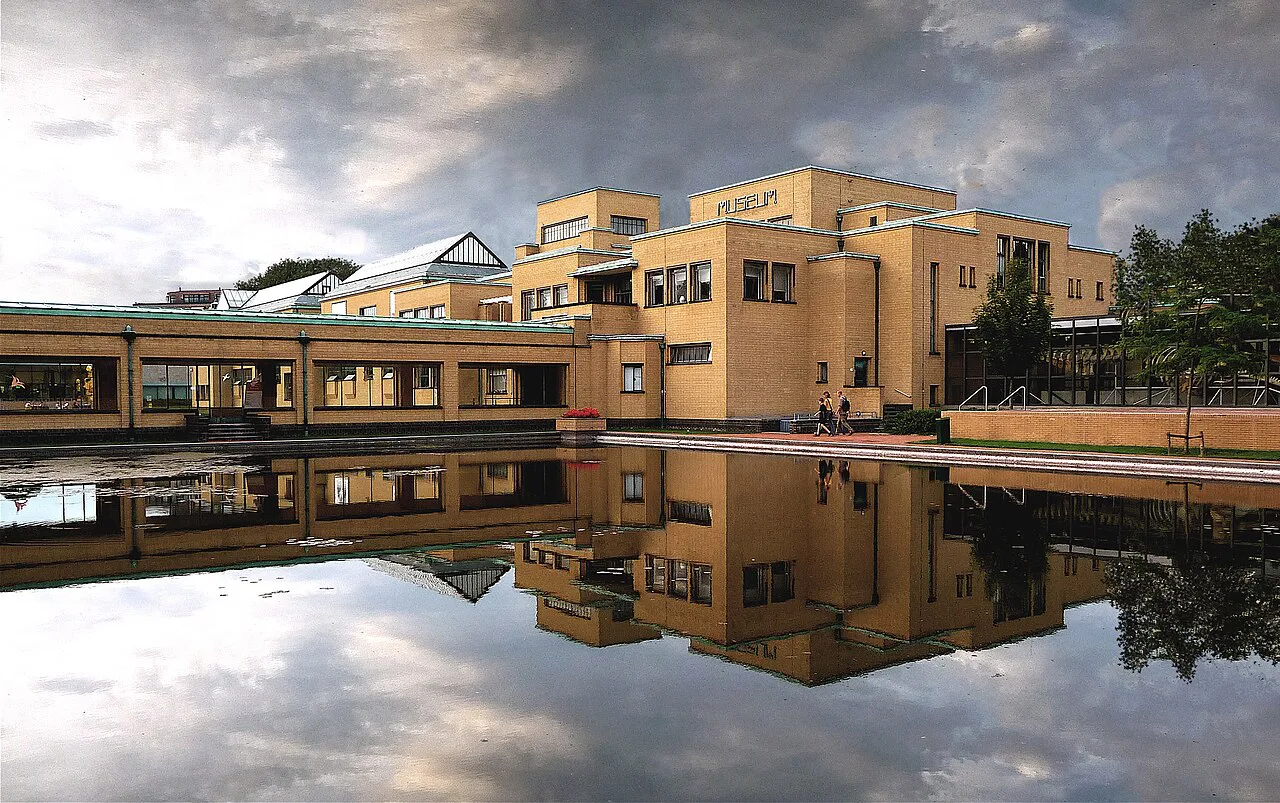

Where the museum sits: Stadhouderslaan 41
The museum stands at Stadhouderslaan 41 in the western part of The Hague, making it easily reachable on public transport from the central station. This is not the Binnenhof end of town, so plan it as a separate trip on the tram rather than something you fold into a walk between the Hofvijver and the Noordeinde.

Getting there by tram, bus or bike
Trams and buses run from Den Haag Centraal to the Gemeentemuseum/Museon stop, which sits immediately by the museum entrance. Cycling is a realistic alternative, since The Hague's infrastructure is flat and the museum has bike parking by the entrance. Whichever you choose, the journey from the central station takes a short ride rather than a long cross-city trek.
The Mondrian collection: a chronological route
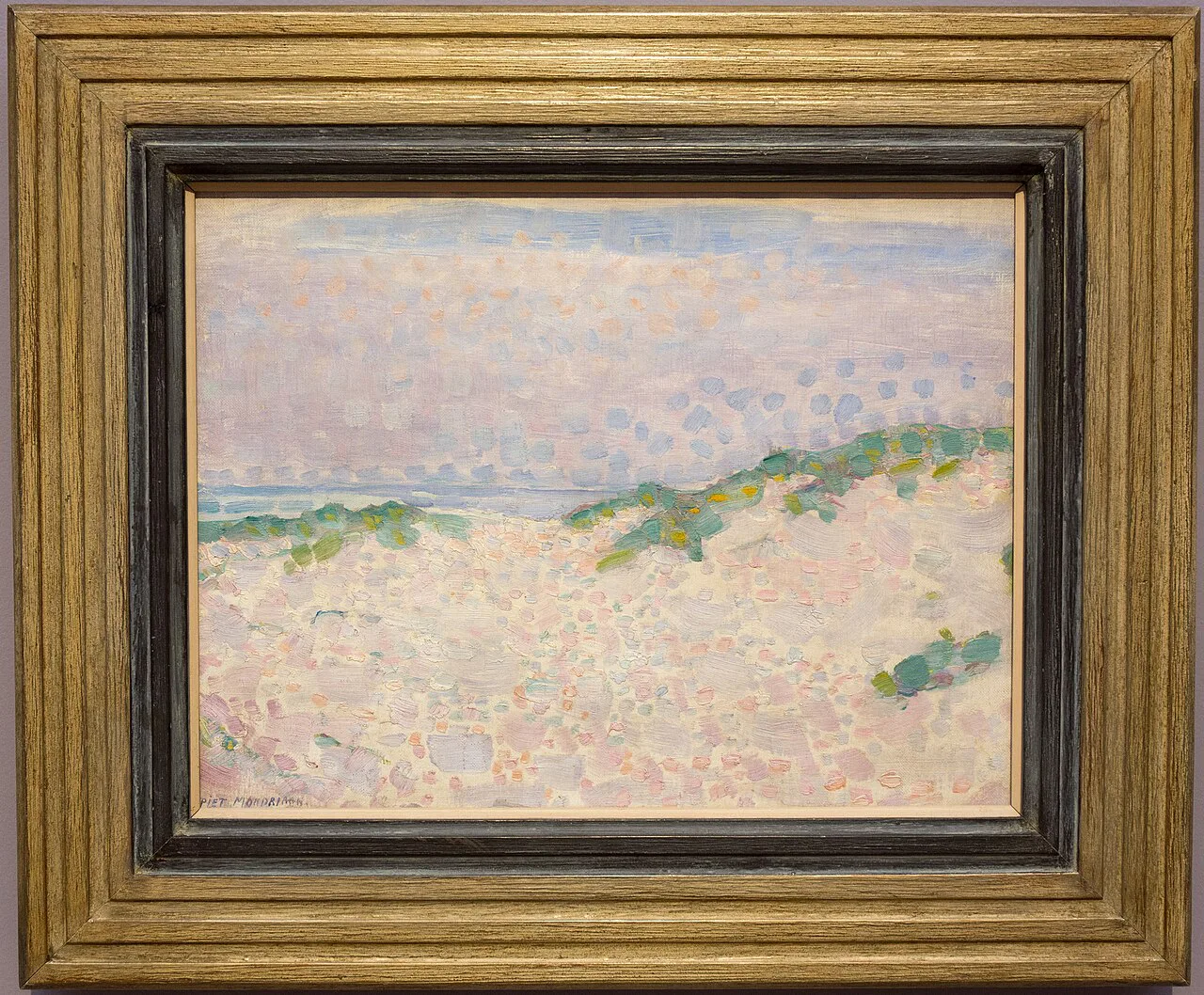
The museum's signature holding is the world's largest collection of Piet Mondrian, tracing his path from early Dutch landscapes through to the abstract grids he is known for. Victory Boogie Woogie is among the highlights of the Mondrian rooms, showing where his thinking was heading. Walk the rooms in chronological order rather than hunting the famous canvas first, and the abstraction reads as a logical progression instead of a sudden leap.
Budget an hour for the Mondrian rooms alone if you want to follow the sequence properly. The early landscapes give context to the later grids, and skipping them makes the abstract work feel abrupt, so start at the beginning of the run when you have the time.
Inside the Berlage building
Hendrik Petrus Berlage designed the building, and it is a milestone of early twentieth-century architecture in its own right: brick and strong geometry that suit the collection. Berlage's initial design was rejected as too costly before a workable version went ahead, which is worth knowing when you look at how the building came together. Give yourself a few minutes in the entrance and stair halls rather than walking straight past them.
Beyond paintings, the collection covers decorative arts, fashion across historical and modern periods, and musical instruments. These rooms work well as a change of tempo between painting galleries, and they are a sensible choice if you are visiting with someone who tires of wall after wall of canvases.
Temporary exhibitions and what they change
The Kunstmuseum stages large temporary exhibitions alongside the permanent collection, covering contemporary art, photography and design, so each visit covers a different mix. Check the programme before you travel and decide whether the current show justifies a longer slot, because a major exhibition can easily add an hour.
How long to allow, and pairing it with the Museumkwartier
Two to three hours covers the Mondrian route, the Berlage building and a sweep through the decorative arts, with a temporary exhibition pushing you towards three. The surrounding Museumkwartier gathers several of the city's collections within walking distance, so it is easy to build a full day on the western side of town around the museum. If you would rather keep the day lighter, do the Kunstmuseum properly in the morning and spend the afternoon outdoors instead.
Tickets and opening days
Ticket prices, opening hours and closing days change with the season and exhibitions, so confirm current details on the museum's official website before you set out; the same applies to whether a timed slot is needed for a particular show. Buy or reserve ahead for a popular temporary exhibition, when same-day entry can be the thing that catches people out.
What is nearby: Panorama Mesdag and the wider city
The Kunstmuseum sits in the Museumkwartier, the quarter that gathers several of the city's collections within walking distance of one another. The Panorama Mesdag, with its 360-degree painting of Scheveningen, is the other museum that rewards a deliberate detour — it is in the city centre rather than beside the Kunstmuseum, so plan it as a separate stop. Farther out, Scheveningen as a district gives you a completely different afternoon if the art has run its course.
The Peace Palace, The Hague, on the other side of the city centre, is the natural second stop for anyone building a themed day around art and international justice. Planning that as a separate half-day keeps both visits unhurried, rather than squeezing two substantial sights into one afternoon.
Is the Kunstmuseum worth a half-day of a Hague break?
Yes, provided you give it a proper half-day and go for the Mondrian collection rather than treating it as a filler stop between the historic centre and the coast. Two to three hours, reached by tram or bike to the Gemeentemuseum/Museon stop, makes a coherent morning or afternoon without eating your whole trip. If your Hague break is one or two days and you have to choose, decide between this and the Mauritshuis on which period interests you more, and let the other wait for next time.