Is The Hague Expensive? A Short Break Budget Guide
Is The Hague expensive? What a short break costs in euros, which sights are free, and where a traveller's budget actually goes on a one to four day visit.
On this page
The Hague is not an expensive city break by Dutch standards. Expect it to sit below an Amsterdam weekend and roughly in line with a mid-sized UK city break once you have paid for travel and a room. This guide covers where the money goes on a one to four day visit, which parts of the city cost nothing, and the trade-offs that keep a short break affordable.
There is an important distinction to hold on to: published monthly figures for The Hague describe what it costs to live here, not what a visitor spends. A monthly living-cost comparison puts The Hague modestly above neighbouring Rijswijk once rent and utilities are counted, which tells you the city is no budget outlier locally. Holiday spending is a different sum entirely, driven by your room, your museum choices and how often you take a tram versus walk.
Short answer: The Hague compared with Amsterdam and with a typical UK city break
Of the big Dutch cities, The Hague is the comfortable middle. It is cheaper than Amsterdam, where living costs run several hundred euros a month higher for the same lifestyle, and national cost bands for Dutch cities give a useful sense of everyday spending. For a two or three night break, any gap shows up mostly in accommodation rather than in museums or coffee.
Against a UK city break, The Hague lands in familiar territory for everyday prices: a cappuccino at around €3.90 against a budget restaurant meal at around €19.75. Expect the travel and the room to dominate a British traveller's budget rather than Dutch pricing. If you are coming from London, the train and hotel will decide the total; once you are here, the city is easy to do cheaply.
What the numbers say: living costs, not holiday costs
The most detailed local price picture available is a monthly cost-of-living comparison between The Hague and Rijswijk. It puts a single person's monthly outlay in The Hague in the region of €2,550 against about €2,410 in Rijswijk, with rent and utilities accounting for most of the difference and groceries the next largest gap. Treat these as indicative living costs rather than a visitor's budget: they include rent, utilities and a salary context that has nothing to do with a three-night stay.
National budget ranges for 2026 are a more useful sanity check for what a Dutch city costs day to day: rent, utilities, groceries and transport are all quoted as monthly bands, and the same lifestyle is around 700 euros a month cheaper outside Amsterdam. The Hague sits in that outside-Amsterdam group, so its everyday prices follow the lower band rather than the capital's. Use the figures as context for how far your money goes, not as a forecast for your trip.
Getting around: walking, trams and the coast
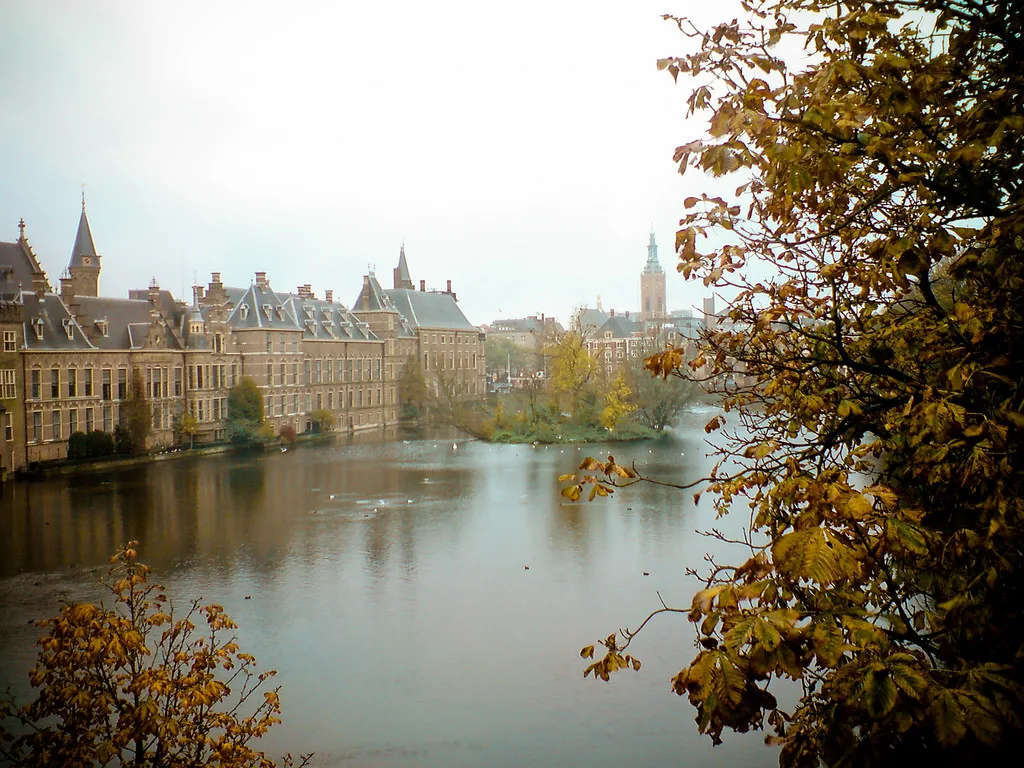
The Hague's centre is compact enough that most of a short break happens on foot. The Binnenhof, the Hofvijver, the Plein and the Grote Markt sit within a few minutes of each other, so a morning of sightseeing costs nothing in transport. Save the tram for the coast run to Scheveningen, which is the one journey most visitors make by vehicle rather than on foot.
If you do use public transport, buy per journey when you are making just one or two trips. A single public transport ticket in The Hague is priced at just under four euros, so paying per ride is fine for occasional use but adds up across a full day. Walking between the centre and the Scheveningen district is possible but long; the tram is the sensible spend.
The free city: squares, canals and streets that cost nothing
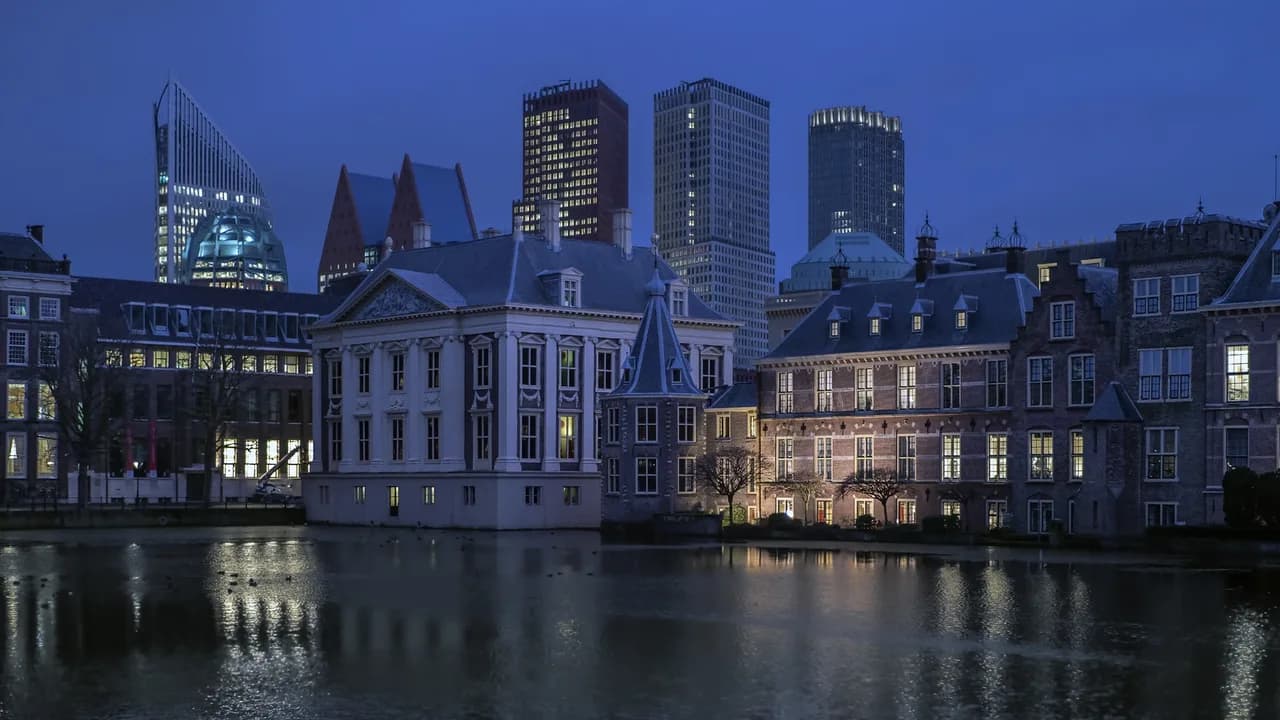
The Hague's best free morning is built around the Binnenhof from the outside, the Hofvijver beside it, and the Plein and Grote Markt squares that frame the old centre. Add the Noordeinde Palace area and the streets around it, and you have a half-day of walking without a single ticket. The one-day itinerary sets out that walking plan, and these are the places that make it competitive with a museum-heavy day on cost.
Scheveningen is the other free anchor: the district, its pier area and the seafront walk cost nothing to wander, and the coast tram drops you there from the centre. Treat it as a district to explore rather than a beach day, and it fills an afternoon for the price of a tram ticket. Pairing the centre on foot with a Scheveningen afternoon is the cheapest full day in the city; The Hague Itinerary shows how to slot that day in.
Paid sights worth the money: museums
The Mauritshuis is the one paid sight most short-break visitors should budget for: it holds the collection people come to The Hague to see, and it sits right beside the Hofvijver, so it slots into a walking day without extra transport. Escher in Het Paleis is the second strong pick, smaller and quicker, and a good half-museum if you are watching the budget. Choose one of these rather than both if you want to keep the trip cheap.
Beyond those two, the Kunstmuseum Den Haag is the larger, more time-hungry option and works best on a longer trip. A sensible rule for a two or three day visit is one major museum plus one smaller one, with the rest of the time on foot. That balance keeps the ticket line on your budget small while still giving you the city's best indoor sights.
Coffee, lunch and dinner: what everyday spending looks like
The city's everyday prices are moderate for the Randstad. A cappuccino is around €3.90, a budget restaurant meal is around €19.75, and a three-course dinner for two at a mid-range place sits at about €79 in total. Those figures come from the local cost comparison and are indicative rather than a fixed price list.
Where you can trim without losing anything is lunch. A supermarket picnic on the Hofvijver or in a square costs a fraction of a sit-down lunch, and it leaves more room in the budget for one good dinner. Coffee is the other easy saving: one takeaway coffee a day rather than two café stops keeps the daily total noticeably lower.
Where the budget actually goes on one, two, three and four day trips
On a one day visit, almost all your spending is a single museum ticket, a couple of coffees and one meal; transport is close to zero because the centre is walkable. Two days adds a Scheveningen tram return and a second meal out, and that is the sweet spot for cost versus content. Three days brings in a second museum and a slower lunch, while four days is where the budget creeps up because you start filling time with paid attractions rather than walking.
The trade-off is straightforward: one big museum plus a lot of walking nearly always beats three museums and a string of taxis, both in cost and in how much of the city you actually see. If you are working out how to split the days, our guide to how many days in The Hague sets out what each length covers before you commit to tickets.
Ways to spend less without cutting the good bits
Pick one paid museum, walk the centre, and use the coast tram to Scheveningen rather than a taxi. Plan your one main meal out carefully rather than adding extra sit-down meals, and take the free squares and the Hofvijver as your morning rather than a paid tour. These choices alone take a big bite out of a short-break budget without removing anything memorable.
Book your room early and outside the busiest weeks, because accommodation is the biggest line in a short break and the one you can move most. For the rail side of the trip, our London to The Hague notes cover how the journey connects into Den Haag Centraal, so you can weigh train versus flight on price before you commit.
Money mistakes on a first visit
The two that cost most are over-booking museums and leaving the city to chance. Plan one paid museum and check its own site for days and timings before you build an itinerary around it. Build a Monday arrival around walking the squares rather than scheduling it tightly.
The other easy mistake is treating the monthly living-cost figures as your holiday budget: your room, your museum choices and your tram use are what actually decide the total, not someone else's rent. Keep the comparison in its proper place as context and plan around the costs you can actually control.
One museum, a lot of walking: the cheap version of The Hague
The Hague is a mid-priced city break rather than a cheap or an expensive one, and the version most travellers enjoy most is also the cheapest: one strong museum, the free squares and the Hofvijver, a coast tram to Scheveningen and a single good dinner. That plan keeps the daily total modest without feeling like a compromise.
If you are still weighing whether the city fits your trip, our answer to is The Hague worth visiting covers the honest case for and against a short break here. Once you have decided, The Hague Itinerary puts the days in order.
Explore more The Hague guides
Sources
Notes for your next Dutch city break
Optional updates to our Netherlands guides.
You might also like
Continue reading
More guides you'll find useful