London to Groningen: Train, Flight and Ferry Options Compared
Compare the ways to reach Groningen from London: rail with a change, indirect flights to Eelde and North Sea ferry crossings, with journey times and trade-offs.
On this page
Groningen is reachable from London, but no route is quick: plan on most of a day travelling and treat arrival day as a travel day rather than a sightseeing day. Rail is a realistic option with changes, flights to Groningen Eelde are normally indirect, and a North Sea ferry adds a night at sea. This guide sets out each routing, what it costs and how it fits a short break.
The choice comes down to how much of your break you are willing to spend in transit. A two-night trip rewards the fastest routing you can book; a longer stay makes the slower, cheaper combinations easier to justify, and a three-night stay fits the A Weekend in Groningen pace well.
Which route to Groningen suits a short city break
For a two- or three-night break, rail via Amsterdam is the default for most travellers: London to Amsterdam on Eurostar, then an onward train to Groningen, with changes in the Netherlands. The trade-off is a long day on trains and a fare that rises as departure approaches. If you can only spare a weekend, book the outbound leg early and keep the return late on your final day.
Flying looks faster on paper but rarely is door to door, because London has no regular scheduled service to Groningen Eelde. You will connect through a hub, adding check-in, security and a wait. For a one-night stop, that overhead can swallow the advantage entirely.

By train: London to Groningen via Amsterdam
Rail means taking Eurostar from London St Pancras International towards the Netherlands and then an onward train to Groningen, with at least one change of trains. NS International's own Groningen–London route page shows two changes on that journey, so the interchange is something to plan around rather than a single easy switch. Allow time for it, and if your travel planner needs a starting frame for the days, the Groningen Itinerary lays out a sensible order.
NS International publishes a fastest journey of 7 hours 9 minutes between Groningen and London, arriving at London St Pancras International, and the same figure applies in reverse. That is platform to platform, so add the time to reach St Pancras and to get from Groningen station to your accommodation. Because the fastest published seats sell first, book the long leg as early as your dates allow.
What the train costs and how far ahead to book
NS International sells the Groningen–London route from €66 one way, and its own guidance is that prices are lower when you book in advance. Treat that as a starting fare rather than a typical one: the cheapest seats on any given date sell first, and a Friday evening or Sunday return costs more than a midweek departure. Booking several weeks out is the single biggest saving available on this route.
Advance fares can tie you to a specific train, so build a comfortable buffer at the interchange rather than a tight connection, and check the conditions of your ticket before relying on a later departure.
By air: London to Groningen Eelde and why indirect routings are the norm
Groningen Eelde (GRQ) is the city's airport and sits about 6.9 miles from the centre. Gatwick has no airline operating the route on a regular basis, so a London departure normally means connecting through another European hub, which is why flight times look longer than the map suggests. Compare total door-to-door time, not the airborne portion.
The cheap fares advertised for Gatwick–Eelde are user-search deals and change constantly; they are not a published fare you can rely on. Search your own dates and read the connection times carefully, because a short layover with a low-cost carrier can leave you rebooking at your own expense. Once you land, a bus or taxi covers the short run into the city.
Combining a flight into Amsterdam with the onward train
A practical middle path is to fly from London to Amsterdam Schiphol, then take the train north to Groningen. Schiphol has its own railway station, so the onward train can be joined at the airport rather than by crossing into Amsterdam first. The flight is short and frequencies are high.
Allow a comfortable buffer between landing and your booked train if you have hold luggage, and check whether your airline sells a through ticket that covers the rail leg. Bags stay with you on the train, so a single compact case is far easier than a large suitcase on a busy service.
By ferry: North Sea crossing plus rail or road onward to Groningen
A ferry crossing turns the journey into an overnight, which suits travellers who would rather sleep than sit up. The crossing lands in the Netherlands and then needs a further stage by rail or coach, adding a second travel stage to the trip. That extra stage is the trade-off: a ferry is rarely quickest, but it can be the most relaxed way to arrive.
Sailing times and fares change by season, so check the crossing against your intended rail connection before committing, and confirm the onward leg separately rather than assuming a through ticket exists.
Journey times at a glance: train, plane, ferry
Train: NS International publishes a fastest Groningen–London journey of 7 hours 9 minutes, platform to platform, plus local transfer time at each end. Plane via a hub: a short flight plus a layover, typically longer than the train once you add airport time at both ends. Ferry plus rail: a crossing plus a rail or coach leg, best counted in nights rather than hours.
Door-to-door is the only fair comparison. A quickest figure of about 6¼ hours from central London to Groningen appears in route-planning tools, but it says nothing about how full your day already is before you set off.
Trade-offs: cost, total door-to-door time, luggage and flexibility
Rail gives you a fixed seat, room for a sensible amount of luggage and a city-centre arrival at Groningen station. Its weak point is the fare on late bookings and the concentration of risk in one long day. Flights can be cheaper on the headline number but rarely beat rail on total time or baggage simplicity.
Think about what your trip is for. If the point is three days of canal-side walking and cycling, buy the fastest routing you can afford. If you want to see the Dutch landscape pass by, the train through the northern provinces is part of the trip rather than dead time.
Arriving in Groningen and getting to the city centre
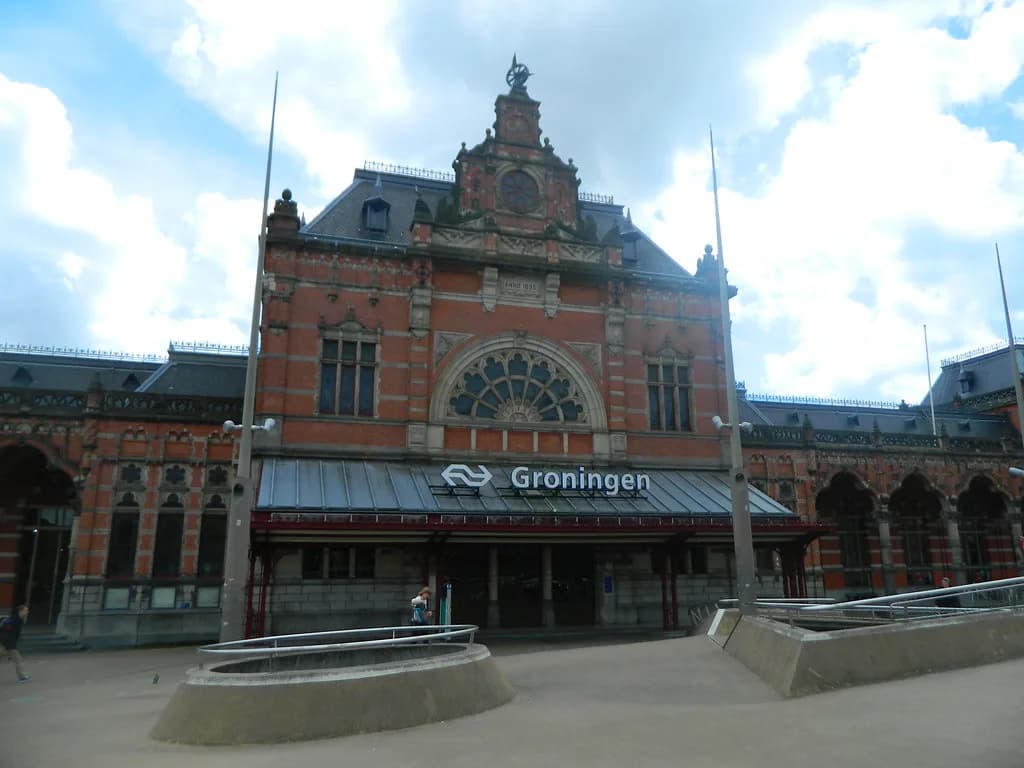
Groningen station is the arrival point for the rail option, and from there the compact historic centre is walkable for most travellers. From the airport a local bus covers the run into town. Once you are in the centre, hire a bike or walk; the historic core is well suited to cycling.
Buy any onward transport ticket after you have landed or arrived, since timings vary with the day you travel. If your accommodation lets you drop bags early, head straight into the centre and start with a canal-side walk to shake off the journey.
How many days in Groningen the journey justifies
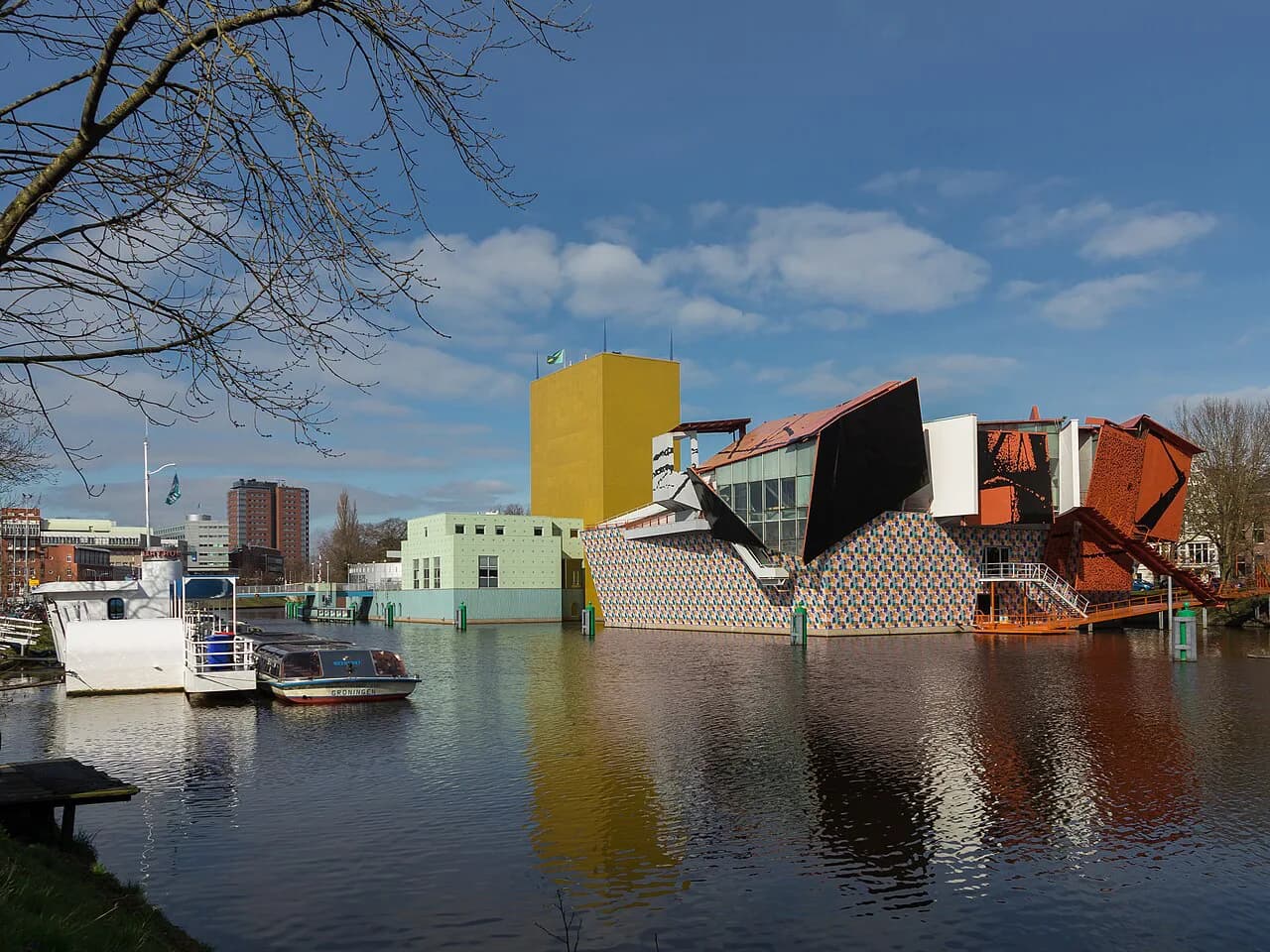
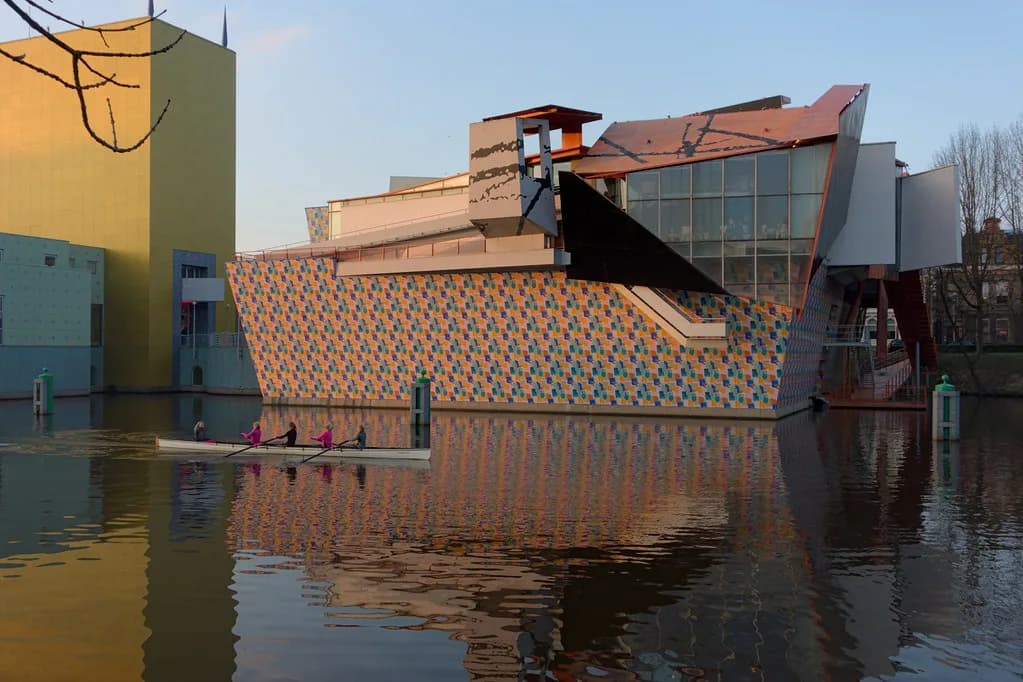
With a full day lost at each end to travel, a one-night trip leaves too little time to justify the journey. Three nights is the realistic minimum: one travel day in, two full days, then a travel day out. That gives you time for the Groninger Museum, a walk along the canals and a bike loop out of the centre.
If you are comparing destinations on a short break, weigh the travel time as part of the destination's cost. A trip that looks cheap on fares can still be poor value if two of four days are spent in transit.

Book the train or fly through a hub?
Book the train if you want a predictable, single-day journey with your bags beside you and a city-centre arrival. Fly only if a hub connection works out cheaper on your dates and you are happy to lose a chunk of a day to airports.
Whichever you pick, book the long leg first and build the rest of the break around it. Then use the time you save to plan the days themselves rather than the route.
Explore more Groningen guides
Frequently Asked Questions
Does Groningen have an airport?
Yes. Groningen Eelde (GRQ) handles the city's air traffic and lies about 6.9 miles from the centre. Gatwick has no airline operating the route on a regular basis, so a London departure normally involves a connection through another hub, which is why flight times look longer than the map suggests. Compare total door-to-door time before booking.
How long does the train from London to Groningen take?
NS International publishes a fastest journey of 7 hours 9 minutes between Groningen and London, arriving at London St Pancras International, and the same figure applies in reverse. That figure is platform to platform, so add the time to reach St Pancras and to get from Groningen station to where you are staying. The route involves changes, so allow a comfortable buffer at the interchange.
Is Groningen worth the journey from London?
It is worth considering if you give it several nights. The travel eats much of a day at each end, so a one-night stop leaves almost no time in the city. With two full days you can cover the compact centre on foot and by bike, see a museum and still have time along the canals; the Groningen Itinerary maps out that shape of trip.
Sources
Notes for your next Dutch city break
Optional updates to our Netherlands guides.
You might also like
Continue reading
More guides you'll find useful