Is Groningen Worth Visiting? An Honest Answer for a City Break
Yes, Groningen is worth visiting for its bold museum, climbable Martinitoren and student energy. Here is who it suits and how many days it needs.
On this page
Yes, Groningen is worth visiting if you want a lively northern city with a striking museum, a tower you can climb and enough student energy to fill an evening. It is a focused one- or two-day city rather than a long weekend of canal-ring sightseeing. This guide sets out what the city does well, its quieter corners, who it suits, and how to structure the days.
The honest trade-off is architecture. Much of Groningen's historic centre was lost in the Second World War, so the city does not offer the dense golden-age canal ring you find elsewhere in the Netherlands. What remains is a walkable centre with strong individual sights, a large student population and a modern edge that many visitors prefer to a museum-ticking checklist.
What Groningen does well: museum, tower and squares
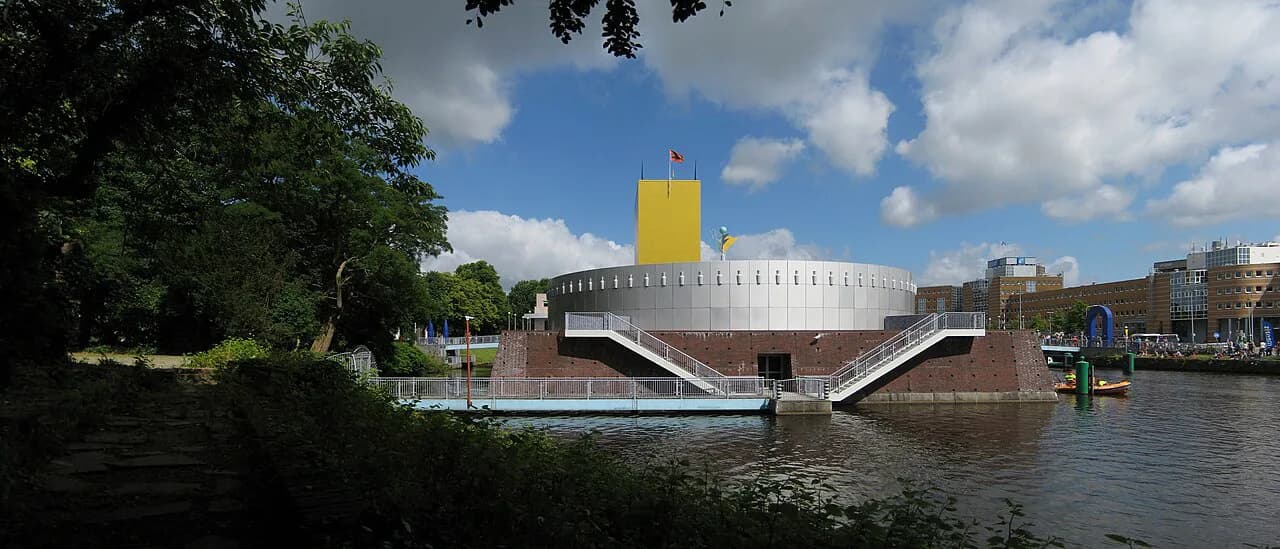
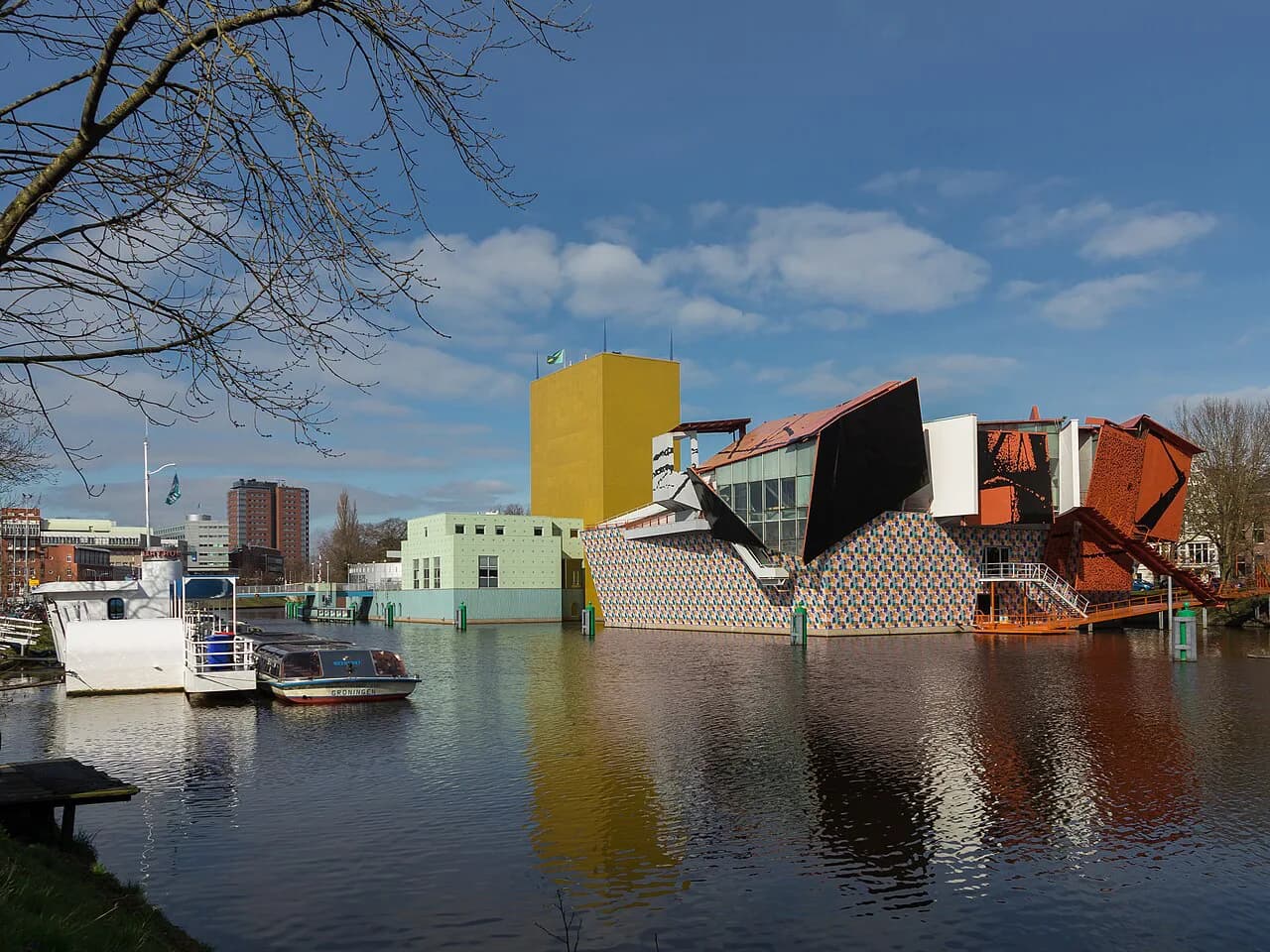
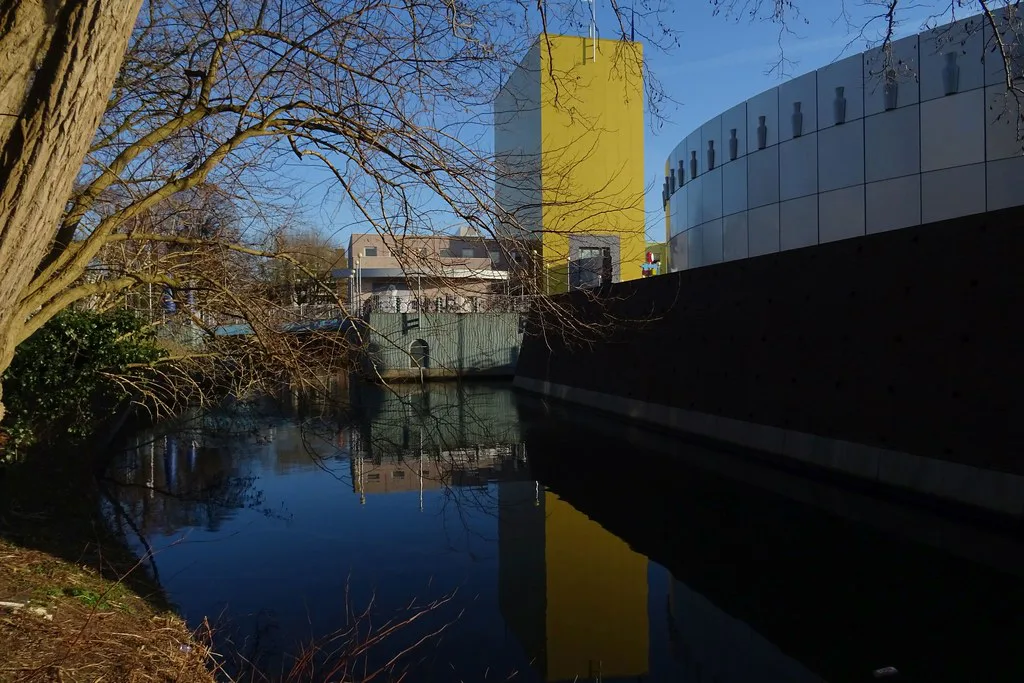
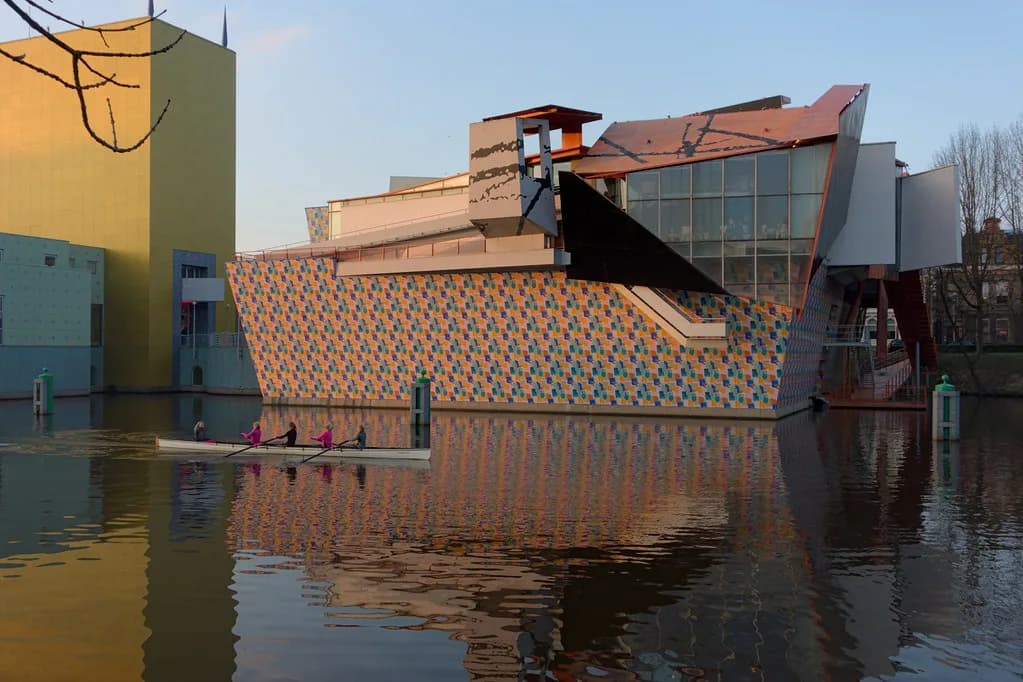
Step out of Groningen station and the Groninger Museum is already in view, a bold contemporary building that is part of the arrival experience. Its programme spans contemporary art, design and historical displays, so the building alone justifies the stop. Tickets and opening hours are best confirmed directly with the museum.
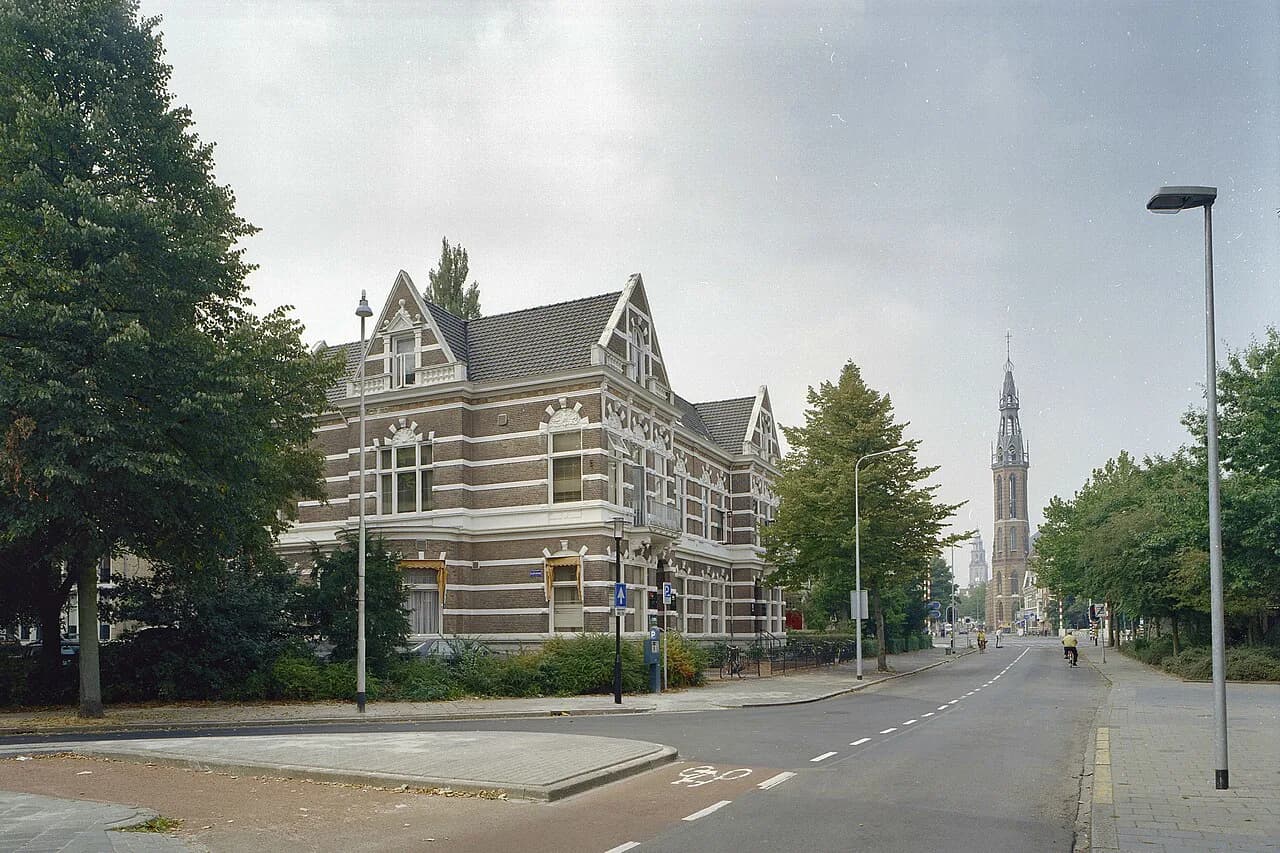
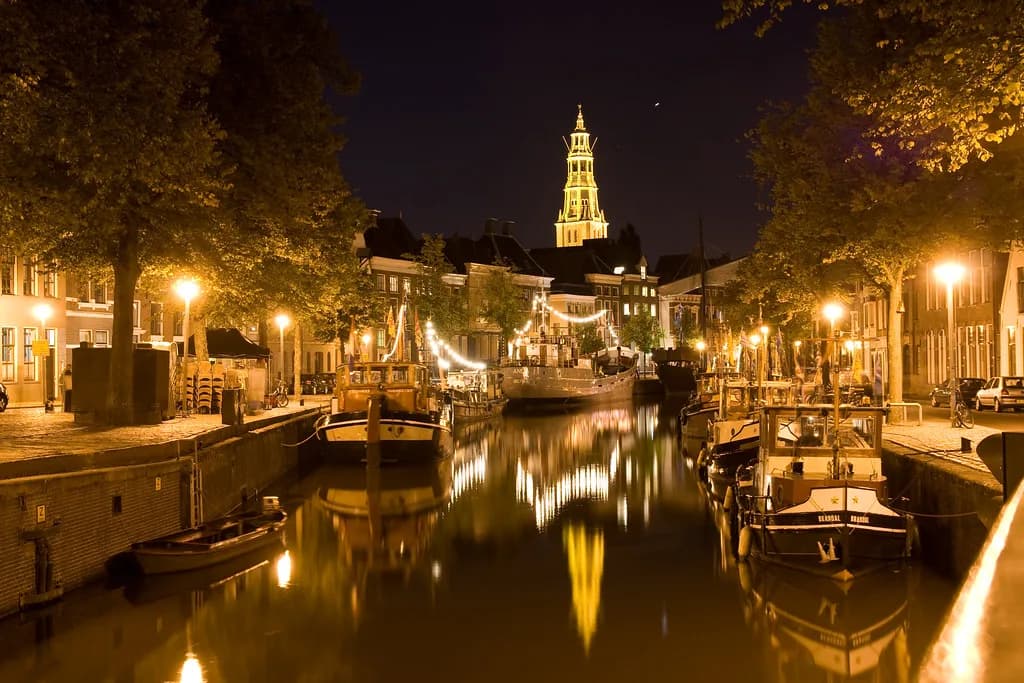
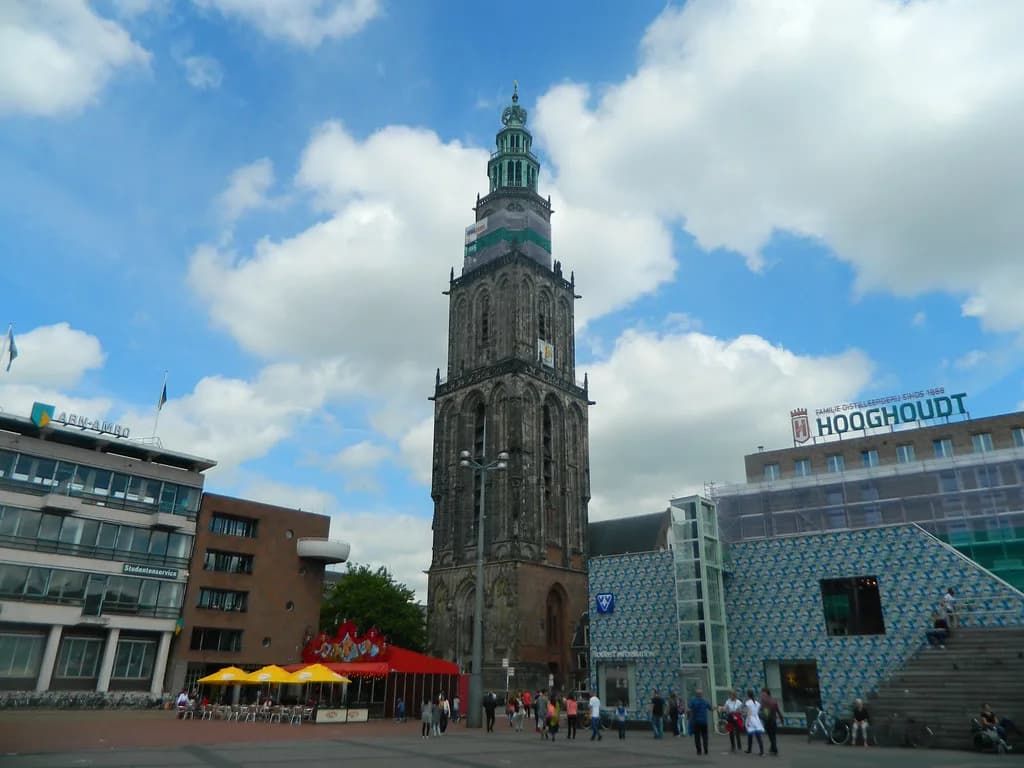
The Martinitoren, known locally as d'Olle Grieze, is the city's tallest tower at 96.8 metres. Climbing means nearly 300 stone steps with no lift, which is a genuine workout. The tower is the obvious set-piece of a short visit and sits at the centre of the old town.
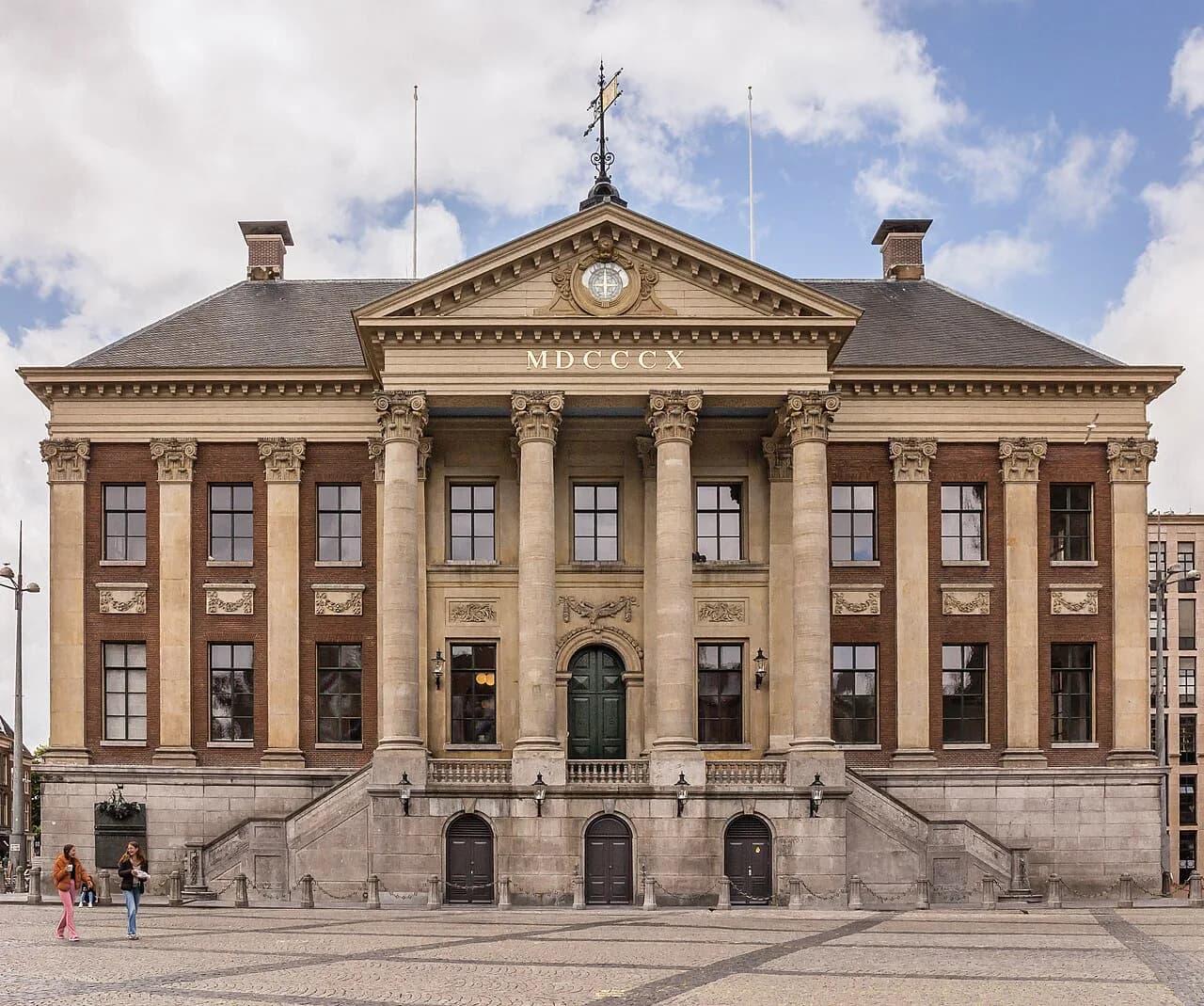
Below the tower, the Grote Markt is the city's central square, anchored by the Martinitoren and flanked by City Hall, cafés and terraces. It is the natural place to start a walk rather than a destination in itself, and it works well as the pivot of a short visit. From here, the main sights fan out within a few minutes on foot, and our Groningen Itinerary builds them into a walking route.
Behind the bustle, the Prinsentuin is a Renaissance-style garden tucked into the centre, reached through a discreet entrance that many visitors walk past. It is one of Groningen's best-known hidden gardens — the courtyard oases behind rows of historic houses — and a good pause between sights. A walking route can point you towards others.
The student character: why Groningen feels younger than its size
Students make up 15.9 percent of Groningen's population, reported as a higher share than in any other Dutch city, and that shapes the atmosphere. Expect a busy, youthful centre with terraces and events that keep the streets animated, plus plenty of affordable places to eat between sights. It is one reason the city feels lively for its compact size.
In practice, a student city means the centre is not museum-quiet: squares and cafés stay busy, and the rhythm is informal rather than polished. If you want a city that feels inhabited rather than preserved, this is the draw.
Quieter corners: parks, courtyards and the water
The Noorderplantsoen gives the centre a breathing space, with lawns and paths that suit a slow hour after the tower climb. Nearby, the Folkingestraat is the shopping street to browse if the weather turns, and the Hoge and Lage der Aa area is a reliable photo stop on the water. These are easy additions rather than fixed appointments.
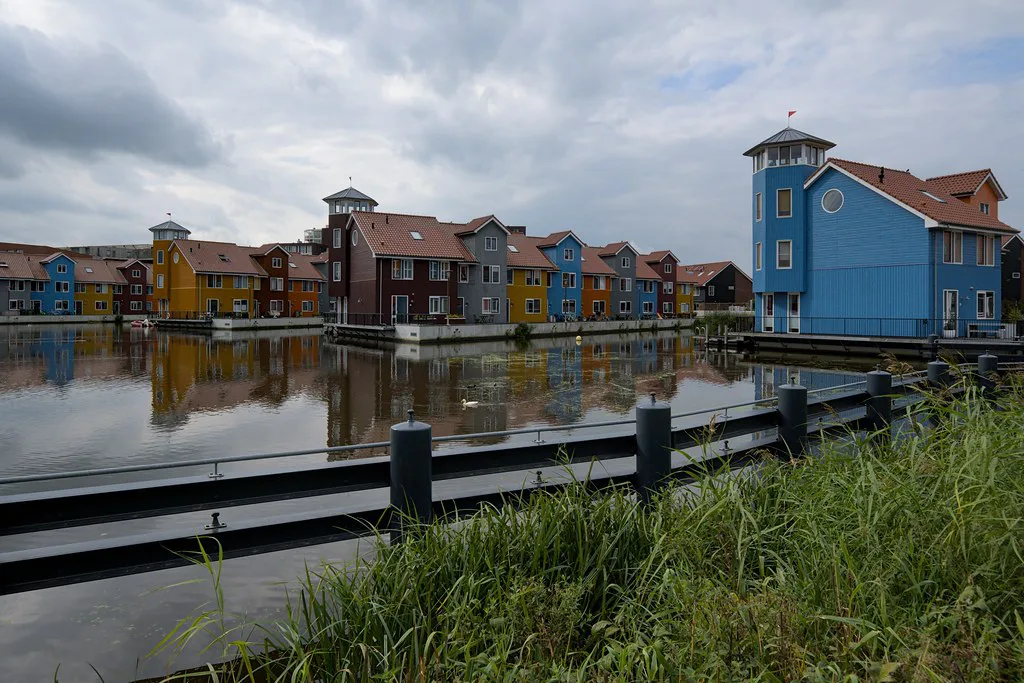
Farther out, the Hoornse Plas is a waterside spot for a walk or a cycle ride rather than a beach trip, and the Reitdiephaven neighbourhood shows a newer, quieter face of the city. Wall House #2 and the Forum Groningen viewpoint add modern architecture and a high-level view to balance the historic core. Storyworld, the former comic museum, suits travellers with an interest in illustration.
Walkers can use the city as a base for a stretch of the Pieterpad, a long-distance walking route, and cyclists will find the surrounding flat country easy to explore on two wheels. Within the centre, everything on this list is close enough to walk between sights, which keeps a short break simple.
Who Groningen suits
Groningen suits museum-goers who like a striking building as much as the collection, tower-climbers who enjoy a proper physical effort, cyclists and travellers who want a northern Dutch city without Amsterdam's crowds. It also works well for a first Dutch city break beyond the capital, because the centre is walkable and the sights are close together.
It suits people who value atmosphere over a checklist. The combination of a changing museum programme, a climbable tower and busy squares gives a one-day visit real shape, and two days let you add the park, the hidden gardens and a waterside ride without rushing.
Who should look elsewhere
If your picture of the Netherlands is a dense golden-age canal ring with stepped gables at every turn, Groningen will feel like a different country. The wartime loss of much of the historic centre means it cannot compete with Utrecht or Amsterdam on that specific experience, and nor does it try to.
Travellers wanting a short hop from Amsterdam should weigh the journey time, because Groningen sits in the far north and rewards a dedicated stop rather than a day trip tacked onto a capital-based break. If your trip is anchored in Amsterdam, treat Groningen as its own destination.
How many days Groningen needs
One focused day covers the Groninger Museum, the Martinitoren climb and the Grote Markt, with the Prinsentuin as a pause between them. That is a realistic shape for a short break and leaves the evening free for the busy centre.
Two days add the Noorderplantsoen, the hidden-gardens walk, Folkingestraat and a trip out to the Hoornse Plas or Reitdiephaven. Two days in Groningen give enough time to enjoy the student atmosphere without treating the city as a list of sights to clear.
Either length works best if you plan around the museum and the tower rather than assuming you can slot them in on any day. Our Groningen Itinerary builds both into a sensible walking route through the centre, and A Weekend in Groningen is the planning companion if you stay for two.
Getting there and getting around
Groningen is reached by rail from the rest of the Netherlands, and the station places you directly opposite the Groninger Museum, so arrival is part of the sightseeing. If you are coming from London or via Amsterdam, allow for the onward connection north.
Once in the centre, walking is the default: the Grote Markt, the Martinitoren and the Prinsentuin sit within minutes of each other. For the Hoornse Plas and the Reitdiephaven, a bike shortens the distances.
Practical checks before you go
Confirm the museum's opening days and ticket price on the Groninger Museum website, and check the Martinitoren's current opening times before you travel. Both details change, so check them close to your trip rather than relying on a guide.
Expect to pay in euros and budget for museum entry and a tower ticket on top of transport; for a fuller picture of daily costs, see Is Groningen Expensive? What a City Break Actually Costs.
Should you book Groningen?
Book Groningen if you want a compact northern city with one excellent museum, a tower worth climbing and a centre that feels busy and young rather than preserved. Give it one focused day, or two if you want the park and the water, and plan the museum and tower around confirmed opening days.
Look elsewhere only if a golden-age canal ring is the point of your trip. Groningen lost much of its historic centre in the war and plays to different strengths, so choosing it is about what kind of city break you actually want.
Explore more Groningen guides
Frequently Asked Questions
How many days do you need in Groningen?
One focused day covers the Groninger Museum, the Martinitoren climb and the Grote Markt, with the Prinsentuin as a pause between them. Two days let you add the Noorderplantsoen, the hidden-gardens walk, Folkingestraat and a trip out to the Hoornse Plas or Reitdiephaven without rushing.
How tall is the Martinitoren and how many steps are there?
The Martinitoren, known locally as d'Olle Grieze, is the tallest tower in Groningen at 96.8 metres. Climbing it means tackling nearly 300 stone steps with no lift, so it is a real workout. Check the tower's current opening times before you travel.
What is there to see in Groningen's historic centre?
Much of Groningen's historic centre was lost in the Second World War, so it does not offer a dense golden-age canal ring. What remains is a walkable centre with the Groninger Museum, the Martinitoren, the Grote Markt, the Prinsentuin Renaissance garden and a set of hidden courtyards behind historic houses.
Sources
Notes for your next Dutch city break
Optional updates to our Netherlands guides.
You might also like
Continue reading
More guides you'll find useful