Is Groningen Expensive? Real Costs for a Short City Break
Groningen is a mid-priced Dutch city break rather than a cheap one. Here are the costs that matter in euros and honest ways to keep spending down.
On this page
Groningen is mid-priced rather than expensive. A one-to-four-day break here costs roughly what a comparable Dutch city costs, and the biggest single line in your budget is usually the journey in rather than anything you buy on arrival. This guide covers the costs that actually move the total: the train from Schiphol, everyday food and drink, getting around, and the sightseeing line.
It deliberately avoids the student-budget question, because living costs for a university year are a different calculation from what a visitor spends in three days. A few figures are solid enough to plan around, and the rest of the budget is better judged on the day than guessed at in advance.
Is Groningen expensive? The short answer
For a city break, Groningen is neither a budget destination nor a costly one. The centre is small enough to walk end to end, so you rarely need paid transport once you are there, and that alone keeps a short trip's costs down. The trade-off is a modest set of paid headline sights, so some of your spending goes on entries rather than fares.
The one hard travel figure worth building a budget around is the train from the airport. A second-class one-way ticket from Schiphol to Groningen costs roughly €25, and trains leave the airport about every 30 minutes with the journey taking around 2½ hours.
Add that to your accommodation and you have the two fixed costs; everything else is adjustable day by day. If you want a structure for those days, the Groningen itinerary lines up the centre so you spend on what you came for, while A Weekend in Groningen works if you have two days rather than four.
What a day in Groningen costs: food, drink and getting around
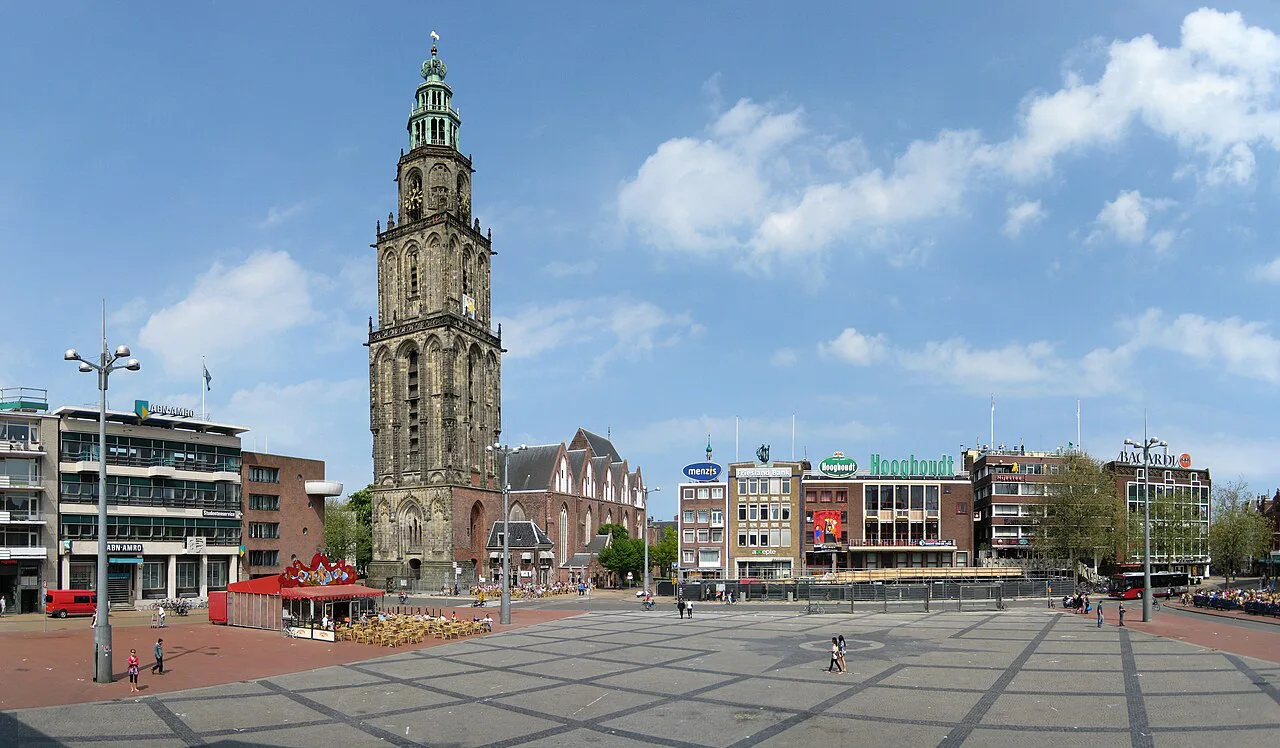
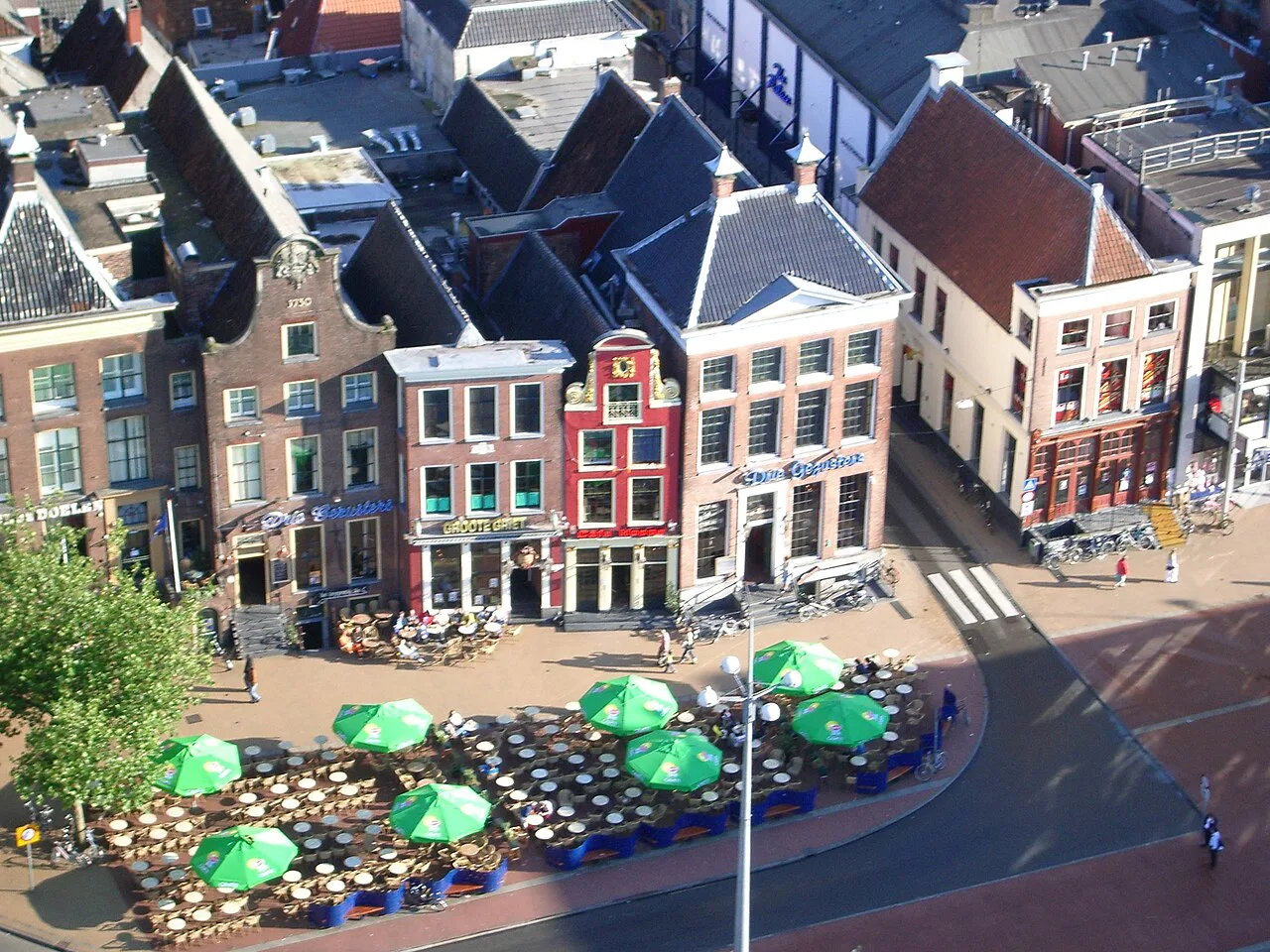
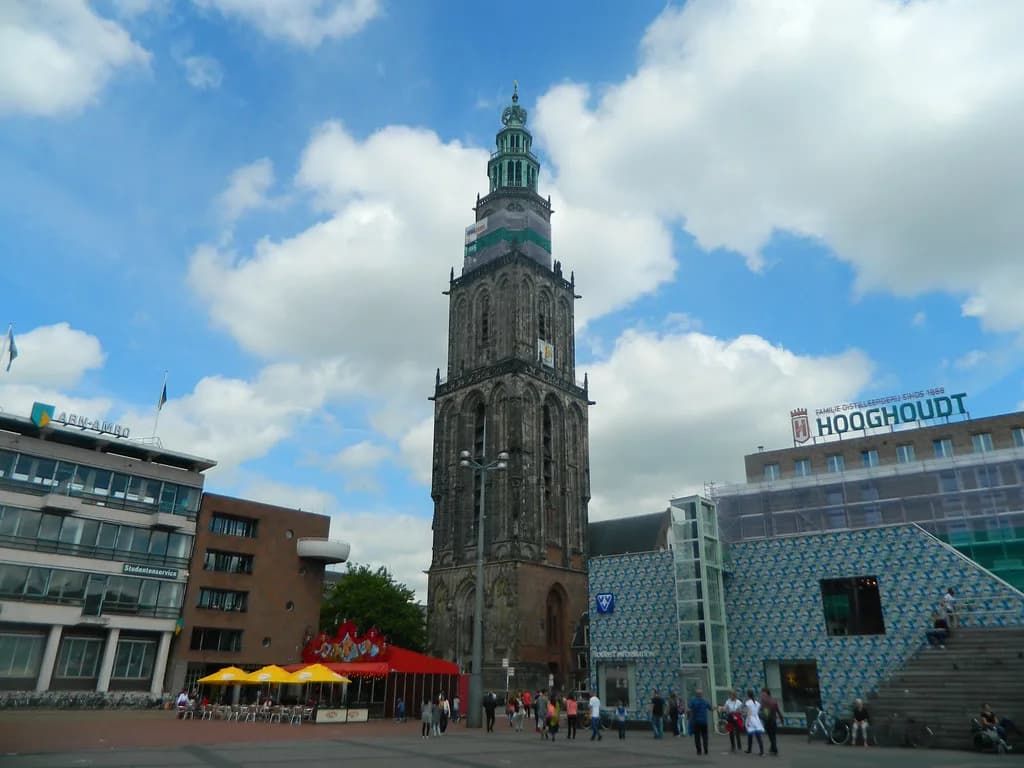
Day-to-day spending behaves like a mid-sized Dutch city: coffee, lunch and a simple evening meal are the recurring costs, and they are the ones you actually control. The centre is compact, so walking between the Grote Markt, the canal streets and the shopping streets costs nothing and takes minutes rather than a tram fare.
The early-closing pattern is the one rhythm worth building a day around. Shops, cafés and businesses largely shut by around 6pm, though restaurants and bars stay open and some run very late, so a late arrival can still eat out but will not find a grocery run.
That early close is a planning constraint rather than a price signal. If your train gets in late, sort your food and supplies earlier in the day, since shops and cafés largely shut by around 6pm even though bars and restaurants keep going.
Getting to Groningen: the train from Schiphol and what it costs
Almost every fly-in visitor arrives through Schiphol and continues by rail, so the train anchors the travel budget at roughly €25 one-way in second class, taking around 2½ hours with departures about every half hour. That is a fixed, predictable cost you can plan before you book anything else.
The return journey roughly doubles the rail line, so it belongs in the same mental pot as your accommodation rather than your spending money. Booking the whole return journey as one plan makes the total visible early and stops the trip creeping over budget at the end.
If you are coming from the UK, weigh the whole journey before committing to the airport rail route, since the fare is only part of the cost when you have a few days to fill.
Student-city economics: why Groningen prices look the way they do
Groningen is a university city, and that shapes what is on offer. For context on local living costs, the university estimates students spend around €800–1,000 per month on general living, excluding tuition, with rooms averaging about €350–650 a month. That is a student year, not a visitor's budget.
Read those figures as background, not as a forecast of your trip. A visitor spends similar money on a room for a few nights instead of rent for a month, which is a completely different purchase. What the estimate does show is that Groningen is an ordinary working Dutch city, not a resort that inflates prices in season.
Where the money goes: paying for sights, museums and bike hire
Sightseeing is the part of a budget with the most variation, because the city rewards walking and wandering, and any paid entries you add are a choice rather than a necessity. A weekend in Groningen can be built mostly from walking the streets and squares, adding the occasional ticket only where it earns its place.
Prices change, so confirm any admission figure on the museum or venue's own website before you set off. That way your sightseeing total is settled in advance rather than guessed from an old guidebook.
Bike hire is the other optional cost, and in a city this flat it is often the better half of a day. Compare the daily rate against how far you would actually ride: inside the ring, walking is free and usually enough.
How to spend less without skipping the good bits
The cheapest way to do Groningen well is to let the compact centre do the work. Walk from the Grote Markt through the canal streets and you cover the city's main fabric without spending on transport or admission, leaving money for one or two paid sights you actually care about.
Book accommodation with breakfast included or a kitchen you can use, and shop before the early evening shutdown rather than after it. With shops and cafés largely shut by around 6pm, an earlier dinner or a stocked fridge saves both hassle and money over three days.
Fix your dates early and book the rail leg at the same time as the room. That settles the two biggest costs, and everything left is the flexible, small-scale spending that makes a short break feel affordable.
Is Groningen cheaper or dearer than other Dutch cities?
Treat Groningen as mid-priced: not presented here as the cheapest Dutch city break and not as the dearest. The real variable between Dutch cities is usually what you pay for the journey in and how much of the centre you can cover on foot, and Groningen scores well on the second point: a compact centre means few fares and short walks between the parts you want to see.
Comparing the whole trip, rather than individual prices, is the honest method. A walkable core with an early-closing centre and a rail connection from Schiphol generally rewards travellers who plan the journey and stay on foot.
Who Groningen suits on a budget, and who it doesn't
Groningen suits travellers happy to walk, eat simply and pick one or two paid sights rather than trying to do everything. It is a good fit for a short, low-fuss break where the appeal is the streets, the canals and the student-city atmosphere rather than a packed ticketed itinerary.
It suits less well anyone who plans to arrive late and shop for groceries or eat on impulse, because the early close of shops and cafés undercuts that approach, even though restaurants and bars stay open later.
Is a Groningen break worth the spend?
Yes, on a balanced budget. Fix the two big costs first: the second-class train from Schiphol and your accommodation, then plan the rest around a compact centre you can walk. Groningen is mid-priced rather than expensive, and most of its appeal costs nothing.
The one habit that protects your budget is buying food and supplies before the city's early evening shutdown, and the one saving is staying on foot. Get those two right and a short Groningen break stays comfortably in the middle of the Dutch price range.
Explore more Groningen guides
Frequently Asked Questions
Do I need to budget for transport inside Groningen?
Mostly not. The centre is compact and walkable, so transport is an optional cost; bike hire is worth it if you want to cover more ground.
Is Groningen worth visiting on a tight budget?
Yes, if you walk, eat simply and choose a small number of paid stops. The streets, squares and canals cost nothing, and the main fixed cost is the train from Schiphol.
Why do shops in Groningen close so early?
Shops, cafés and businesses largely close by around six in the evening, so late grocery runs are not part of the city's rhythm. Plan to buy food and supplies earlier in the day; restaurants and bars stay open later.
Sources
Notes for your next Dutch city break
Optional updates to our Netherlands guides.
You might also like
Continue reading
More guides you'll find useful