Woerden Cheese Market: When It Runs and What Happens
Woerden cheese market usually runs on Saturdays from May to August on the Kerkplein, with handjeklap price trading, cheese shacks and free admission.
On this page
The Woerden cheese market is the town's own cheese market, a genuine local affair where cheese is traded and prices are settled by the old handjeklap method rather than a costume show staged only for visitors. It normally runs on Saturdays through the summer months on the Kerkplein, with free admission to the market ground. This guide covers what happens during the morning, how Woerden differs from the staged markets elsewhere, and how to slot it into a city break based in Utrecht.
What the Woerden cheese market actually is
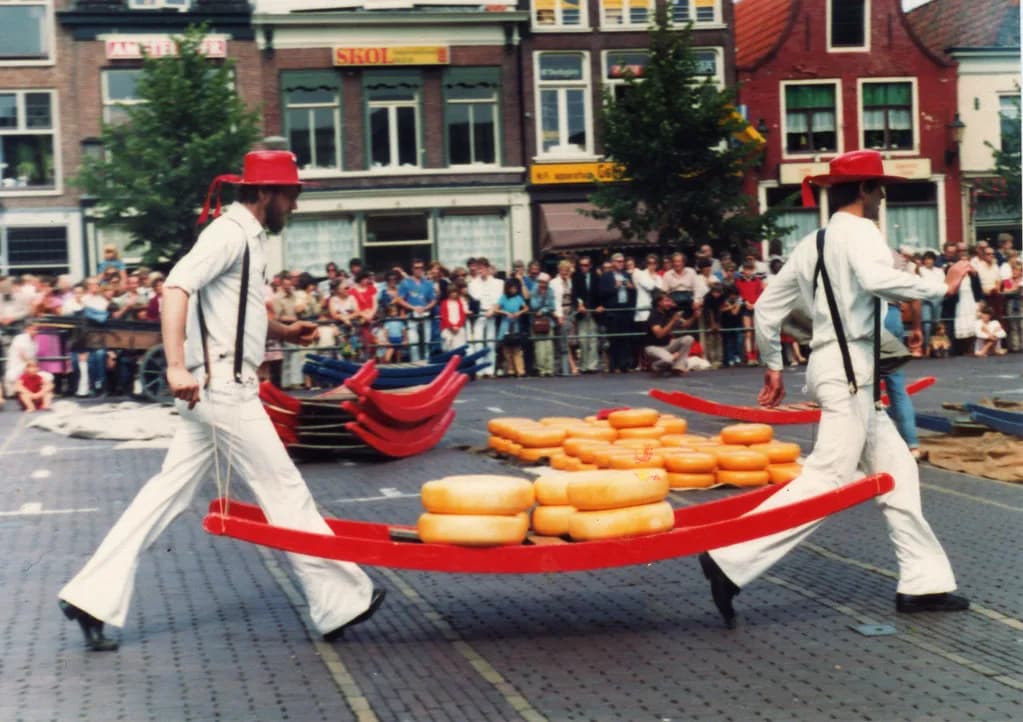
Farmers bring their own boerenkaas, farmhouse Gouda-style cheese made on the farm rather than in a factory, and traders inspect it before agreeing a price. That negotiation is the heart of the morning: the market exists so that sellers and buyers can settle a price per kilo, and the outcome is written up for both sides. You are watching a transaction, not a show with a script.
Woerden's trade dates from 1885, when cheese was first brought from the surrounding countryside into the town centre to be sold. The same square still hosts the modern version, with historic transport and dress kept as part of the trading rather than a separate attraction. If you have seen a Dutch cheese market before, this one is noticeably quieter and more businesslike.
When the market runs
The market usually takes place on Saturdays from May to August at Kerkplein Woerden, with free admission. Treat that as the seasonal pattern rather than a fixed calendar, because the exact start and finish of the season shift from year to year. Check the town's own visitor site for the current season before you build a trip around it.
The published season pattern is Saturday mornings between May and August, so a mid-summer Saturday is the safe bet. Exact opening and closing dates shift year to year, so confirm the specific date you plan to travel before booking around it.
Trading is a morning affair on the Kerkplein, and the most recently listed season put it at 11:00 to 13:00 on Saturdays, so plan to be in Woerden for the start rather than arriving at lunchtime. The morning slot suits a half-day visit that leaves the afternoon free for the old centre. Because the timetable is set season by season, confirm the current one before you travel.
Why Woerden differs from Alkmaar, Edam and Gouda
Most Dutch cheese markets are historic re-enactments in which actors and locals recreate how the trade once looked, which is the model at Edam, Alkmaar and Gouda. Woerden's point of difference is that the bargaining still sets prices for the farmers and traders taking part. If you want spectacle and explanation, the bigger markets deliver it; if you want to see the mechanism itself, come here.
If you want a bigger, more theatrical cheese market with a well-established visitor routine, the Alkmaar Cheese Market is the obvious alternative. Woerden trades spectacle for a smaller, more businesslike morning.
What you actually see on the Kerkplein
The morning opens with the Kaasbel, the cheese bell, rung near the Stadshotel to signal that trading is about to begin. Farmers then come to market by historical means of transport rather than modern vans, which is part of the traditional presentation. Position yourself near the bell at the start so you catch the opening rather than walking into the middle of it.
Before any price is agreed, the trader inspects the cheese, including boring a small hole to taste it, and only then does the bargaining start. The haggling itself is handjeklap: the seller names a price and slaps the buyer's hand, and the buyer counters by slapping back until they shake on a deal. Watch the hands rather than listening for numbers, because the slaps carry as much of the negotiation as the words.
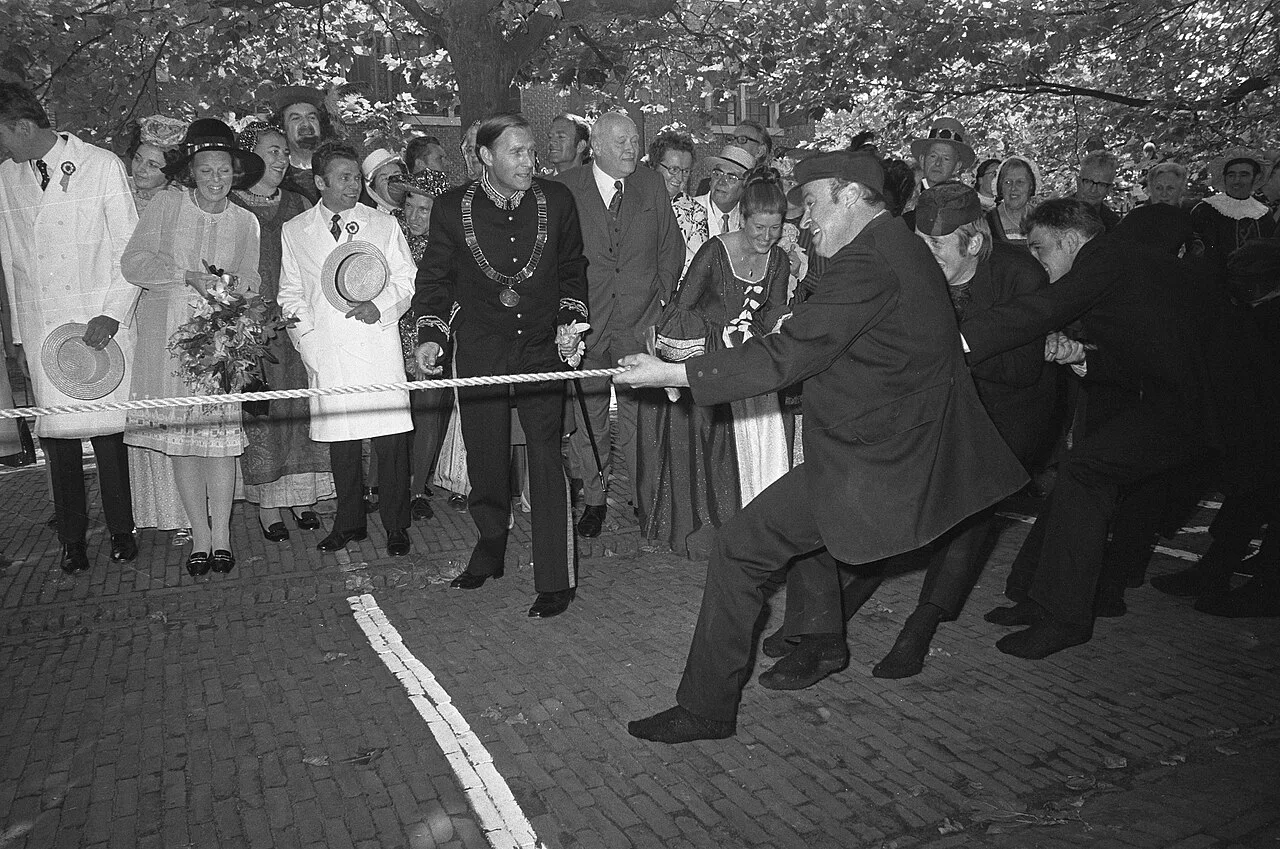
A ring master explains the traditions and the cheesemaking process to the crowd, and after the trade the selling and purchase prices, which are binding for farmer and trader, are written on the Kaasbel next to the Stadshotel. The annual historic market day adds a tasting in which the public helps judge the top five cheeses, and a tug of war between farmers and traders that decides whether prices move up or down.
The cheese shacks and what you can taste
Cheese shacks form part of the market, stocking more than a hundred varieties that visitors can taste, from aged cheese and Gouda from the north of the Netherlands to sheep cheese. Each stallholder brings a different range, so the selection is broader than a single producer could offer. Budget a little time here after the trading ends.
If you want to see how the cheese is handled after purchase, the Kaaspakhuis on the Emmakade is the town's cheese warehouse, with a modern cheese factory you can look around and an explanation of how traders store their stock. That turns a market visit into a fuller cow-to-cheese picture without leaving Woerden.
Grass Cheese Day and the season's special events
Grass Cheese Day celebrates graskaas, the creamier cheese made from the first milk of cows that have gone back outside after winter, and the festival falls in early June. It is one date in the season worth planning a trip around if you want something beyond a standard Saturday.
The season also carries themed cheese activity days, including tastings and public judging events, and these change each year. Confirm them with the town's visitor organisation before you plan a weekend around them.
The language question, honestly
The market is conducted in Dutch, so the commentary and the bargaining itself will not be in English. You can follow the rhythm of the bargaining and the bell without understanding the numbers, which is fine for most travellers but frustrating if you want the detail. It suits people who prefer to watch a genuine local event over a polished presentation.
The upside is that the crowd is small and the atmosphere is that of a working town rather than a tourist attraction, and you can stand close enough to see the quality checks and hand slaps clearly. If explanation matters more than authenticity, look at the wider picture of cheese markets in the Netherlands and pick a staged one instead.
Timing your morning
Arrive for the start of trading so you see the tractors come in and the first inspections, then stay through the price settling if you can. The market runs as a morning affair, leaving the rest of the day for the old centre. Allow a little slack either side in case the season's schedule has shifted.
Getting to Woerden from Utrecht
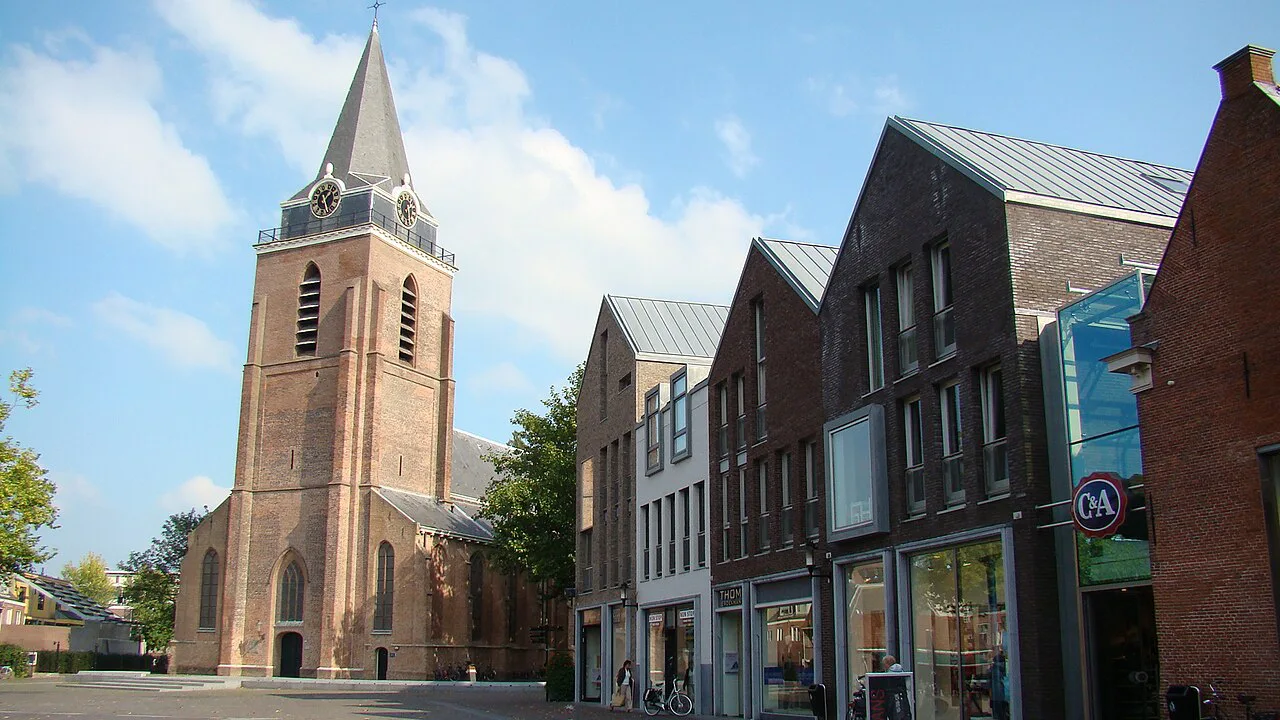
Woerden is within easy reach of Utrecht by rail, which makes it a straightforward add-on to a Utrecht city break, and the old centre with the Kerkplein sits in the town centre near the station. Plan the morning around a train that lands you in town before trading starts.
Fitting Woerden into a one-day visit
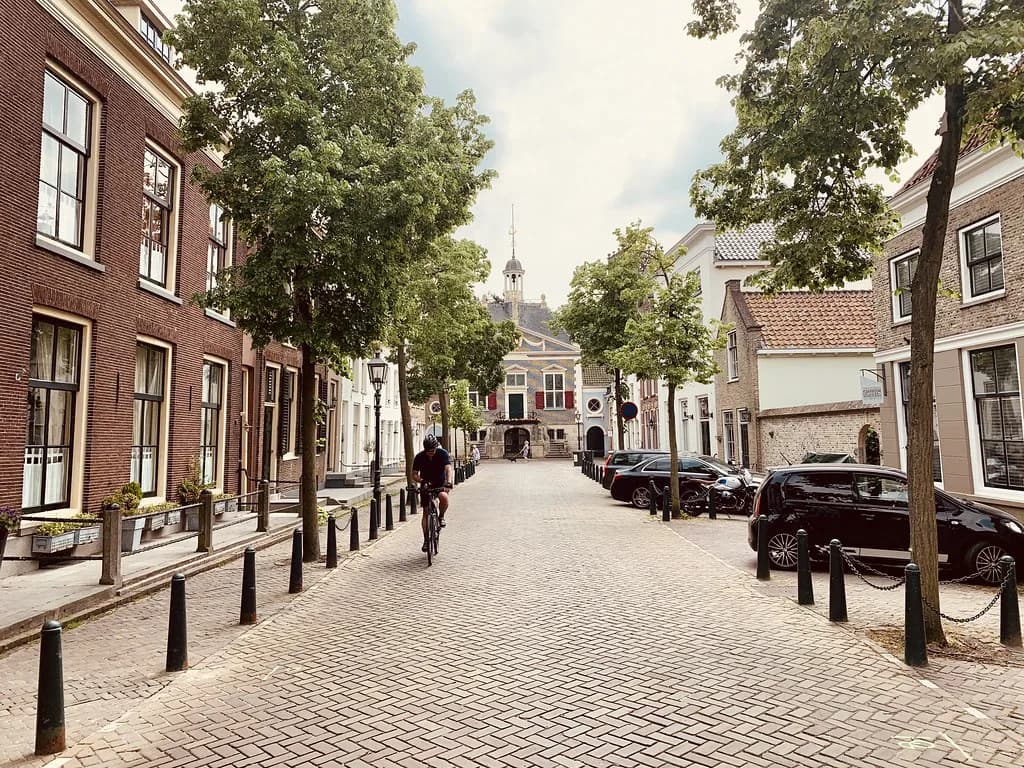
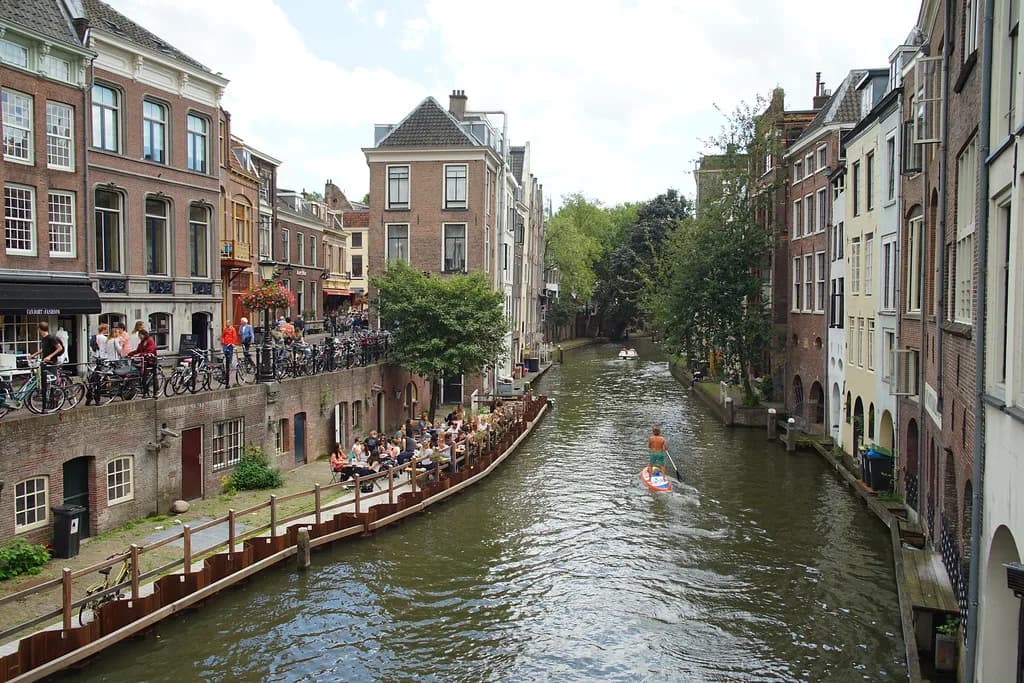
The market sits in Woerden's old centre, so the canals, the historic heart and the cheese trade all fall within a short walk of each other. A morning of trading followed by a wander along the canals and a stop at the Kaaspakhuis fills a day comfortably without rushing. The Cheese Markets in the Netherlands overview shows how the Woerden morning fits alongside the country's other cheese markets if you want a second one for comparison.
Is Woerden worth a Saturday morning?
Yes, if you want to watch a real price negotiation rather than a performance, and you are happy to pick up the detail from what you see. It is a low-cost, low-crowd add-on to a Utrecht break that takes half a morning and leaves the rest of the day free. If you want a bigger, more theatrical cheese market with a well-established visitor routine, choose the Alkmaar Cheese Market instead.
Explore more Netherlands guides
Frequently Asked Questions
When is the Woerden cheese market held?
It usually takes place on Saturdays from May to August at Kerkplein Woerden, as a morning affair, with free admission. The most recently listed season ran from 18 April to 15 August 2026, with trading from 11:00 to 13:00. Exact dates shift from year to year, so check the current season before you travel.
Is there an entrance fee?
Admission to the cheese market on the Kerkplein is free.
What happens at the market?
Farmers bring their own boerenkaas and traders inspect it, then the bargaining is done by handjeklap, with prices written on the Kaasbel next to the Stadshotel. A ring master explains the traditions and the cheesemaking, and cheese shacks offer more than a hundred varieties to taste.
How is Woerden different from other Dutch cheese markets?
Edam, Alkmaar and Gouda run historic re-enactments of a cheese trade, while Woerden's bargaining still settles prices for farmers and traders who take part.
Is the market in English?
No. The market is conducted in Dutch, so the commentary and the bargaining will not be in English. You can still follow the bell, the inspections and the hand slaps.
Sources
Notes for your next Dutch city break
Optional updates to our Netherlands guides.
You might also like
Continue reading
More guides you'll find useful