10-Day Netherlands Itinerary: Utrecht to Maastricht
A 10-day Netherlands itinerary built on Utrecht, The Hague, Rotterdam, Delft, Den Bosch and Maastricht, with the trade-offs and train hops explained plainly.
On this page
Ten days gives you a real Dutch trip rather than a city break: two days in Utrecht, then a southward line through The Hague, Rotterdam, Delft, Den Bosch and Maastricht, with Amsterdam used only as the arrival airport and rail hub. The days are built around named squares, cathedrals and museums, so you can picture each one before you commit. This guide covers how the days break down, what the train hops eat, how to handle a Monday, and what to drop if you end up with eight usable days.
The shape is deliberate. A week-long Dutch circuit typically treats Utrecht, The Hague, Rotterdam, Den Bosch and Maastricht as one-day stops, which asks a lot of the traveller. Ten days lets you give Utrecht and Maastricht two nights each and put Delft in as a slower pause between the big cities, rather than sprinting between stations.
Where this 10-day route goes, and why Amsterdam is only a hub
The route runs Utrecht, The Hague, Rotterdam, Delft, Den Bosch, Maastricht. Amsterdam stays out of the itinerary because the cities on this line reward the time more: Utrecht's Oudegracht wharves, The Hague's Binnenhof and Mauritshuis, Rotterdam's Markthal, Delft's canals, Den Bosch's Sint-Janskathedraal and Maastricht's Vrijthof each carry a day's worth of looking and walking.
That is a judgement call, not a rule. Amsterdam is the easiest arrival point and worth a day if you have never been, but a ten-day trip that spends three of those days there leaves too little for the south. If you want the full spread of cities rather than one route, see our picks for the best cities in the Netherlands and decide which two or three you are willing to leave out.
How the days break down: three bases or one base with day trips
Two structures work. The first is three bases: Utrecht for two nights, Rotterdam or The Hague for three, Maastricht for two, with Delft and Den Bosch done on the move. The second is a single Randstad base in Utrecht, day-tripping to The Hague, Rotterdam and Delft, then moving south for Den Bosch and Maastricht.
How many days are enough for the Netherlands? For the cities on this route, ten days is comfortable, eight is workable and five is tight. Five days really only covers Utrecht, The Hague and Rotterdam or Delft; adding Den Bosch and Maastricht needs at least eight, and ten gives you a spare day to absorb a delayed train or a closed museum.
What is the best month to visit the Netherlands? Late spring and early autumn give you the best balance of daylight, walking weather and manageable crowds. High summer is warm and busy, particularly at the coast and at the bulb gardens, and winter daylight is short enough to limit a full day of sightseeing, so plan around sunrise and sunset rather than midday heat.
Should I base myself in one city or move between them? For this route, two moves work best: Utrecht first, then Rotterdam or The Hague, then Maastricht. A single base in Utrecht keeps your evenings simple and covers the Randstad well, but the journey south to Maastricht on a day trip would use most of a day, so an overnight there is the better trade.
Three bases win on time and lose on unpacking. The single base keeps your evenings simple and your luggage still, but it puts you on trains twice on some days, and evening returns eat into the part of the day when Dutch cities are at their calmest. For a first ten-day trip, two moves — Utrecht to Rotterdam, Rotterdam to Maastricht — is the sane compromise.
Days 1-2: Utrecht, the Domtoren and the Oudegracht wharves
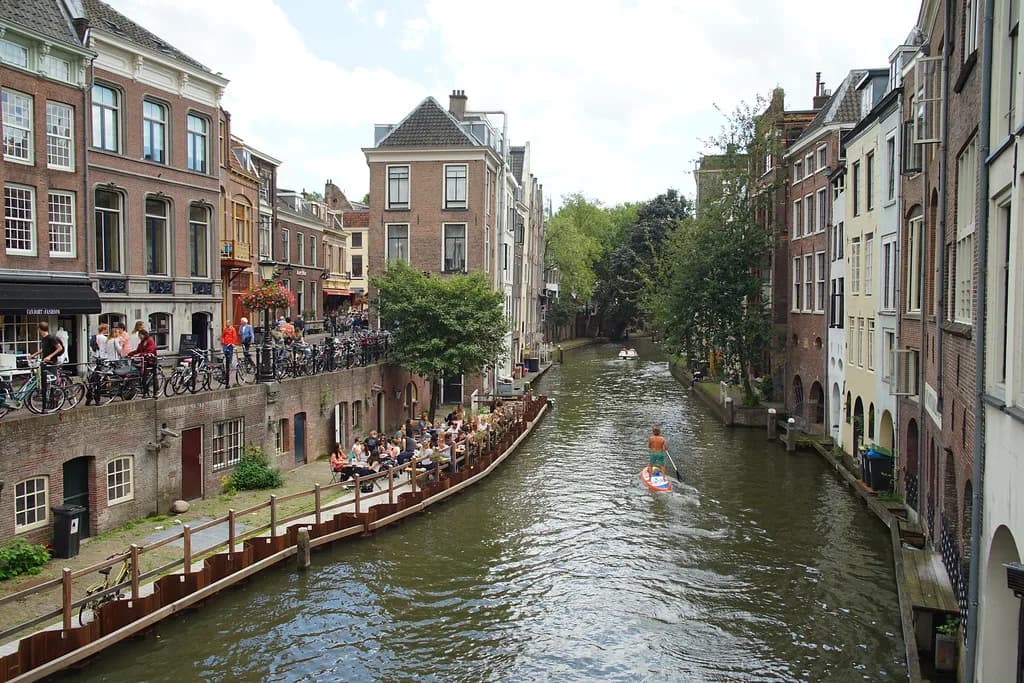
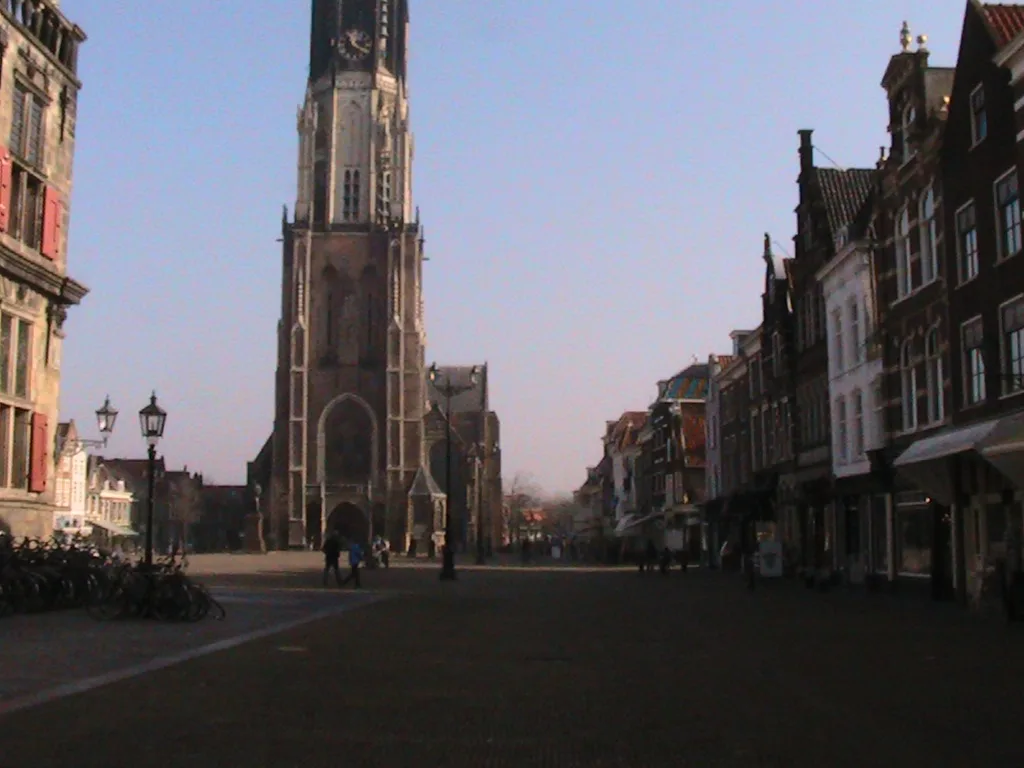
Utrecht is the right first stop because it is compact and central. Day one is the Domtoren, the cathedral tower that dominates the old centre, and the streets around it; day two belongs to the Oudegracht, the canal whose wharves sit below street level, with the werfkelders (wharf cellars) now used as cafés and shops. Walk the length of it once above and once below.
Two days is the minimum here, and it is a better use of time than a single rushed stop on a longer loop. Our 5-Day Netherlands Itinerary shows how a shorter trip of this kind fits together, which is useful for judging how much of Utrecht you can actually see in a day.
Day 3: The Hague, the Binnenhof and the Mauritshuis
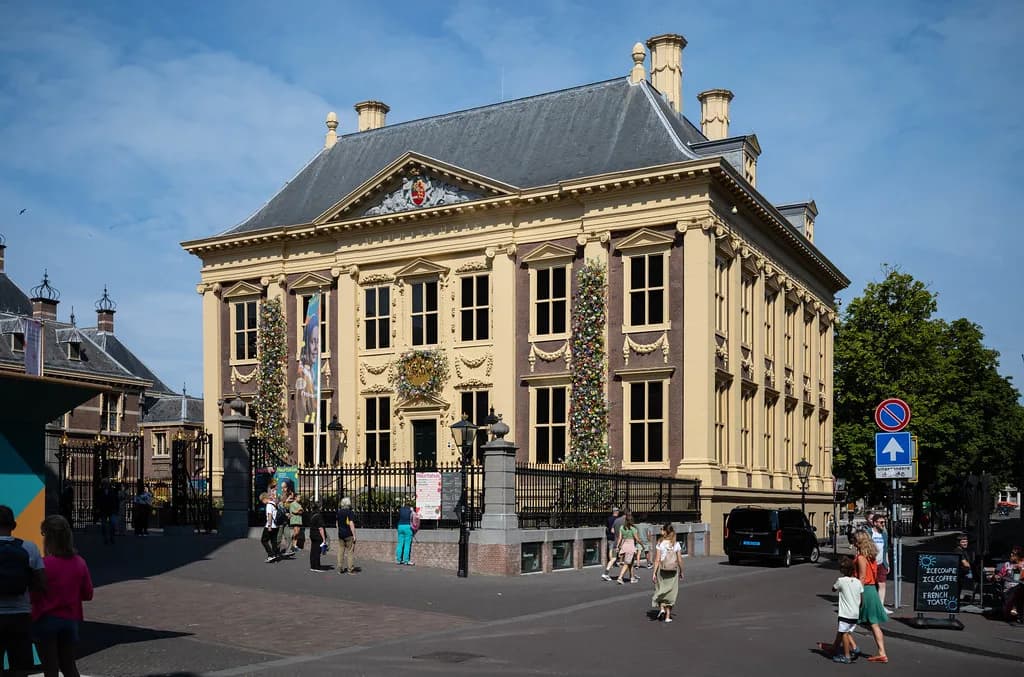
The Hague is a government city first and a tourist city second, which is why it feels quieter than Rotterdam. The Binnenhof, the parliament complex, sits beside the Hofvijver pond, and the Mauritshuis holds the Dutch Golden Age paintings most visitors come for. Both are within a short walk of each other in the city centre, so one day covers the pair without rushing through the old centre.
Book major-museum slots before you travel rather than on the day, since big museums can sell out at busy times. Scheveningen, The Hague's coastal district, is a tram ride away if you want sea air in the late afternoon, but treat it as a district to wander rather than a separate day out.
Day 4: Rotterdam and the Markthal
Rotterdam is the counterweight to Utrecht: modern, architectural and spread out. The Markthal, a covered market hall with flats arching over it, is the obvious anchor, and the walk from there towards the Nieuwe Maas waterfront gives you the skyline views the city is known for. One day covers the centre; two would let you add the museum district.
The trade-off is that Rotterdam rewards curiosity more than ticking off sights. If you have only one day, pick either the Markthal and waterfront or the museum quarter, not both, and accept that you will miss something.
Day 5: Delft as a slower day between the big cities
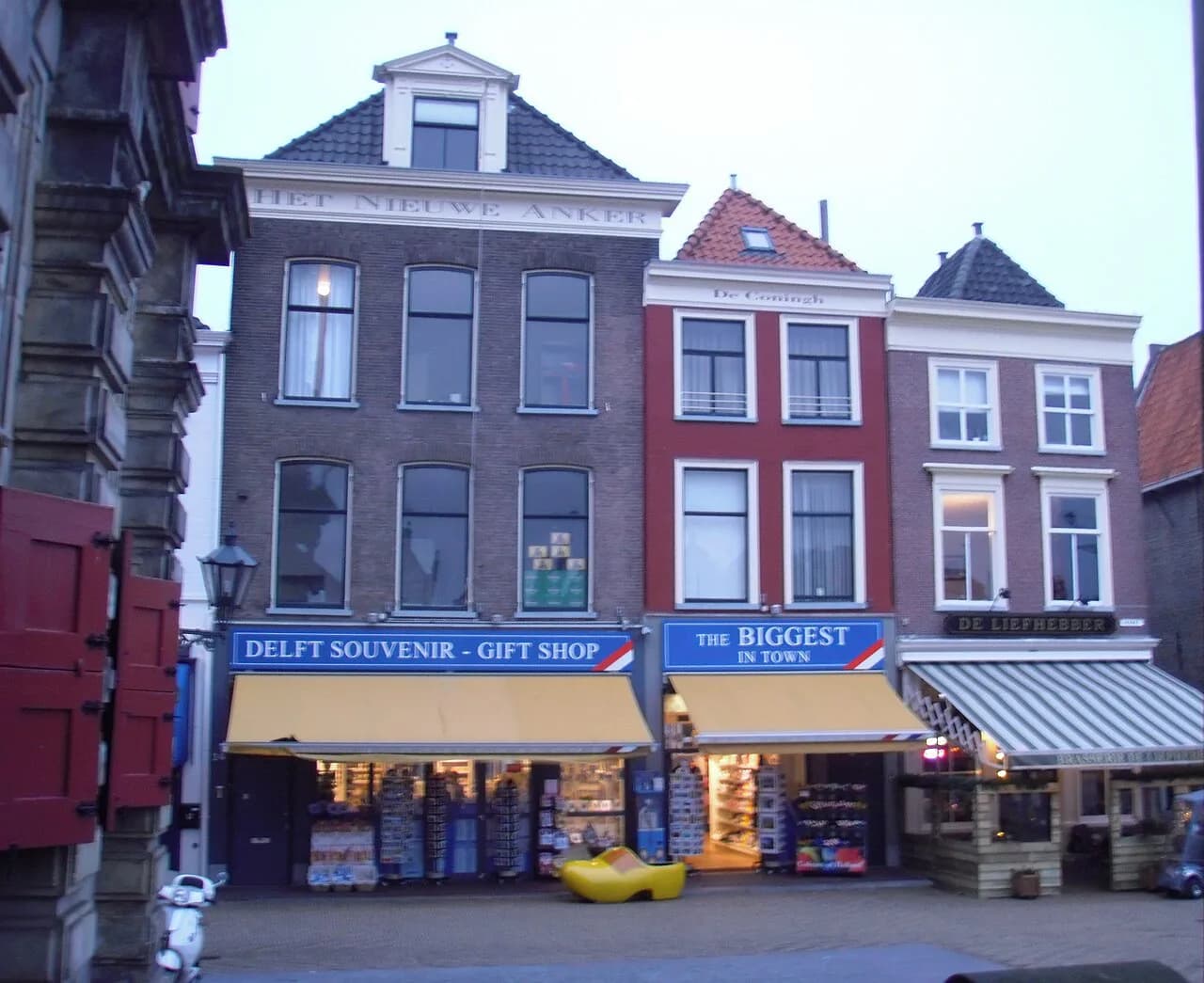
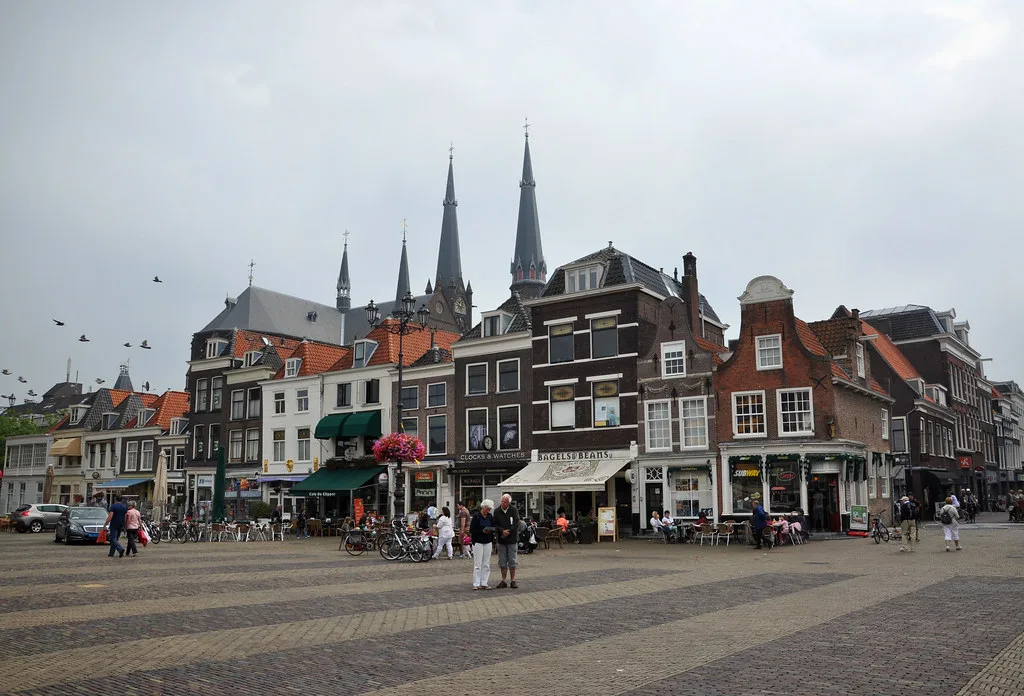
Delft is small enough to wander without a plan, and that is the point after three city days. The Markt with its town hall and Nieuwe Kerk, the Oude Kerk, and the canals between them fill a morning and afternoon comfortably. It also gives you a direct look at Delft Blue, the pottery the city is known for, if that interests you more than another museum.
Delft is an easy stop between Rotterdam and points south rather than a base of its own. Come for the day, leave your bags at your Rotterdam or Den Bosch accommodation, and let the evening be quiet. If you are weighing Delft against other small Dutch cities, our wider picks of best cities help you see what you would be trading.
Days 6-7: Den Bosch and the Sint-Janskathedraal
Den Bosch — 's-Hertogenbosch on signs and timetables — is the stop most ten-day routes skip and most travellers regret skipping. The Sint-Janskathedraal, with its flying buttresses and carved exterior, anchors the old centre, and the surrounding streets and canal ring are made for slow walking. Two nights here lets you have the evening and the morning rather than a day-trip dash.
This is also where the trip turns properly south, so it works as the bridge between the Randstad and Limburg. From here, Maastricht is a straightforward onward move rather than a long haul across the country.
Days 8-9: Maastricht and the Vrijthof
Maastricht feels different from the Randstad: older, more Burgundian, closer in temperament to Belgium and Germany than to Holland. The Vrijthof is the main square and the best place to start, with the Sint-Servaasbasiliek alongside it, and the Maas riverfront and the old city walls give you a second half-day. Two nights is the right allocation.
The distance is the constraint, not the sightseeing. Maastricht sits at the far southern tip of Limburg, so reaching it from Den Bosch or Rotterdam takes a serious chunk out of a day. Treat the journey as part of the trip and build the day around it rather than trying to squeeze in a museum on arrival.
Day 10: a spare day, and how to choose what to cut
Use day ten as slack. That means a town you skipped, a second morning in Maastricht, or a slow return towards Schiphol via Utrecht rather than a rushed extra city. If you must cut, drop a city from the busier middle rather than the south: Rotterdam is the easier one to lose for a day, and the southern stops are the part of this route people remember longest.
If ten days proves too many to fill well, or life shortens the trip to eight usable days, cut cleanly rather than stretching. Our Netherlands Itinerary links the shorter city plans, and a tighter version of the same route is a better model than shaving half a day off each city.
Moving between cities by train, and how much of the day that eats
Dutch trains are frequent and you can buy a ticket on the day, so the planning burden is low. Tickets bought from station machines are tied to a date rather than a specific departure time. Avoid the rush hour windows if you can, because the difference between a calm carriage and a full one is considerable.
Fares add up: a long intercity hop can cost up to about 25 euros each way, and regional buses are sometimes the cheaper option for shorter legs. Budget for the trip as several moves rather than one, and keep the long Utrecht-to-Maastricht style journeys to a minimum.
What 10 days costs and where the money goes
Rather than quote a daily figure, build your own estimate around three lines: intercity train fares, museum entries and accommodation. Train fares are the most predictable, at up to about 25 euros each way for long journeys; museum entries vary by city and by whether you are buying a single ticket or a multi-museum card.
Accommodation is where the budget swings most. Staying outside Amsterdam and using Utrecht as a base for the Randstad days is the classic way to keep costs down, and it also suits this route because Utrecht is central to The Hague, Rotterdam and Delft. Check current fares and museum ticket prices on the operators' own pages before you fix a daily budget.
When to go: season, museum opening days and Monday closures
Spring and autumn are the comfortable middle: enough daylight for a full day out, fewer queues than midsummer and milder walking weather than high summer. A spring visit can also line up with Keukenhof, the bulb garden that opens for a short season, if you want to add a half-day.
Museum opening days vary by museum and by season, and Monday is a common closing day, so check each museum's own page before you fix a day around it. Put Utrecht's Oudegracht and Delft's canals on a day when the museums you most want are shut, and save the Mauritshuis and other major museums for a day when they are open.
Trade-offs: fewer cities done well versus more cities seen quickly
Ten days tempts you into adding Haarlem, Gouda and Hoorn, and each addition costs you a real morning somewhere else. The route above deliberately keeps six stops because that is what ten days supports once train time and museum days are counted honestly. A slower trip that gives Den Bosch two nights is worth more than a faster one that gives it an afternoon.
If you want the looser version with more short stops, start from our 5-Day Netherlands Itinerary, which links the shorter city plans, then pick the one that fits your pace rather than trying to do all of them.
Which cities make the cut for your ten days
Ten days in the Netherlands is enough for Utrecht, The Hague, Rotterdam, Delft, Den Bosch and Maastricht if you move twice and keep a spare day. The test is not how many names you fit but whether each city gets an evening as well as a morning. If you can only manage one version of this trip, give the extra time to the quieter south rather than the busier Randstad.
Explore more Netherlands guides
Frequently Asked Questions
How many days are enough for the Netherlands?
For the cities on this route, ten days is comfortable, eight is workable and five is tight. Five days really only covers Utrecht, The Hague and Rotterdam or Delft; adding Den Bosch and Maastricht needs at least eight, and ten gives you a spare day to absorb a delayed train or a closed museum.
What is the best month to visit the Netherlands?
Late spring and early autumn give you the best balance of daylight, walking weather and manageable crowds. High summer is warm and busy, particularly at the coast and at the bulb gardens, and winter daylight is short enough to limit a full day of sightseeing, so plan around sunrise and sunset rather than midday heat.
Should I base myself in one city or move between them?
For this route, two moves work best: Utrecht first, then Rotterdam or The Hague, then Maastricht. A single base in Utrecht keeps your evenings simple and covers the Randstad well, but the journey south to Maastricht on a day trip would use most of a day, so an overnight there is the better trade.
Sources
Notes for your next Dutch city break
Optional updates to our Netherlands guides.
You might also like
Continue reading
More guides you'll find useful