Is the Netherlands Expensive? Costs in Euros for a City Break
Dutch city breaks sit mid-range in Europe: more than Germany or Belgium, less than the UK or Scandinavia. Here are the euro costs and how to trim them.
On this page
The Netherlands is not a cheap destination, but it is rarely the expensive one in a European comparison: for a short city break it sits above Germany and Belgium and below the UK and Scandinavia. One travel-cost guide reports average visitor spending of about €212 a day, while a carefully budgeted trip can come in far lower at roughly €64 a day. This guide turns those averages into the costs you actually plan around on a one to four day trip.
Two different questions get asked under the same search. Holiday spending covers accommodation, meals, local transport and entry tickets; living costs cover rent, insurance and groceries over months. This page answers the first, because that is the number you need when you sketch a Netherlands itinerary for Utrecht, The Hague, Delft or Den Bosch.
Is the Netherlands expensive? The short answer
Broadly, yes, by European standards, but modestly. The Netherlands is generally more expensive than Germany or Belgium, though often cheaper than the UK or Scandinavia, which makes it mid-range for a British or American traveller booking a city break. Food, drink and local transport add up quietly rather than in one painful hit.
The averages hide a wide range. A hostel bed, supermarket lunches and a bike instead of taxis lands near the budget end, while a mid-range hotel and a sit-down dinner each evening pushes you towards the national average or beyond. On a short break the difference between the two styles is a few hundred euros, because you are paying for few nights.
How the Netherlands compares with Germany, Belgium, the UK and Scandinavia
Place the Netherlands in the middle of your mental map of Europe. Crossing from Germany or Belgium, expect everyday prices to rise; crossing from the UK or Scandinavia, expect them to fall. That comparison reflects the country's general cost level rather than one particular category.
Is the Netherlands expensive to live in rather than visit? Living there is a separate calculation from a city break and involves monthly rent, insurance and groceries rather than nightly rooms and tickets. Those long-run costs are why visitor prices feel high, but they are not the numbers to budget from for a one to four day trip.
Which season is cheapest for a Dutch city break? Mid-January to early March is the quiet, cheap window, when accommodation rates typically fall well below peak levels. Late March to early April and September to mid-October are the shoulder-season compromise, with milder weather and lower prices than the spring and summer peaks.
Treat an average of around €212 a day as typical for a comfortable mid-range trip rather than a target. It bundles accommodation, food, local transport and sightseeing, so the way to move it is to change one of those four, usually the bed. A budget-conscious traveller managing roughly €64 a day is doing exactly that: cheaper lodging, simpler meals and fewer paid attractions.
Typical daily spending for a visitor, and what drives it
Treat an average of around €212 a day as a ceiling for a comfortable mid-range trip rather than a target. It bundles accommodation, food, local transport and sightseeing, so the way to move it is to change one of those four, usually the bed. A budget-conscious traveller spending roughly €64 a day is doing exactly that: cheaper lodging, simpler meals and fewer paid attractions.
The figure is an average, not a forecast, and it shifts with the season and the city. Accommodation is the largest and most volatile line, food is the easiest to control, and transport stays small if you walk and cycle. Decide your nightly accommodation ceiling first, then let the rest of the budget follow from it.
Where the money goes: accommodation, food, getting around and sights
Accommodation takes the biggest share, and Amsterdam is the most expensive place to pay for it, with smaller towns noticeably cheaper. Budget rooms and bed and breakfasts cost less than full hotels, and older Dutch buildings come with steep, narrow staircases, so pack light.
Food is where a short break can be won or lost. Supermarket meals and fast-casual lunches keep the daily food bill low, while sit-down dinners in every city push it up quickly. Breakfast at your accommodation and one proper restaurant meal a day is the usual compromise for a two or three night trip.
Local transport is cheap relative to the rest of the budget, and a bicycle is both the typical Dutch way to get around and a low-cost one. A single city bus fare runs to around €2. Sightseeing is the line most people under-budget: a handful of paid attractions can cost more than a day of food, so pick the two or three that matter to you.
Prices you can plan around: coffee, a sandwich, a cafe dinner
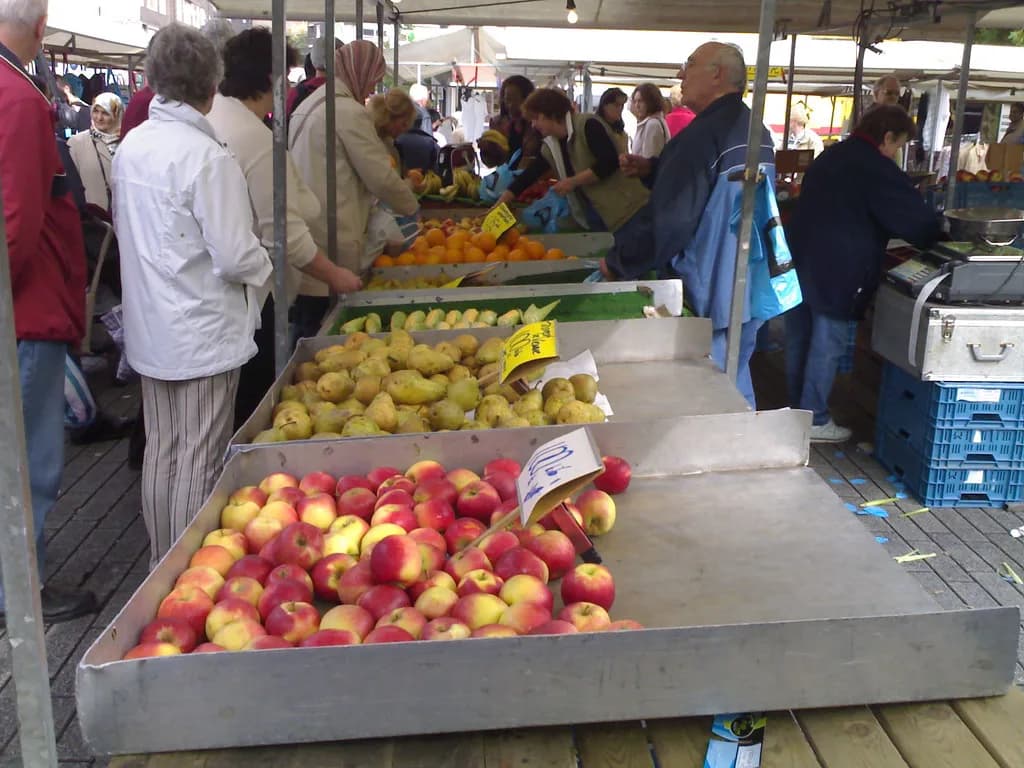
Small everyday prices are the best sanity check on a daily budget, and typical Dutch student-city figures are a cup of coffee or tea in a cafe at about €3.00, a cheese sandwich at about €4.00, and a dinner in a typical student restaurant at about €12.50. These are everyday prices, not restaurant or attraction prices for tourists, so treat them as a floor. They let you estimate a lunch-and-coffee day in a few seconds.
Dutch city centres are compact and walkable, and a bike is both the typical Dutch way to get around and a low-cost one, so transport rarely dominates a short break. Museum and attraction tickets vary too much by venue to be useful as a planning figure here, so budget for them city by city.
Cheapest and most expensive months to visit, and the shoulder-season middle
Mid-January to early March is the cheapest window, when demand drops sharply and accommodation rates often fall by 20% to 40% against busy periods. The trade-off is cold, short days and fewer hours outdoors, though Dutch museums and city streets are at their quietest. If your trip is built around galleries and town walks rather than long bike rides, winter is the value choice.
Spring and summer are the expensive months. The weeks from mid-April to early May are especially costly because King's Day and tulip season drive up demand for both lodging and transport, and the summer school holidays keep prices high. For mild weather at lower prices, aim at late March to early April or September to mid-October, which avoid both the deepest cold and the heaviest crowds.
How to spend less without cutting the trip short
Cut the accommodation cost, not the days. Swap Amsterdam for a smaller city, take a budget room or hostel, and travel in the winter lull or a shoulder month. Moving your dates by a couple of weeks is often worth more than any other single decision.
On the ground, eat one meal a day from a bakery or supermarket, use the bike or your feet for city distances, and choose paid attractions deliberately. If you are weighing up Amsterdam against the alternatives, the guide to alternatives to Amsterdam sets out the smaller cities that deliver the same canals and museums for less. For a longer trip, the 5-Day Netherlands Itinerary shows how the days fit together without padded extras.
What this means for budgeting a one to four day Dutch city break
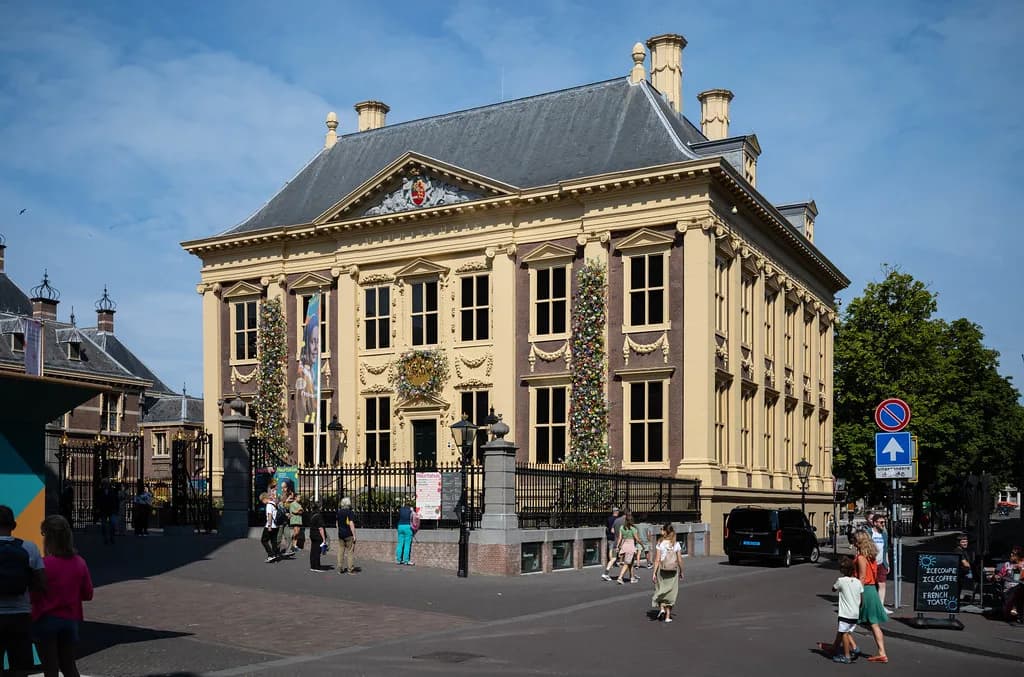
For two or three nights, build a realistic comfortable budget from a nightly room rate, a modest daily allowance for food and drink at mid-range level, a small transport allowance and the tickets you actually plan to use. Everyday benchmarks such as a coffee around €3.00 and a simple student-restaurant dinner around €12.50 keep food spending in check, though both are student-city prices rather than tourist-menu prices. That structure travels to any Dutch city, whether you are in Delft for Delft Blue pottery and a market morning or in The Hague for the Binnenhof.
The Netherlands rewards a short trip on cost: few nights mean accommodation cannot dominate, and compact cities mean transport and time go further. Budget for the tickets you care about, keep food flexible, and let the season do most of the work. A longer trip spreads the same daily costs over more days, which is where budget discipline starts to matter.
Is a Dutch city break worth the cost?
For most European travellers, yes, provided you treat the Netherlands as mid-range rather than a bargain. You get compact, walkable cities, world-class museums and a cycling culture that costs little, at prices below the UK and Scandinavia.
The practical next step is to fix your dates and city first, then price the room, then build the days around free streets and canals plus a short list of paid sights. Everything else in your budget is small change by comparison.
Explore more Netherlands guides
Frequently Asked Questions
Is the Netherlands expensive to live in rather than visit?
Living there is a separate calculation from a city break and involves monthly rent, insurance and groceries rather than nightly rooms and tickets. Those long-run costs are why visitor prices feel high, but they are not the numbers to budget from for a one to four day trip. Budget from accommodation, food, local transport and attraction tickets instead.
Which season is cheapest for a Dutch city break?
Mid-January to early March is the quiet, cheap window, when accommodation rates typically fall well below peak levels. Late March to early April and September to mid-October are the shoulder-season compromise, with milder weather and lower prices than the spring and summer peaks. Mid-April to early May and the summer school holidays are the most expensive.
Sources
Notes for your next Dutch city break
Optional updates to our Netherlands guides.
You might also like
Continue reading
More guides you'll find useful