Where to Go in the Netherlands Besides Amsterdam: Choosing Your City
Pick a Dutch city by trip type, season and interests rather than a top-ten list. Here is what each short-break city offers and how many days it needs.
On this page
Go to Utrecht for the most complete two-day city break, The Hague for museums and a seaside district, Rotterdam for modern architecture, or Maastricht and Den Bosch for a historic weekend. The right choice depends far more on how many days you have and what you want from a city than on any ranked list. Amsterdam makes a useful transport hub and a point of comparison, but these cities give you a fuller sense of the country on a one-to-four-day trip. This guide matches each place to a realistic day count and points out where the trade-offs lie.
Where to go in the Netherlands: the short answer
Choose Utrecht if you want one compact city with canals, a cathedral tower and enough museums to fill two days, and choose Rotterdam if modern architecture matters more to you than a historic centre. The Hague (Den Haag) suits anyone who wants the Mauritshuis and Binnenhof plus the Céramique district, while Maastricht and Den Bosch ('s-Hertogenbosch) work best as a single historic weekend. Groningen and Leiden reward a two-day visit at the edge of the Randstad, and Leeuwarden is the natural gateway to Friesland. If you are already shaping a route, the Netherlands itinerary sets these cities into a longer sequence so you can see how the pieces connect.
How to choose: trip length, season and what you want from a city
Start with the number of nights, not the number of sights: two nights gives you two useful city days, three gives you a proper museum morning plus a bike ride, and four lets you add a second city without spending the whole break on trains. Next, ask what you actually want to do on a wet afternoon, because a church tower, a canal walk and a market all look different in rain. A city with several indoor museums tolerates a wet day far better than a small historic town built around strolling. Interest is the third filter: architecture points you to Rotterdam, art to The Hague, and medieval streets to Den Bosch or Maastricht. If you are still weighing cities against each other, the best cities in the Netherlands for a short break compares them on exactly these terms.
What is the best time to visit the Netherlands? Late spring and early summer give you the best odds of dry weather for canal walks and bike rides. The heathland at Balloërveld is at its most photogenic in summer, when the heather is in bloom.
Is the Netherlands a cheap place to visit? No, the Netherlands is not a cheap destination, and prices are set in euros rather than pounds or dollars. Train travel between cities adds up on a short break, so fewer bases with longer stays usually cost less than hopping between cities each night.
Utrecht: canals below street level and the Domtoren
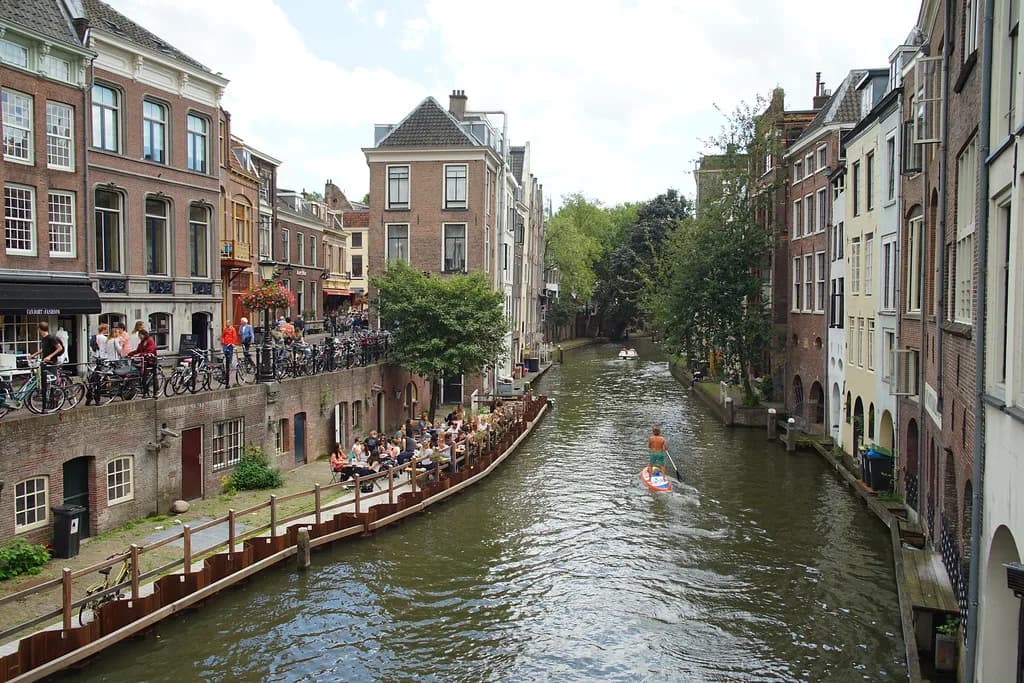
Utrecht is the easiest first Dutch city after Amsterdam and the one that best repays two days. Its Oudegracht runs through the centre with wharves and cellars at water level, so you can walk below the street rather than beside it, and the Domtoren gives you the city's best vertical view if you are willing to climb. The centre is compact enough to cross on foot in half an hour, which makes it ideal when you have only one full day. Give Utrecht two nights: one for the canals and the tower, one for a museum and a slow lunch. It also works as a base, since it sits near the middle of the country and shortens journeys to most other cities on this list.
The Hague (Den Haag): Binnenhof, Mauritshuis and Céramique
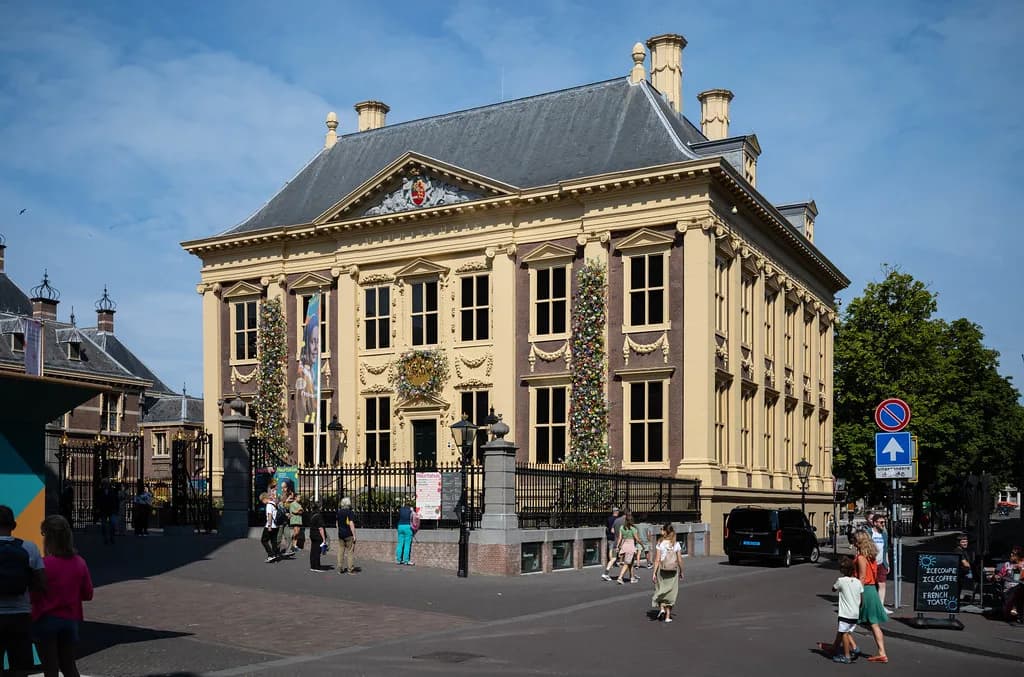
The Hague (Den Haag) is the pick for anyone who wants art and government buildings within a short walk of each other. The Binnenhof and the Mauritshuis sit beside the Hofvijver, and the Céramique district on the other side of the centre gives you modern architecture and a very different streetscape. Two days covers the Mauritshuis, the Binnenhof area and Céramique without rushing, and a third day leaves room for the Scheveningen district on the coast. The city spreads out more than Utrecht, so plan on trams or a bike rather than assuming you can walk everywhere. If you are building a longer route, The Hague fits naturally into the middle of a Netherlands itinerary as a museum stop between Rotterdam and Leiden.
Rotterdam: modern architecture and the Markthal
Rotterdam is the Dutch city for travellers who find historic centres repetitive. The Markthal, the modern skyline and the rebuilt centre give the city a completely different feel from Utrecht or Leiden, and the scale means you will use trams or a bike to cover ground. It suits two days if architecture is your main interest and one day if you are simply passing through on the way south. The trade-off is honest: Rotterdam has fewer old streets to wander, so it rewards planning more than strolling. Pair it with The Hague or Delft rather than trying to see it all in an afternoon.
Den Bosch ('s-Hertogenbosch): Sint-Janskathedraal and the Binnendieze
Den Bosch ('s-Hertogenbosch) is the best choice for a single historic day outside the Randstad. The Sint-Janskathedraal dominates the centre, and the Binnendieze, the canal system that runs partly under the streets, gives the city a character you will not find in Rotterdam. One full day covers the cathedral, the old centre and a boat trip on the Binnendieze; a second day lets you slow down and explore the smaller streets. The city is compact and walkable, which makes it a low-stress option for a short break. It also works well as a stop between Utrecht and Maastricht if you are travelling by train.
Maastricht: Vrijthof, city walls and a Burgundian feel
Maastricht feels further from the Randstad in both distance and mood, and that is exactly why it works for a weekend. The Vrijthof is the city's main square, the old city walls and riverfront give you a walk with a view, and the centre is dense enough to explore on foot in a day. Give Maastricht two nights at minimum, because the journey south eats into a shorter break. The city suits travellers who want a historic centre with a slower rhythm rather than a checklist of blockbuster museums. If you have four days, combine it with Den Bosch rather than trying to add a third city.
Groningen: Martinitoren and a compact historic centre
Groningen is the right base for the north and a genuinely underrated city break in its own right. The Martinitoren anchors the centre, the streets around it are compact and walkable, and the city has the energy of a university town without the crowds of Utrecht. Two days is enough for the centre, a museum and a bike ride out of the city. The trade-off is distance: Groningen is a long train ride from the Randstad, so it suits a two- or three-night stay rather than a day trip. Combine it with Leeuwarden or the Frisian towns rather than expecting to return to Utrecht the same evening.
Leeuwarden: Oldehove, canals and the Fries Museum
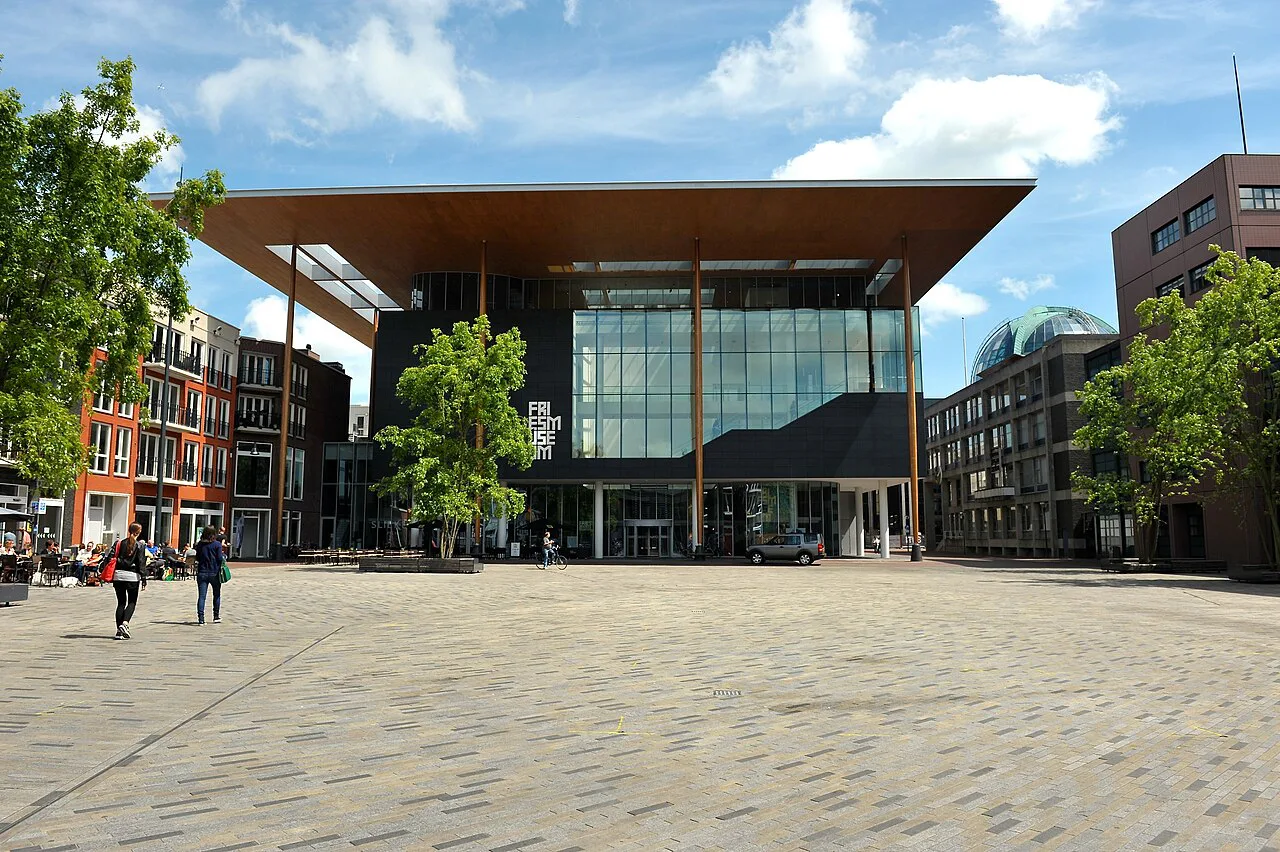
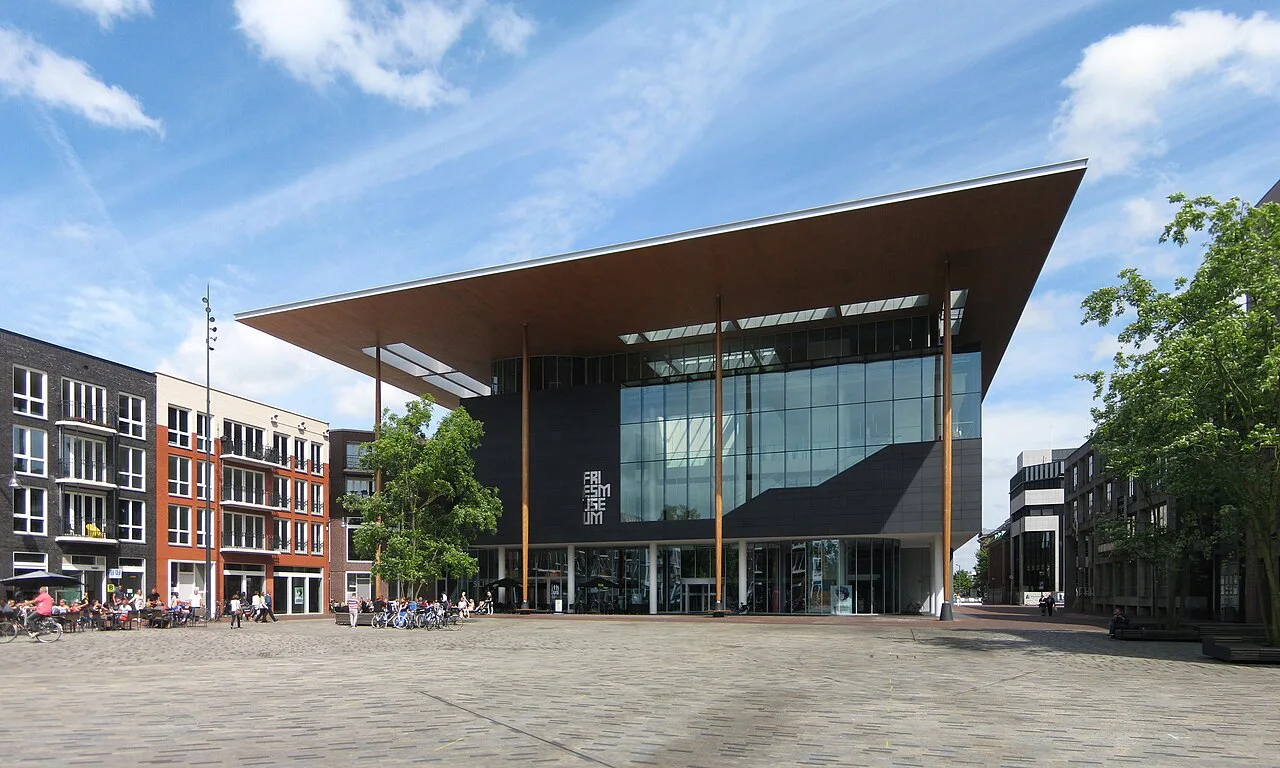
Leeuwarden is the natural first stop in Friesland and a good two-day city in its own right. You can climb the Oldehove, the tower that leans noticeably, explore the historic centre and its canals, and spend a morning in the Fries Museum. The city is compact and pleasant to walk, which makes it easier than Groningen for a short stay. The trade-off is that Leeuwarden is quieter than the headline cities, so it suits travellers who want a slower pace rather than a packed museum schedule. Use it as a base for the smaller Frisian towns rather than as a single-day dash from Amsterdam.
Leiden: canals, museums and a university town feel
Leiden packs canals, museums and a university atmosphere into a centre you can cross on foot in twenty minutes. It suits two days if you want museums and a canal walk, or one day if you are using it as a stop between The Hague and Utrecht. The city is small enough that you will not spend your break on transport, which is its main advantage over Rotterdam. The trade-off is scale: Leiden has fewer headline sights, so it rewards travellers who prefer atmosphere to a checklist. It also works well as a quieter alternative to staying in Amsterdam itself.
Arnhem: Sonsbeek Park and the Airborne Museum
Arnhem suits travellers who want a city break with green space and a serious museum. Sonsbeek Park gives you a large park within walking distance of the centre, and the Airborne Museum is the obvious focus for the city's Second World War history, with the Veluwe and its national parks close enough for a day of walking or cycling. One day is enough for the centre and the museum, or two if you want to add a day in the surrounding countryside. The city sits beside the Rhine, and it is a useful stop on a longer route east.
Smaller places worth the detour: Hindeloopen, Kampen and Venlo
Some Dutch towns are best treated as a single day rather than a base, and Hindeloopen, Kampen and Venlo all fit that description. Hindeloopen is tiny, pedestrian-friendly and full of historic houses and canals on the IJsselmeer, so it fills an afternoon rather than a weekend. Kampen offers a historic centre on the IJssel, and Venlo has an old town hall and the Limburgs Museum, which makes it a sensible stop if you are travelling through Limburg. The trade-off is that smaller towns give you less to do on a wet day, so they work best as part of a wider route rather than as your only destination. If you want to compare these with the headline cities, our guide to alternatives to Amsterdam covers the smaller historic towns that reward a detour.
When to go: how the seasons change a Dutch city break
Late spring and early summer give you the best odds of dry weather for canal walks and bike rides, while autumn and winter push you toward museums and shorter days outdoors. Oostvaardersplassen is a large wetland reserve where konik horses and red deer roam, and the heathland at Balloërveld is at its most photogenic in summer, when the heather is in bloom. Winter is quieter and cheaper in the smaller towns, but you lose the outdoor side of a city break and should plan around indoor sights. If your dates are flexible and you want the outdoors, aim for late spring or summer rather than a winter weekend.
How many days each place needs, from one to four
One day suits Hindeloopen, Kampen, Venlo or Arnhem; two days covers Utrecht, Leiden, Den Bosch or Leeuwarden; three days gives you The Hague, Rotterdam or Groningen with room to breathe; and four days lets you combine two of them, such as Utrecht with Den Bosch or Maastricht with Arnhem. Be honest about travel time, because a two-night break in Groningen from the Randstad leaves you one full day rather than two. If you want a ready-made sequence, the 5-Day Netherlands Itinerary shows how two cities fit into a working week without turning the break into a train tour.
Which city suits which traveller: a quick trade-off
Pick Utrecht for a first short break, Rotterdam for architecture, The Hague for museums, Den Bosch or Maastricht for a historic weekend, and Groningen or Leeuwarden for a slower northern trip. Travellers who want green space should lean toward Arnhem, while anyone with only one day and a train ticket should choose Leiden, Den Bosch or Arnhem over a city that needs two. The trade-off is straightforward: bigger cities give you more museums and more choice, but they also mean more ground to cover and more time on trams. Smaller towns give you a compact, walkable day but can feel thin if the weather turns.
How to move between cities during a short break
Dutch cities are close enough that you can move between them by train within a short break, but the journey time matters more than the distance on a map. Utrecht, The Hague, Rotterdam, Leiden and Den Bosch sit close together and work well as a two-city trip, while Groningen, Leeuwarden and Maastricht take long enough that they deserve their own stay. If you have a week, the 7-Day Netherlands Itinerary stretches the same logic across more cities without doubling back. For a longer trip, the 10 day Netherlands itinerary shows where the northern and southern cities fit. Plan on one base per two nights so you are not carrying bags every morning.
Which Dutch city should you book?
If you want one city that works first time, book Utrecht for two nights and add The Hague or Den Bosch if you have a third. If you want a historic weekend, choose Maastricht or Den Bosch and give either two nights; if architecture is the draw, Rotterdam plus The Hague makes a coherent pair. For a slower northern trip, base yourself in Groningen or Leeuwarden and treat the smaller Frisian towns as day trips. Whichever you pick, book the city before the sights and check museum opening days and any ticket requirements directly with each museum before you travel.
Explore more Netherlands guides
Frequently Asked Questions
What is the best time to visit the Netherlands?
Late spring and early summer give you the best odds of dry weather for canal walks and bike rides. The heathland at Balloërveld is at its most photogenic in summer, when the heather is in bloom. Autumn and winter push you toward museums and shorter outdoor days, which suits cities with several indoor sights. There is no single best month, so match the season to whether you want to be outside or inside.
Is the Netherlands a cheap place to visit?
No, the Netherlands is not a cheap destination, and prices are set in euros rather than pounds or dollars. Train travel between cities adds up on a short break, so fewer bases with longer stays usually cost less than hopping between cities each night. Check current museum and transport prices directly, since they change and vary by city and by whether you buy online or at the door.
Sources
Notes for your next Dutch city break
Optional updates to our Netherlands guides.
You might also like
Continue reading
More guides you'll find useful