Dutch Souvenirs Worth Buying: What to Get and What to Skip
Dutch souvenirs worth buying, from Delft Blue and wooden tulips to clog slippers, windmills and food gifts, with practical notes on weight and fragility.
On this page
The Dutch souvenirs worth buying are the ones that still make sense once they are in your suitcase: a hand-painted Delft Blue piece, a bunch of wooden tulips, a pair of clog slippers, a small windmill or a sealed food gift. Skip anything bulky, printed rather than painted, or so heavy that it costs you a baggage allowance. This guide sorts the main options by the constraint that actually decides the purchase — fragility, weight, age of recipient — then points you to where in the Netherlands to buy them, and our guide to the best cities in the Netherlands is a good place to plan where you will shop.
What counts as a Dutch souvenir
The icons that hold up as gifts are the ones with a clear Dutch identity and a sensible travel profile: Delft Blue ceramics, wooden and artificial tulips, clogs and clog slippers, windmills, miniature canal houses, bicycles and fridge magnets. They work because the recipient recognises the reference immediately and because most of them are small. The weak souvenirs are the generic printed ceramics and oversized ornaments that look like Holland but arrive cracked or never get displayed.
Delft Blue: hand-painted pieces, tiles and canal houses
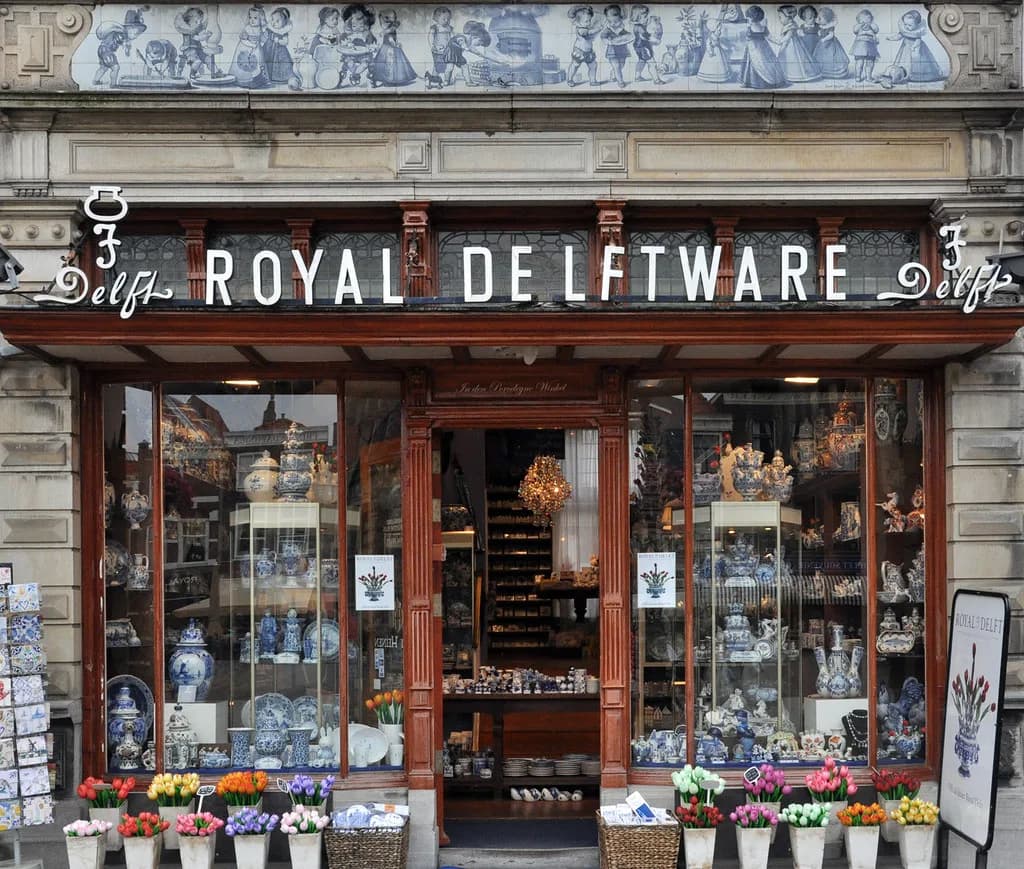
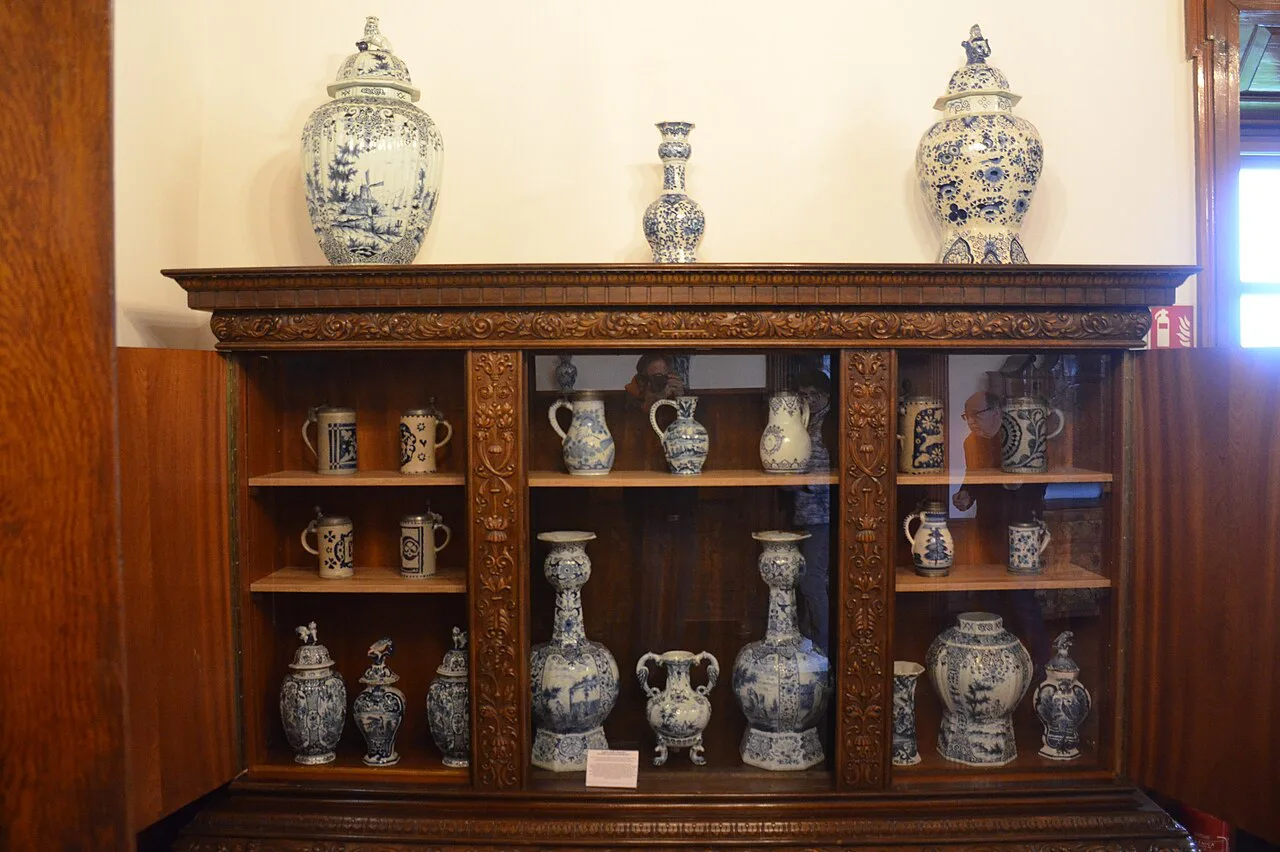
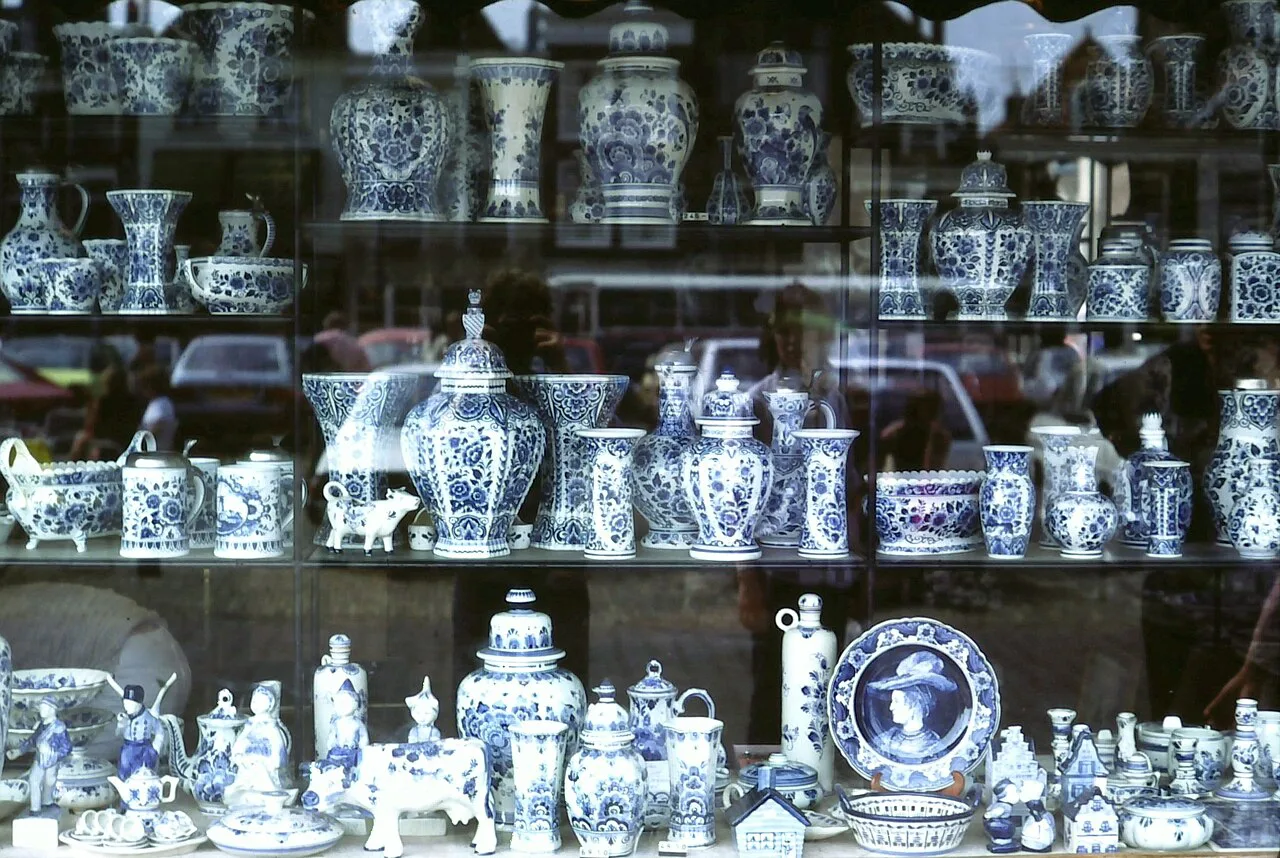
Delft Blue is the souvenir most likely to become a permanent object in the house rather than a drawer filler. A hand-painted vase, wall plate, tile tableau or canal house figurine carries the blue-and-white decoration the recipient associates with the Netherlands, and the smaller canal house models and tiles take up little space. The trade-off is fragility: ceramics need wrapping and hand luggage if you care about them arriving intact.
Hand-painted Delftware is a different purchase from printed blue-and-white ceramics, and the price gap buys brushwork rather than a pattern. If the difference matters to you, look closely at the decoration before buying and choose a piece you would still want on a shelf at home. Hand-painted pieces and printed polystone canal houses are sold alongside each other, so check which you are ordering before you pay.
Wooden tulips and artificial tulips
Wooden tulips are the easiest Dutch souvenir to pack because they are light and unbreakable, and they come in a range of lengths rather than all one size. Compare stem lengths in the shop against your suitcase before choosing, since a tall bunch sets its own packing constraint. Artificial tulips sit alongside them in the same ranges and suit anyone who wants colour without maintenance.
The practical decision is height, not colour. A tall wooden-tulip bunch makes a strong gift but dictates a long, flat space in your bag. Small stems fit into gaps around clothes, and they also work as cheap gifts for colleagues.
Clogs and clog slippers
Clogs split into two products: decorative wooden shoes for the shelf and clog slippers for wearing indoors. The slippers are the more useful gift and pack flat, while a decorative pair adds bulk and may not fit the recipient's feet anyway. Choose according to whether you want an ornament or something they will actually put on.
Windmills and miniature canal houses
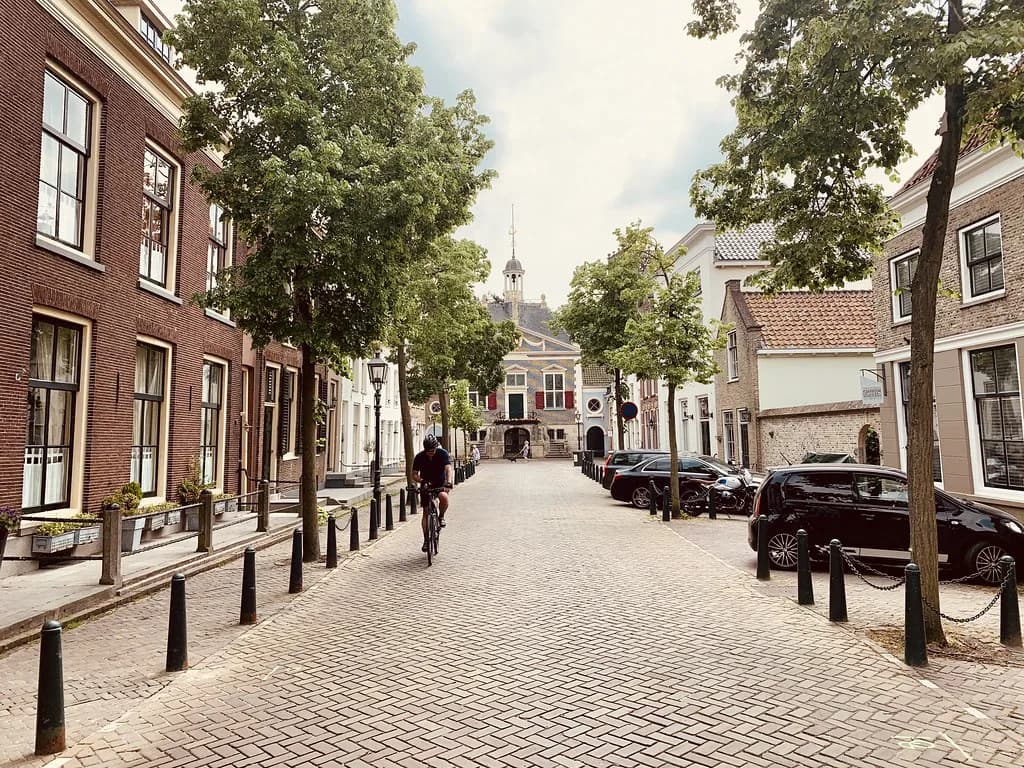
Windmills and miniature canal houses are the best small, light gifts in the Dutch souvenir repertoire. Canal-house miniatures and canal-house magnets reproduce the narrow gabled fronts of Dutch town streets, and a windmill ornament says the Netherlands in one object. Both work in a Christmas stocking or as a desk gift, and neither asks much of your luggage.
Museum souvenirs: Rembrandt, Van Gogh, Vermeer and Mondrian
Museum ranges are the strongest option for anyone who wants a Dutch souvenir with a story attached. Prints, notebooks and small gifts carrying Rembrandt van Rijn, Vincent van Gogh, Johannes Vermeer or Piet Mondrian suit adults and teenagers better than clogs do, and many of the smaller items pack easily. Museum-shop ranges built around these painters are sold alongside the general Dutch souvenir lines. For more Dutch city options beyond the capital, see our guide to alternatives to Amsterdam.
Food gifts: stroopwafels, speculaas, hopjes, licorice and cheese
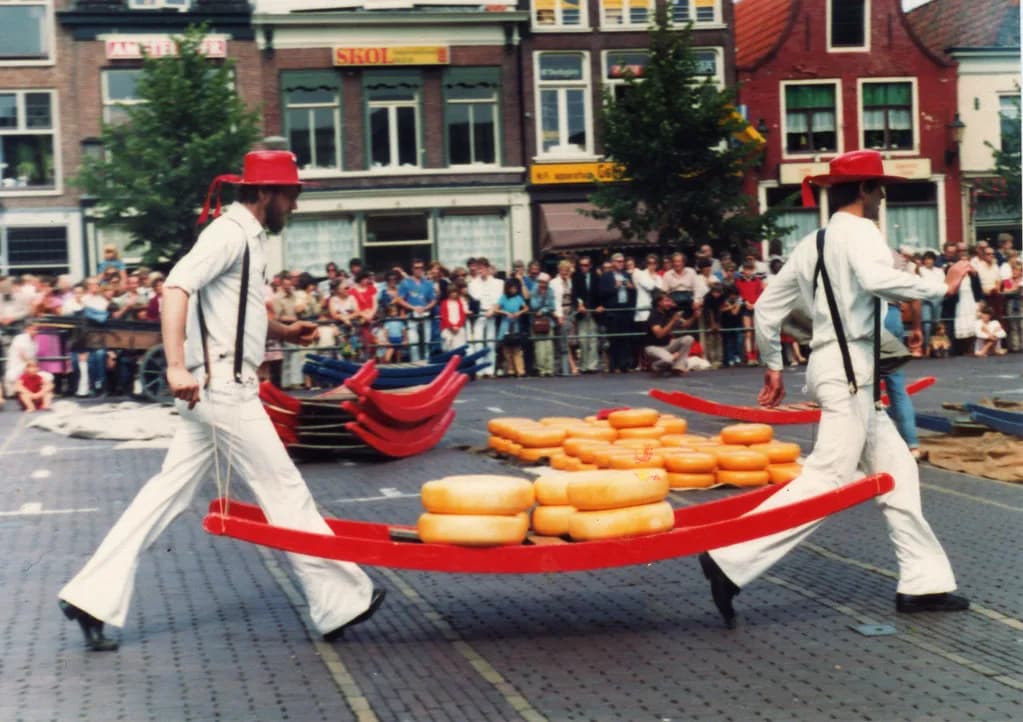
Edible souvenirs are the ones that get used, which makes them good value if they survive the journey. Stroopwafels are syrup waffles with caramel syrup sandwiched between thin wafers, speculaas are spiced biscuits, and hopjes are sold among Dutch sweets and confectionery; all sit happily in a suitcase. Licorice divides opinion, so buy it for people who already like it.
Cheese is the food gift that needs the most thought, because it is heavy and sensitive to heat. Sealed packets are the safer choice for a long trip or warm weather, and markets often sell cheese cut and weighed to order. Hagelslag, the chocolate sprinkles eaten on buttered bread, is sold in Dutch supermarkets and makes a gift that is genuinely used at the breakfast table.
Souvenirs for children
Children's souvenirs in Dutch shops come in the form of coloured pencils, jigsaw puzzles, money boxes, playing cards and small toys. Pencils and puzzles pack flat and keep children occupied on the way home, while money boxes and snow globes are decorative and breakable. A wooden tulip or a small clog keychain is often enough for a young child.
Budget souvenirs and magnets
Fridge magnets and keychains are the classic low-cost, low-space answers to the souvenir problem, and they are the right pick when you are buying for several people. Magnets in the shape of canal houses, tulips and windmills cover the Dutch icons without adding weight. Postcards and notebooks belong in the same bracket.
Buying online from Dutch shops or in the city
Dutch souvenir shops ship worldwide from their own stock, which is the simplest route if you are buying after you get home, need several identical gifts or want to avoid carrying ceramics in your suitcase. The catch is that you cannot inspect hand-painted Delftware or check the gloss and finish before ordering. Buying in the city lets you look at the piece you are paying for but leaves you responsible for packing it. Holland Winkel, for example, states that its Dutch souvenirs ship from its own stock in Holland, worldwide.
Matching the souvenir to the recipient
For older relatives, pick hand-painted Delft Blue, a Delft tile or a small windmill: recognisable, decorative and light. For work colleagues, choose stroopwafels, magnets or small wooden tulips that do not require explanation. For children, pencils, puzzles and small clogs work best. For the friend who liked Amsterdam, a canal-house miniature or a museum print beats a printed mug.
The same logic applies if you are planning a longer trip rather than a single city break. On a 5-Day Netherlands Itinerary you can spread purchases across several cities, which keeps ceramics out of your day bag until you are ready to pack. Longer routes give you more room to compare quality before committing.
Where to buy Dutch souvenirs on a Dutch trip
Buy food gifts where you find them and reserve ceramics like Delft Blue for hand luggage so they travel flat and padded; then buy the rest online if weight is tight. The best souvenirs are small, unbreakable or genuinely useful, so pack for the ones you actually want. If you are still choosing which cities to visit, work out where to go in the Netherlands before committing your luggage space, and our Netherlands Itinerary can help you plan the route.
Explore more Netherlands guides
Sources
Notes for your next Dutch city break
Optional updates to our Netherlands guides.
You might also like


Continue reading
More guides you'll find useful