Alternatives to Amsterdam: Dutch Cities Worth a City Break
Dutch cities that give you canals, old centres and museums without Amsterdam's crowds, with what each one is best for and how many days it needs.
On this page
Delft, Utrecht, Gouda and The Hague are the strongest alternatives to Amsterdam for a one to four day break: Delft for a small canal centre, Utrecht for the Oudegracht and its big museums, Gouda for the Thursday cheese market, and The Hague for the Mauritshuis and the Binnenhof. Each has a compact old centre you can cross on foot in half an hour, and each suits a different kind of trip. This guide sets out what to see in each city, how many days it deserves and how to combine them.
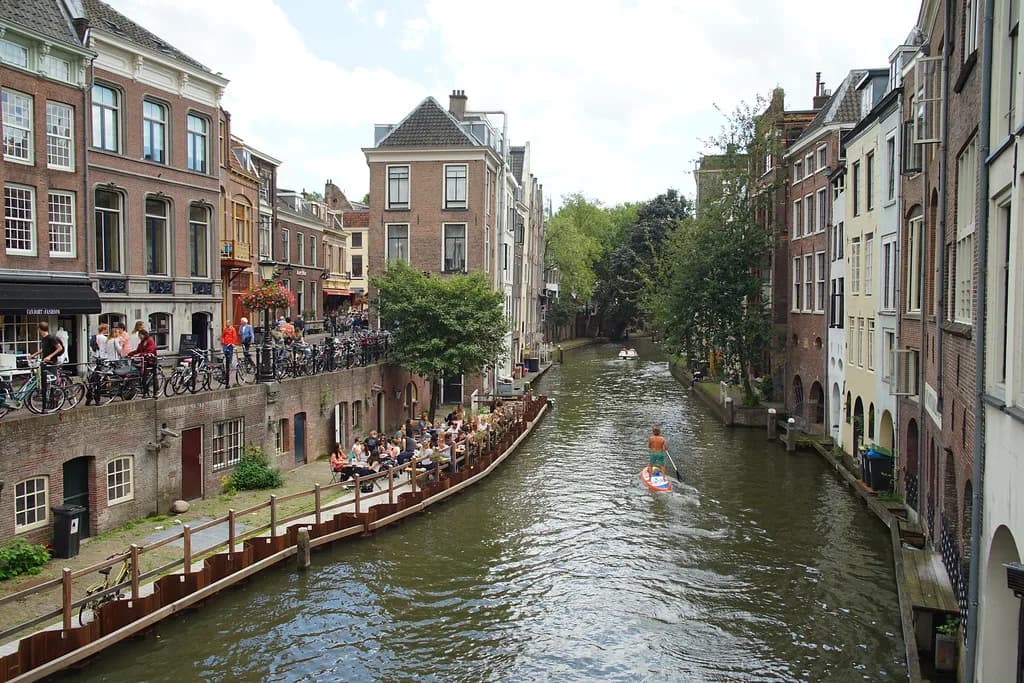
Dutch cities outside the capital generally have narrower, quieter canals in pedestrian-only areas, and there is often more greenery along the water than in Amsterdam. That is the case in Delft and Utrecht, where the canals are smaller and calmer than the capital's broad, boat-lined waterways, which runs alongside traffic rather than through pedestrianised streets.
What a Dutch city other than Amsterdam gives you
The appeal is density. Historic Dutch towns were built around a main church or cathedral with waterways for trade, so the church, the market square and the canal ring usually sit within a few minutes of each other. You can see the headline sights of most of these cities in a day without touching public transport, and two nights gives you time for a museum and a canal walk without rushing.
The trade-off is scale. Smaller centres mean fewer museums, earlier closing kitchens and a shorter list of indoor options when it rains, so a half day in Delft feels generous while a half day in The Hague feels thin. Pick one city as a base and treat the others as short hops rather than trying to sleep in four places in four nights. The Netherlands Itinerary guide shows how these cities fit into a longer route.
Delft: a small canal centre with three museums
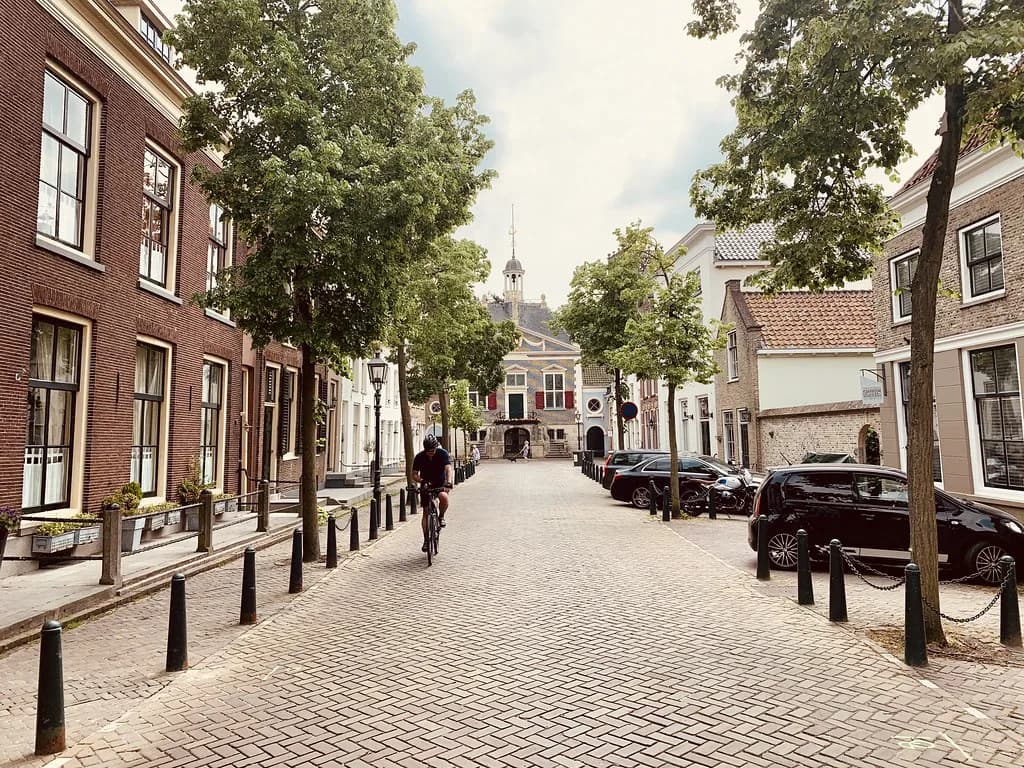
Delft is the prettiest of the small canal cities, with an old centre whose streets and bridges look much as they have for centuries. In summer the trees along the canals are in full leaf and the walk between the Markt and the eastern city gate is the best half hour in the city. Because the centre is small and full of students, it gets busy on warm days, so start early if you want the bridges to yourself.
Is Utrecht or Delft the better base for a short break? Utrecht is the better base if you want to see more than one city, because it is central and has enough museums and restaurants to fill an evening. Delft is the better choice if the canal centre itself is the reason for the trip, but it is small and you will run out of things to do after a day.
Do Dutch museums close on Mondays? Many do, and many shops open late on Monday morning, so it is worth treating Monday as a walking day rather than a museum day. Check each museum's own opening days before you set your itinerary.
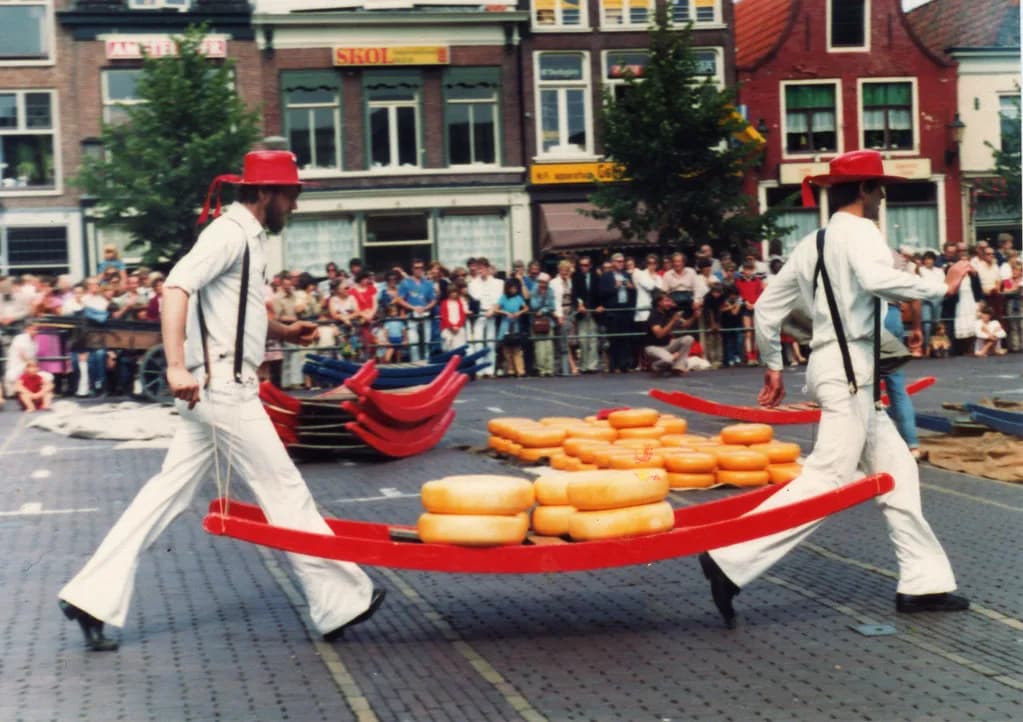
When is the Gouda cheese market? The cheese market runs on Thursday mornings in Markt Square from April through August, except on Ascension Day. Outside that window the square is much quieter and the market is not the reason to visit.
Three museums anchor a day here: the Prinsenhof, the Vermeer Centrum on the Markt, and Royal Delft, where the blue-and-white ware is made. Royal Delft is the one to prioritise if you want to understand the Delft Blue pottery rather than buy a souvenir, since the capital's souvenir racks sell touristy replicas of the same style.
Allow a full day if you want all three museums plus a canal boat, and half a day if you only want the centre and one museum. Delft works well as a day trip from Rotterdam, Leiden or The Hague, and it is small enough that a single afternoon does not feel like a compromise.
Utrecht: werf-level canals and the big museums
Utrecht's canals are the reason to come. The Oudegracht has a lower level at water height, the werf, where you can eat and drink directly beside the water, and the side streets off it hold small shops and restaurants. The centre is busy, with one of the most heavily used cycle routes anywhere, yet it keeps the look and feel of a much smaller town.
The Spoorwegmuseum covers the history of Dutch rail travel and the Nijntje Museum is the one to book for younger children; both are in Utrecht and the centre itself is easy to walk. Nijntje tickets are sold online only, with none available at the entrance, so sort them before you travel rather than turning up on the day.
Give Utrecht two nights if you want both museums and a kayak or boat trip on the canals, and a full day if you only want the werf and the old centre. It is the best base in this list for a mixed group, because the old centre is compact while the museums are substantial enough for a rainy day.
Amersfoort: canal gates and Muurhuizen
Amersfoort is the quiet option, a short hop from Utrecht and small enough to walk end to end. Its signature sight is a gate over the canal that looks more like a castle, with a second gate and tower at the opposite side of the centre. Between them, Muurhuizen street follows the line of the old defensive wall and is the place to look at historic houses and narrow lanes.
The city also has several buildings by Gerrit Rietveld, the Dutch architect behind De Stijl design, which gives Amersfoort a second layer beyond the medieval centre. It is a half-day city, or a full day with a long lunch, and it pairs naturally with Utrecht as a morning out rather than a base of its own.
Gouda: Markt Square, Sint-Janskerk and the cheese market
Gouda's cheese market takes over Markt Square every Thursday morning from April through August, except on Ascension Day. Traders in folk costume set out Golden rounds on the cobbles and the hand-clapping bargaining is a piece of theatre rather than a real auction, but it is the reason most visitors come. Outside those months the square is simply a square, and the city has a quieter centre and a shorter list of things to do.
The Gothic Town Hall anchors the square with its red-and-white shutters, and though you cannot go inside while it is closed for renovation, the facade is worth a look from the cobbles. Down the street, Sint-Janskerk is the longest church in the Netherlands and is known for its 16th-century stained glass windows showing Bible scenes and Dutch history. Combine the two with a stroopwafel stop and you have a solid half day.
Time your visit for a Thursday between April and August if the market is the point of the trip, and accept that the square will be packed and the surrounding streets slow. On other days, go for the church windows and the small-town centre, and treat the cheese shops as a bonus rather than the main event.
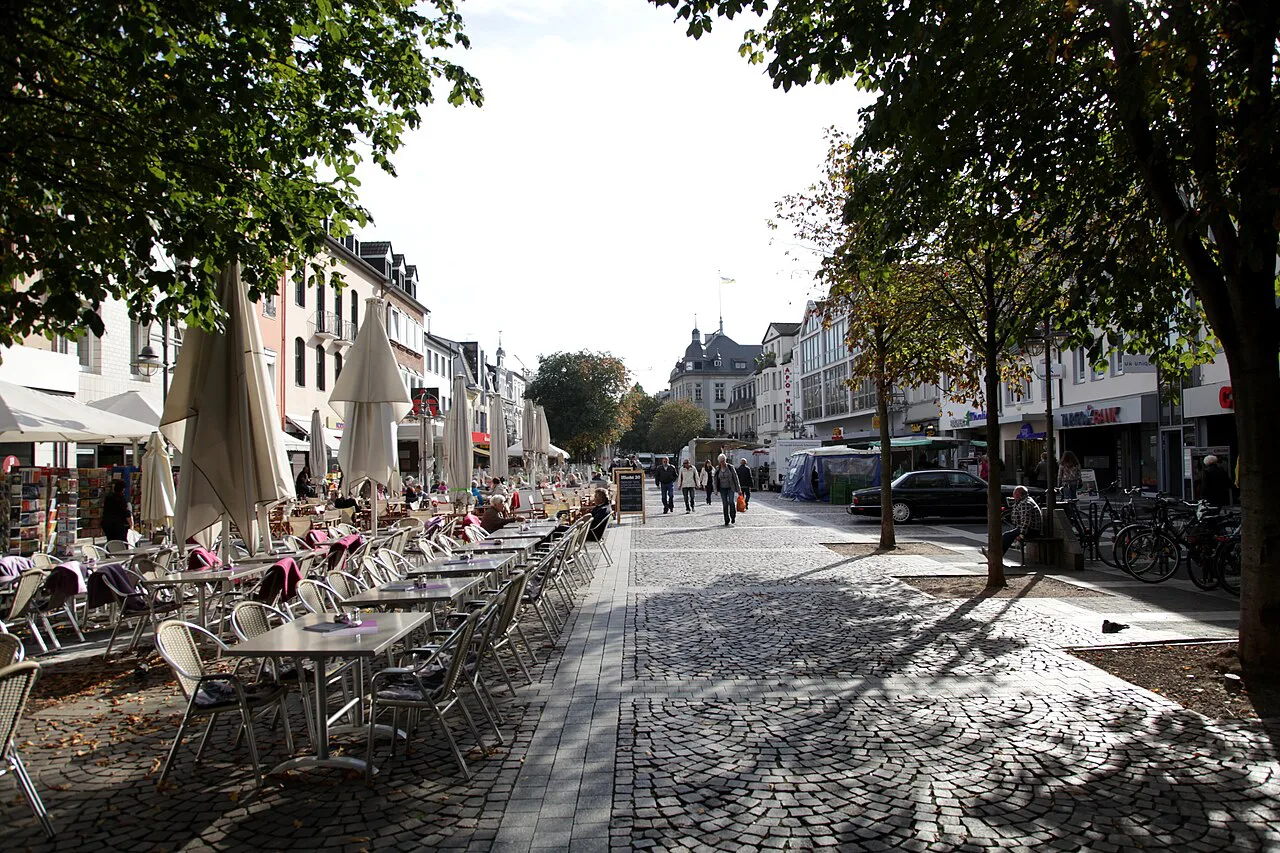
The Hague (Den Haag): Binnenhof, Mauritshuis and the Peace Palace
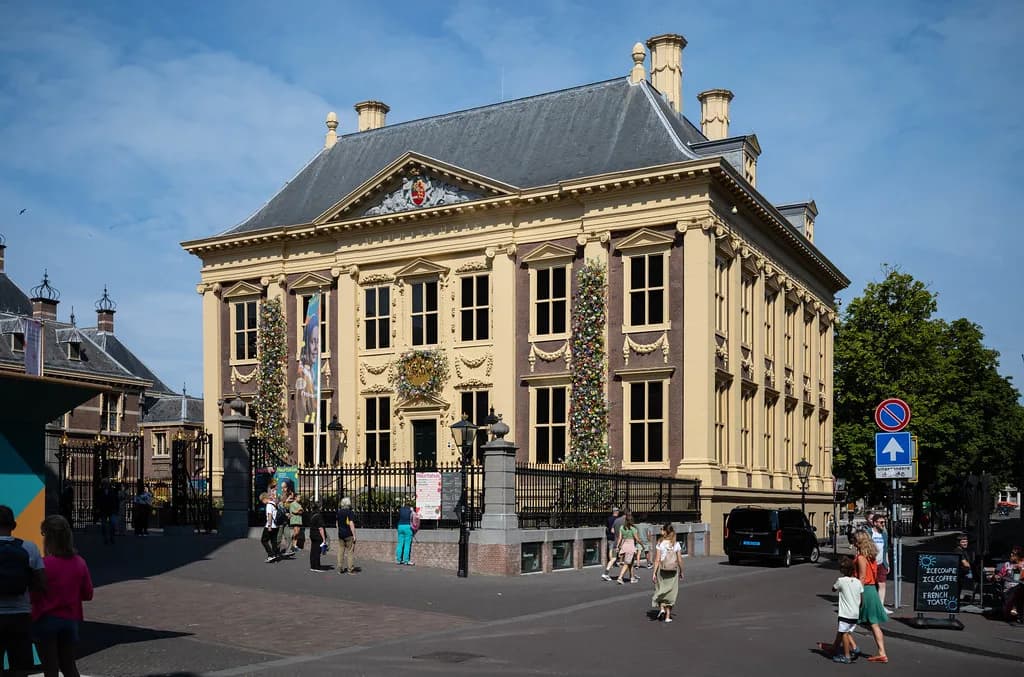
The Hague is the seat of government rather than the capital, and its centre reflects that: the Binnenhof, the parliament complex around the Hofvijver, sits a few minutes from the Mauritshuis, which holds Vermeer's Girl with a Pearl Earring. Both are in the old centre, so you can see the outside of one and be inside the other within five minutes.
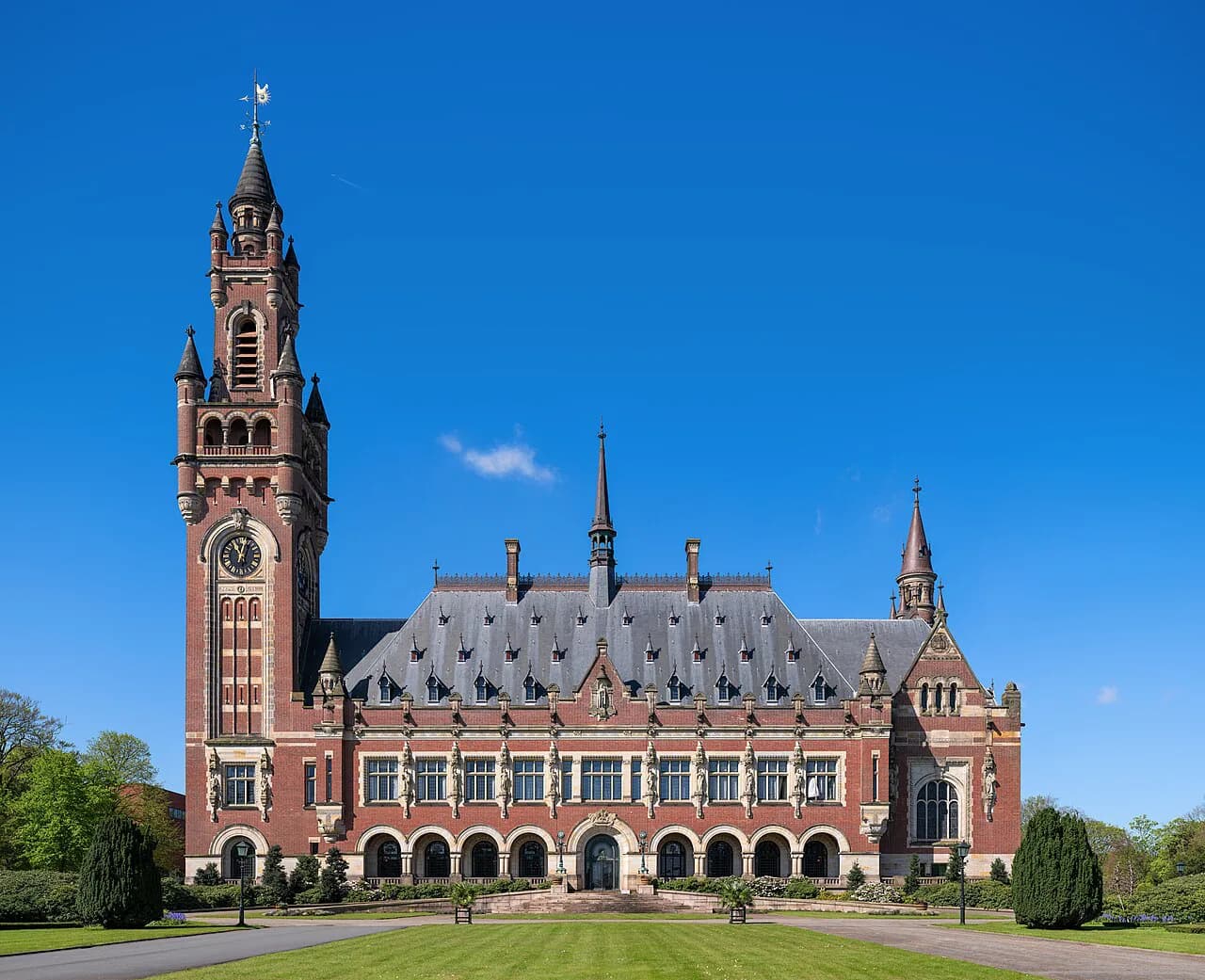
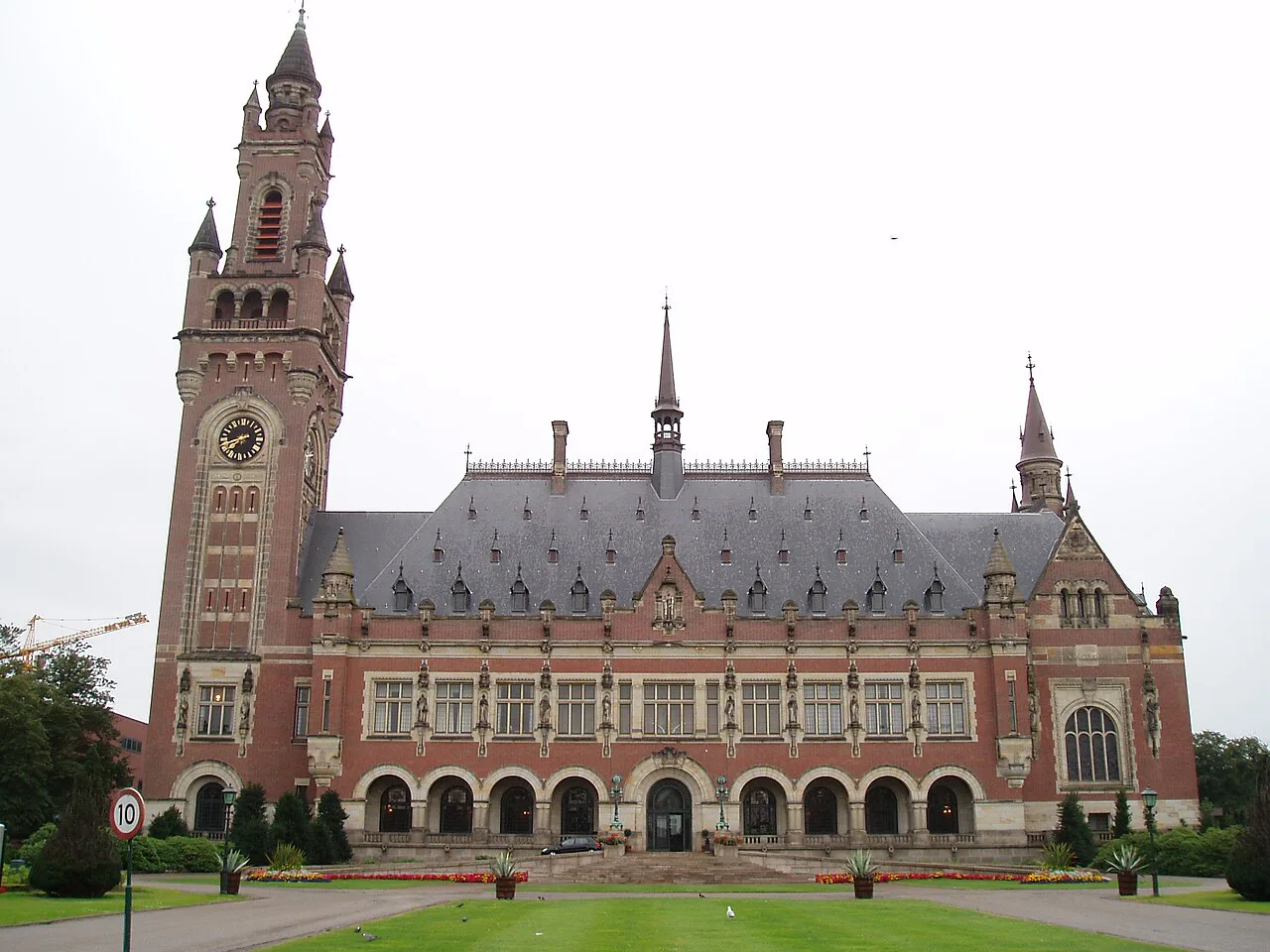
The Peace Palace, home to the United Nations International Court of Justice, is further out and tours are generally unavailable when the court is in session. The visitor centre has exhibits on the court's work and is the sensible fallback when the building itself is off limits. Plan the Peace Palace around the rest of the day rather than the other way round, since its availability is out of your hands.
Scheveningen is the city's coastal district, a short tram ride from the centre, and it gives The Hague a second half to the day that no other city on this list has. Two nights is the right amount here: one for the Mauritshuis and the Binnenhof, one for the Peace Palace visitor centre and the coast.
Maastricht: the Vrijthof and a southern route
Maastricht sits in Limburg in the far south and feels different from the Randstad cities, with a centre that rewards slow wandering. It is the odd one out on this list because it is a long way from the others, so it works as a two-night stay at the end of a longer trip rather than a day trip.
Build a southern route with Maastricht as the final stop if you have four nights or more, and skip it on a two-night break because the travel eats the day. For a longer trip, it pairs with a slow loop back north through the other cities on this list.
How many days each city needs
Delft and Amersfoort are half-day cities, Gouda is a half day or a full day with the Thursday market, and Utrecht and The Hague each want two nights. Maastricht needs two nights or more and only makes sense on a trip of four nights upward. If you have two nights total, pick one city and see it properly rather than splitting your time between two.
With three nights, pair Utrecht with Amersfoort or Delft, both short hops away. With four or five, base in Utrecht and take day trips to Delft and Gouda, and save The Hague for a trip where the Mauritshuis is the priority.
If you want to see three cities without changing hotels, Utrecht is the most practical base: it is central, it has enough to fill an evening, and the other cities on this list are reachable as day trips. The trade-off is that you spend more time on trains and less time in each place.
When to go and which days museums open
Late spring and early summer are the best months for the canal cities: the trees along the water are in leaf, the Gouda cheese market runs from April to August, and the terraces along the Utrecht werf are open. High summer brings the crowds, especially in Delft on warm days, so shift your sightseeing to the morning.
Plan around the Monday problem. Many Dutch museums close on Mondays and many shops open late on Monday morning, so a Monday arrival is best spent walking the canals and squares rather than queuing for a museum. Check the opening days for each museum you want, since days vary by institution and change with the season.
Weekdays are quieter than weekends in all six cities, and the Thursday cheese market is the one deliberate weekday crowd in Gouda. If your trip includes a Thursday, put Gouda on it; if not, drop Gouda rather than visiting on a non-market day and wondering what the fuss is about.
Getting between the cities and where to base yourself
The Dutch rail network links these cities directly, with Utrecht as the central hub, so day trips are practical without a car. Delft, The Hague and Gouda sit close enough together to combine, while Maastricht is the long haul that needs its own night. Base yourself once and travel light rather than changing hotels every night.
A car is a liability in these centres, where parking is scarce and the old streets are pedestrian-only. Bikes are a practical way to cover the last kilometre if the weather holds, but arrange your own rental rather than assuming a shop will be open in every city.
If you are extending the trip, the 5-Day Netherlands Itinerary shows how to loop in the bigger museums outside the Randstad without losing a day to travel, and the wider Netherlands Itinerary guide covers a longer route through these cities.
Which city suits which traveller
First-timers who want the classic Dutch postcard should go to Delft, which has the prettiest centre and the easiest half day. Art lovers should go straight to The Hague for the Mauritshuis, with the Binnenhof next door. Families do best in Utrecht, where the Nijntje Museum is interactive and the werf gives children somewhere to run beside the water.
Cyclists should base in Utrecht or Amersfoort, where the centres are compact and the surrounding polders are flat and quiet. Anyone who wants a smaller city with fewer tourists should consider Amersfoort, which is genuinely quiet, and accept that it has less to do in the evening.
Shoppers and gift-hunters should make time for Royal Delft and the Gouda cheese shops, but buy Delft Blue from a city where it is made rather than from a souvenir rack in the capital. For a sense of what those gifts actually are, the Dutch souvenirs guide covers the good versions.
Which alternative to Amsterdam should you book?
For a first trip outside Amsterdam, book Utrecht for two nights and add Delft and Gouda as day trips. If art is the point, swap in The Hague for the Mauritshuis, and if you want quiet, make Amersfoort your base with Utrecht as a day out.
Whichever you choose, set your dates around museum opening days and the Thursday Gouda market, then build each day around one museum and one canal walk rather than three sights and a train. That is how these cities reward a short break.
Explore more Netherlands guides
Frequently Asked Questions
Is Utrecht or Delft the better base for a short break?
Utrecht is the better base if you want to see more than one city, because it is central and has enough museums and restaurants to fill an evening. Delft is the better choice if the canal centre itself is the reason for the trip, but it is small and you will run out of things to do after a day.
Do Dutch museums close on Mondays?
Many do, and many shops open late on Monday morning, so it is worth treating Monday as a walking day rather than a museum day. Check each museum's own opening days before you set your itinerary.
When is the Gouda cheese market?
The cheese market runs on Thursday mornings in Markt Square from April through August, except on Ascension Day. Outside that window the square is much quieter and the market is not the reason to visit.
Can I visit the Peace Palace in The Hague?
Tours are generally unavailable when the court is in session, so the visitor centre is the reliable fallback. Build the rest of your day around it rather than planning the day around the building itself.
Sources
Notes for your next Dutch city break
Optional updates to our Netherlands guides.
You might also like
Continue reading
More guides you'll find useful